
back to top

Divine Light

Divine Light is an inherent constraint affecting beings susceptible to celestial radiance.

Relevant Beasts
Hebrews
Death Messenger
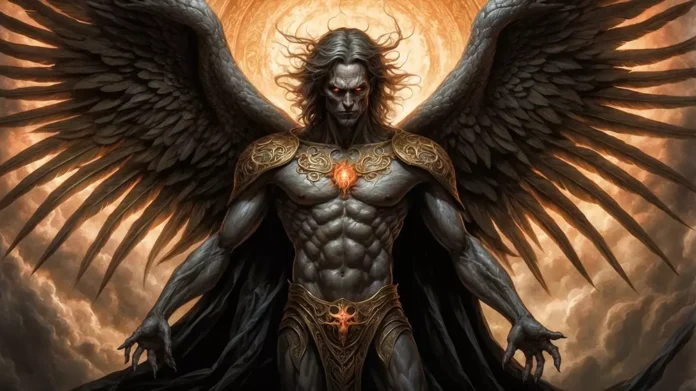
Samael - the angle of death
Hebrews

Samael

Samael, the Angel of Death, is a figure of divine judgment and moral complexity in Jewish lore, known for...

  • Skills
Death & NecromancyDeath Touch
  • Weaknesses
Divine LightDivine Restrictions

Divine Light – Overview

Divine Light represents a mythological weakness where entities are limited by their own inherent luminosity or purity. It is structurally significant, functioning as a vulnerability deeply embedded within mythological systems. Unlike situational or accidental failures, Divine Light is not a momentary lapse but a fundamental constraint, reflecting the idea that excessive purity or sanctity can lead to downfall. Recognizing Divine Light as a significant limitation helps in understanding why mythological narratives emphasize cosmic balance over unchecked dominance.

Defining Characteristics of the Weakness

Nature of the Limitation

Divine Light primarily represents a metaphysical restriction. Entities embodying such light often find themselves constrained by their inherent sanctity. This constraint can manifest as an inability to operate beyond sacred domains or engage in actions that contradict their divine nature. It symbolizes an existential constraint, where beings are perpetually bound by their own divine essence. This recurring pattern highlights the inherent limitations of divinity itself, emphasizing the balance between light and shadow.

Conditions of Exposure

Divine Light becomes relevant in mythological contexts under symbolic and cosmic conditions. The weakness often emerges when beings stray from their divine purpose or confront moral transgressions. It can be activated by environmental conditions, such as entering impure realms or interacting with profane forces. These conditions serve as reminders of the inherent limitations of divinity, reinforcing the cosmic order. Moral conditions also play a role, where the purity of intention directly impacts the efficacy of Divine Light.

Mythological Role and Function

Function Within Mythological Systems

Divine Light functions within mythological systems by enforcing balance and preventing absolute dominance. It regulates power by ensuring that even the most luminous beings cannot transcend certain boundaries. This limitation preserves cosmic order and prevents chaos. By restricting unchecked power, Divine Light serves as a safeguard against hubris and unchecked ambition. It allows mythological narratives to illustrate the inevitability of balance and the consequences of overreaching divine authority.

Symbolic and Cultural Meaning

Symbolically, Divine Light represents the inevitability of moral consequence and the sanctity of sacred law. Across cultures, it stands as a boundary against hubris, reminding beings of their limitations. It embodies the moral consequence of divine actions and enforces sacred law by ensuring that even divine beings adhere to a higher order. This cultural interpretation underscores the importance of humility and reverence in the face of cosmic boundaries, highlighting the finite nature of divine authority.

Distinction from Related Mythological Weaknesses

Conceptual Boundaries

Divine Light differs from general mortality or physical injury by being fundamentally tied to the essence of divine beings. Unlike divine punishment or taboo violation, it is an inherent limitation rather than an imposed one. Its conceptual boundaries lie in the fact that it represents an existential constraint unique to divine entities, unlike situational defeat which is episodic and circumstantial. This makes Divine Light a unique classification in mythological frameworks, emphasizing inherent sanctity over external forces.

Common Sources of Misclassification

Divine Light is often misunderstood as a physical vulnerability or conflated with divine punishment due to its restrictive nature. Comparative mythology helps differentiate it by emphasizing its inherent nature, as opposed to externally imposed punishments. This misunderstanding arises from its metaphysical aspect being overlooked or simplified as a narrative tool. Scholarly frameworks focus on its role as a structural constraint within mythological systems, distinguishing it from incidental obstacles.

Canonical Beings Defined by Divine Light

Apollo

In Greek mythology, Apollo, the god of light and prophecy, is defined by Divine Light. His radiant essence limits him to roles of purity and truth, unable to engage in deceit or darkness. Without this constraint, Apollo’s identity as a beacon of light and truth would be diminished, undermining his narrative coherence and mythological significance.

Amaterasu

Amaterasu, the Shinto sun goddess, embodies Divine Light as her very presence illuminates the world. Her withdrawal into a cave represents the consequences of losing this light. Without this limitation, her role in maintaining cosmic balance and light would be misclassified, undermining her significance within the Japanese pantheon.

Surya

In Hindu mythology, Surya, the sun god, is characterized by his Divine Light, which sustains life. His inability to diminish his radiance underscores the inherent limitations of divine beings. Without this light, Surya’s integral role in the cosmic cycle would be misunderstood, diminishing his identity and mythological coherence.

Historical Distribution and Cultural Context

Divine Light appears in various cultural contexts, such as Greek, Shinto, and Hindu traditions. It surfaces in belief systems that emphasize cosmic balance and moral order, reflecting a broad pattern of divine constraint. These cultural environments highlight the recurring theme of light’s duality, underscoring its role as both a source of power and limitation. Across historical periods, this weakness emerges where divine purity meets the necessity of cosmic harmony.

Scholarly Interpretation and Uncertainty

Variation in Interpretation

Interpretations of Divine Light vary between cultures. In some, it is seen as a literal manifestation of divine power, while in others, it serves symbolically as a moral boundary. This variation reflects differing cultural priorities and mythological frameworks. Some scholarly interpretations focus on its symbolic meaning as a cosmic balance, while others emphasize its literal role in divine narratives. These differences illustrate the multifaceted nature of Divine Light as both a constraint and a source of power.

Limits of the Evidence

The evidence for Divine Light’s role as a weakness is sometimes ambiguous or debated. Some cultures provide clear narratives, while others offer fragmented accounts. No verified sources describe this concept uniformly across all traditions. Scholars acknowledge these gaps and focus on established interpretations while highlighting areas of uncertainty. This separation between certainty and speculation helps maintain a responsible understanding of Divine Light within mythological systems.

Mythological Function Across Cultures

Divine Light recurs across mythological traditions due to shared human concerns and symbolic needs. It addresses the universal theme of balance, serving as a metaphor for the limits of power. Recognizing this weakness enhances comparative interpretation, revealing common cosmological functions and shared values. It highlights the importance of humility and restraint, offering insight into the pervasive influence of light as both a sustaining and limiting force.