
back to top

Light

Light is an inherent vulnerability, exposing mythological creatures to harm or limitation.

Relevant Beasts

North America
Abyssal Guardian
Beholder - dungeons & dragons
USA

Beholder

Beholders are otherworldly creatures with a central eye and many smaller eye stalks, each capable of casting powerful magical...
  • Skills
Life DrainMind Control
  • Weaknesses
Anti-MagicLight
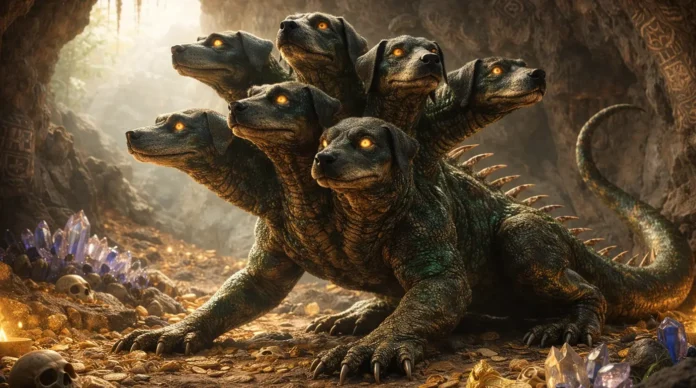
Paraguay
Treasure Guardian
Teju jagua - Guarani mythology
Paraguay

Teju Jagua

A Paraguayan serpent with seven dog-like heads, guarding treasure and emitting poisonous breath.

  • Skills
Poisonous BreathToxin Generation
  • Weaknesses
Fire VulnerableLight
North America
Crypt Shade
Hidebehind
USA

Hidebehind

An American cryptid known to lurk behind trees and avoid being seen by humans, making it almost impossible to...
  • Skills
CamouflageStealth
  • Weaknesses
Iron CutLight
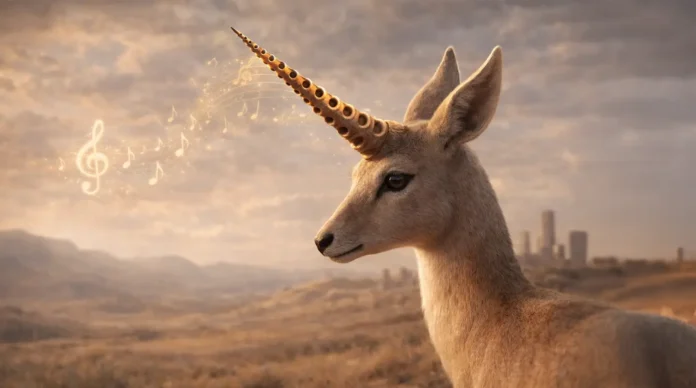
Iran
Horned Creature
Shadhavar or Âras - Persian Mythology
Iran

Shadhavar

The Shadhavar is a unicorn-like creature from Persian folklore whose horn produces beautiful, enchanting music.

  • Skills
EnchantmentMelody Control
  • Weaknesses
DeafnessLight

Light – Overview

Light, in mythological terms, represents a profound weakness characterized by its dual role as both a source and limitation. It embodies a constraining force within the mythological framework, marking entities with a distinct vulnerability. Unlike situational failures, Light’s integration within myths is structural, imparting necessary balance. Its presence ensures that entities defined by it cannot achieve unchecked power, thereby maintaining equilibrium within mythological systems. Light’s significance lies in its capacity to define boundaries that restrict absolute dominance, reinforcing the idea that even powerful beings have their limits.

Defining Characteristics of the Weakness

Nature of the Limitation

Light as a weakness often represents an existential constraint. This limitation transcends mere physical vulnerability, rooting itself in the metaphysical and cosmological realms. It functions as a boundary, preventing entities from surpassing certain universal laws. Within mythology, Light often delineates moral prohibitions, illustrating that power must be tempered by inherent limits. Its role can be seen as a moral compass, guiding entities away from hubris by reinforcing the necessity of adherence to cosmic order.

Conditions of Exposure

The conditions under which Light becomes relevant typically involve symbolic and environmental ones. Mythological narratives often present Light as a force that reveals the true nature of beings when they are exposed to its purity. This exposure can occur under specific cosmological alignments, suggesting a deeper environmental dependency. Symbolically, Light may activate in states of moral transgression, revealing weaknesses tied to a failure to adhere to sacred laws. It is not the Light itself but what it unveils that embodies the weakness.

Mythological Role and Function

Function Within Mythological Systems

Within mythological systems, Light operates to enforce balance and prevent the imbalance of power. It serves as a regulatory force, ensuring that no entity becomes overwhelmingly dominant. By embodying constraints, Light enables the potential downfall of those who overreach. This function preserves cosmic order and prevents entities from achieving absolute dominion, safeguarding the mythological equilibrium. Light, therefore, is essential in maintaining the structured hierarchy within these narratives, ensuring all beings remain within their designated roles.

Symbolic and Cultural Meaning

Symbolically, Light is often interpreted as an embodiment of inevitability and moral consequence. It represents the sacred law that defines the moral boundaries of mythological beings. Across cultures, Light signifies the limitation of hubris, reminding entities of their mortality and inherent constraints. This symbolic meaning underscores the importance of humility and the acceptance of cosmic boundaries. Light’s role in myth serves as a cautionary tale against transgressing these limits, emphasizing the balance between power and responsibility.

Distinction from Related Mythological Weaknesses

Conceptual Boundaries

Light differs from other weaknesses like general mortality or divine punishment by its role as an existential constraint rather than a physical or punitive measure. It is not a result of situational defeat but an inherent limitation placed upon entities. While physical injury or taboo violations might result in vulnerability, Light’s classification is about the metaphysical boundaries it imposes. It is not interchangeable with other forms of vulnerability due to its unique role in regulating power and preserving cosmic order.

Common Sources of Misclassification

Light is often misunderstood or conflated with other vulnerabilities due to its metaphysical nature. Some might view it as merely a narrative tool rather than a structural feature. Comparative mythology distinguishes Light by its consistent role in enforcing cosmic laws and preventing imbalance. Misclassification arises from oversimplifying its symbolic significance, which transcends mere narrative convenience. Understanding Light requires recognizing its enduring function across mythological systems as a marker of inherent limitations.

Canonical Beings Defined by Light

Vampires (Western Folklore)

Originating in Western folklore, vampires are quintessential beings defined by their vulnerability to Light. Without this limitation, their narrative as night-bound creatures would collapse, losing symbolic coherence and moral balance in the myth.

Asuras (Hindu Mythology)

In Hindu mythology, Asuras are powerful beings whose limitations are exposed under the influence of divine light. This constraint prevents them from achieving ultimate dominance, maintaining their role within the cosmic balance.

Yōkai (Japanese Mythology)

Yōkai, in Japanese mythology, often have vulnerabilities to sunlight, representing Light as a purifying force. This characteristic is crucial to their narrative, emphasizing the boundary between the human and supernatural worlds.

Historical Distribution and Cultural Context

Light as a mythological weakness appears across various cultures and historical periods, reflecting a shared human fascination with balance and limitation. It is prominently featured in Western, Hindu, and Japanese mythologies, among others. Each culture interprets Light within its unique cosmological framework, yet the underlying theme of regulating power remains constant. This pattern suggests a universal need to acknowledge inherent constraints, a theme deeply embedded in human belief systems. Light’s widespread presence highlights its integral role in addressing common existential questions.

Scholarly Interpretation and Uncertainty

Variation in Interpretation

Interpretations of Light vary significantly between cultures and scholarly frameworks. Some view it as a literal force, while others see it symbolically. In Western traditions, Light often embodies moral consequence, whereas Eastern perspectives might emphasize cosmic balance. Scholarly debate centers on these symbolic versus literal readings, reflecting broader interpretative challenges in mythology. The diversity of interpretations underscores Light’s complexity as a mythological concept, inviting continued exploration and analysis.

Limits of the Evidence

Despite its prevalence, gaps and ambiguities exist in the historical record regarding Light as a weakness. Sources often lack detailed explanations, leading to varied scholarly interpretations. While certain traditions are well-documented, others remain less clear, complicating comprehensive analysis. Established interpretations focus on recurring themes, while uncertain readings highlight areas needing further research. Acknowledging these limitations is crucial for responsible scholarship, fostering a nuanced understanding of Light within mythological contexts.

Mythological Function Across Cultures

Light’s recurrence across mythologies is driven by shared human concerns and symbolic needs, addressing the universal theme of limitation. Its cosmological function, to maintain balance, is a critical component in interpreting mythological systems. Recognizing Light’s role enhances comparative analysis, revealing how cultures express the need for checks on power. This understanding illustrates the cultural importance of acknowledging existential constraints, reinforcing the value of humility and responsibility within the human experience. Light thus serves as a timeless reminder of the limits inherent in all existence.