
back to top

Magic Reflection

Magic Reflection is an inherent vulnerability where spells rebound upon the caster, creating unintended consequences.

Relevant Beasts
Europe
Crawling Reptile
Basilisk - Greco-Roman serpent with lethal gaze
Greece

Basilisk

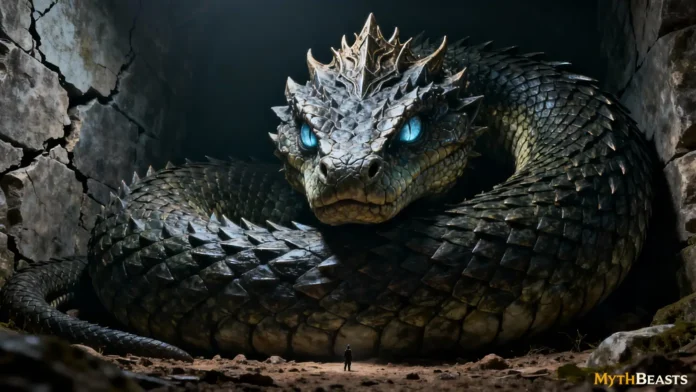
Basilisk, ancient Greco-Roman and medieval European serpent, crowned and colossal, whose lethal gaze embodies death, corruption, and sovereign terror...

  • Skills
Gaze of DeathPetrification
  • Weaknesses
Magic Reflection

Magic Reflection – Overview

Magic Reflection in mythological terms refers to a specific type of vulnerability where magical power can be turned back upon its user. This weakness is not merely a narrative contrivance but is integral to the cosmological balance within these systems. It embodies the concept that ultimate power is inherently self-limiting, serving as a crucial regulatory mechanism within mythological frameworks. Its significance lies in reinforcing the idea that no entity, however powerful, can escape the constraints imposed by the natural and moral orders.

Defining Characteristics of the Weakness

Nature of the Limitation

Magic Reflection typically manifests as a metaphysical restriction rather than a physical vulnerability. It is often an existential constraint that governs the misuse of power, suggesting that magical abilities inherently carry a risk of self-harm if misapplied. This reflects recurring patterns where entities must navigate their abilities with caution, recognizing that their power comes with inherent checks and balances imposed by the universe itself.

Conditions of Exposure

Magic Reflection becomes relevant under specific symbolic and moral conditions. Usually, it activates when an entity attempts to use magic in a manner that defies cosmic balance or moral laws. Environmental conditions may also play a role, where certain spatial or temporal alignments provoke this reflexive effect. The mechanism reflects a worldview where magical actions are closely tied to ethical and cosmological contexts, enforcing a natural order.

Mythological Role and Function

Function Within Mythological Systems

Within mythological systems, Magic Reflection serves to regulate power by ensuring that no being can achieve absolute dominance without facing consequences. It maintains cosmic order by preventing the unchecked use of magic, ensuring a balance between forces. This limitation encourages humility and wisdom, as entities must consider the wider impact of their actions. It acts as a guardrail against hubris, preserving the harmony of the universe.

Symbolic and Cultural Meaning

Symbolically, Magic Reflection manifests as a representation of inevitability and moral consequence. It illustrates the sacred law that actions have repercussions, particularly when they contravene established cosmic boundaries. This weakness underscores the limitation of hubris, reminding entities of their place within the larger cosmological scheme. It is a cultural reflection of the belief that ultimate power cannot exist without corresponding responsibility.

Distinction from Related Mythological Weaknesses

Conceptual Boundaries

Magic Reflection differs from general mortality or physical injury in that it focuses on the metaphysical feedback loop of power misuse. Unlike divine punishment, it is not an external imposition but an inherent quality of magical force. It is not interchangeable with situational defeat as it consistently reinforces the broader systemic balance rather than individual narratives. This distinction helps in understanding its unique classification in mythology.

Common Sources of Misclassification

Magic Reflection is often mistaken for divine punishment or taboo violation due to superficial similarities in outcomes. However, its key distinction lies in its self-contained nature, where the power itself enforces a boundary. Comparative mythology helps clarify these misunderstandings by emphasizing the internal logic of Magic Reflection as opposed to external intervention. Scholars stress its role in intrinsic regulation rather than punitive action.

Canonical Beings Defined by Magic Reflection

Medusa

Originating in Greek mythology, Medusa’s gaze turns others to stone, reflecting the magic back upon her would render her powerless. This reflection defines her vulnerability and her unique predatory power.

Balor

In Irish mythology, Balor’s evil eye causes destruction; however, its power reflects back, bringing ruin to himself. This duality highlights Magic Reflection, ensuring his power is both a weapon and a weakness.

Yamata-no-Orochi

This Japanese dragon’s overwhelming power is balanced by vulnerabilities that reflect its own might back upon itself. It underscores the mythic principle that unchecked power invites self-destruction through reflection.

Historical Distribution and Cultural Context

Magic Reflection appears in numerous cultures across time, from ancient Greece to Japan, showcasing broad patterns of belief in self-regulating power. These cultural environments emphasize the interconnectedness of magic and morality. Such widespread distribution suggests a shared human concern about the limits of power and the dangers of hubris. Mythological systems incorporate this concept to highlight the consequences of overreaching ambition within a defined cosmic order.

Scholarly Interpretation and Uncertainty

Variation in Interpretation

Scholars interpret Magic Reflection variably, some viewing it as a metaphor for moral consequence, others as a literal cosmic principle. Cultural differences and historical contexts shape these perspectives. Symbolic readings emphasize the allegorical nature of power’s return, whereas literal interpretations focus on the mechanics within myth.

Limits of the Evidence

No verified sources describe Magic Reflection identically across all traditions, leading to scholarly debate. Established interpretations focus on its regulatory role, though there are gaps in understanding how consistently this weakness manifests. Uncertain readings often stem from incomplete records or cultural reinterpretations. Careful analysis is required to draw conclusions about its historical presence and significance without overextending the available evidence.

Mythological Function Across Cultures

Magic Reflection recurs because it addresses universal themes of power, responsibility, and consequence. Shared human concerns about the ethical use of power make this weakness a vital mythological element. Its presence across traditions highlights a symbolic need to balance ambition with humility, serving as a cautionary tale against overreach. Recognizing this weakness enhances comparative interpretation by revealing common cultural threads and inherent cosmological functions that underpin diverse mythological systems.