
back to top

Magic Seal

Magic Seal limits supernatural power by restricting or nullifying its effects, acting as a fixed constraint in mythological contexts.

Relevant Beasts

Celtic
Aquatic Hybrid
The Loch Ness Monster
Celtic

Loch Ness...

The Loch Ness Monster, a cryptid from Scottish legend, is said to inhabit Loch Ness. A mysterious aquatic hybrid,...
  • Skills
Element ControlIllusions & Perception
  • Weaknesses
Magic BoundariesMagic Seal
Greece
Guardian Animal
Cerberus - Three-headed dog
Greece

Cerberus

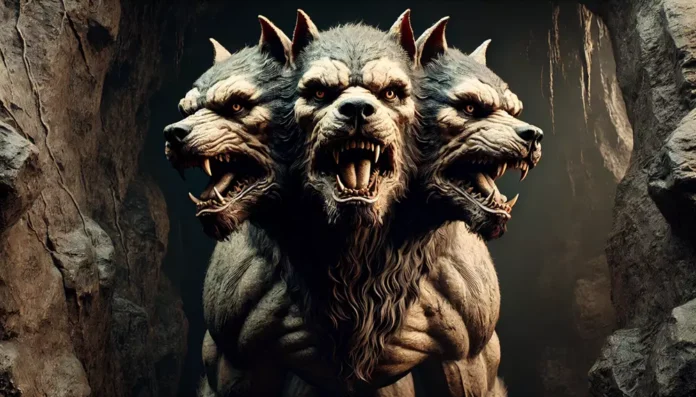
Cerberus, the multi-headed guard of the Underworld, prevented souls from escaping and warded off the living. Known for his...

  • Skills
Fear InducementIllusions & Perception
  • Weaknesses
Blessed WeaponDivine Restrictions
Asia
Mythical fox
Kitsune - Japanese Mythology
Japan

Kitsune

Kitsune are legendary fox spirits in Japanese folklore known for their shapeshifting abilities and mystical powers.
  • Skills
Animal MorphingShape Shifting
  • Weaknesses
Element SensitivitiesMagic Boundaries
Europe
Chaos Giant
Fenrir MythBeasts.com
Norway

Fenrir

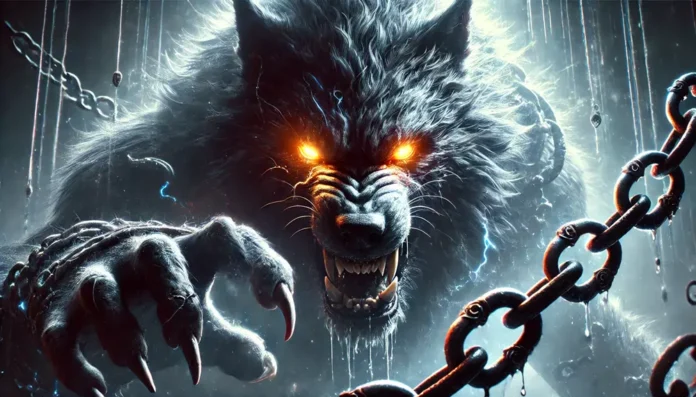
Fenrir, the giant wolf in Norse mythology, is destined to break free during Ragnarök and devour Odin, embodying chaos...

  • Skills
Physical StrengthRage Strength
  • Weaknesses
Blessed WeaponDivine Restrictions

Magic Seal – Overview

Magic Seal represents a mythological weakness that imposes a specific limitation on beings, objects, or forces. It acts as a structural vulnerability within mythological systems, delineating boundaries of power and ability. Unlike situational failures or incidental obstacles, Magic Seal embodies intrinsic constraints that are central to maintaining cosmic order and balance. It is neither a random flaw nor an accidental shortcoming but signifies an essential aspect of mythological narratives.Magic Seal is distinguished by its emphasis on inherent limitations, often rooted in cosmological, moral, or metaphysical principles. This weakness reflects a foundational understanding that power must be bounded for the universe’s harmony. In mythological contexts, Magic Seal is treated as a defining weakness, shaping the identity and narrative purpose of those it affects. Without this constraint, mythological beings risk becoming unchecked entities, disrupting the delicate balance of their worlds.

Defining Characteristics of the Weakness

Nature of the Limitation

Magic Seal predominantly represents a metaphysical restriction within mythologies. It often manifests as a boundary that prevents entities from surpassing their ordained limits. This constraint is not merely physical but entwines with existential constraints, suggesting a deeper, intrinsic bond between the being and its limitations. Such seals emphasize the necessity of maintaining cosmic equilibrium, ensuring that no single force or being monopolizes power.

Conditions of Exposure

Magic Seal becomes relevant under specific symbolic, moral, or cosmological conditions. These may include transgressing divine laws, violating cosmic balance, or failing to adhere to moral imperatives. Environmental factors might also trigger the seal, particularly when a being enters forbidden realms or invokes prohibited forces. Such conditions highlight the mythological importance of respect for sacred boundaries and moral laws.

Mythological Role and Function

Function Within Mythological Systems

The Magic Seal functions as a regulator of power within mythological systems, ensuring balance and preventing absolute dominance. It acts as a safeguard that preserves cosmic order, curbing potential disruptions to the universal equilibrium. This weakness enables the downfall of otherwise invincible beings, ensuring that narratives remain dynamic and meaningful. By enforcing these limitations, Magic Seal contributes to the mythological narrative’s moral and cosmological lessons.

Symbolic and Cultural Meaning

Symbolically, Magic Seal embodies the inevitability of limitation, reflecting moral consequences and sacred laws across cultures. It signifies the boundaries that protect against hubris and enforce humility, reminding beings of their place within the cosmic hierarchy. Culturally, it reinforces the concept of inevitable constraints that govern existence, serving as a profound metaphor for mortality and moral accountability in various mythological contexts.

Distinction from Related Mythological Weaknesses

Conceptual Boundaries

Magic Seal differs from general mortality, physical injury, and divine punishment by its inherent nature as a metaphysical boundary. Unlike divine punishment, which suggests retribution for wrongdoing, Magic Seal represents a built-in limitation that is preordained and essential. It is not interchangeable with situational defeat or taboo violation, as it is integral to a being’s existence and not contingent on external actions or circumstances.

Common Sources of Misclassification

Magic Seal is often misunderstood as an arbitrary flaw or mere narrative device, leading to misclassification with other vulnerabilities. Scholars distinguish it through its foundational role in mythological structure, emphasizing its necessity for maintaining cosmic and moral order. Comparative mythology clarifies these distinctions, highlighting the unique structural importance of Magic Seal as a core narrative element rather than a superficial constraint.

Canonical Beings Defined by Magic Seal

Sisyphus

Sisyphus, from Greek mythology, is defined by a Magic Seal that eternally binds him to the task of rolling a boulder uphill only for it to roll down each time. This seal serves as a symbol of futility and the consequences of deceit, offering moral lessons about hubris and punishment.

Fenrir

Fenrir, the Norse wolf, is bound by a Magic Seal that restricts his freedom until Ragnarok. This seal emphasizes the necessity of controlling destructive forces, ensuring that chaos does not prevail prematurely. Without this, Fenrir’s role in the mythological narrative would lack coherence.

Prometheus

Prometheus, known for stealing fire for humanity in Greek mythology, is constrained by a Magic Seal. His punishment, binding him to a rock where an eagle eats his liver daily, reinforces themes of divine retribution and cosmic balance. This seal underscores the limits of mortal defiance against divine order.

Historical Distribution and Cultural Context

Magic Seal appears in various cultures and historical periods, reflecting shared human concerns about regulation and power. It is prevalent in Greek, Norse, and Hindu mythologies, among others. These contexts illustrate its widespread role as a narrative and cosmological tool for maintaining order and balance. By embedding Magic Seal within their belief systems, cultures articulate a universal understanding of power’s limitations and the necessity of cosmic harmony.

Scholarly Interpretation and Uncertainty

Variation in Interpretation

Interpretations of Magic Seal vary significantly across cultures and historical periods. Some view it literally as a divine ordinance, while others see it symbolically as an expression of existential constraints. Scholarly frameworks often debate these interpretations, highlighting the diversity of perspectives on this mythological concept.

Limits of the Evidence

The evidence for Magic Seal in mythologies is sometimes ambiguous or contested. Scholars recognize gaps in historical records that complicate definitive interpretations. While established interpretations exist, many readings remain uncertain, requiring careful scholarly inquiry. No verified sources describe this for all contexts, emphasizing the need for cautious analysis.

Mythological Function Across Cultures

The recurrence of Magic Seal across different mythological traditions suggests shared symbolic needs and cosmological functions. It addresses universal concerns about power, balance, and morality, providing insights into human values and cultural priorities. Recognizing this weakness deepens comparative interpretations of mythological systems, revealing commonalities in how cultures conceptualize constraints and regulate cosmic order. This understanding enhances the appreciation of mythological narratives as reflections of universal human experiences.