back to top

Weak Reflexes

Relevant Beasts

Mississippian
Guardian Animal
The Piasa Bird - Native American folklore
Mississippian

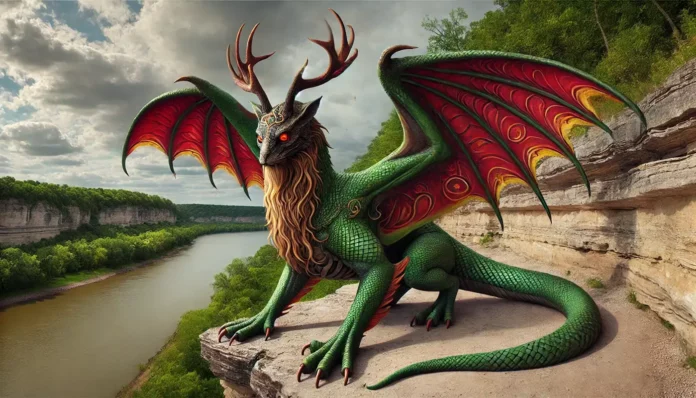
Piasa Bird

The Piasa Bird, a monstrous winged predator from Native American folklore, is said to dwell near the cliffs of...
  • Skills
CamouflageFire Breathing
  • Weaknesses
Blunt ForceLightning Damage
American West
Dark Fae
Jackalope north american-folklore
American West

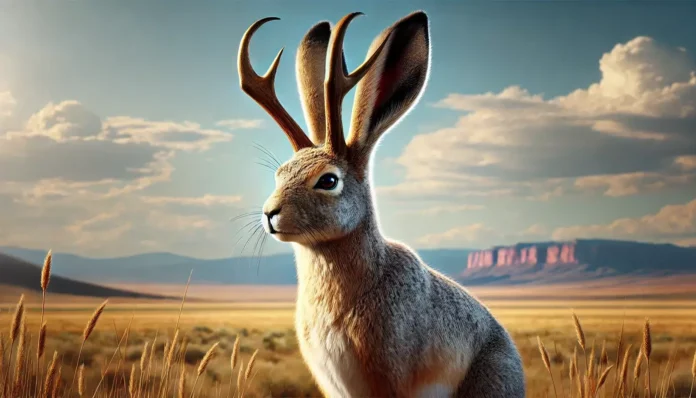
Jackalope

The Jackalope, a legendary North American creature, is described as a rabbit with antelope-like horns. Known for its cunning...
  • Skills
CamouflageEnhanced Agility
  • Weaknesses
High Altitude WeakPiercing Kill
Greece
Cyclopean Form
Cyclops - one-eyed giants
Greece

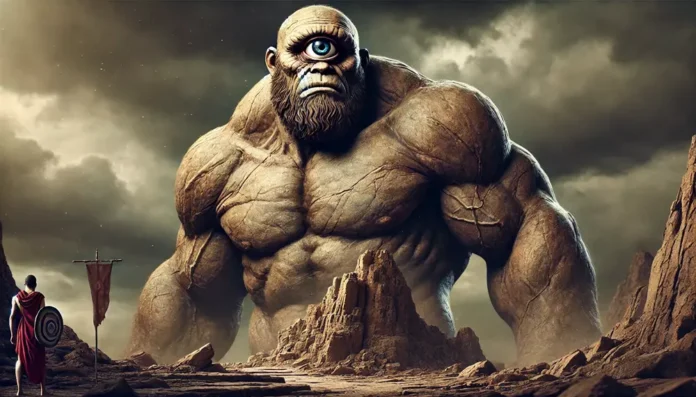
Cyclops

The Cyclops are one-eyed giants known for their immense strength and hostility towards humans. Famous for encounters with heroes,...

  • Skills
Physical StrengthRage Strength
  • Weaknesses
Weak Reflexes

Weak Reflexes - an Overview

Weak Reflexes in mythological contexts refer to an inherent limitation or vulnerability exhibited by certain beings or creatures. This deficiency signifies a reduced capacity for rapid or effective response to environmental stimuli or threats. In mythological narratives, such weaknesses often symbolize a being's reliance on other strengths or powers and may illustrate the balance between abilities and vulnerabilities that define its character. This weakness serves as a narrative tool to explore themes of hubris, humility, and the inherent limitations that even the most powerful entities face within mythological frameworks.

Nature of the Vulnerability

How the Weakness Manifests

Within mythological systems, Weak Reflexes typically manifest as a noticeable delay or inefficiency in responding to sudden changes or attacks. Affected beings may appear slower to react, allowing adversaries opportunities that would not exist against those with normal reflexes. This portrayal highlights the inherent limitations of such beings, emphasizing that their power is not absolute and that vulnerability is a universal trait, even among the divine or mythical.

Conditions and Triggers

The manifestation of Weak Reflexes is often contingent upon specific conditions or environmental factors. These may include certain times of day, phases of the moon, or proximity to specific substances that dampen reflexive responses. The weakness may also be linked to emotional states, such as fear or indecision, which can further inhibit the being's ability to react swiftly. Such conditions underscore the variable nature of mythological powers and vulnerabilities, highlighting the complex interplay between environment and innate traits.

Mythological Role and Meaning

Symbolic or Cultural Significance

The symbolic significance of Weak Reflexes often lies in its representation of the balance between power and vulnerability. In many cultures, this weakness embodies the moral lesson that no being is without flaw or Achilles' heel. It serves as a reminder of the importance of humility and the dangers of overconfidence. The weakness also reflects the idea that greatness often comes with inherent limitations, emphasizing a need for balance in the mythological universe.

Function Within Mythological Systems

Within mythological systems, weaknesses like Weak Reflexes serve to define the boundaries of a creature's power and highlight the necessity for balance in storytelling. They reinforce the idea that even the most potent beings can be defeated or outmaneuvered under the right conditions. By providing a narrative counterbalance to a creature's strengths, these weaknesses ensure that mythological narratives remain engaging and complex, fostering a dynamic interplay between strength and vulnerability.

Canonical Beasts Associated with This Weakness

Minotaur - Greek Mythology

The Minotaur, originating from Greek mythology, is often depicted with a focus on brute strength rather than agile reflexes. This characteristic reflects the creature's role in narratives emphasizing strength over speed, highlighting a reliance on power.

Golem - Jewish Folklore

In Jewish folklore, the Golem is an artificial being made of clay, animated through mystical rituals. Its slow, ponderous movement and delayed reactions symbolize the limitations of human control over creation and the inherent flaws in artificial life.

Fafnir - Norse Mythology

Fafnir, a dragon in Norse mythology, is associated with immense strength and greed but is limited by its sluggishness. This weakness makes it vulnerable to cunning heroes, emphasizing strategic thinking over brute force in overcoming adversaries.

Cultural Distribution and Variations

Weak Reflexes appear across various cultures with different interpretations. In Greek myths, these weaknesses emphasize the fallibility of mighty beings, while in Norse traditions, they teach cunning over strength. Each culture frames this limitation uniquely, reflecting diverse moral and philosophical perspectives. Understanding these cultural variations helps to appreciate the richness of mythological discourse and the universal themes that connect different traditions through shared narratives of power and vulnerability.

Relationship to Other Mythological Weaknesses

Commonly Associated Limitations

Weak Reflexes often accompany other vulnerabilities, such as susceptibility to specific elements or enchantments that exacerbate existing limitations. For example, creatures with Weak Reflexes might also be weakened by magical restraints or environmental conditions that further hinder their mobility or reaction time. This combination underscores the interconnectedness of mythological weaknesses, creating complex narratives that explore the multiplicity of challenges faced by mythical beings.

Distinction from Similar Vulnerabilities

Unlike vulnerabilities based on physical strength or endurance, Weak Reflexes specifically affect reaction time and situational awareness. This distinction is crucial, as it separates reflexive limitations from other forms of weakness, such as susceptibility to physical harm or magical influence. While other vulnerabilities might impact a creature's overall power, Weak Reflexes uniquely emphasize a being's limitations in responding to immediate threats. By maintaining these distinctions, mythological narratives preserve the diversity of weaknesses that define and differentiate mythical beings.

Scholarly Interpretation and Uncertainty

Literal and Symbolic Readings

Scholars interpret Weak Reflexes both literally, as a plot mechanism, and symbolically, as a reflection of deeper moral lessons. Ritual and metaphorical dimensions are examined to understand how these weaknesses convey broader themes of humility and balance. Interpretations may vary, with some scholars focusing on the narrative function while others explore cultural symbolism. This dual approach enriches our understanding of mythological texts and their enduring relevance.

Limits of Historical Evidence

While Weak Reflexes are a recognized concept in mythological studies, there are gaps in historical records. No verified sources describe this for every cultural context, and regional bias may influence interpretations. Scholars must rely on a combination of textual evidence and cultural analysis to reconstruct the role these weaknesses play in mythology. Acknowledging these limitations is crucial for maintaining academic integrity and avoiding speculative interpretations.

Taxonomic Relevance

Weak Reflexes function as a vital classification category within mythological taxonomy by illuminating the dynamic interplay between power and vulnerability. This classification aids in organizing mythological beings across traditions, offering insights into their roles and limitations. By focusing on reflexes, this category highlights unique aspects of mythical beings, contributing to a nuanced understanding of their place within cultural narratives.