
back to top

Cursed Being

Cursed Being: entities defined by shared misfortune and symbolic roles in myths, embodying themes of punishment and transformation.

Relevant Beasts
Asia
Cursed Being
Taotie - Chinese Folklore
China

Taotie

The Taotie is a monstrous entity known for its insatiable hunger, symbolizing greed and excess in Chinese culture.

  • Skills
Energy AbsorptionFear Inducement
  • Weaknesses
Hunger WeakIron Cut

Cursed Being – Overview

Cursed Beings are a mythological beast type characterized by their transformative and often malevolent nature, integrating themes of punishment and supernatural affliction. This conceptual category includes various entities across mythologies, marked by curses that alter their state or role within the world. Such beings often embody fear and taboo, existing on the fringes of the natural order. They challenge cultural norms and serve as reminders of the consequences of human transgressions or divine wrath. Their presence in mythological narratives often underscores themes of morality, fate, and retribution.

Defining Characteristics

Physical Form and Morphology

Cursed Beings frequently display altered physical forms, reflecting their cursed status. Common attributes include grotesque or hybridized features, such as animalistic or distorted human traits. These transformations symbolize their metaphysical and social deviation from the norm. The visual form of these entities often reflects the nature of their curse, serving as a physical manifestation of their affliction. Such beings might possess elongated limbs, twisted features, or hybrid characteristics, which emphasize their liminal and unnatural status within the mythological landscape.

Ontological Nature

Ontologically, Cursed Beings are perceived as occupying a space between realms, often existing as supernatural or liminal entities. They blur the boundaries between human, animal, and divine, highlighting their complex role within the mythological order. Their existence frequently symbolizes the disruption of natural or metaphysical laws, challenging the stability of established cosmologies. As entities subject to curses, they embody themes of imbalance, serving as reminders of the fragility of the human condition and the capriciousness of fate or divine judgment.

Mythological Role and Function

Place in Mythological Systems

Within mythological systems, Cursed Beings often embody the consequences of breaking sacred or social codes. They interact with deities, humans, and natural forces, serving as agents of retribution or cautionary figures. Their presence reinforces moral frameworks and cosmological boundaries, illustrating the interplay between human actions and divine will. They may serve as adversaries to heroes or as reminders of divine justice, reinforcing societal values and encouraging adherence to cultural norms. Their roles frequently bridge the mortal and divine, illustrating the interconnectedness of all realms within mythological narratives.

Perception and Meaning

Cultures typically perceive Cursed Beings as manifestations of divine punishment or moral transgression. They are seen as omens or embodiments of chaos, embodying the breakdown of societal or natural order. Symbolically, they represent the dangers of hubris, disobedience, or taboo, serving as warnings against transgression. Despite their fearsome nature, they also function as mediators between the human and the divine, illustrating the complex interplay of fate, choice, and cosmic balance. Their symbolic meaning often transcends simple narrative roles, contributing to broader interpretative frameworks within mythologies.

Distinction from Related Beast Types

Conceptual Boundaries

Cursed Beings differ from elemental or undead entities through their intrinsic connection to a curse, which defines their existence. Unlike elemental beings, they do not embody natural forces but rather the consequences of violating them. Their distinction lies in the transformative nature imposed by the curse, which separates them from spirits or humanoid monsters that might exist independently of such afflictions. This emphasis on curse-driven transformation sets them apart, underscoring their unique role within mythological taxonomies.

Common Sources of Confusion

Confusion often arises when differentiating Cursed Beings from other supernatural entities, such as demons or spirits. This stems from overlapping attributes like supernatural power and moral ambiguity. Scholars address these overlaps by focusing on the origin of the being’s nature; for Cursed Beings, their identity is inseparable from the curse itself. Comparative mythology often highlights this distinction, emphasizing the causal relationship between the curse and the entity’s role or form. Clarifying these boundaries aids in understanding their specific place within diverse mythological cultures.

Canonical Beasts Associated with This Beast Type

Lycanthrope

Originating in European folklore, lycanthropes are quintessential Cursed Beings transformed into wolves by a curse. This transformation embodies themes of uncontrolled savagery and moral transgression, reflecting human fears of losing self-control.

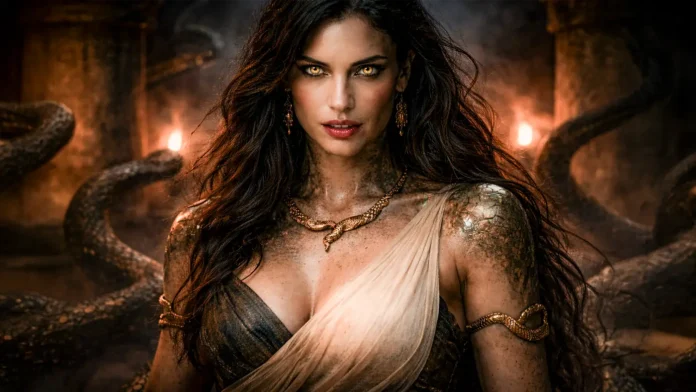
Lamia

In Greek mythology, Lamia is a cursed figure transformed into a child-devouring monster due to divine wrath. This exemplifies the curse’s role in altering form and function, reinforcing moral lessons on divine retribution.

Nue

The Nue from Japanese folklore is another example. It combines various animal traits, symbolizing chaos. It is considered a Cursed Being due to its hybrid nature and associations with ill omens, highlighting the curse’s transformative impact.

Historical Distribution and Cultural Context

Cursed Beings appear across numerous cultures, from Greek and Roman traditions to Norse and Asian mythologies. They often arise in periods marked by societal or environmental upheavals, reflecting collective anxieties. Their presence is prevalent in agrarian societies, where they illustrate the consequences of defying natural or divine laws. Across historical contexts, these beings serve as vessels for expressing cultural fears and reinforcing social mores. Their recurrence in diverse regions underscores a universal engagement with issues of morality, power, and the human condition, illustrating shared mythological concerns.

Scholarly Interpretation and Uncertainty

Variation in Definitions

Scholars note that definitions of Cursed Beings vary, reflecting cultural contexts. While some traditions emphasize their punitive aspects, others highlight their role as cautionary figures. These differences illustrate the flexibility of mythological interpretation. Cultural and temporal variations influence how curses are perceived and interpreted, leading to diverse depictions across mythologies. Academic frameworks often attempt to categorize these beings, but interpretive boundaries remain fluid, reflecting broader themes within folklore and mythology.

Limits of Available Evidence

Available evidence on Cursed Beings remains limited, with gaps in historical and cultural records contributing to interpretive challenges. No verified sources consistently detail their nature across traditions, highlighting the speculative nature of some reconstructions. Scholars must rely on fragmented texts and oral traditions, leading to varying interpretations and debates. This uncertainty necessitates cautious analysis, ensuring that interpretations remain grounded in documented sources. Recognizing these limitations allows for a more nuanced understanding of the mythological significance of Cursed Beings.

Mythological Role Across Cultures

Cursed Beings recur across mythologies due to their embodiment of universal human experiences, such as fear, punishment, and moral transgression. These beings address cultural needs for explanations of suffering or chaos, operating as symbols within broader moral and cosmological systems. Their persistence across diverse traditions highlights shared human concerns with fate, justice, and the consequences of transgression. Understanding their role aids in comparative mythology, revealing how different cultures articulate similar existential anxieties and moral themes through their mythological narratives.