back to top

Ghostly Apparition

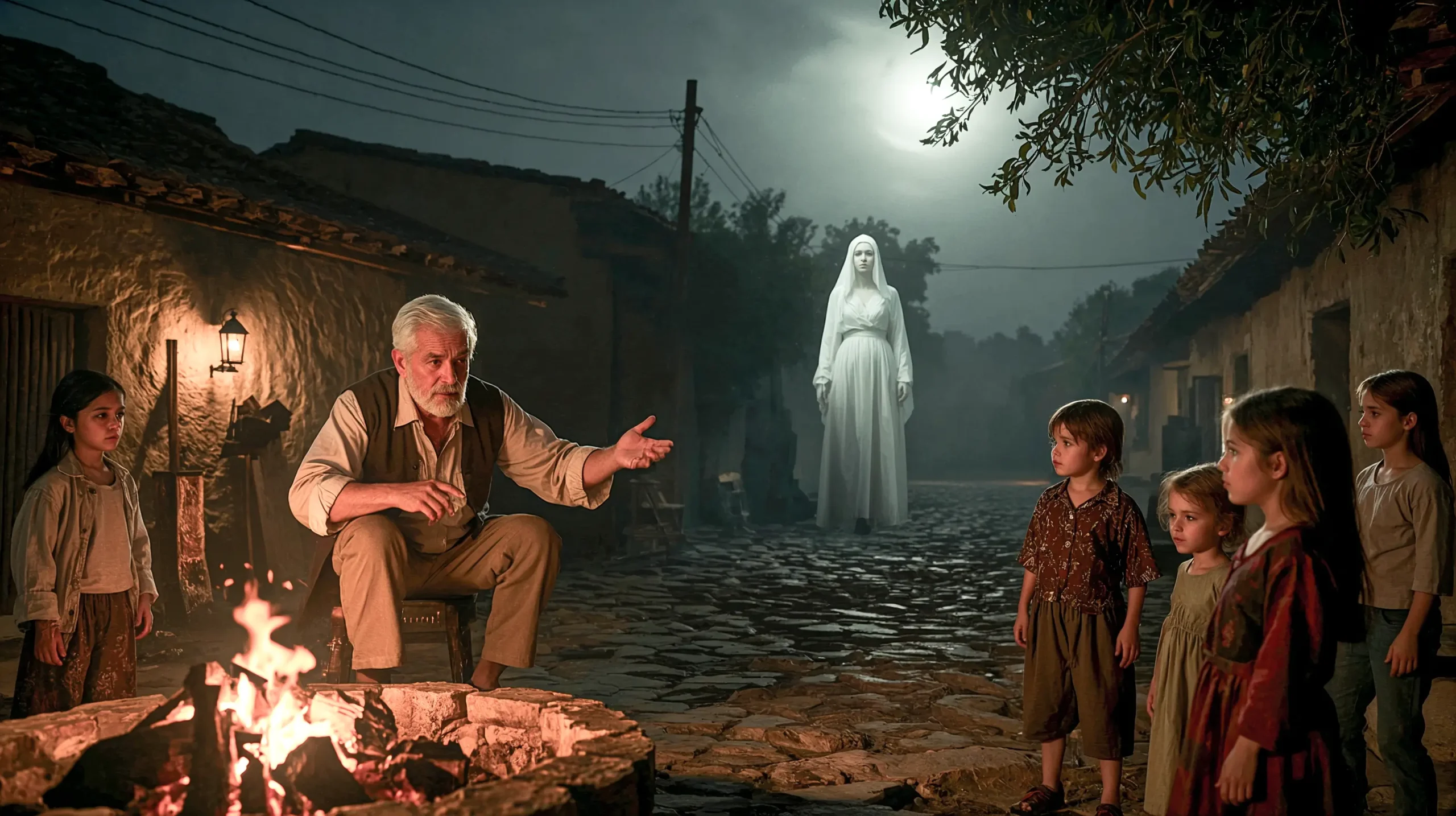
Ghostly Apparition explores ethereal beings defined by their intangible presence and symbolic roles across various mythological traditions.

Relevant Beasts

Celtic
Ghostly Apparition
Banshee - Celtic folklore
Celtic

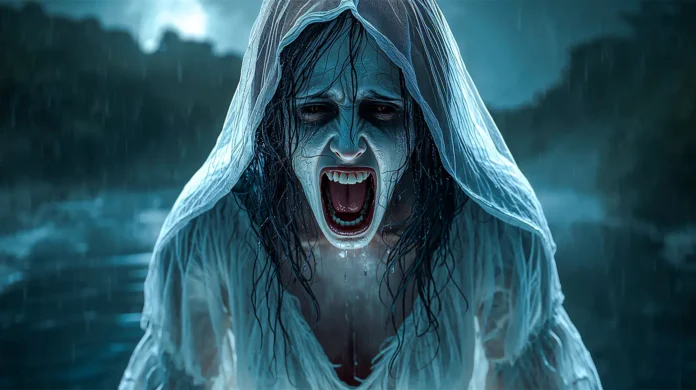
Banshee

The Banshee is a legendary figure rooted deeply in Irish mythology, recognized primarily for her mournful wail that is...
  • Skills
Death & NecromancyDeath Sense
  • Weaknesses
Divine RestrictionsHoly Ground
Mexico
Ghostly Apparition
La Llorona - Mexican Folklore ghost stories
Mexico

La Llorona

A cursed ghostly woman of Mexican folklore, La Llorona eternally wanders riverbanks, weeping for her lost children and luring...

  • Skills
Aura of DeathDeath Sense
  • Weaknesses
Divine RestrictionsMortal Flaws
Celtic
Ghostly Apparition
Bean Nighe - Scotish Folklore
Celtic

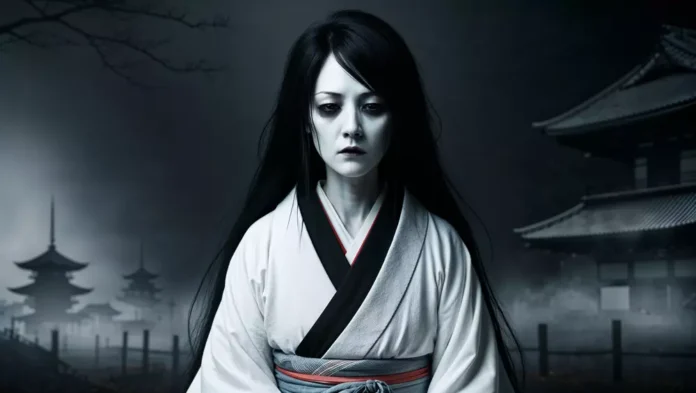
Bean Nighe

The Bean Nighe is a Scottish spirit from Celtic lore, known as a harbinger of death who washes bloodied...
  • Skills
Death & NecromancyDeath Sense
  • Weaknesses
Blessed WeaponDivine Restrictions
Asia
Ghostly Apparition
Japan

Yurei

Yurei are spirits from Japanese folklore, often depicted as ghostly figures that haunt the living, embodying themes of vengeance,...

  • Skills
Death & NecromancyFear Inducement
  • Weaknesses
Charm BlockedDivine Restrictions
Asia
Ghostly Apparition
Japan

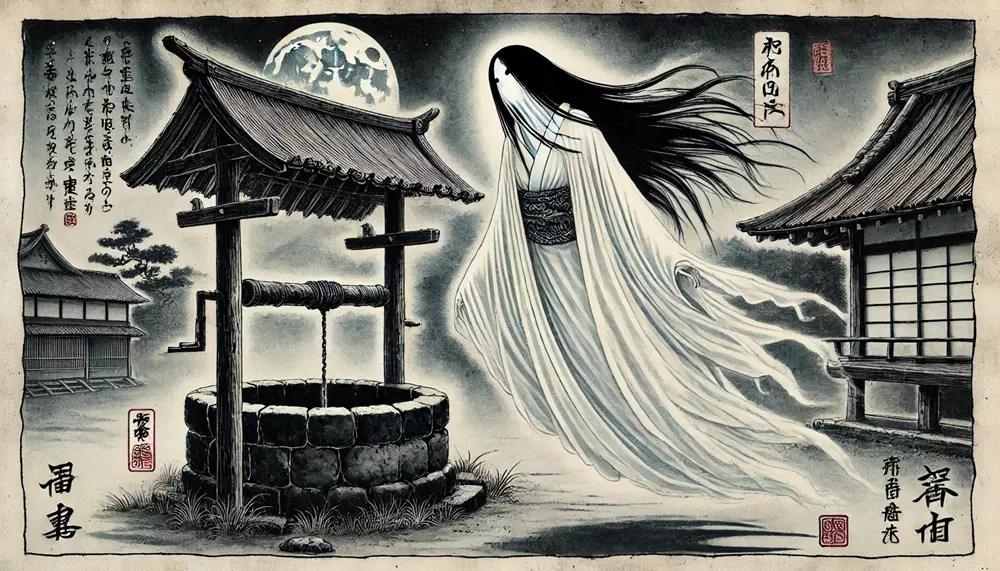
Teke Teke

Teke Teke is a vengeful spirit from modern Japanese urban legends. It represents fears of modernization and industrial accidents,...

  • Skills
Illusions & PerceptionSpeed
  • Weaknesses
Daylight BoundPhysical Exhaustion

Ghostly Apparition – Overview

The Ghostly Apparition represents a mythological beast type characterized by its ethereal presence and transcendence of the mortal plane. These entities often symbolize the boundary between life and death, appearing across various cultural traditions. They typically manifest as insubstantial forms that evoke both fear and reverence, bridging the seen and unseen worlds. Their roles within mythological thought vary widely, from harbingers of doom to benevolent guides, reflecting a culture’s perception of the afterlife and spiritual existence.

Defining Characteristics

Physical Form and Morphology

Ghostly Apparitions generally possess an insubstantial, often translucent form, sometimes appearing as mist or shadow. They are frequently depicted without definitive physical boundaries, lacking the corporeal solidity of living beings. This visual ambiguity reinforces their mysterious and otherworldly nature. Despite their lack of physicality, they can often be perceived by the living, often in dim or liminal spaces such as twilight or haunted sites.

Ontological Nature

In mythological contexts, Ghostly Apparitions are perceived as liminal entities that occupy the space between the living and the dead. They are often not bound by physical laws, capable of appearing and disappearing at will. This ethereal quality emphasizes their role as spiritual messengers or symbols of unresolved events. Their existence challenges the natural order, prompting questions about mortality and the afterlife.

Mythological Role and Function

Place in Mythological Systems

Ghostly Apparitions play a critical role in mythological systems by acting as intermediaries between the mortal world and the divine or nether realms. They often serve to convey messages from the deceased, warn of impending danger, or guide lost souls. Their presence within a mythological framework reflects cultural attitudes towards death and the continuity of the soul, often embodying moral or existential lessons.

Perception and Meaning

Cultures typically perceive Ghostly Apparitions in dual roles: as ominous presences heralding misfortune or as protective spirits offering guidance and insight. Their symbolic functions are deeply rooted in the cultural interpretation of death and spirituality. They often embody abstract concepts like memory, regret, or destiny, with their manifestations intimately tied to the moral and ethical values of a society.

Distinction from Related Beast Types

Conceptual Boundaries

Ghostly Apparitions are distinct from elemental beings, which are closely tied to natural forces, and from undead entities, which are often corporeal. Unlike humanoid monsters, they lack a physical form and are not driven by earthly desires. While some animal-based creatures may have ethereal qualities, Ghostly Apparitions remain uniquely tied to spiritual and existential themes rather than physical or animalistic traits.

Common Sources of Confusion

This beast type is often conflated with spirits or wraiths due to their insubstantial form. However, Ghostly Apparitions are distinguished by their specific role as intermediaries between realms, rather than mere undead presences. Scholars distinguish them by examining their cultural context and mythological function, emphasizing their role in mediating between life and death, and their broader symbolic significance.

Canonical Beasts Associated with This Beast Type

Banshee

The Banshee, who is said to have been heard crying by the River Shannon
Originating from Celtic mythology, the Banshee is a classic example of a Ghostly Apparition. Known for her mournful wail, she signifies an impending death in the family. Her ethereal form and ominous presence encapsulate the transition between life and the afterlife. Read more

Yurei

Yūrei - Japanese Ghost folklore
Yūrei – Japanese Ghost folklore
In Japanese folklore, the Yurei are spirits unable to find peace. They manifest as translucent figures, often bound to the location of their death. Their existence highlights unresolved emotional conflicts and the importance of spiritual rituals for closure. Read More

La Llorona

La Llorona shapes childhood warnings, community storytelling, and public memory. Parents retell her legend to teach caution near dark waterways.
From Latin American folklore, La Llorona is a ghostly figure doomed to wander after losing her children. Her mournful cries embody themes of loss and redemption, illustrating the Ghostly Apparition’s role in personal and communal moral narratives. Read More

Historical Distribution and Cultural Context

The concept of Ghostly Apparitions spans numerous cultures, including European, Asian, and American traditions. They often emerge during periods of societal upheaval or profound cultural transformation, reflecting collective anxieties about death and the afterlife. These entities are prevalent in folklore from the Middle Ages to the present, illustrating their enduring relevance in human psychology and cultural expression.

Scholarly Interpretation and Uncertainty

Variation in Definitions

Scholars debate the boundaries of what constitutes a Ghostly Apparition, with definitions varying by cultural and historical context. Some view them strictly as spiritual messengers, while others see them as broader symbols of existential anxiety. These interpretations often reflect the evolving scholarly frameworks and methodologies used in comparative mythology and cultural studies.

Limits of Available Evidence

The study of Ghostly Apparitions is limited by the scarcity of primary sources and the interpretative nature of folklore. Many accounts are transmitted orally, leading to variations and embellishments. Scholars must rely on comparative analysis and cross-cultural studies to piece together coherent interpretations, acknowledging gaps in the historical and mythological record where evidence is lacking.

Mythological Role Across Cultures

Ghostly Apparitions recur across mythologies due to their embodiment of universal themes, such as the fear of death, the hope for an afterlife, and the desire for spiritual guidance. They address fundamental human concerns, facilitating cultural dialogue about mortality and morality. Recognizing their role across cultures enhances our understanding of shared human experiences and the symbolic language of myth.