Mythic Dog - an Overview
The Mythic Dog category encompasses a variety of mythological beings often characterized by their canine features and roles within cultural narratives. These entities appear in legends across the globe, serving various symbolic functions. They are not limited to mere animals but often exhibit qualities that transcend the natural world. Their classification as Mythic Dogs arises from consistent themes of loyalty, protection, and spiritual symbolism found in numerous cultural contexts. These creatures are often intermediaries between worlds, communicating messages or enforcing spiritual laws. The Mythic Dog serves as a broad category for understanding canine figures in myth.Defining Characteristics
Physical Form and Morphology
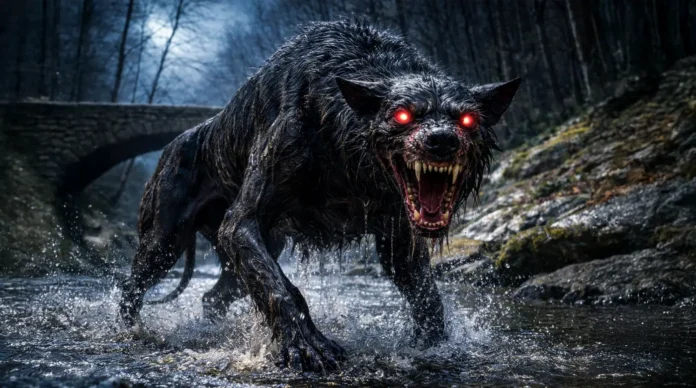
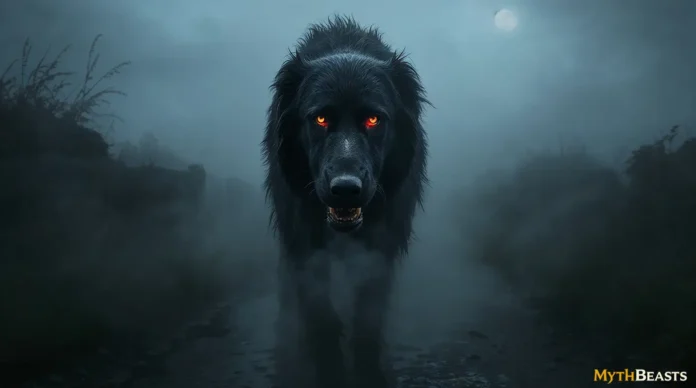
Mythic Dogs often possess exaggerated canine features, sometimes combining elements of other animals or supernatural traits. They may have glowing eyes, ethereal fur or an imposing stature, emphasizing their otherworldly nature. These creatures commonly appear as larger-than-life versions of domestic dogs, exhibiting traits such as heightened senses or supernatural strength. In some traditions, they may have multiple heads or tails, adding to their mystical aura. Such physical forms help to distinguish them from ordinary animals and underscore their mythological significance.Ontological Nature
Mythic Dogs are typically considered supernatural or spiritual entities, often bridging the gap between the human world and spiritual realms. They may serve as guides, guardians, or omens, embodying qualities that transcend the physical. Some traditions view them as cosmic beings, influencing natural events or human destinies. Their ontological status often reflects a blend of natural and supernatural attributes, allowing them to interact with both realms. In some narratives, they are depicted as hybrid creatures, possessing both animal and divine characteristics, which highlights their complex mythological roles.Mythological Role and Function
Place in Mythological Systems
Within mythological systems, Mythic Dogs often function as protectors of sacred spaces or guide souls to the afterlife. Their presence in myths symbolizes loyalty, courage, and the safeguarding of spiritual boundaries. They are often associated with deities or serve as companions to heroes, aiding in quests or offering wisdom. In many traditions, they act as mediators between gods and humans, conveying messages and enforcing divine will. Their roles in myths reflect a deep cultural respect for canine qualities and their perceived spiritual significance.Perception and Meaning
Culturally, Mythic Dogs are seen as both benevolent guardians and harbingers of doom, depending on the context. They might be revered as sacred animals or feared as omens of death, influencing societal behaviors and beliefs. In some cultures, they represent protection and fidelity, embodying virtues that reinforce social values. Conversely, they might warn of impending danger, serving as cautionary figures urging humans to heed spiritual warnings. This dual perception highlights the complexity of their mythological roles and their impact on cultural narratives.Distinction from Related Beast Types
Classification Boundaries
Mythic Dogs differ from other beast types by their unique combination of canine morphology and spiritual symbolism. Unlike elemental or spirit entities, they retain a strong connection to animal iconography while embodying deeper mythological themes. Unlike undead or humanoid creatures, Mythic Dogs maintain their distinct animalistic identity, even when interacting with humans or deities. Their classification is further defined by their consistent portrayal as intermediary figures, unlike purely animal-based or monstrous entities. This distinctiveness is crucial for accurate mythological categorization.Common Sources of Confusion
Confusion often arises when Mythic Dogs are conflated with werewolves or other shape-shifting entities. However, Mythic Dogs typically retain their canine form and do not possess transformative abilities. Scholars distinguish them by emphasizing their specific roles in myths and spiritual traditions. Additionally, their consistent portrayal as guides or guardians differentiates them from purely predatory or chaotic creatures. Understanding these distinctions helps clarify their unique place within mythological studies and prevents misclassification with other canine-related myths.Canonical Beasts Associated with This Beast Type
Cerberus
Originating in Greek mythology, Cerberus is a three-headed dog guarding the entrance to the Underworld. His role as a guardian exemplifies the Mythic Dog’s protective function, preventing the dead from leaving.Garmr
In Norse mythology, Garmr is a watchdog associated with Ragnarök, guarding Hel's realm. His presence as an omen of the apocalypse highlights the Mythic Dog’s role in foretelling critical events.Black Shuck
Black Shuck, from English folklore, is a spectral black dog known to roam the countryside. As an omen of death, he represents the ominous aspect of the Mythic Dog classification, warning of misfortune.Historical Distribution and Cultural Context
The Mythic Dog appears in diverse cultures, from ancient Greece to Scandinavian and British folklore. They frequently emerge in societies where dogs held significant roles, such as hunting or spiritual companionship. While the specific narratives differ, their symbolic functions as protectors, guides, or omens remain consistent. Their global presence highlights a shared cultural appreciation for canine symbolism, despite local variations in myth. Understanding this distribution aids in recognizing common themes across mythological traditions.Scholarly Interpretation and Uncertainty
Variation in Definitions
Scholars often debate the boundaries of the Mythic Dog category, with some interpretations expanding to include canine deities or shape-shifters. Definitions may vary based on cultural context, academic discipline, or interpretive framework. Some traditions emphasize their protective nature, while others highlight their role as omens, leading to differing scholarly perspectives. These variations demonstrate the complexity of defining mythological classifications and the need for careful analysis of cultural narratives.Limits of Available Evidence
Despite the rich mythological record, gaps exist in understanding the full range of Mythic Dog traditions. Many myths lack detailed documentation, and some interpretations rely on fragmentary or second-hand sources. Scholarly debates continue over the origins and meanings of specific narratives, with limited archaeological or textual evidence to corroborate theories. Acknowledging these uncertainties encourages cautious interpretation and highlights the need for ongoing research in mythological studies.Taxonomic Relevance
Classifying beings as Mythic Dogs allows for a nuanced understanding of their roles across cultures and enhances comparative mythology studies. This category helps organize diverse narratives under common themes, facilitating cross-cultural analysis. By highlighting their unique combination of canine features and spiritual symbolism, the Mythic Dog classification aids in identifying patterns and connections between seemingly disparate myths. This taxonomic approach supports a comprehensive view of mythological traditions, fostering deeper insights into cultural beliefs.