back to top

Nightmare Stalker

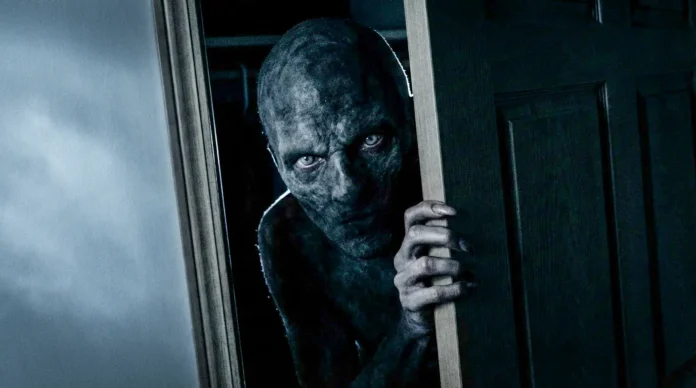
Nightmare Stalker gaunt, shadow-clad nocturnal hunters, breath reeking of sleep-rot, presence feeding on mortal terror and lingering after broken rest

Relevant Beasts
North America
Abyssal Guardian
Beholder - dungeons & dragons
USA

Beholder

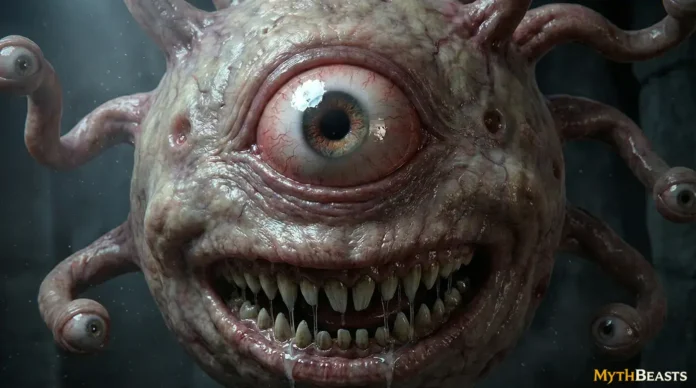
Beholders are otherworldly creatures with a central eye and many smaller eye stalks, each capable of casting powerful magical...

  • Skills
Life DrainMind Control
  • Weaknesses
Anti-MagicLight

Nightmare Stalker – Overview

Nightmare Stalkers are mythological entities characterized by their capacity to invade dreams, often bringing fear or dread. They are not mere monsters, but complex beings with specific cultural functions and symbolic meanings.

These entities frequently serve as metaphors for psychological or spiritual struggles within various cultures. The Nightmare Stalker type often represents themes of anxiety, subconscious fears, or moral dilemmas, reflecting deep-seated human concerns.

Across cultures, Nightmare Stalkers are defined not by a singular appearance or form, but by their role in influencing the dream world and the emotional states of dreamers. They usually embody a connection between the conscious and unconscious minds.

Defining Characteristics

Physical Form and Morphology

Nightmare Stalkers are typically depicted with shadowy or amorphous forms, allowing them to blend seamlessly into the dreamscape. Their appearance often mirrors the psychological nature of the fears they manifest.

Some traditions portray them with exaggerated features, such as elongated limbs or distorted faces, enhancing their unsettling presence. These traits emphasize their capability to distort reality and manipulate perception.

Despite their varied appearances, Nightmare Stalkers consistently reflect the abstract and fluid nature of nightmares themselves. Their lack of a fixed form often signifies the elusive and intangible quality of dreams and fears.

Ontological Nature

Nightmare Stalkers are typically considered supernatural entities, existing primarily within the realm of dreams and the mind’s shadows. They operate at the boundary between the material and immaterial worlds.

These beings are often seen as liminal figures, bridging conscious and unconscious states. Their presence highlights the permeable boundary between waking life and the dream world, reflecting deeper metaphysical questions.

In many mythologies, Nightmare Stalkers are not independent creatures but manifestations of internal anxieties or moral conflicts. Their existence challenges the perceived stability of personal and collective reality.

Mythological Role and Function

Place in Mythological Systems

Nightmare Stalkers often embody chaos or disorder within mythological systems, contrasting with the order imposed by gods or cosmic laws. They may serve as cautionary figures or tests of character for dreamers.

In some traditions, they interact with deities or spiritual forces, acting as agents of divine will or cosmic balance. Their roles may include delivering warnings or enforcing karmic justice through dreams.

Their influence extends beyond individuals, affecting communities by embodying collective fears or societal anxieties. In this way, Nightmare Stalkers function as a barometer for the community’s moral and spiritual health.

Perception and Meaning

Cultures perceive Nightmare Stalkers in varied ways, often reflecting attitudes toward fear and the unknown. Some view them as protective forces, warding off greater evils by confronting latent anxieties.

Conversely, they may be seen as malicious entities, preying on vulnerable minds during sleep. This duality underscores their role as embodiments of inner conflict and the unpredictable nature of dreams.

Symbolically, Nightmare Stalkers often represent the confrontation with one’s darker self or unresolved issues. They can signify both danger and opportunity for growth, encouraging self-reflection and resolution.

Distinction from Related Beast Types

Conceptual Boundaries

Nightmare Stalkers differ from elemental beings, which are typically tied to natural forces, whereas Nightmare Stalkers operate within the psychological sphere. Their realm is dream-based, not elemental or terrestrial.

Unlike spirits or ghosts, Nightmare Stalkers specifically target the dream realm, rather than the living world. Their interactions are focused on the subconscious, setting them apart from spirits that haunt or possess.

They also differ from undead entities, which are bound to the physical plane. Nightmare Stalkers have no corporeal body to reanimate, existing instead as psychological constructs or supernatural phenomena.

Common Sources of Confusion

Nightmare Stalkers are sometimes confused with other dream-related entities, such as dream spirits or sleep demons, due to their shared domain. However, each type has distinct roles and characteristics.

Scholars differentiate them by emphasizing Nightmare Stalkers’ focus on fear and chaos rather than guidance or protection. Their role is primarily disruptive, contrasting with the often benevolent intentions of dream spirits.

Comparative mythology highlights these distinctions by examining their narrative functions and symbolic meanings across cultures. This analytical approach clarifies boundaries and aids in precise classification.

Canonical Beasts Associated with This Beast Type

Mare

The Mare from Germanic folklore is a classic example of a Nightmare Stalker. Known for sitting upon sleepers’ chests, it suffocates and induces terrifying dreams, embodying subconscious fear and anxiety.

Baku

In Japanese mythology, the Baku is often called a dream eater. While sometimes seen as a protective figure, it embodies the dual nature of Nightmare Stalkers by consuming both good and bad dreams indiscriminately.

Alp

The Alp, a Germanic creature, invades dreams to cause night terrors. Its ability to shapeshift into small animals emphasizes the adaptability and elusive nature typical of Nightmare Stalkers.

Historical Distribution and Cultural Context

Nightmare Stalkers appear across diverse cultures, including European, Asian, and African traditions. Their presence spans historical periods, often flourishing in times of societal stress or upheaval.

These entities frequently surface in folklore during periods of cultural transition, reflecting collective anxieties about change. They adapt to the symbolic needs of each era, maintaining relevance across temporal boundaries.

In agrarian societies, they often symbolize disruptions to natural cycles, while in urban settings, they may represent the chaos of modern life. This adaptability underscores their enduring presence in human consciousness.

Scholarly Interpretation and Uncertainty

Variation in Definitions

Scholars debate the precise definition of Nightmare Stalkers, as interpretations vary across cultures. Some view them as purely psychological constructs, while others emphasize their supernatural aspects.

These variations stem from differing cultural frameworks and historical contexts. In some traditions, Nightmare Stalkers are deeply spiritual entities, whereas others treat them as symbolic of internal psychological states.

Academic frameworks also influence definitions, with some focusing on narrative roles and others on symbolic meanings. This diversity of perspectives enriches the study of Nightmare Stalkers.

Limits of Available Evidence

There is limited direct evidence regarding Nightmare Stalkers, as they primarily exist within folklore and oral traditions. Scholars rely on comparative analysis to piece together their roles and characteristics.

The absence of concrete descriptions often leads to interpretative challenges. Despite these limitations, the recurring motifs and themes associated with Nightmare Stalkers provide a foundation for understanding.

Ongoing research in folklore and mythology continues to refine our understanding of these entities. However, gaps remain, and interpretations must be approached with caution and scholarly rigor.

Mythological Role Across Cultures

Nightmare Stalkers recur across cultures due to their embodiment of universal human fears and anxieties. They serve as mirrors to the subconscious, prompting reflection on personal and societal concerns.

This type of beast addresses the symbolic need to confront and integrate shadow aspects of the self. Their role in mythology facilitates discussions about morality, identity, and the nature of reality.

By examining Nightmare Stalkers, scholars gain insights into the psychological and cultural functions of mythological systems. Their study enhances our understanding of how myths reflect and shape human experience.