
back to top

Oceanic Being

Oceanic Being encompasses mythological creatures tied to the sea, defined by aquatic traits and symbolic roles in various cultural myths.

Relevant Beasts
Europe
Oceanic Being
mermaid - greek-mythology
Greece

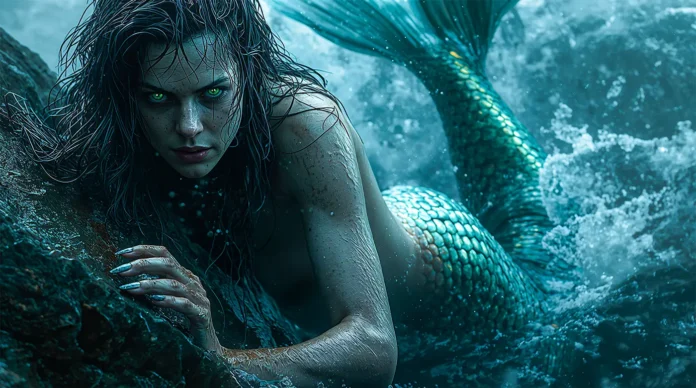
Mermaid

Half-human and half-fish, the Mermaid is a shape-shifting aquatic hybrid tied to sea myths across various cultures, especially known...
  • Skills
Element ControlWater Breathing
  • Weaknesses
Dry Land HarmEnvironmental Limits

Oceanic Being – Overview

Oceanic Beings are mythological entities characterized by their associations with water and oceans, exhibiting shared traits across diverse cultures. Often these beings embody the vastness, mystery, and power of the sea. They serve functions in cosmological narratives, interacting with other mythic elements to depict the balance and unpredictability of nature. This conceptual category includes a variety of creatures, ranging from deities to monstrous hybrids, each reflecting cultural understandings of the ocean’s influence on life and the environment.

Defining Characteristics

Physical Form and Morphology

Common physical traits of Oceanic Beings often include serpentine forms, scales, or aquatic features like fins or tentacles. Many are depicted with immense size, symbolizing the ocean’s vastness, and their morphology often merges human and aquatic elements. These aspects highlight their dual nature, bridging the human and marine worlds. Such features underscore their otherworldly essence, allowing them to navigate both terrestrial and aquatic realms with ease.

Ontological Nature

Oceanic Beings are typically understood as liminal entities, existing between the mortal and divine realms. Their supernatural nature allows them to influence the natural and metaphysical order, embodying forces of chaos, creation, or protection. As cosmic entities, they reflect human attempts to personify and make sense of the ocean’s unpredictable and powerful nature. These beings often serve as intermediaries, linking human experience with the vast, often incomprehensible forces of the universe.

Mythological Role and Function

Place in Mythological Systems

Within mythological systems, Oceanic Beings often serve as guardians or adversaries, influencing the balance of power among gods, humans, and natural forces. They may delineate boundaries between realms, ensuring cosmic order. Often, they are portrayed as both creators and destroyers, reflecting the dualistic nature of the sea. By interacting with gods or heroes, they highlight themes of transformation, renewal, and the cyclical nature of life and death.

Perception and Meaning

Cultures perceive Oceanic Beings variably as protectors, threats, or mediators, embodying the ocean’s potential for both benevolence and destruction. They symbolize the unknown and represent humans’ awe and fear of the natural world. Such beings often serve as omens or symbols of change, their appearances marking significant events or shifts in fortune. Their dual perception reflects cultural attitudes towards nature’s unpredictability and beauty.

Distinction from Related Beast Types

Conceptual Boundaries

Oceanic Beings differ from elemental beings or spirits through their specific association with water and maritime domains. While elemental beings embody broader natural forces, Oceanic Beings are specifically tied to marine environments. Unlike undead entities or humanoid monsters, which may inhabit various realms, Oceanic Beings are intrinsically linked to aquatic settings, underscoring their unique symbolic and functional roles within mythic narratives.

Common Sources of Confusion

The conflation of Oceanic Beings with other entities often arises from their shared supernatural traits and environmental influences. Scholars distinguish them through cultural context, specific mythological roles, and their consistent association with water. Comparative mythology offers insights by examining cultural narratives that emphasize distinct characteristics, ensuring accurate classification despite overlapping features with other supernatural beings.

Canonical Beasts Associated with This Beast Type

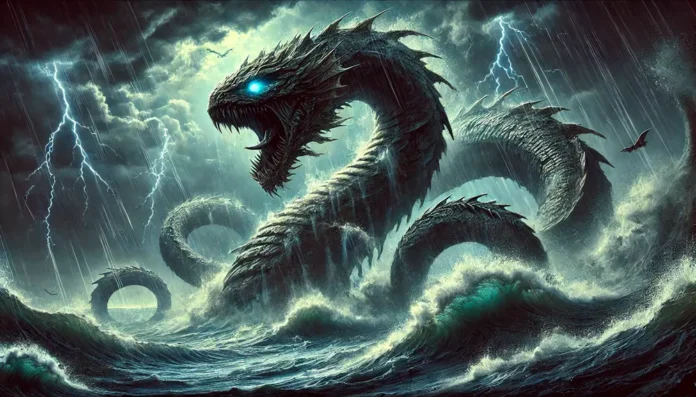
Jörmungandr

Originating from Norse mythology, Jörmungandr is a quintessential Oceanic Being, embodying the sea’s power and danger. This serpent encircles the world, representing both protective and apocalyptic elements, linking its identity to oceanic forces.

Ningyo

In Japanese folklore, Ningyo are fish-like creatures whose appearances foreshadow misfortune or transformation. Their dual nature as omens and embodiments of oceanic mystery typifies them as Oceanic Beings, bridging human and marine realms.

Vodyanoy

The Vodyanoy, from Slavic mythology, typifies an Oceanic Being through its role as a water spirit. Often perceived as a protector or trickster, it reflects cultural interpretations of water’s dual nature and its integral role in life.

Historical Distribution and Cultural Context

Oceanic Beings appear across diverse cultures, from Norse to Japanese and Slavic traditions, illustrating broad thematic relevance. They emerge in maritime societies, where the ocean influences daily life, fostering narratives that reflect both reverence and fear. Historically, these beings appear in regions with significant maritime activity, suggesting their role in cultural mythologies as reflections of environmental and existential realities.

Scholarly Interpretation and Uncertainty

Variation in Definitions

Definitions of Oceanic Beings vary with cultural perspectives, academic approaches, and historical interpretations. Some traditions emphasize their protective roles, while others focus on their destructive potential. Academic frameworks highlight their symbolic nature, interpreting them as reflections of cultural relationships with the sea. Such variation indicates diverse cultural priorities and environmental influences in defining these mythological entities.

Limits of Available Evidence

Evidence for Oceanic Beings is limited by the availability of primary sources and the interpretive nature of mythology. No verified sources describe these beings in a universally agreed context, complicating scholarly consensus. Ambiguities in textual and oral traditions require cautious interpretation, ensuring that speculative reconstructions maintain fidelity to cultural narratives. Scholars acknowledge these challenges, emphasizing the need for careful analysis.

Mythological Role Across Cultures

Oceanic Beings recur in mythologies due to universal human concerns about the sea’s vastness, unpredictability, and life-giving properties. They symbolize humanity’s attempt to comprehend and personify natural forces, addressing existential fears and environmental dependencies. Recognizing their role aids comparative mythology, revealing shared symbolic functions and diverse cultural adaptations to maritime environments. Through these beings, cultures express collective myths about survival, transformation, and cosmic order.