
back to top

Sacred Animal

Sacred Animal embodies revered creatures with symbolic roles in myth, defined by shared traits and cultural significance across traditions.

Relevant Beasts

Asia
Guardian Animal
Qilin - Chinese Folklore
China

Qilin

The Qilin, a revered creature in East Asian mythology, symbolizes prosperity and serenity. Often depicted with a dragon-like head,...
  • Skills
Aura of ProtectionHealing & Life
  • Weaknesses
Curse BoundEasily Deceived
Cherokee
Sacred Animal
Uktena - Cherokee folklore
Cherokee

Uktena

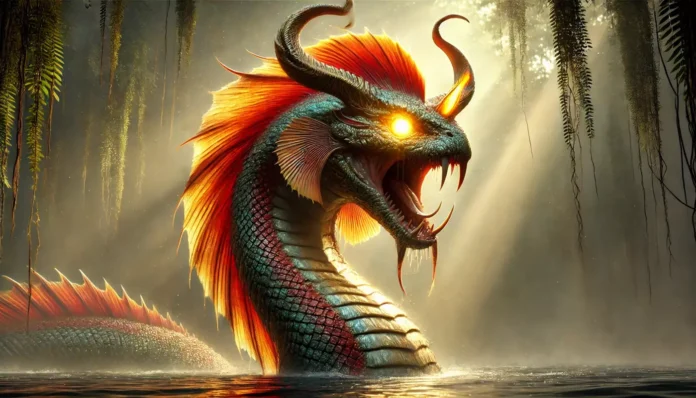
The Uktena, a Cherokee mythical serpent, is a powerful and fearsome creature with horns, glowing scales, and a magical...
  • Skills
Light HealingTidal Wave Summoning
  • Weaknesses
Blunt ForceEarth Bound
Mississippian
Sacred Animal
Mishipeshu - the water panther - North American folklore
Mississippian

Mishipeshu

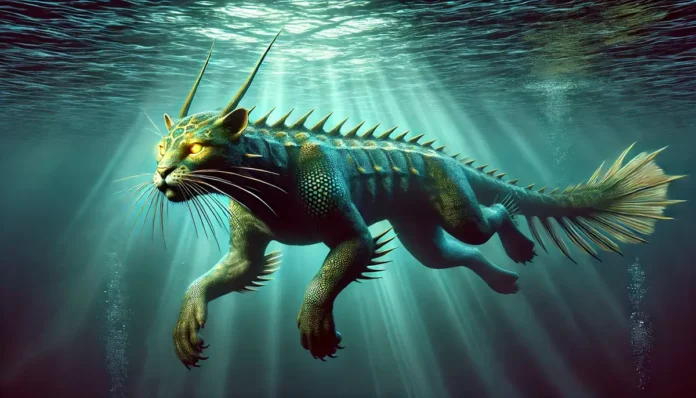
Mishipeshu, the legendary water spirit of Anishinaabe folklore, is a powerful and protective creature. Often depicted as a mix...

  • Skills
Enhanced StaminaSwamp Manipulation
  • Weaknesses
Blunt ForceDry Land Harm

Sacred Animal – Overview

The Sacred Animal represents a mythological beast type characterized by its divine or spiritual significance across various cultures. These entities often serve as intermediaries between the mundane and the sacred, embodying values, virtues, or cosmic principles. Their roles extend beyond mere symbolism, as they frequently possess inherent powers or attributes that influence mythological narratives and societal beliefs. Sacred Animals are distinct in their ability to connect the natural and supernatural realms, acting as protectors, guides, or harbingers of change within diverse cultural cosmologies.

Defining Characteristics

Physical Form and Morphology

Sacred Animals typically exhibit forms that blend recognizably natural elements with supernatural features. These creatures might possess luminous eyes, resplendent plumage, or ethereal scales, highlighting their divine origins. Despite variations, patterns such as enhanced physicality, vivid coloration, or an imposing presence recur across mythologies. These traits not only denote their sacred status but also signify their capacity to transcend ordinary existence, reflecting their importance within mythological frameworks.

Ontological Nature

Within the mythological context, Sacred Animals are often perceived as spiritual or cosmic entities, bridging the gap between the physical and metaphysical world. They might serve as guardians of sacred spaces, manifestations of deities, or representations of universal principles. Their existence underscores a divine order, emphasizing their role in maintaining balance between realms. Such beings affirm the interconnectedness of the cosmos, illustrating how the sacred and profane coexist and influence human understanding of existence.

Mythological Role and Function

Place in Mythological Systems

Sacred Animals occupy significant positions within mythological systems, often serving as mediators between gods and humans. They may execute divine will, protect sacred sites, or convey messages from the spiritual realm. Their presence reinforces cosmological hierarchies and religious tenets, functioning as embodiments of divine power or moral teachings. By interacting with both natural and supernatural entities, they affirm the unity and coexistence of all cosmic forces, establishing them as integral components of mythological narratives.

Perception and Meaning

Culturally, Sacred Animals are generally viewed as embodiments of protection, wisdom, or divine will. They might symbolize moral tenets, act as omens, or function as agents of retribution or healing. Cultures interpret these animals through lenses of reverence and fear, considering them vital to maintaining societal harmony. Their symbolism extends beyond mere representation, as these creatures often influence cultural practices, rituals, and beliefs, underscoring their profound impact on human consciousness and spirituality.

Distinction from Related Beast Types

Conceptual Boundaries

Sacred Animals differ from elemental beings, spirits, or humanoid monsters through their explicit connection to divinity and cosmic purpose. While elemental beings may personify natural forces, Sacred Animals embody a divine mandate, often serving higher spiritual or cosmological functions. Their roles extend beyond elemental control, emphasizing their sacred mission and spiritual authority. This distinction highlights their unique ontological nature and the specific cultural meanings they embody within mythological systems.

Common Sources of Confusion

Misunderstandings often arise due to similarities in form or function between Sacred Animals and other mythological entities. However, scholars distinguish them by emphasizing their divine association and role within religious cosmologies. Sacred Animals are not merely powerful creatures but representatives of spiritual truths or cosmic order, differentiating them from generic mythological beasts. This recognition aids in clarifying their specific place within the broader tapestry of mythological belief systems.

Canonical Beasts Associated with This Beast Type

Garuda

Originating from Hindu and Buddhist traditions, Garuda exemplifies the Sacred Animal type through its role as a divine mount and protector. Its depiction as a half-man, half-eagle signifies its spiritual and celestial connections.

Quetzalcoatl

In Mesoamerican mythology, Quetzalcoatl is often portrayed as a feathered serpent, embodying the Sacred Animal type. Its association with creation, knowledge, and wind highlights its profound cultural and divine significance.

Baku

The Baku, from Japanese folklore, serves as a protector against nightmares, representing the Sacred Animal type. Its unique ability to consume dreams underscores its protective and purifying role within cultural narratives.

Historical Distribution and Cultural Context

The Sacred Animal type appears in diverse cultures, from ancient Egypt and Mesopotamia to the Americas and Asia. These creatures often emerge in societies where the natural world intersects with spirituality, reflecting historical shifts in cosmological understanding. During various historical periods, such as the Bronze Age or the Classical era, Sacred Animals played central roles in religious practices and mythological storytelling. Their presence across cultures underscores their universal appeal and enduring significance in human history.

Scholarly Interpretation and Uncertainty

Variation in Definitions

Interpretations of Sacred Animals vary widely, with some scholars emphasizing their symbolic functions, while others focus on their religious or cosmological roles. Cultural and temporal contexts further complicate definitions, as different societies attribute varying meanings and powers to these entities. This diversity in interpretation reflects the complex and evolving nature of mythological study, where Sacred Animals continue to inspire debate and analysis within academic circles.

Limits of Available Evidence

Despite extensive study, uncertainties remain regarding the origins and specific functions of Sacred Animals in some traditions. No verified sources describe certain details or practices associated with these creatures, highlighting the limitations of historical evidence. Scholars must navigate these gaps with caution, distinguishing between established facts and speculative interpretations. This careful approach underscores the importance of rigorous analysis in mythological research.

Mythological Role Across Cultures

Sacred Animals recur across mythologies due to shared human concerns and symbolic needs, such as the desire for divine protection or moral exemplars. Their presence reflects universal themes of transformation, balance, and cosmic order, addressing existential questions and spiritual aspirations. By acknowledging their role, scholars can better interpret mythological systems comparatively, appreciating the cultural nuances and variations that shape these enduring narratives.