
back to top

Tidal Guardian

Tidal Guardian beasts are mythological creatures linked to water, known for their protective roles and symbolic significance in various cultures.

Relevant Beasts
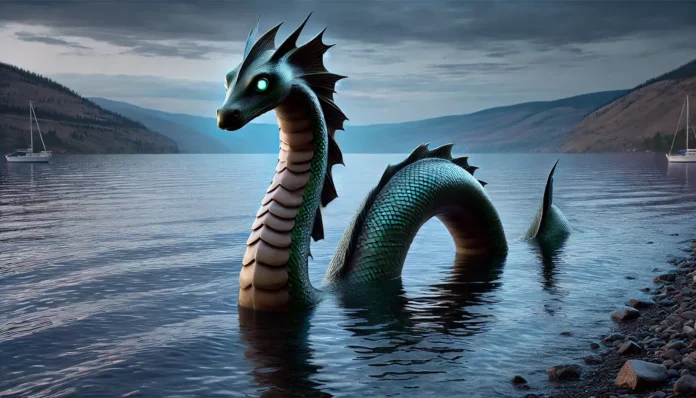
North America
Tidal Guardian
Ogopogo - British Columbia
Salish

Ogopogo

Ogopogo is a serpentine water monster from Canadian folklore, believed to inhabit Okanagan Lake and connected to Indigenous myths.
  • Skills
Enhanced AgilityWater Breathing
  • Weaknesses
Drought SensitiveDry Land Harm
Africa
Tidal Guardian
Naymi Naymi - The water god, Zimbabwe folklore
Tonga

Nyami Nyami

Nyami Nyami, the revered Zambezi River God in Tonga mythology, is said to have the body of a snake...

  • Skills
Control WeatherElement Control
  • Weaknesses
Divine RestrictionsDrought Sensitive

Tidal Guardian – Overview

The Tidal Guardian represents a mythological beast type characterized by its association with bodies of water, particularly those influenced by tidal forces. These entities typically embody the intersection between land and sea, playing crucial roles in mythologies where they appear. Tidal Guardians are often depicted as protectors of coastal areas, mediators of oceanic forces, or arbiters of maritime balances. Across cultures, they share common traits such as adaptability to aquatic environments, symbolic links to the sea’s cyclical nature, and the embodiment of both nurturing and destructive aspects of water.

Defining Characteristics

Physical Form and Morphology

Tidal Guardians commonly display features associated with aquatic life, such as scales, fins, or webbed extremities. Their forms often combine elements of land and sea creatures, reflecting their liminal nature. Some possess humanoid features, merging human traits with aquatic adaptations, symbolizing their role as mediators between human realms and the ocean’s depths. These hybrids often feature elongated bodies or limbs, allowing them to traverse both terrestrial and marine environments with ease.

Ontological Nature

Beings classified as Tidal Guardians are generally understood as hybrid or liminal entities, existing between defined natural categories. They bridge the gap between the known physical world and the metaphysical realms of water deities or spirits. Their existence underscores the fluidity of boundaries between land and sea. They highlight the interconnectedness of ecosystems and the cyclical nature of tides. As cosmic entities, they are linked to order and balance, ensuring harmony between opposing natural forces.

Mythological Role and Function

Place in Mythological Systems

Tidal Guardians occupy pivotal roles within mythological worldviews, often serving as custodians of coastal ecosystems or defenders against oceanic threats. They are frequently depicted interacting with deities or elemental forces, reflecting their importance in maintaining cosmic equilibrium. Their presence typically reinforces themes of balance and transformation, essential to the cycles of nature. As guardians, they also embody the dual nature of water as both life-giving and potentially destructive.

Perception and Meaning

Cultures often perceive Tidal Guardians as protectors or omens, symbolizing the sea’s unpredictability and its vital role in human survival. They can also act as mediators, communicating between human communities and oceanic deities, thus embodying the spiritual and material connections to the sea. These entities encapsulate the duality of water, representing its nurturing abundance and its capacity for sudden, overwhelming force. This duality shapes their symbolic interpretation across different cultural contexts.

Distinction from Related Beast Types

Conceptual Boundaries

Tidal Guardians are distinct from elemental spirits or monsters primarily through their specific association with tidal phenomena and coastal guardianship. Unlike purely elemental beings, they emphasize the transitional and cyclical aspects of water. They differ from humanoid monsters or animal-based creatures through their multifaceted roles, linking them to broader cosmological cycles. Their existence underscores themes of mediation and balance that are less prominent in other categories.

Common Sources of Confusion

Tidal Guardians are sometimes conflated with elemental water spirits or sea monsters due to overlapping domains. However, scholars distinguish them by their explicit ties to tidal patterns and their unique roles as coastal protectors. Their complex symbolism and hybrid morphology contribute to this confusion. By emphasizing their function as guardians rather than purely destructive or chaotic forces, mythologists clarify their distinct niche within aquatic mythological frameworks.

Canonical Beasts Associated with This Beast Type

Ao Guang

In Chinese mythology, Ao Guang, the Dragon King of the Eastern Sea, exemplifies the Tidal Guardian type. As a powerful water deity, he controls sea elements, embodying protection and authority over maritime domains.

Nuada

In Celtic lore, Nuada, associated with the sea and tides, reflects the Tidal Guardian’s role. As a figure of balance and protection, he symbolizes the essential harmony between sea and land elements within the Celtic worldview.

Amabie

Originating from Japanese folklore, the Amabie is a prophetic sea creature linked to tidal events. It embodies the Tidal Guardian’s dual role as a herald of fortune and a warning against maritime challenges or disease.

Historical Distribution and Cultural Context

The concept of Tidal Guardians appears in diverse cultures globally, often in regions with significant tidal activity. From ancient China’s dragon kings to Celtic sea protectors, these beings emerge in societies reliant on coastal ecosystems. Historically, they appear in maritime cultures, reflecting a shared human need to personify and understand oceanic forces. Their distribution highlights the commonality of human interaction with the sea’s cyclical rhythms and the corresponding mythological responses.

Scholarly Interpretation and Uncertainty

Variation in Definitions

Scholars interpret Tidal Guardians differently based on regional mythologies and historical contexts. Some view them primarily as protective figures, while others emphasize their role as omens or mediators. Cultural variations highlight differing symbolic emphases and environmental influences. Definitions evolve with ongoing research and comparative mythological studies, acknowledging the fluidity inherent in the concept of guardianship over tidal forces.

Limits of Available Evidence

While many myths describe Tidal Guardians, gaps exist in historical records, complicating definitive understanding. Ambiguities surround their specific roles and attributes due to the oral transmission of many myths. Some evidence derives from fragmented texts or adaptations over time. Scholars remain cautious, distinguishing established interpretations from speculative reconstructions. Consequently, ongoing research may refine or expand current understanding, enhancing the academic discourse surrounding these complex entities.

Mythological Role Across Cultures

Tidal Guardians recur across mythologies due to their embodiment of human concerns regarding water’s dual nature. Their roles address needs for protection, understanding, and control over the unpredictable sea. Recognizing this type within different traditions aids comparative analysis, uncovering shared symbolic functions and highlighting cultural adaptations. Such recognition enriches the study of mythological systems, offering insights into how societies conceptualize and integrate natural forces into their worldviews.