back to top

Water Beast

Water Beast: Creatures defined by aquatic habitats, embodying symbolic roles in mythological stories across diverse cultures.

Relevant Beasts
North America
Tidal Guardian
Ogopogo - British Columbia
Salish

Ogopogo

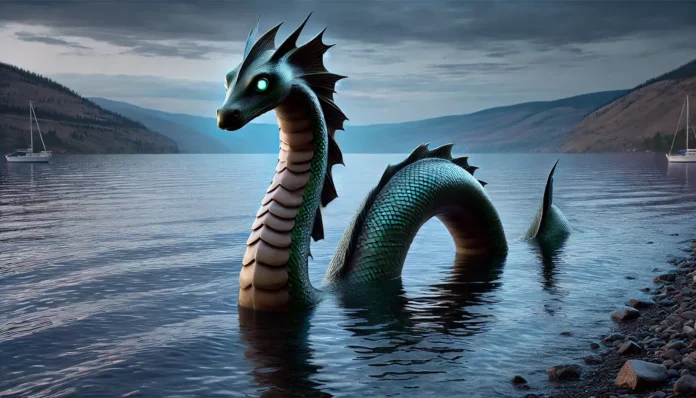
Ogopogo is a serpentine water monster from Canadian folklore, believed to inhabit Okanagan Lake and connected to Indigenous myths.
  • Skills
Enhanced AgilityWater Breathing
  • Weaknesses
Drought SensitiveDry Land Harm
Mississippian
Sacred Animal
Mishipeshu - the water panther - North American folklore
Mississippian

Mishipeshu

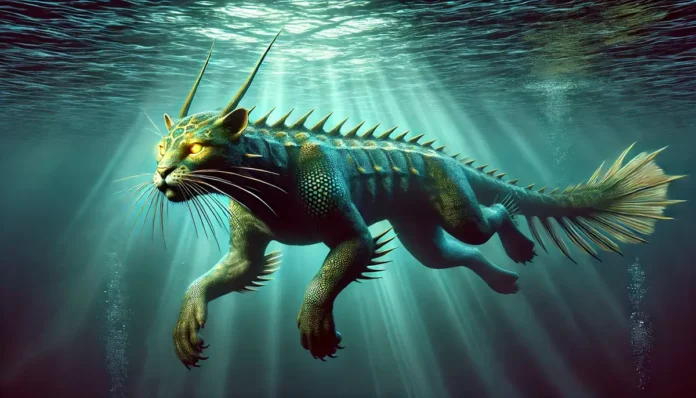
Mishipeshu, the legendary water spirit of Anishinaabe folklore, is a powerful and protective creature. Often depicted as a mix...
  • Skills
Enhanced StaminaSwamp Manipulation
  • Weaknesses
Blunt ForceDry Land Harm
Czech
River Guardian
Vodyanoy - Slavic water beast
Czech

Vodyanoy

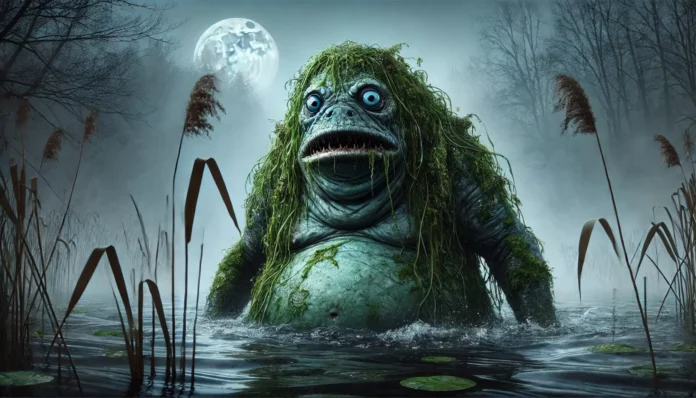
The Vodyanoy is a Slavic water spirit known for its temper and affinity for rivers and ponds, capturing unwary...
  • Skills
Shape ShiftingStealth
  • Weaknesses
Divine RestrictionsExorcism

Water Beast – Overview

Water Beasts are mythological entities characterized by their association with aquatic environments. They often exhibit traits that reflect the fluidity and unpredictability of water. These creatures are found in diverse cultures, serving roles that connect them to natural elements, spiritual realms, or both. Their shared conceptual foundation is rooted in the intrinsic link between water and life, danger, and transformation in various mythologies.

Defining Characteristics

Physical Form and Morphology

Water Beasts frequently possess features that allow them to thrive in aquatic settings. Common traits include fins, scales, or serpentine bodies. These physical characteristics underscore their adaptation to water. Many Water Beasts also bear hybrid forms, blending human and animal features. This hybridity reinforces their role as liminal beings bridging the natural and supernatural worlds. Variations in morphology reflect the diverse cultural contexts from which these creatures emerge, but aquatic adaptability remains a unifying theme.

Ontological Nature

Mythologically, Water Beasts are often perceived as supernatural entities. They inhabit liminal spaces between the earthly and spiritual realms. Such creatures symbolize the boundary-defying nature of water itself. Water Beasts are sometimes seen as cosmic forces, embodying creation and destruction. Their existence challenges conventional metaphysical boundaries, emphasizing water’s dual capacity for sustenance and peril. This duality makes them symbols of life’s cyclical nature and the unpredictability of fate.

Mythological Role and Function

Place in Mythological Systems

Within mythological frameworks, Water Beasts occupy significant roles as mediators between gods, humans, and natural forces. They often serve as guardians of sacred waters or protectors of specific domains. In some traditions, they straddle metaphysical boundaries, symbolizing the fluidity and interconnectedness of life. Their interactions with deities and heroes emphasize the importance of respecting and understanding the natural world. Water Beasts thus embody the tension between humanity’s control over nature and its inherent vulnerabilities.

Perception and Meaning

Water Beasts are perceived variously as omens, protectors, or embodiments of abstract forces. In many cultures, they symbolize the unknown depths of human consciousness and nature. Their unpredictable behavior and elusive nature evoke both fear and reverence. This duality is reflected in their roles as both punishers and protectors. Water Beasts encapsulate the ambivalence of water as a life-giving and life-threatening element, reinforcing their status as multifaceted symbols.

Distinction from Related Beast Types

Conceptual Boundaries

Water Beasts are distinct from elemental beings and spirits due to their specific aquatic associations. Unlike spirits, they possess a defined physicality. Their connection to water sets them apart from land or air-based creatures. Elemental beings may embody multiple elements, whereas Water Beasts are intrinsically tied to aquatic environments. This unique association differentiates them from other mythological categories, such as humanoid monsters or animal-based creatures, which lack this intrinsic water connection.

Common Sources of Confusion

Water Beasts are sometimes conflated with other aquatic or serpentine creatures. This confusion arises from shared habitats and similar physical traits. However, scholars emphasize their distinct mythological roles and functions. Comparative mythology clarifies these distinctions by focusing on specific cultural contexts and symbolic meanings. Identifying these creatures’ unique characteristics and roles within their respective mythologies ensures accurate categorization and understanding.

Canonical Beasts Associated with This Beast Type

Jörmungandr

Jörmungandr, from Norse mythology, is a prime example of a Water Beast. Known as the Midgard Serpent, it encircles the world beneath the ocean. Its role as a boundary marker encapsulates its mythological significance.

Leviathan

The Leviathan, from Hebrew tradition, is an archetypal Water Beast. It represents chaos and strength, residing in the deep sea. As a divine adversary, it embodies the untamed power of the oceans.

Kappa

In Japanese folklore, the Kappa exemplifies Water Beasts. These amphibious creatures inhabit rivers and lakes, often interacting with humans. Their trickster nature and dual role as dangerous and beneficial underline their cultural importance.

Historical Distribution and Cultural Context

Water Beasts appear across numerous cultures, from ancient Mesopotamia to contemporary folklore. Their prevalence underscores water’s universal significance. Historically, these creatures emerge in societies with strong maritime traditions or significant water bodies. This geographical distribution highlights the cultural importance of water and its ecological, economic, and spiritual roles. Their enduring presence across cultures emphasizes water’s pervasive influence on human life and belief systems.

Scholarly Interpretation and Uncertainty

Variation in Definitions

Interpretations of Water Beasts vary significantly across cultures and periods. Some traditions emphasize their benevolent aspects, while others focus on their destructive potential. Academic frameworks also differ in categorizing these entities, leading to diverse interpretations. Such variations reflect the cultural and historical contexts in which these creatures are situated, highlighting the complexity of their roles and meanings. Scholars continue to explore these differences, contributing to a richer understanding of their mythological significance.

Limits of Available Evidence

There are gaps and ambiguities in the mythological record regarding Water Beasts. Many ancient texts are fragmentary or lost, complicating comprehensive interpretations. Scholars often rely on comparative mythology to reconstruct these creatures’ roles and meanings. However, speculation is avoided, and established interpretations are clearly distinguished from uncertain ones. This cautious approach acknowledges the limits of available evidence while encouraging further research and exploration.

Mythological Role Across Cultures

Water Beasts recur across mythologies due to shared human concerns and symbolic needs. They address themes of transformation, boundary-crossing, and environmental balance. These creatures embody the unpredictable and dual nature of water, reflecting universal cultural experiences. Recognizing their roles helps scholars compare mythological systems, revealing common patterns and divergent interpretations. Water Beasts thus provide insights into how cultures understand and interact with the natural and supernatural worlds.