Water Spirit - an Overview
Water Spirit refers to a mythological beast type characterized by entities directly associated with water. These beings are often depicted with powers related to streams, rivers, seas, or rainfall and play varied roles across cultures worldwide. Their presence in mythology underscores vital connections between water, life, and spiritual realms. Water Spirits can serve as guardians, deities, or harbingers, emphasizing their multifaceted nature.Defining Characteristics
Physical Form and Morphology
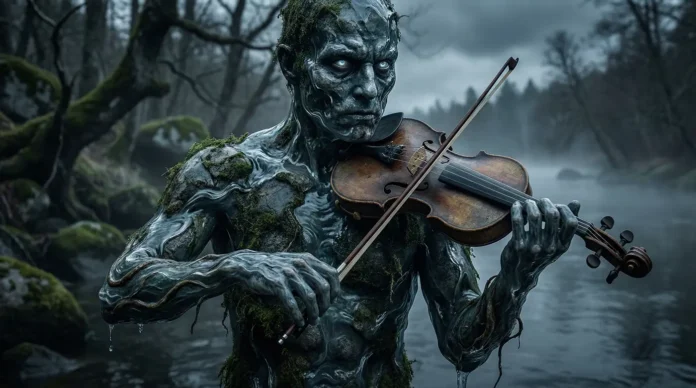
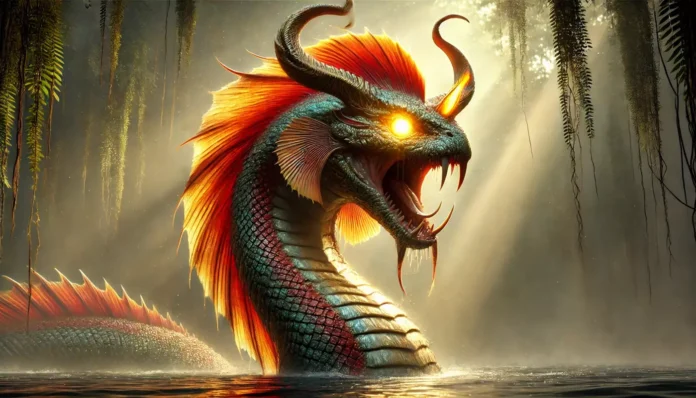
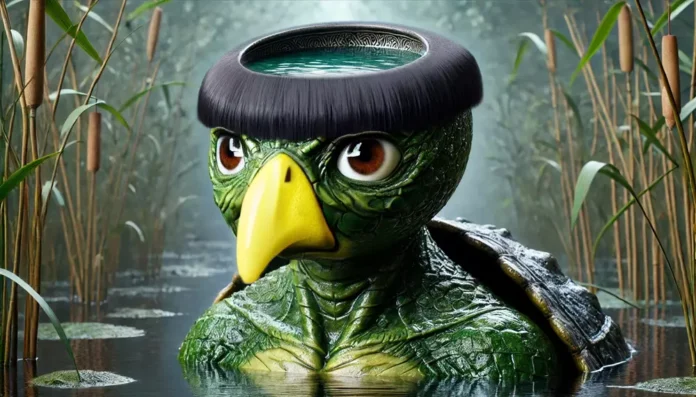
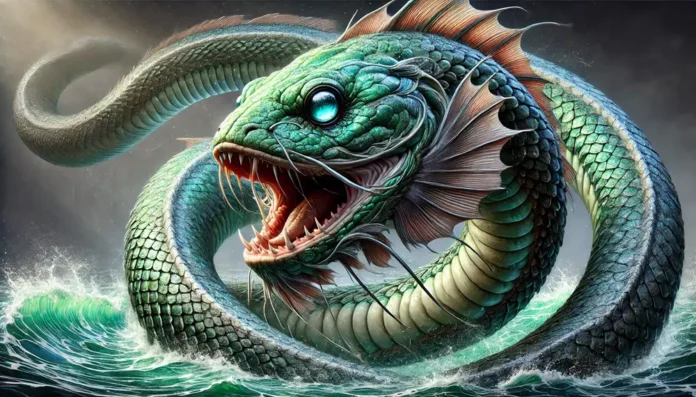
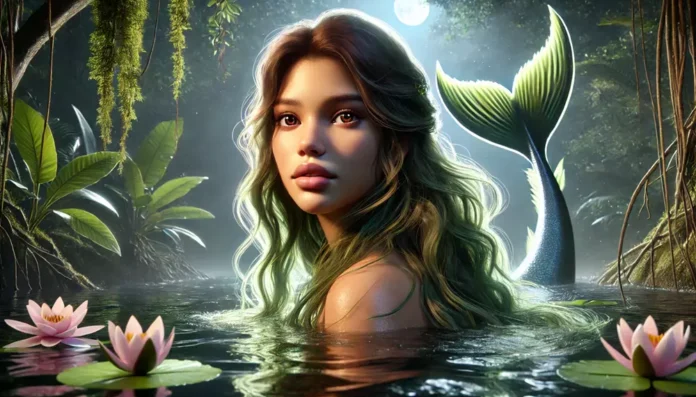
Water Spirits typically manifest with fluidity, mirroring the properties of water itself. They may appear as humanoid figures resembling mermaids or mermen, or as serpentine creatures, reflecting their domain's dynamic and mutable essence. These entities often possess scaled skin or features that blend aquatic and terrestrial characteristics, showcasing their intrinsic link to watery environs.Ontological Nature
In terms of ontology, Water Spirits are often viewed as supernatural beings, embodying the natural world's spiritual aspect. Some traditions may see them as hybrid entities, bridging the physical and ethereal realms. They are typically considered cosmic forces, integral to maintaining life's balance and water's cycles, emphasizing their broader ecological significance.Mythological Role and Function
Place in Mythological Systems
Water Spirits hold significant roles within mythological systems, often acting as intermediaries between gods and humans. They can control water's flow, influencing fertility, agriculture, and weather patterns. Their presence symbolizes renewal and purification, capturing the essence of water as a life-sustaining and destructive force within mythological cosmologies.Perception and Meaning
Cultures perceive Water Spirits in diverse ways, ranging from benevolent protectors to malevolent harbingers. They can serve as guardians of sacred waters, ensuring these sources remain uncontaminated. Alternatively, they may be viewed as omens of chaos, capable of unleashing floods or storms, highlighting their dual nature in mythology.Distinction from Related Beast Types
Classification Boundaries
Water Spirits differ from elemental entities by their specific association with water. Unlike elemental beings representing pure elements, Water Spirits embody water's dynamic role in life. They also contrast with humanoid figures by existing within water bodies, reflecting their unique ecological niche. This specialization sets them apart in mythological classifications.Common Sources of Confusion
Water Spirits often get conflated with other aquatic or elemental beings due to overlapping domains. Scholars distinguish them by emphasizing their spiritual connections and environmental roles. Unlike generalized elemental entities, Water Spirits possess specific narrative functions tied to water's cultural and ecological significance, ensuring their distinct classification.Canonical Beasts Associated with This Beast Type
Selkie
Originating from Scottish and Irish folklore, Selkies are seal-like creatures capable of shedding their skins to assume human form. They exemplify Water Spirits through their dual existence, symbolizing the boundary between land and sea, blending human and aquatic elements.Rusalka
In Slavic mythology, Rusalkas are water nymphs associated with rivers and lakes. These spirits personify water's life-giving and dangerous aspects. They are often seen as alluring yet deadly, embodying water's dual nature as both nurturing and destructive.Naiad
Hailing from Greek mythology, Naiads are nymphs inhabiting fresh water sources like streams, fountains, and springs. They are integral to local water ecosystems, representing purity and fertility. Naiads are vital Water Spirits, indicative of water's sacred and life-affirming properties in ancient Greek culture.Historical Distribution and Cultural Context
Water Spirits appear in various forms across global mythologies, from European folklore to Indigenous American traditions. They are prominent in cultures reliant on water for sustenance, such as fishing or agriculture. This widespread presence highlights water's universal importance and its spiritual dimensions in human belief systems.Scholarly Interpretation and Uncertainty
Variation in Definitions
Definitions of Water Spirits vary, influenced by regional myths and academic perspectives. Some scholars emphasize their ecological roles, while others highlight their mythological symbolism. This diversity in interpretation reflects cultural values and environmental contexts, allowing for a rich tapestry of understanding across traditions.Limits of Available Evidence
Limited historical records pose challenges in fully understanding Water Spirits' roles across cultures. Some traditions lack comprehensive textual sources, relying on oral histories. Consequently, scholars often rely on cross-cultural comparisons to construct informed interpretations, acknowledging gaps and the evolving nature of mythological studies.Taxonomic Relevance
Water Spirits serve as a crucial taxonomic category within mythological studies, offering insights into human interactions with natural elements and spiritual realms. They facilitate the organization of mythological entities across cultures, reflecting diverse ecological and spiritual values, enhancing our understanding of water's profound cultural resonance.