back to top

Wise Beast

Wise Beast encompasses creatures known for their wisdom and insight, playing pivotal roles in mythological stories as guides and protectors.

Relevant Beasts

Asia
Wise Beast
Bai Ze
China

Bai Ze

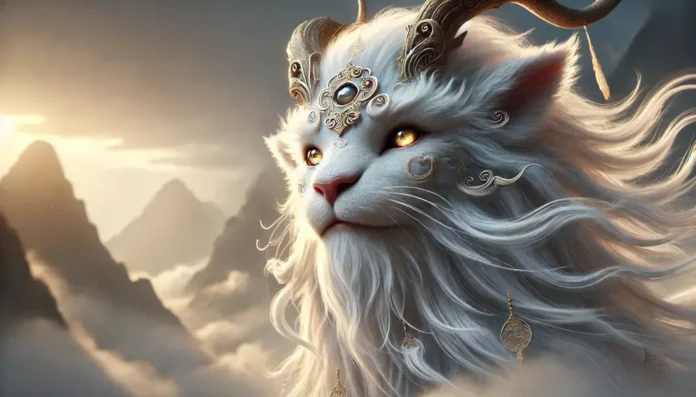
Bai Ze, the wise beast of Chinese mythology, is known for its extensive knowledge of supernatural beings. With a...

  • Skills
Knowledge BestowalWisdom
  • Weaknesses
Magic DrainSpell Trapped

Wise Beast – Overview

The Wise Beast represents a category of mythological entities noted for their intelligence, insight, and connection to esoteric knowledge. These beings often possess a duality of form, blending animalistic traits with supernatural wisdom. Across various cultures, Wise Beasts serve as guides, protectors, and conduits of cosmic understanding, reflecting a synthesis of the natural and metaphysical realms.

Defining Characteristics

Physical Form and Morphology

Wise Beasts typically exhibit hybrid features combining animal and otherworldly elements. They may have the body of a known animal but with exaggerated, symbolic features that signify their mystical nature. Common traits include luminous eyes or ethereal markings, suggesting their transcendence of ordinary reality.

Ontological Nature

In mythological discourse, Wise Beasts are often seen as liminal beings, straddling the boundary between the mundane and the divine. They are not merely animals but are considered entities possessing insights into the cosmic order. Their existence challenges the natural hierarchy, suggesting a deeper metaphysical significance.

Mythological Role and Function

Place in Mythological Systems

Within mythological systems, Wise Beasts function as intermediaries between gods and humans. They often guard sacred knowledge or act as judges of moral integrity. Their presence is pivotal in navigating the complexities of human and divine interactions, underscoring a cultural reverence for wisdom.

Perception and Meaning

Culturally, Wise Beasts are perceived as both protectors and arbiters of fate. They may signal omens or guard treasures of wisdom, embodying the abstract notion of enlightenment itself. Their symbolic role often transcends individual myths, representing universal truths within their cultural contexts.

Distinction from Related Beast Types

Conceptual Boundaries

Wise Beasts differ from elemental beings or spirits by their grounding in wisdom rather than in specific elements or natural phenomena. Unlike undead entities or humanoid monsters, they are not associated with decay or malevolence but with intellectual superiority and spiritual guardianship.

Common Sources of Confusion

Confusion often arises due to the Wise Beasts’ overlapping traits with other mythological categories, such as guardian spirits or sacred animals. Scholars distinguish them by their unique role in imparting wisdom and serving as moral guides, rather than merely existing as protectors or symbols.

Canonical Beasts Associated with This Beast Type

Sphinx

Originating in ancient Egypt and Greece, the Sphinx is a quintessential Wise Beast. Renowned for its riddles and wisdom, it embodies the intersection of intellect and divine mystery, challenging mortals to seek deeper understanding.

Quetzalcoatl

This Mesoamerican deity is symbolized as a feathered serpent. Quetzalcoatl represents a Wise Beast type through its association with creation, knowledge, and civilization, bridging the divine and mortal worlds with its insightful nature.

White Buffalo Calf Woman

In Native American traditions, this sacred figure exemplifies the Wise Beast through her role in conveying spiritual teachings and cultural practices. Her appearance as a white buffalo symbolizes wisdom and the transmission of sacred knowledge.

Historical Distribution and Cultural Context

Wise Beasts appear in diverse cultures, from ancient Greece and Egypt to Mesoamerica and Indigenous Americas. Their recurrence during different historical periods highlights a shared human fascination with wisdom and the supernatural, reflecting the cultural values of diverse societies.

Scholarly Interpretation and Uncertainty

Variation in Definitions

Different cultures and scholars interpret Wise Beasts variably, reflecting regional beliefs and historical contexts. While some view them primarily as guardians, others emphasize their role in imparting cosmic truths, indicating fluid boundaries in defining this category.

Limits of Available Evidence

No verified sources describe Wise Beasts uniformly across all cultures, leading to academic debates over their precise nature. Gaps in the historical record prevent conclusive categorization, and interpretations often rely on textual analysis and comparative mythology.

Mythological Role Across Cultures

Wise Beasts recur across mythologies to address the universal human quest for knowledge and understanding. They symbolize the pursuit of enlightenment and the reconciliation of worldly and divine realms. This role underscores their significance and enduring presence in cultural narratives.