Introduction
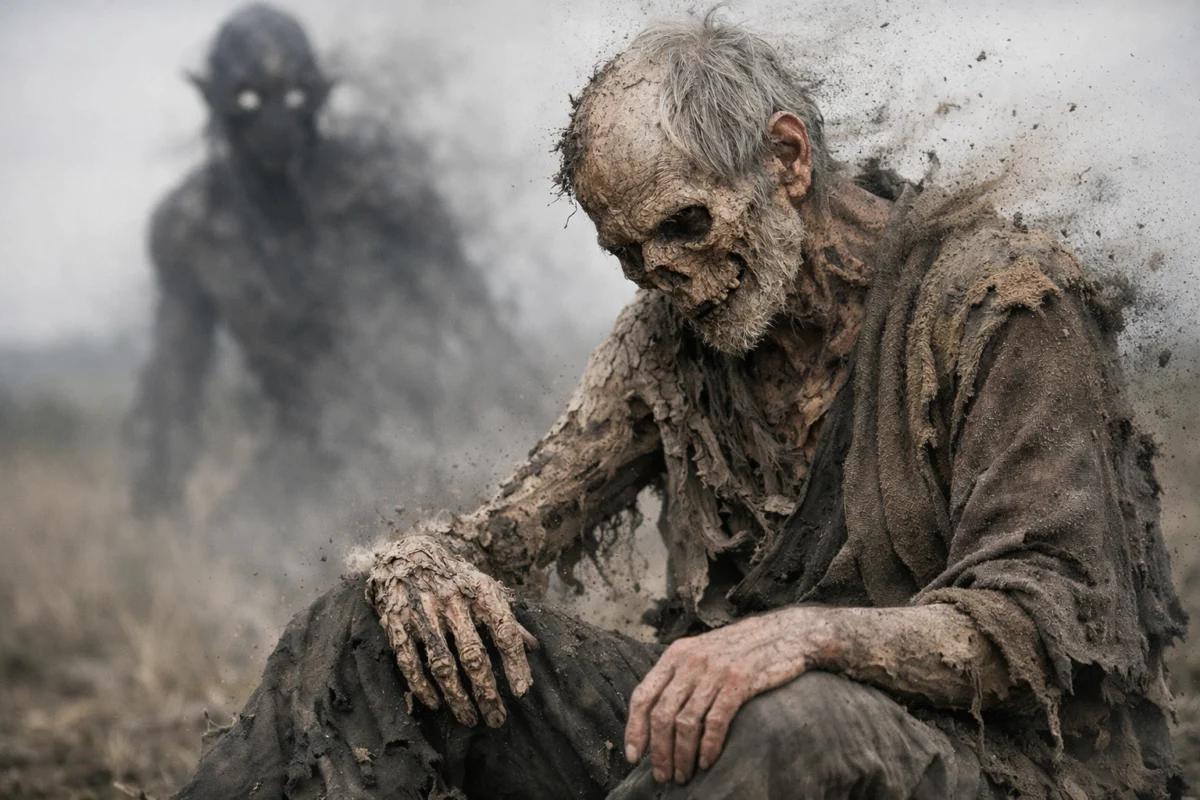
Aeshma is a prominent figure in Zoroastrian mythology, known as a demon associated with wrath and violence. He is one of the Daevas, malevolent spirits opposing the divine order established by Ahura Mazda, the supreme deity.
In Zoroastrian texts, Aeshma embodies chaos and disorder, often inciting conflict and aggression among humans. His presence is a constant threat to the peace and harmony that Zoroastrianism aims to uphold, making him a significant adversary.
The demon’s influence extends beyond Zoroastrianism, impacting later religious and cultural traditions. Aeshma’s characteristics and role have been explored in various texts, demonstrating his lasting impact on mythological narratives.
Understanding Aeshma’s role in mythology provides insight into the Zoroastrian worldview, emphasizing the eternal struggle between good and evil forces. This struggle is central to the religion’s teachings and moral framework.
History/Origin
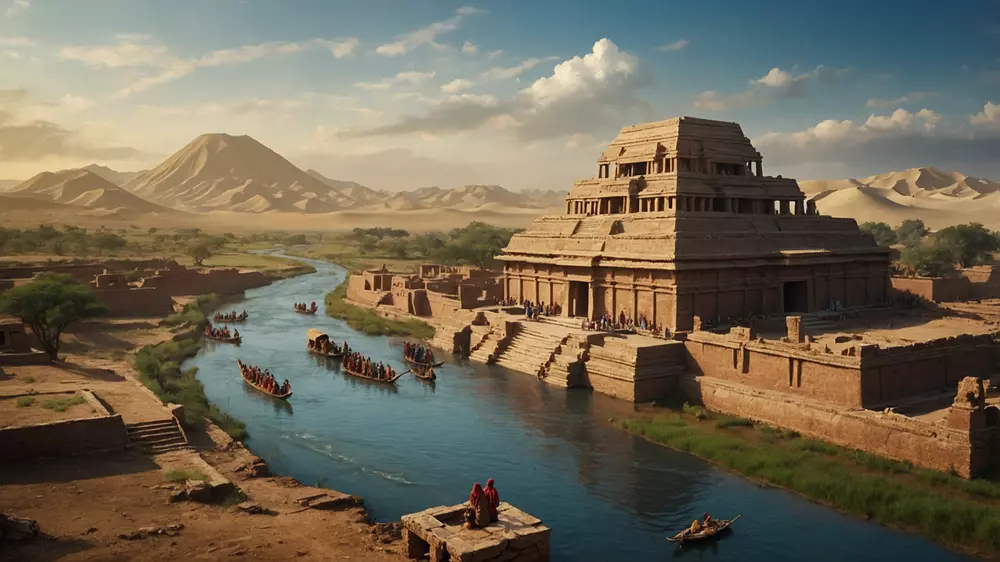
Aeshma’s origins can be traced back to ancient Persian religious texts, primarily the Avesta, the sacred scriptures of Zoroastrianism. The Avesta outlines Aeshma as a destructive force opposing the divine order.
In these texts, Aeshma is often depicted as a powerful adversary of the Amesha Spentas, the holy immortals serving Ahura Mazda. His role is to disrupt their efforts to maintain cosmic balance and righteousness.
The demon’s presence in Zoroastrianism reflects the dualistic nature of the religion, where the forces of good and evil are in constant conflict. Aeshma represents the embodiment of malevolent intentions and actions.
Over time, Aeshma’s influence extended into other cultures and religious traditions, often merging with similar figures in different mythologies. This cross-cultural presence highlights the universality of themes associated with wrath and chaos.
Name Meaning
The name “Aeshma” is derived from the Avestan language, with roots in the word “aeshma,” meaning “wrath” or “fury.” This directly reflects the demon’s association with violent and destructive emotions.
In Middle Persian texts, Aeshma is referred to as “Eshm,” maintaining the core meaning of wrath. This linguistic continuity underscores the demon’s consistent role across different periods of Zoroastrian tradition.
The name’s etymology emphasizes Aeshma’s primary function as a bringer of chaos and conflict, aligning with his portrayal in religious texts. This linguistic background provides insight into the demon’s enduring symbolic significance.
Aeshma’s name has also influenced other languages and mythologies, with variations appearing in later religious and cultural contexts. These adaptations highlight the demon’s widespread impact on mythological narratives.
Appearance
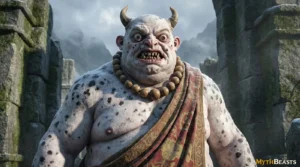
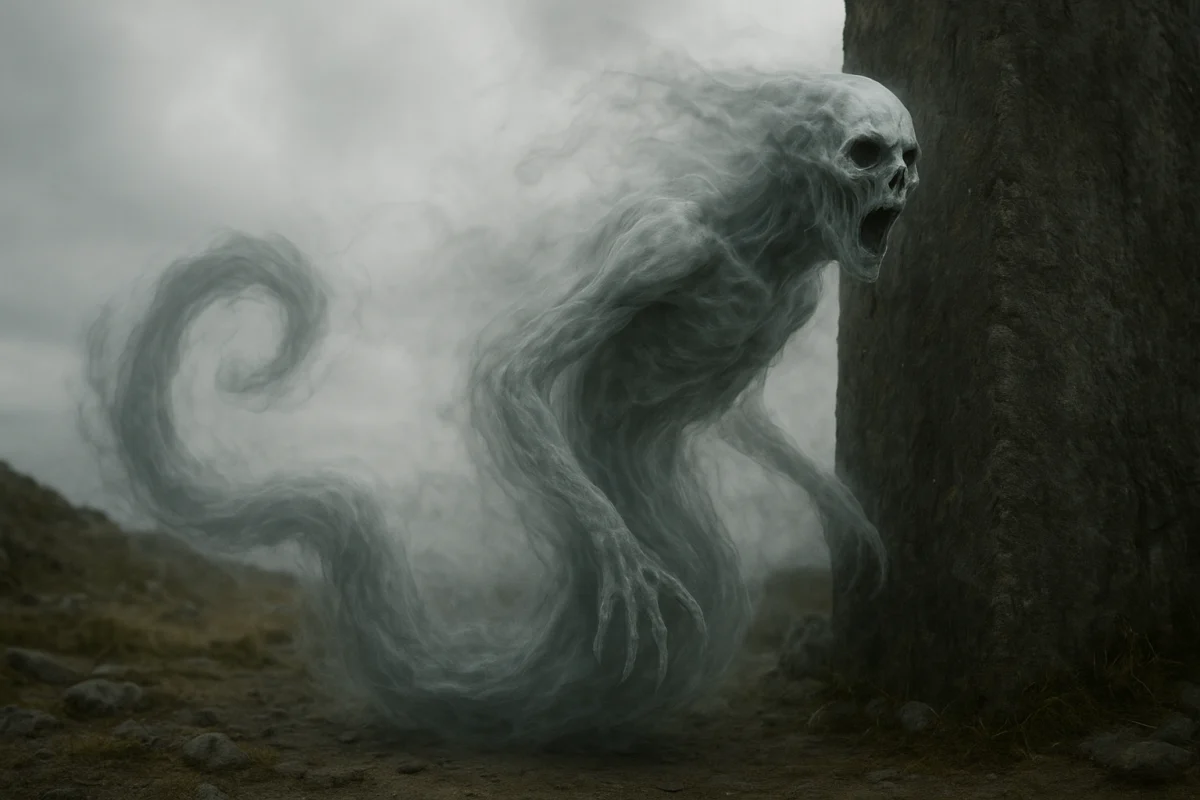
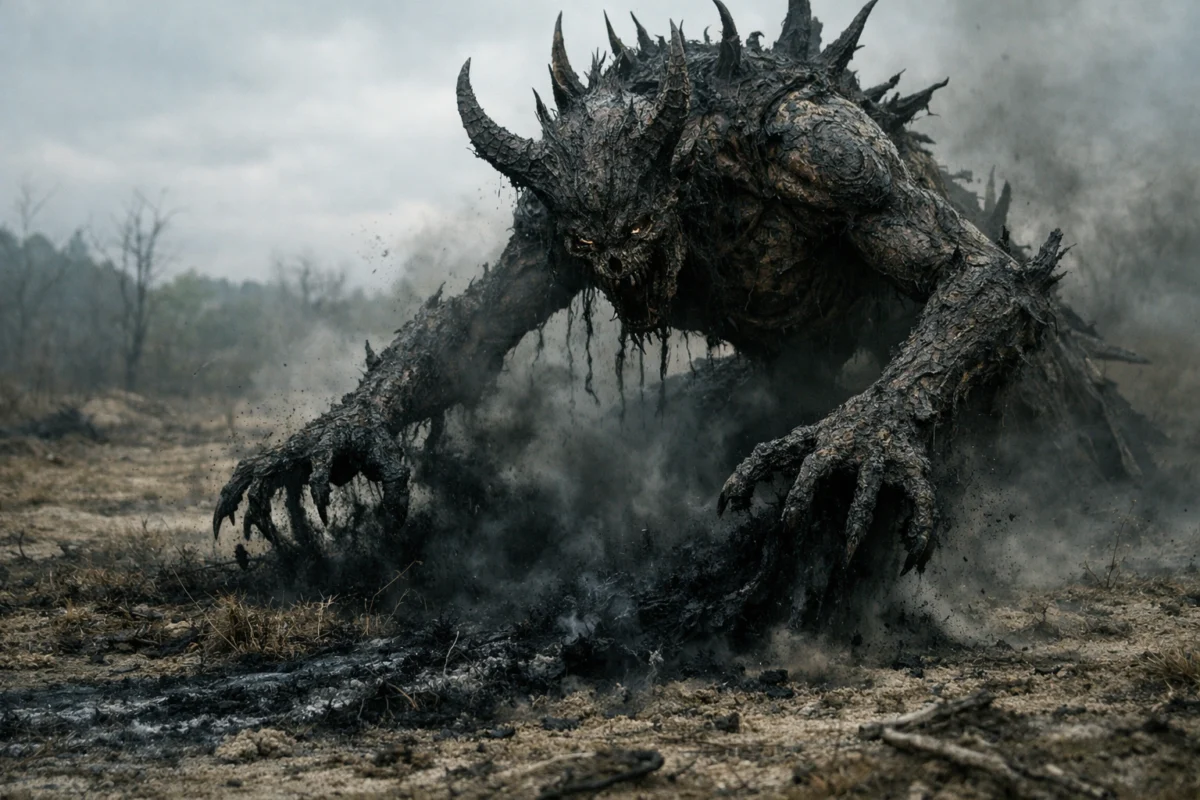
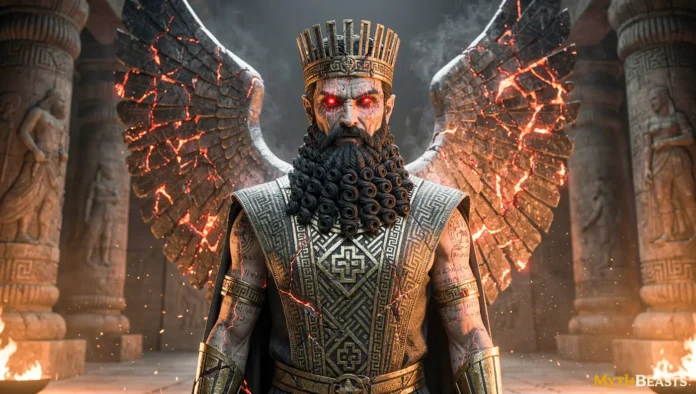
Descriptions of Aeshma’s appearance vary across texts, but he is often depicted as a fearsome and intimidating figure. His form is said to embody the chaotic and violent nature he represents.
Some sources describe Aeshma as having a monstrous appearance, with features that evoke fear and dread. This aligns with his role as a demon intent on spreading chaos and destruction.
![Ashema - by Collin de Plancy, ‘Dictionnaire Infernal’ [1863].](https://mythbeasts.com/wp-content/uploads/Ashema-Dictionnaire-Infernal.jpg)
Despite the variations in his depiction, Aeshma’s appearance consistently conveys his malevolent nature and his opposition to the forces of order and harmony in the universe.
Background Story
Aeshma’s background story is rooted in Zoroastrian cosmology, where he is a prominent adversary of divine forces. He is often depicted as inciting humans to anger and violence, disrupting societal harmony.
In the Avesta, Aeshma is mentioned as a formidable foe of the Amesha Spentas, who strive to maintain cosmic balance. His actions are aimed at undermining their efforts to uphold righteousness.
While specific stories about Aeshma’s exploits are limited, his presence is a constant reminder of the dangers of unchecked wrath and aggression. This serves as a moral lesson within the Zoroastrian ethical framework.
No verified sources describe specific rituals or ceremonies dedicated to Aeshma. His role is primarily as an antagonist within the broader narrative of good versus evil in Zoroastrianism.
Famous Folklore Stories
The Battle with Atar
Aeshma is often depicted in Zoroastrian texts as a fierce adversary of Atar, the spirit of fire. In these tales, Aeshma represents chaos, seeking to extinguish Atar’s purifying flames.
These stories highlight the eternal struggle between order and chaos, a central theme in Zoroastrianism.
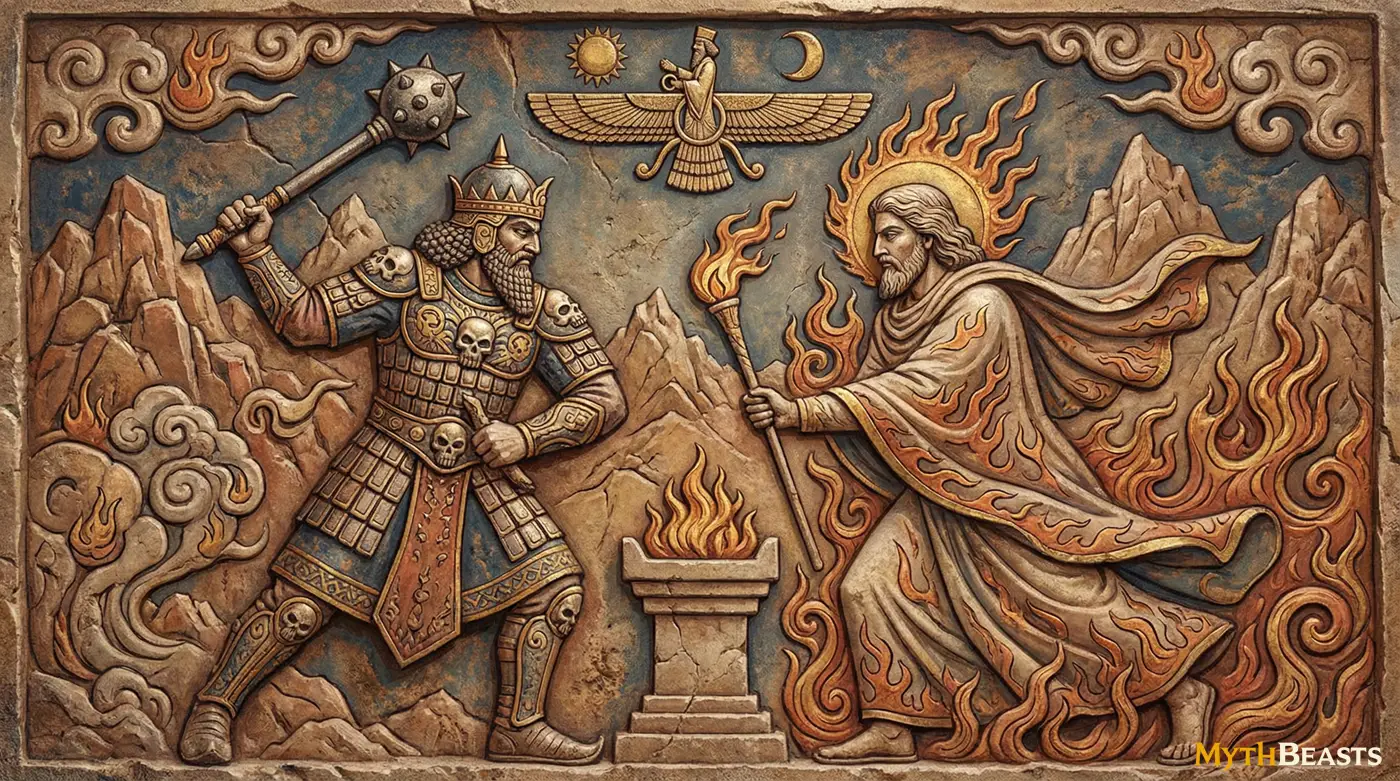
Although specific tales are not preserved in detail, the conflict between Aeshma and Atar symbolizes the broader cosmic battle between good and evil. This theme is prevalent in the Avesta, the primary collection of Zoroastrian sacred texts.
The Seduction of King Vishtaspa
Another tale involves Aeshma’s attempt to seduce King Vishtaspa, a historical figure who supported Zoroaster’s teachings. Aeshma sought to corrupt the king, leading him astray from the path of righteousness.
This story emphasizes Aeshma’s role as a tempter and disruptor.
Ultimately, Vishtaspa resists Aeshma’s influence, reaffirming his commitment to Zoroastrian values. This narrative underscores the importance of maintaining moral integrity against malevolent forces.
The Disruption of the Sacred Ritual
In some Zoroastrian legends, Aeshma is known for disrupting sacred rituals, spreading chaos among the faithful. These stories highlight the need for vigilance and spiritual strength to counteract such malevolent influences.
Aeshma’s interference serves as a metaphor for the constant threat of disorder.
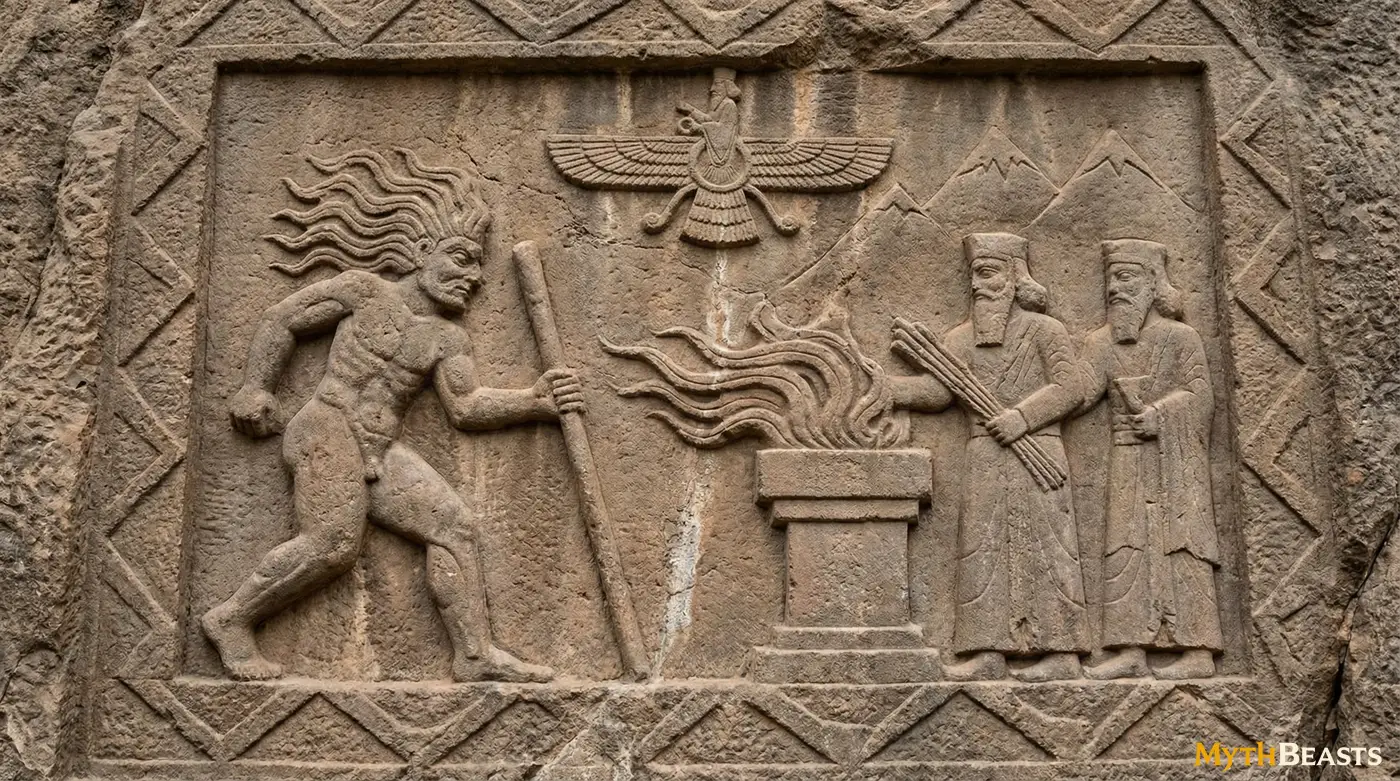
Although no specific rituals are detailed, these tales illustrate Aeshma’s role as an eternal adversary to spiritual harmony and order within Zoroastrianism.
Cultural Impact
Aeshma’s cultural impact is deeply rooted in Zoroastrianism, where he embodies the destructive forces of chaos and disorder. Historically, he has been a symbol of the moral challenges faced by individuals and societies.
In ancient Persia, Aeshma’s influence was perceived as a constant threat to the social and spiritual order. His presence in religious texts served as a reminder of the perpetual struggle between good and evil.
Modern scholars view Aeshma as an archetype of malevolence, reflecting broader human anxieties about chaos and moral decay. His portrayal in literature and art continues to inspire discussions on the nature of evil.
In contemporary interpretations, Aeshma is sometimes reimagined as a metaphor for internal psychological struggles. This modern view emphasizes the timeless relevance of Aeshma’s character in addressing personal and societal challenges.
Similar Beasts
Asmodeus

In Jewish and Christian demonology, Asmodeus shares similarities with Aeshma. Both are associated with lust and chaos. Asmodeus’ role as a tempter and disruptor parallels Aeshma’s depiction in Zoroastrian texts. Read More
Aeshma compared to Ahura Mazda and Daevas
| Aspect | Aeshma | Asmodeus |
|---|---|---|
| Role in mythology | Aeshma represents chaos and violence in Zoroastrian mythology. | Asmodeus is linked to lust and chaos in various traditions. |
| Associated traits | He embodies wrath, often inciting conflict among humans. | Asmodeus is characterized by manipulation and temptation. |
| Opposition to order | Aeshma opposes the divine order established by Ahura Mazda. | Asmodeus challenges moral order in religious narratives. |
| Cultural impact | His influence extends into later cultural and religious contexts. | Asmodeus has appeared in folklore and literary works. |
| Historical origins | Aeshma's origins are rooted in ancient Persian religious texts. | Asmodeus is mentioned in Jewish and Christian texts. |
| Moral implications | Aeshma's role highlights the struggle between good and evil. | Asmodeus represents the dangers of succumbing to sin. |
Mara
In Buddhist tradition, Mara is a demon embodying temptation and hindrance, akin to Aeshma’s role in Zoroastrianism. Both figures symbolize the internal and external obstacles to spiritual enlightenment.
Loki
In Norse mythology, Loki is a trickster god known for causing chaos and disruption. Like Aeshma, Loki challenges the established order, reflecting the universal theme of chaos versus order in mythology.
Angra Mainyu
Angra Mainyu, or Ahriman, is the Zoroastrian spirit of destruction and chaos, similar to Aeshma. Both represent malevolent forces opposing the divine order, highlighting the dualistic nature of Zoroastrian cosmology.
Religion/Ritual
No verified sources describe specific rituals dedicated to Aeshma in ancient Zoroastrianism. However, his presence in religious texts suggests that his influence was acknowledged in spiritual practices.
Inferred rituals may have involved prayers or invocations to protect against Aeshma’s malevolent influence. Such practices would align with the broader Zoroastrian emphasis on maintaining spiritual purity.
Some scholars suggest that rituals aimed at reinforcing social and cosmic order indirectly addressed Aeshma’s disruptive nature. These interpretations emphasize the importance of ritualistic order in Zoroastrian faith.
Although direct evidence is lacking, Aeshma’s role as a symbol of chaos likely influenced the development of protective rituals within Zoroastrian communities. These rituals would have reinforced communal and individual resilience.
Scientific or Rational Explanations
Historians and anthropologists propose that Aeshma’s mythological role represents societal fears of chaos and disruption. These theories suggest that Aeshma embodies the human struggle to maintain order in a chaotic world.
Some scholars theorize that Aeshma’s characteristics reflect ancient Persian concerns about social instability and moral decay. His depiction as a malevolent force highlights cultural anxieties about preserving societal norms.
Anthropologists argue that Aeshma’s stories may have served as cautionary tales, reinforcing the importance of adhering to religious and moral codes. This interpretation underscores the educational role of myth in ancient societies.
Modern interpretations view Aeshma as a psychological archetype, representing internal conflicts and temptations. This perspective aligns with contemporary understandings of myths as reflections of the human psyche.
Overall, Aeshma’s mythological presence offers insights into ancient Persian worldviews and their enduring relevance in understanding human nature and societal dynamics.
Modern Cultural References
Supernatural, TV series, created by Eric Kripke, 2005–2020. Aeshma is referenced as a demon influencing human emotions and causing chaos.
The series explores various mythological creatures. IMDB
Marvel Comics – Aeshma (Earth‑616)
The name Aeshma appears as a demon character in Marvel Comics, specifically in Secret Warriors #24, where he is portrayed as a mythic demon figure in the comic’s universe.
This usage draws on the historical demon name but places the character within a modern superhero narrative. (Marvl Database)
Fate/Grand Order, video game, developed by Delightworks, 2015. Aeshma appears as an adversary in the game, challenging players with its chaotic nature.
The game incorporates diverse mythologies. Official Site
The Sandman, audio drama, Neil Gaiman, 2020. Aeshma is mentioned as part of the dream world’s lore, adding depth to the narrative’s mythological references. Audible
Conclusion
Aeshma, a demon from Zoroastrian mythology, embodies the destructive force of wrath and chaos. Throughout history, Aeshma has been depicted as a powerful adversary, challenging both gods and humans.
Its role in mythology underscores the timeless struggle between order and chaos, reflecting human fears and moral challenges.
In modern culture, Aeshma continues to captivate audiences, appearing in various media as a symbol of uncontrollable rage and disorder. This enduring presence highlights the demon’s lasting impact on storytelling and its ability to adapt to contemporary narratives.
Aeshma’s mythological significance remains relevant, illustrating the ongoing human fascination with the battle against malevolent forces.
Further Reading
Aeshma, Encyclopaedia Iranica
A detailed scholarly overview of Aeshma as a demon of wrath and its linguistic and religious context in ancient Iran. Aeshma entry on Encyclopaedia Iranica
Britannica, Aeshma and related demonic figures
Encyclopaedia Britannica overview highlighting Aeshma’s association with violence and links to broader demonology. Aeshma in Encyclopaedia Britannica
Academic Interpretations in Cultural Studies
Modern scholars often reference Aeshma in studies of ancient demonology and cultural transmission, noting the demon’s symbolic roles in representing wrath and chaos across traditions.
This helps show the ongoing academic relevance of the figure in understanding how ancient mythologies influence later cultural beliefs about evil spirits. (The Demonic Paradise)
Linguistic Legacy in Folklore and Language
The linguistic influence of Aeshma appears in some regional folk belief terms for demons or devils (like Georgian eshmaki), demonstrating how the ancient Zoroastrian word for wrath left traces in later cultural expressions beyond its original religious context. (Grokpedia)
Megami Tensei Wiki, Aeshma (for fiction context)
Community resource showing how Aeshma’s mythological concept is used in modern game lore, particularly Megami Tensei. Aeshma on Megami Tensei Wiki
DemonWiki, Aeshma (recent online reference)
Updated demonology resource summarizing the traditional mythological role of Aeshma. Aeshma on DemonWiki