Introduction
Dragons are one of the most iconic creatures in mythology, appearing in various cultures worldwide. They are often depicted as large, serpentine beings with formidable powers.
These mythical beasts have captured human imagination for centuries.
The dragon’s image varies significantly across different cultures, representing both benevolent and malevolent forces. In Western traditions, dragons are typically seen as destructive creatures, while Eastern myths often portray them as wise and benevolent.
Dragons have been a part of human folklore and mythology for millennia, appearing in ancient texts, art, and oral traditions. Their presence in diverse cultures highlights their universal appeal and symbolic significance.
Despite cultural differences, dragons often symbolize power, strength, and mystery. Their legendary status is reinforced by their frequent appearances in literature, art, and modern media, continuing to fascinate audiences worldwide.
History/Origin
The origins of dragon myths are difficult to trace, as they appear in ancient cultures across the globe. In Mesopotamia, dragons were depicted as chaotic forces in creation myths, such as the Babylonian Tiamat.
In ancient China, dragons were revered as symbols of imperial power and good fortune. The Chinese dragon is believed to have originated from totemic symbols used by early tribes, eventually evolving into a national emblem.
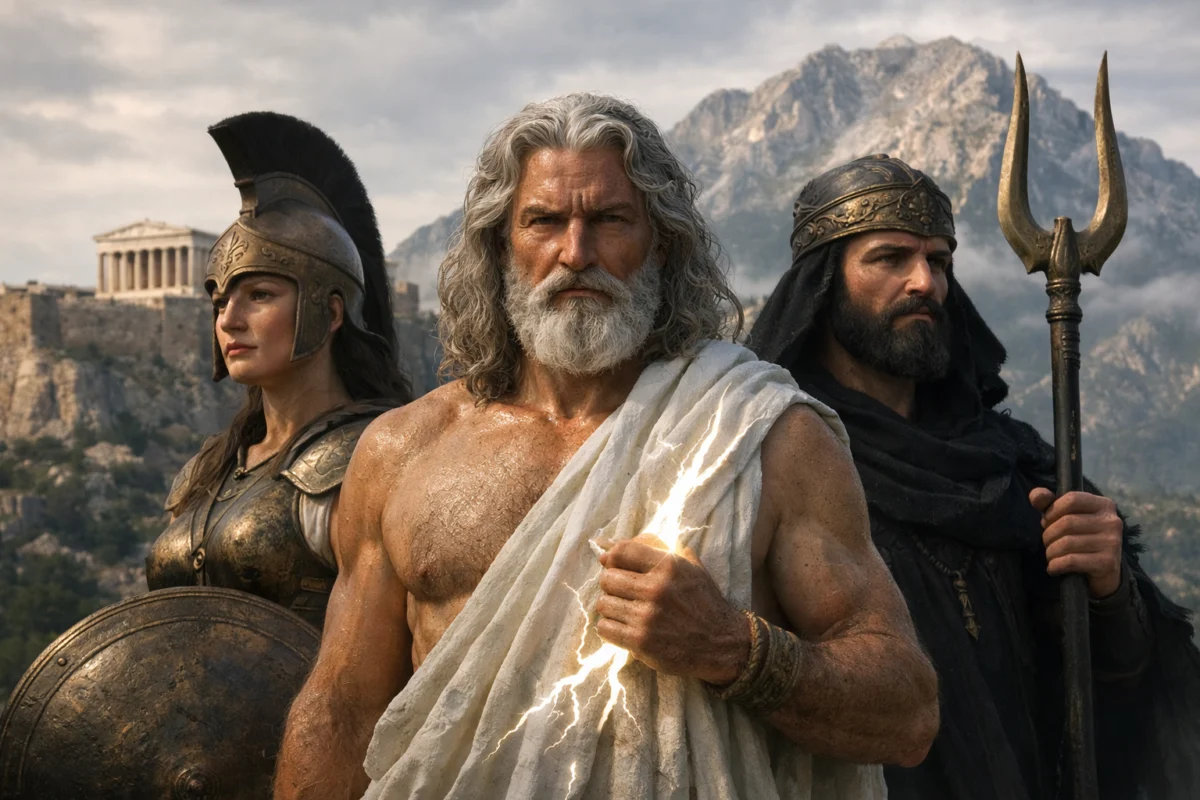
In Europe, dragon myths can be traced back to Greco-Roman traditions, where serpentine creatures like the Hydra and Ladon guarded sacred sites. These myths influenced medieval depictions of dragons as fearsome, treasure-hoarding beasts.
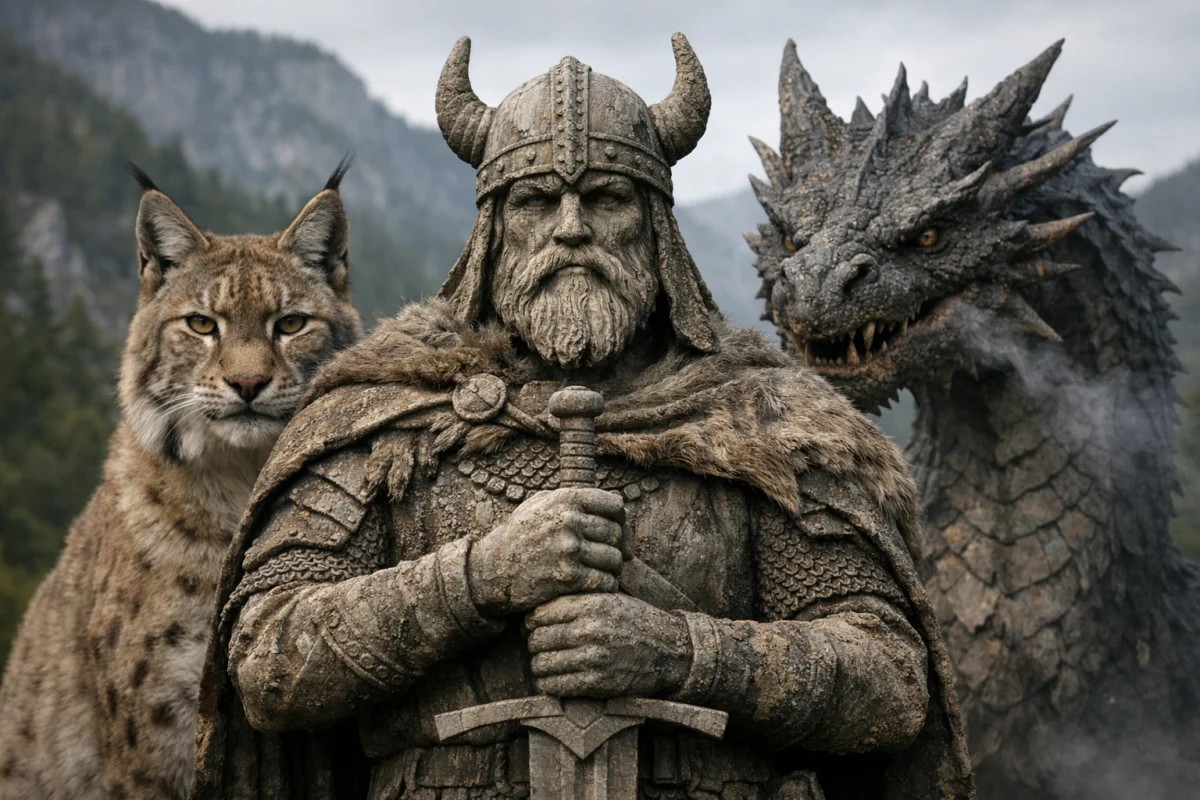
Dragons also appear in Norse mythology, with creatures like Jörmungandr, the world serpent, playing a significant role in apocalyptic prophecies. These stories highlight the dragon’s role as a powerful and destructive force.
Name Meaning
The word “dragon” derives from the Greek “drakōn,” meaning “serpent” or “giant sea fish.” This term reflects the creature’s serpentine nature and its association with water in many myths.

In Chinese, the word for dragon is “long” (龙), which signifies strength and good fortune. The character itself has evolved over time, reflecting the dragon’s importance in Chinese culture.
Latin languages use “draco,” derived from the same Greek root. This term influenced the English “dragon,” emphasizing the creature’s formidable and awe-inspiring characteristics.
Across cultures, the dragon’s name often conveys its mythical status and powerful nature. These linguistic roots highlight the creature’s enduring presence in human imagination.
Appearance
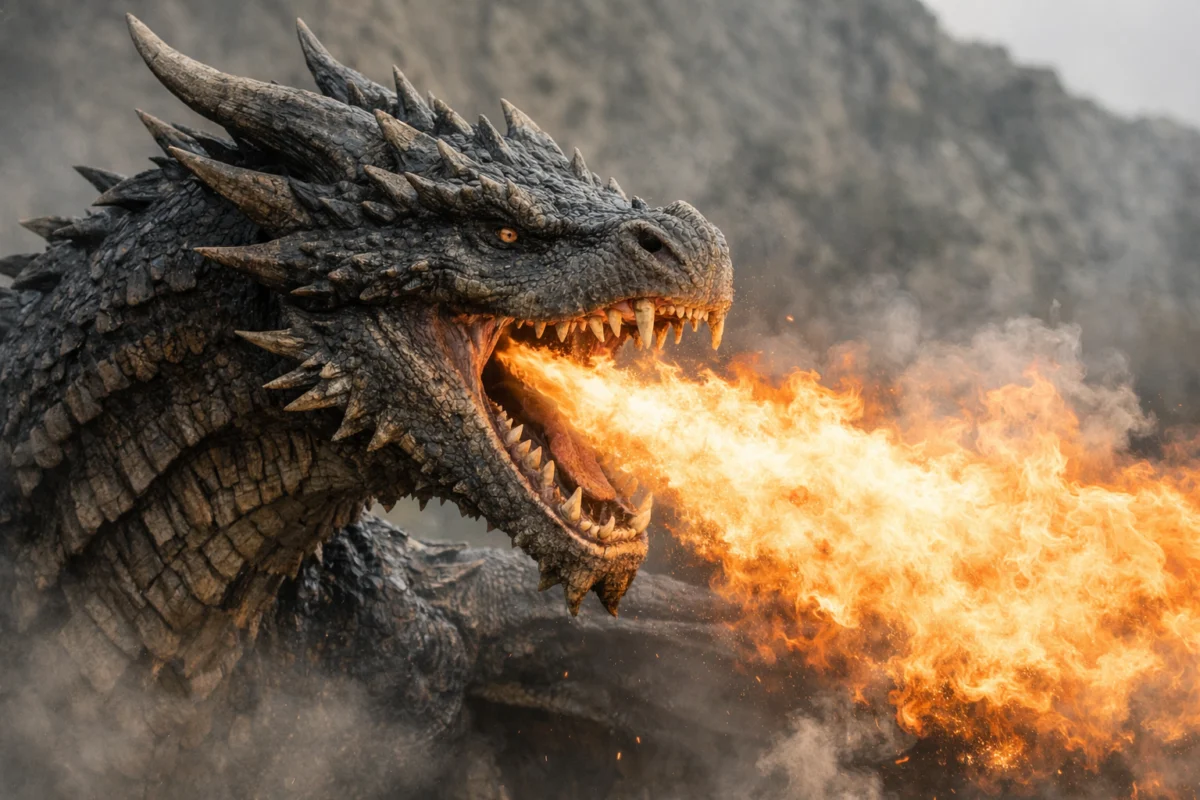
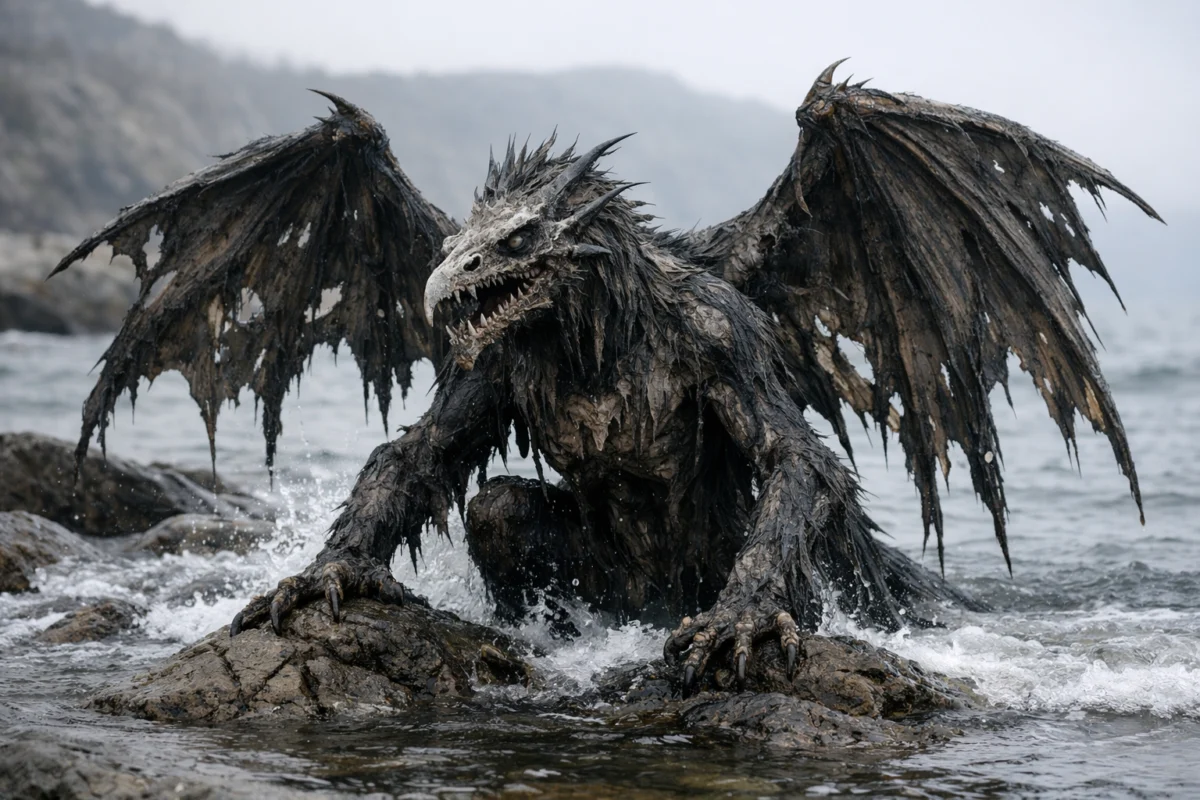
Dragons are typically depicted as large, reptilian creatures with wings, scales, and sharp claws. Their appearance varies across cultures, with Western dragons often portrayed as fire-breathing beasts.
In Eastern traditions, dragons are more serpentine, lacking wings but possessing the ability to fly. They are often depicted with long, flowing whiskers and a more benevolent expression.
Some dragons are shown with multiple heads, such as the Hydra in Greek mythology. This characteristic symbolizes their formidable power and ability to regenerate, making them challenging adversaries.
Despite variations, dragons are universally recognized as majestic, awe-inspiring creatures. Their diverse appearances reflect the cultural contexts in which they are imagined and revered.
Background Story
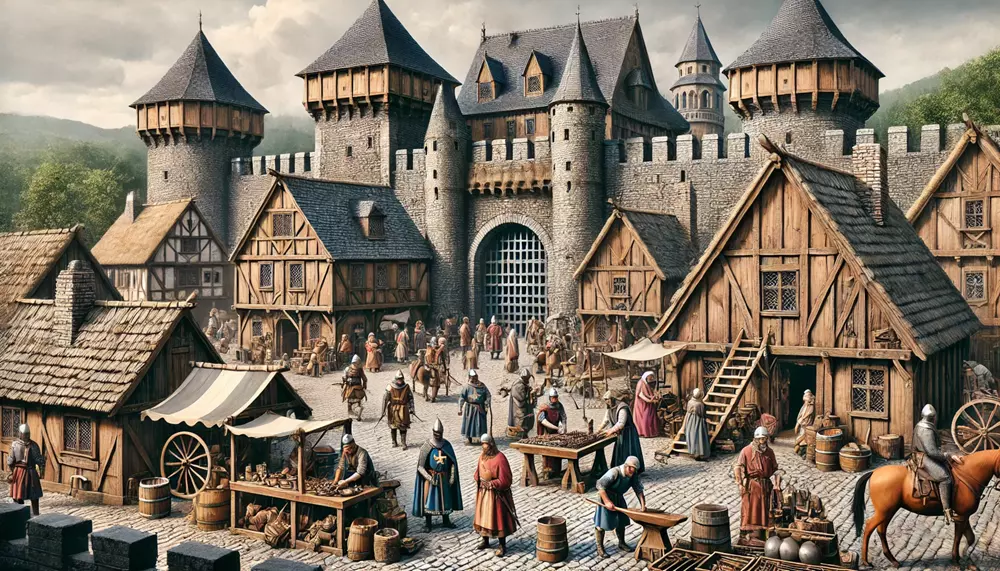
Dragons have been featured in numerous myths and legends, often serving as antagonists or powerful allies. In Western folklore, they are frequently depicted as treasure-guarding beasts, challenging heroes like St. George.
In Eastern mythology, dragons are revered as wise and benevolent creatures. They are often associated with water, controlling rain and rivers, and are considered protectors of the natural world.
The story of the dragon-slaying hero is a common motif in many cultures. These tales often symbolize the triumph of good over evil, with the hero overcoming seemingly insurmountable odds.
No verified sources describe specific rituals or ceremonies dedicated to dragons in ancient cultures. However, their presence in mythology underscores their symbolic significance and enduring appeal.
Famous Folklore Stories
St. George and the Dragon
The legend of St. George and the Dragon is one of the most famous tales of the Middle Ages.
It tells of Saint George, a Christian knight known for his courage and unwavering faith.
In the story, a fearsome dragon terrorizes a town, demanding regular human sacrifices. When the king’s daughter is chosen, despair spreads among the people as the beast prepares to claim her.
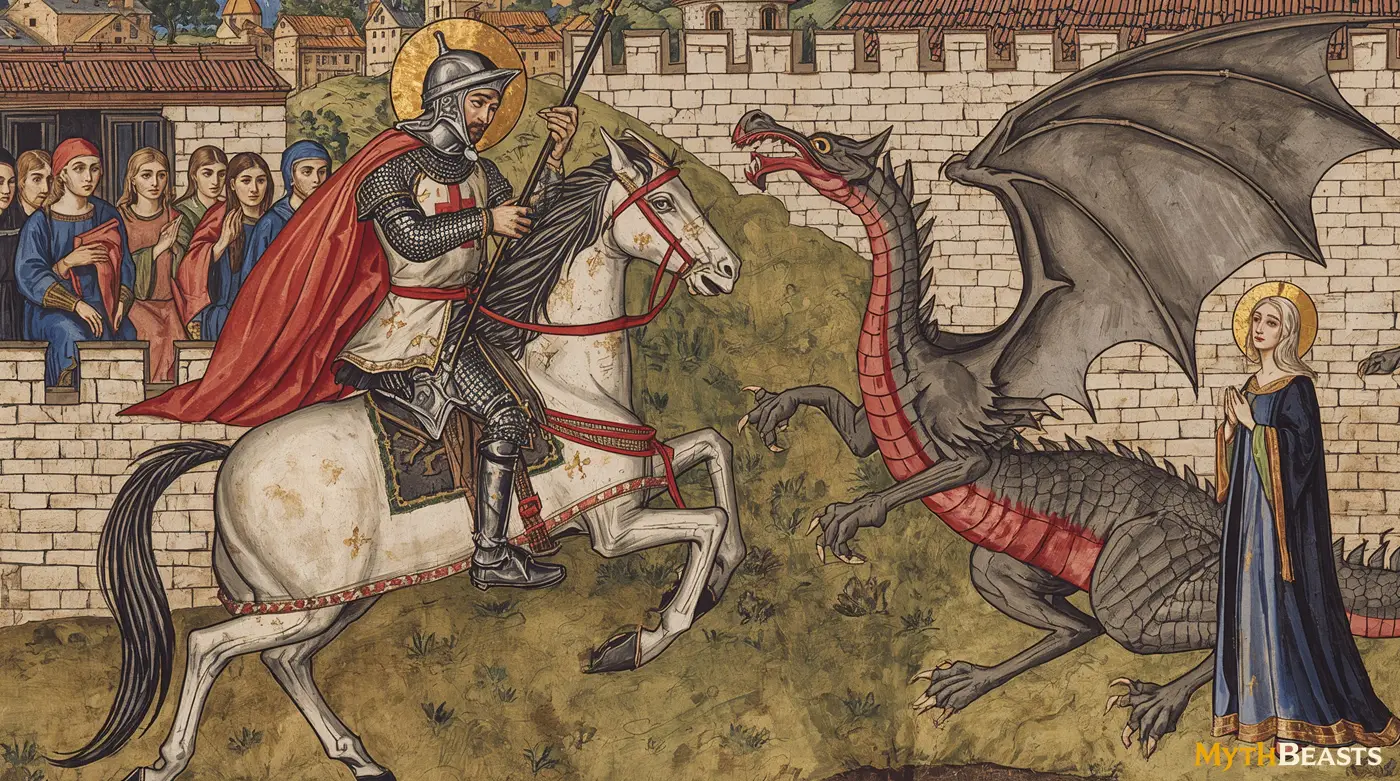
Saint George arrives as the princess awaits her fate. Calling upon his faith, he confronts the dragon, striking it down after a fierce struggle.
With the dragon slain, the town is saved. The people convert to Christianity, and the story comes to symbolize the eternal triumph of good over evil.
The Legend of Fafnir
From Norse mythology, Fafnir was a dwarf transformed into a dragon by his greed. The tale is part of the Völsunga Saga, where Sigurd, a hero, slays Fafnir to claim a cursed treasure.
This story explores themes of greed, transformation, and heroism. Sigurd gains wisdom by tasting Fafnir’s blood, highlighting the dragon’s role as a guardian of knowledge and riches.
The Dragon King of the Sea
In Chinese mythology, the Dragon King is a powerful deity controlling the seas and weather. He appears in various stories, most notably in “Journey to the West,” where he interacts with the protagonist, Sun Wukong.
The Dragon King represents authority over natural elements, embodying both benevolence and wrath. He is revered in Chinese culture as a symbol of power and protection.
Cultural Impact
Dragons have been significant in many cultures, symbolizing power, wisdom, and chaos. In medieval Europe, they often represented evil, serving as adversaries for saints and heroes in religious and moral tales.
In contrast, East Asian cultures view dragons positively, associating them with rain, fertility, and imperial authority. The Chinese dragon is a symbol of strength and good fortune, deeply rooted in cultural identity.
Modern scholars reinterpret dragons as archetypes reflecting human fears and desires. They are seen as representations of nature’s untamed forces and humanity’s struggle to conquer or coexist with them.
Some modern interpretations suggest dragons symbolize the unknown, embodying humanity’s curiosity and fear of what lies beyond understanding. This view highlights their enduring place in storytelling and imagination.
Similar Beasts
Long (Chinese Dragon)
The Long is the traditional Chinese dragon, a benevolent and highly revered mythological creature fundamentally different from Western dragons. Unlike destructive fire-breathers, the Long symbolizes cosmic order, wisdom, prosperity, and divine authority.
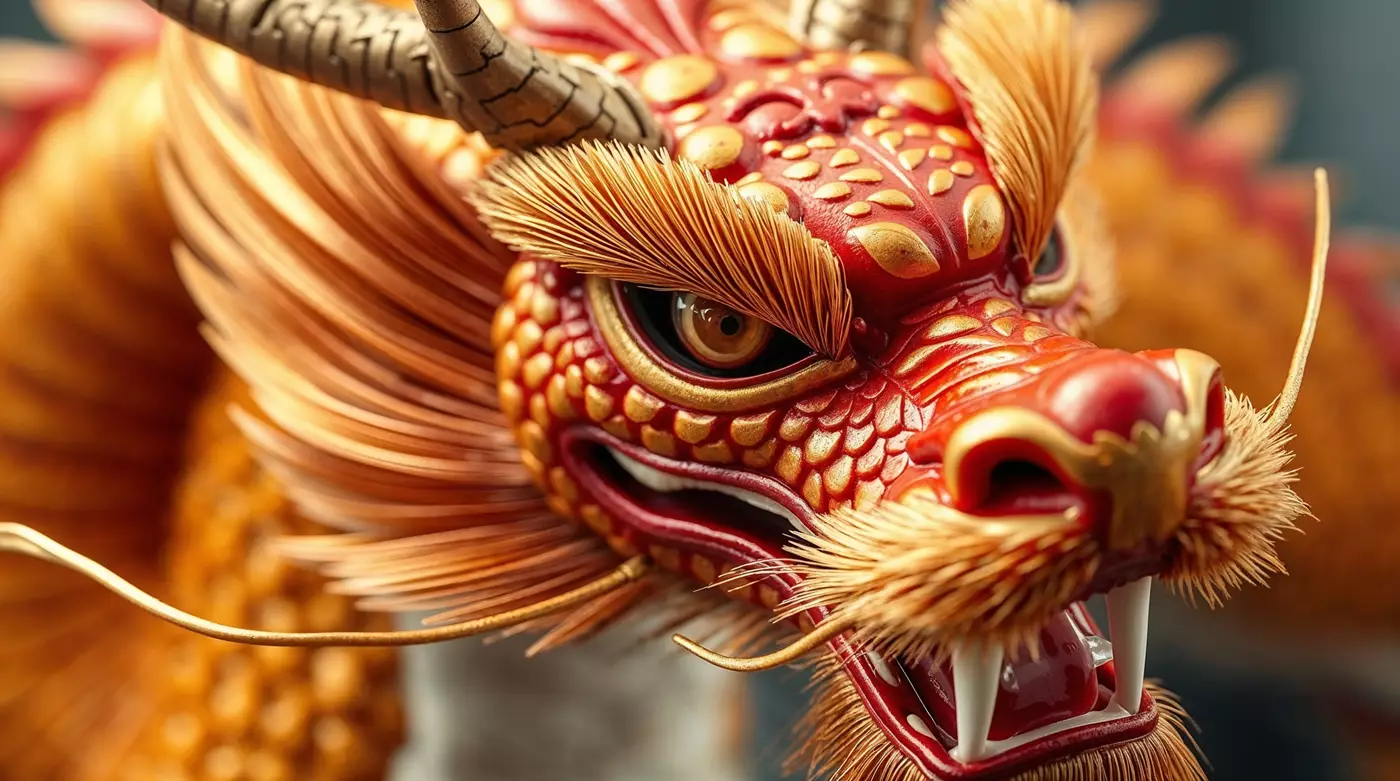
The Long is typically depicted as a serpentine, wingless dragon with a composite body combining features of multiple animals, including a camel’s head, deer antlers, carp scales, eagle claws, and a snake-like torso. Despite lacking wings, it possesses the supernatural ability to fly, reflecting its celestial nature.
In Chinese mythology, Long dragons are closely associated with water, governing rain, rivers, seas, and weather. They were believed to ensure agricultural fertility and balance between heaven and earth.
Because of this, dragons were honored rather than feared, appearing in rituals, festivals, and imperial symbolism.
Historically, the Long became an emblem of imperial power, reserved exclusively for emperors, who were considered the “Sons of Heaven.” Dragon imagery adorned thrones, robes, architecture, and ceremonial objects as symbols of legitimacy and harmony.
As a counterpart to Western dragons, the Long represents the constructive force of nature, embodying order rather than chaos. This contrast highlights how dragons adapt to cultural values while retaining their mythic grandeur across civilizations.
Wyvern
The wyvern is a dragon-like creature from European folklore, often depicted with two legs and wings. Unlike traditional dragons, wyverns are typically associated with pestilence and destruction, rather than wisdom or power.
Quetzalcoatl
In Mesoamerican mythology, Quetzalcoatl is a feathered serpent deity. While not a dragon in the traditional sense, Quetzalcoatl shares similarities in its serpentine form and association with creation and knowledge.
Naga
Nagas are serpent-like beings from Hindu and Buddhist traditions. Often depicted as protectors of water bodies, they share the dragon’s serpentine form and are revered for their wisdom and power.
Amphiptere
An amphiptere is a winged serpent found in European heraldry. It lacks legs, emphasizing its serpentine nature. Amphipteres are less common than dragons but share similar symbolic associations with chaos and protection.
Compare types of dragons
| Aspect | Dragon | Long | Wyvern | Drake |
|---|---|---|---|---|
| Appearance | Dragons are often depicted with large, scaly bodies and powerful wings. | Long dragons are characterized by their elongated bodies and multiple limbs. | Wyverns typically have two legs and wings, resembling a more reptilian form. | Drakes are smaller, often depicted without wings, resembling lizards or snakes. |
| Abilities | Dragons can breathe fire and possess magical abilities in many stories. | Long dragons are known for their control over water and weather phenomena. | Wyverns usually have venomous bites and sharp claws for hunting. | Drakes are often portrayed with enhanced strength and agility in combat. |
| Cultural Significance | Dragons symbolize chaos and destruction in Western mythology and folklore. | Long dragons are revered as symbols of wisdom and prosperity in Eastern cultures. | Wyverns are often seen as guardians of treasure in various legends. | Drakes are frequently associated with bravery and heroism in local tales. |
| Temperament | Dragons are often depicted as fierce and aggressive creatures in stories. | Long dragons are generally portrayed as wise and benevolent beings. | Wyverns are known for their territorial and aggressive nature. | Drakes are often shown as loyal companions or fierce protectors. |
| Habitat | Dragons are commonly found in mountainous or cavernous regions in myths. | Long dragons inhabit rivers, lakes, and oceans in many cultures' tales. | Wyverns are often associated with forests and high cliffs as their homes. | Drakes are typically found in caves or rocky terrains, emphasizing their stealth. |
| Legends | Dragons appear in ancient texts, art, and modern media across cultures. | Long dragons are featured prominently in Eastern art and literature. | Wyverns are popular in Western fantasy games and stories. | Drakes are often included in folklore as local legends or mythical creatures. |
Hydra
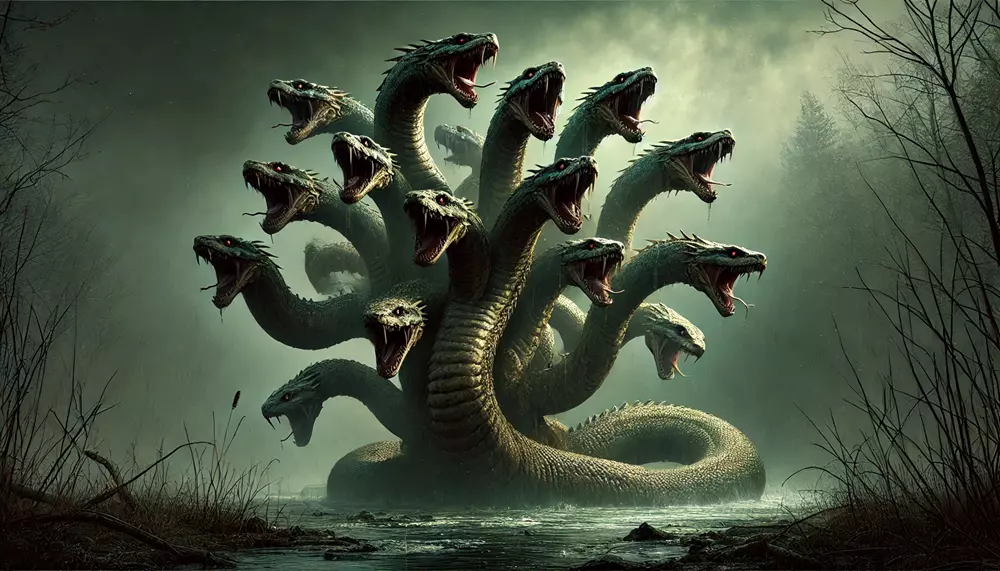
In Greek mythology, the Hydra is a multi-headed serpent slain by Hercules. While not a dragon, its regenerative abilities and monstrous form align it with dragon-like creatures in mythological symbolism.
Religion/Ritual
Dragons have played roles in religious contexts, often as symbols of chaos or divine power. In Christianity, dragons are frequently depicted as adversaries to saints, representing evil forces to be vanquished.
In East Asian cultures, dragons are revered in rituals, symbolizing rain and agricultural prosperity. The Chinese dragon dance, performed during festivals, is a well-known ritual celebrating the dragon’s auspicious qualities.
No verified sources describe specific dragon-worshiping rituals in ancient cultures. However, dragons’ presence in religious art and texts suggests their symbolic importance in spiritual narratives.
Some interpretations suggest dragons in rituals represent humanity’s attempt to understand and control natural forces. This view sees dragons as metaphors for the unpredictable elements of life and nature.
Scientific or Rational Explanations
No verified primary sources, historical records, or direct ritual descriptions exist for this aspect of the creature. Modern interpretations are speculative.
Historians and anthropologists propose various theories for the dragon myth’s origins. Some suggest dinosaur fossils inspired dragon legends, as ancient peoples found large, mysterious bones resembling those of mythical creatures.
Another theory posits that dragons are symbolic amalgamations of predators like snakes, crocodiles, and birds of prey. These animals’ characteristics may have combined in stories to form the dragon’s formidable image.
Some scholars argue dragons represent natural disasters, such as floods or volcanic eruptions, personified as monstrous creatures. This interpretation frames dragons as embodiments of nature’s destructive power.
Dragons may also symbolize psychological archetypes, embodying the human psyche’s darker aspects. This view sees dragons as manifestations of internal fears and conflicts, externalized in myth and legend.
Modern Cultural References
The Hobbit: An Unexpected Journey, film, 2012
Features Smaug, one of the most influential modern dragon portrayals, depicted as intelligent, manipulative, and devastatingly powerful, shaping contemporary cinematic interpretations of classic Western dragons.
https://www.imdb.com/title/tt0903624
Game of Thrones, television series, 2011–2019
Dragons function as symbols of political legitimacy and mass destruction, redefining modern fantasy dragons as strategic weapons capable of altering entire power structures and empires.
https://www.imdb.com/title/tt0944947
How to Train Your Dragon, animated film, 2010
Reimagines dragons as emotionally intelligent creatures capable of bonding with humans, fundamentally reshaping modern popular culture perceptions of dragons as companions rather than monsters.
https://www.imdb.com/title/tt0892769
Reign of Fire, film, 2002
Presents dragons as biologically plausible apex predators responsible for human near-extinction, offering a grounded, post-apocalyptic reinterpretation of dragons as ecological threats.
https://www.imdb.com/title/tt0253556
The Witcher, television series, 2019–present
Depicts dragons as rare, intelligent beings often disguised as humans, blending Slavic folklore with philosophical questions about survival, morality, and coexistence.
https://www.imdb.com/title/tt5180504
Spirited Away, animated film, 2001
Features a dragon form inspired by East Asian mythology, portraying dragons as spiritual beings tied to memory, identity, and natural forces rather than destruction.
https://www.imdb.com/title/tt0245429
Dungeons & Dragons, tabletop role-playing game, 1974–present
Established the modern fantasy dragon taxonomy, including chromatic and metallic dragons, ancient wyrms, and draconic deities, influencing nearly all contemporary fantasy settings.
https://dnd.wizards.com
The Elder Scrolls V: Skyrim, video game, 2011
Portrays dragons as ancient, intelligent beings bound to prophecy and language, positioning them as cosmic forces rather than simple monsters within a mythological framework.
https://elderscrolls.bethesda.net/en/skyrim
Dragon Age: Origins, video game, 2009
Features dragons as legendary apex entities tied to ancient gods and corruption, reinforcing their role as world-altering threats embedded in deep mythological history.
https://www.ea.com/games/dragon-age/dragon-age-origins
Eragon, novel, 2002
Centers on a magically bonded human-dragon relationship, portraying dragons as ancient, wise, and politically significant beings essential to balance and governance.
https://www.paolini.net/eragon
Conclusion
Dragons have captivated human imagination for centuries, appearing in diverse cultures and mythologies. They symbolize a range of concepts, from destruction and chaos to wisdom and protection.
Their portrayal varies widely, reflecting the values and fears of different societies. In Western traditions, dragons often embody malevolence, while in Eastern cultures, they are revered as benevolent and wise.
In modern times, dragons continue to fascinate, appearing in literature, film, and games. They serve as powerful symbols of strength and mystery, bridging the gap between the ancient and contemporary worlds.
As cultural icons, dragons inspire awe and wonder, reminding us of the enduring power of myth. Their presence in popular culture ensures that these legendary creatures remain relevant, adapting to new narratives and interpretations while retaining their timeless allure.
Further Reading
Dragon (mythical creature)
Encyclopaedia Britannica
Authoritative overview of dragon mythology across cultures, including origins, symbolism, and regional variations.
https://www.britannica.com/topic/dragon-mythological-creature
Fafnir
Encyclopaedia Britannica
Scholarly summary of the Norse dragon Fafnir, including his transformation, mythological role, and literary sources.
https://www.britannica.com/topic/Fafnir
Tiamat
Encyclopaedia Britannica
Overview of the Mesopotamian chaos-dragon Tiamat and her role in Babylonian creation mythology.
https://www.britannica.com/topic/Tiamat
Long (Chinese dragon) – Encyclopaedia Britannica
A reliable article focused specifically on the Chinese dragon (long), its symbolism, cultural role, and classifications within East Asian tradition.
https://www.britannica.com/topic/long
Dragons and Their Origins – English Heritage (British folklore perspective)
Explores how dragon myths appear in European and global folklore and offers theories on their origins and significance.
https://www.english-heritage.org.uk/visit/inspire-me/blog/articles/dragons-and-their-origins/