Introduction
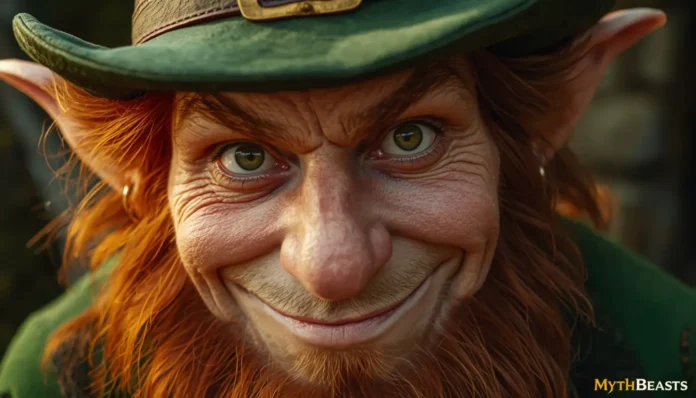
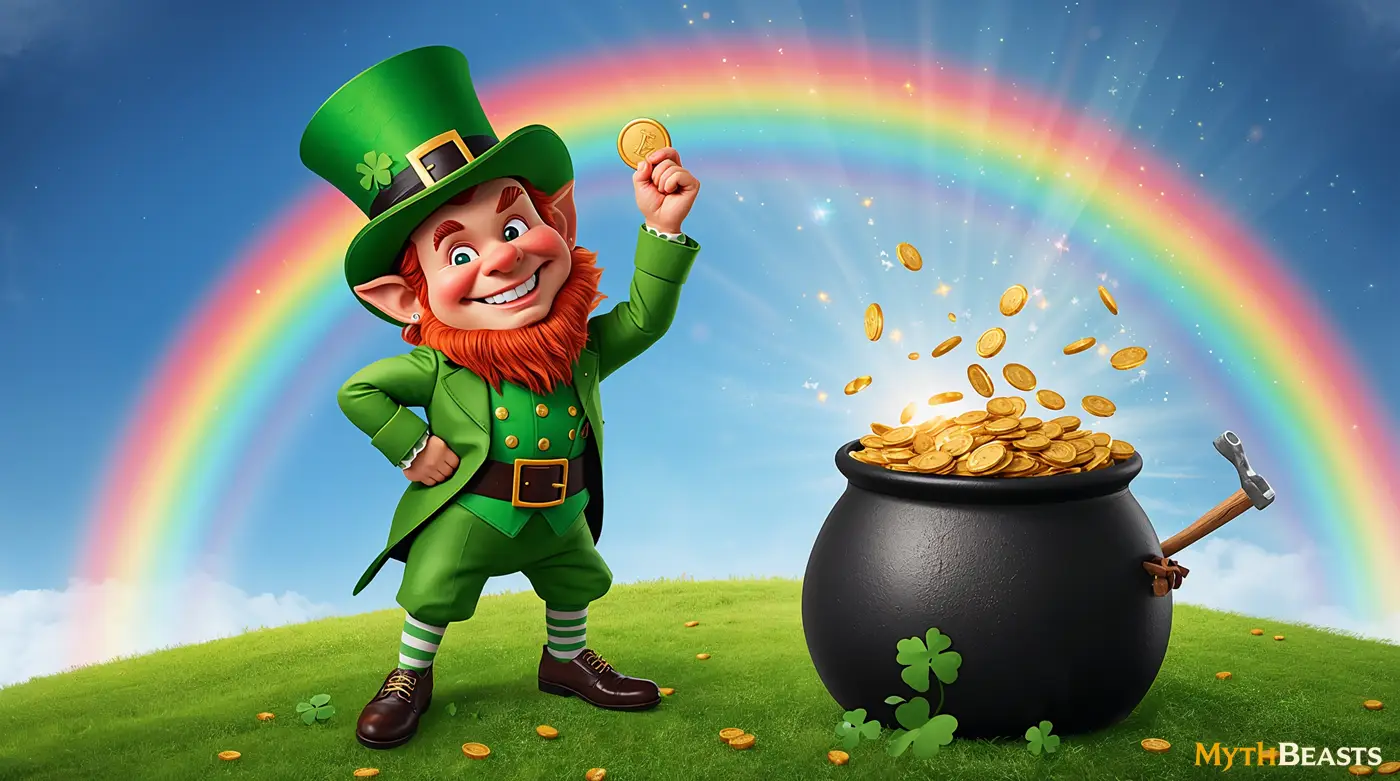
The leprechaun is a well-known figure in Irish folklore, often depicted as a small, mischievous fairy. These creatures are typically associated with wealth, particularly the elusive pot of gold hidden at the end of a rainbow.
Leprechauns are considered solitary beings, unlike other fairies who might live in groups. They are often portrayed as cobblers, a profession that is said to give them their wealth.
Despite their small stature, leprechauns are clever and tricky.
These mythical beings have become symbols of Irish culture and are often featured in stories, films, and festivities, particularly around St. Patrick’s Day. Their presence in folklore serves as a testament to Ireland’s rich mythical traditions.
While leprechauns are now a staple of popular culture, their origins and stories are deeply rooted in the oral traditions of Ireland. Over time, these tales have evolved, contributing to the modern image of the leprechaun.
History/Origin
The origins of the leprechaun can be traced back to ancient Irish mythology and oral traditions. They are believed to be part of the Aos Sí, a supernatural race in Irish folklore that includes various fairies and spirits.
Early references to leprechauns can be found in medieval Irish literature, where they are depicted as water spirits. Over time, these creatures became associated with the land and wealth, reflecting Ireland’s agrarian society.
As Irish folklore evolved, leprechauns became more defined in their characteristics, particularly their association with shoemaking and hidden treasures. This evolution reflects broader societal changes and the integration of various cultural influences.
Despite their prominence in folklore, there are no verified sources that provide a comprehensive historical account of leprechauns. Much of what is known comes from oral traditions and later literary interpretations.
Name Meaning
The name “leprechaun” is believed to derive from the Old Irish word “luchorpán,” meaning “small body.” This etymological origin reflects the creature’s diminutive stature, a consistent feature in their portrayal.
Another possible origin of the name is “leath bhrógan,” which translates to “shoemaker.” This aligns with the leprechaun’s traditional role as a cobbler, emphasizing their connection to craftsmanship and wealth.
Over time, the name has evolved through various linguistic influences, including English and Gaelic, resulting in the modern term “leprechaun.” This evolution mirrors the broader cultural exchanges that have shaped Irish folklore.
Despite these linguistic origins, no verified sources definitively pinpoint the exact etymology of the term. The name’s evolution is reflective of the complex interplay between language and myth.
Appearance
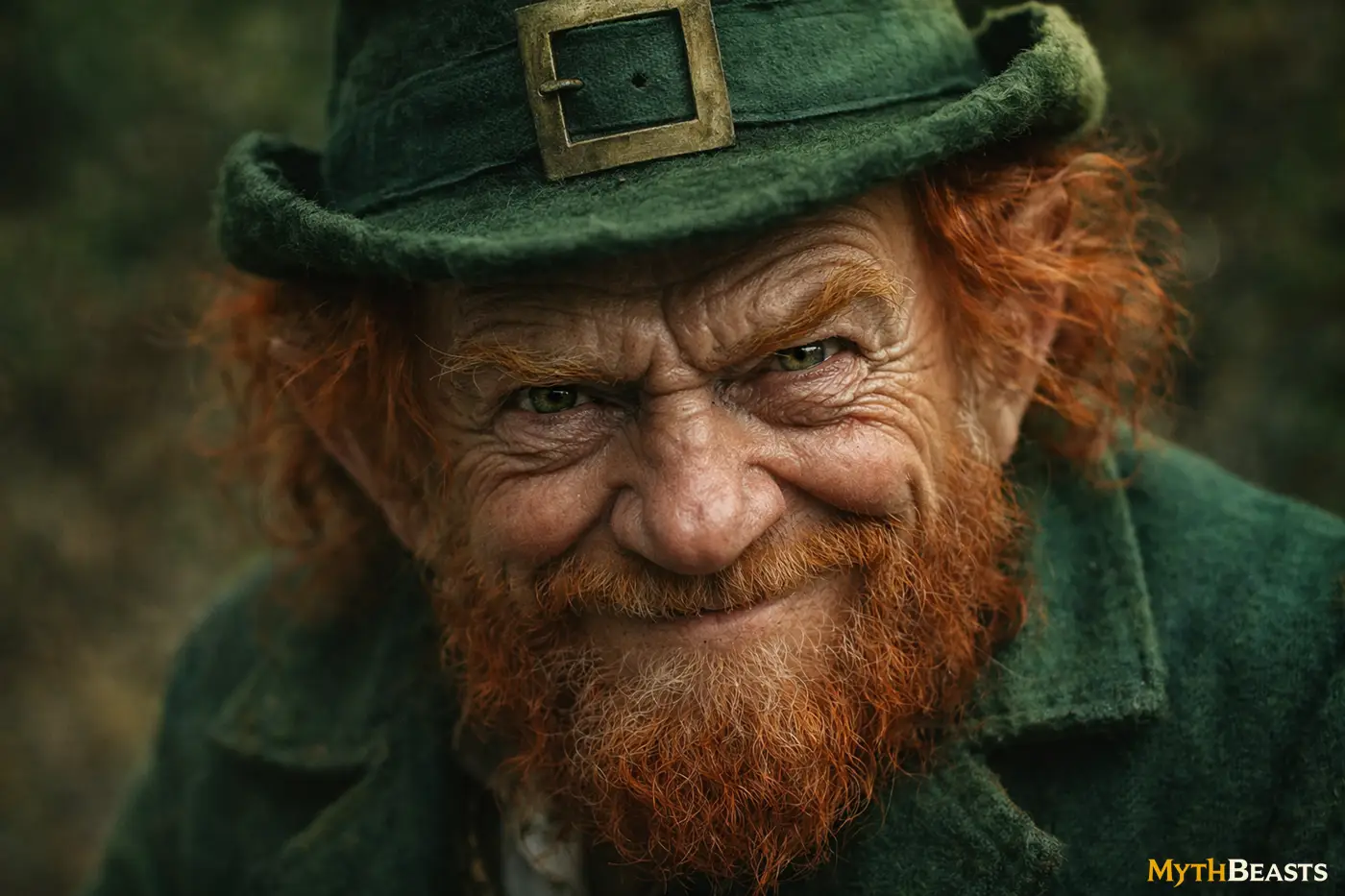
Leprechauns are traditionally depicted as small, elderly men, often dressed in green or red coats. This attire is sometimes complemented by a hat and buckled shoes, adding to their distinctive appearance.
Their small size, typically around three feet tall, emphasizes their fairy-like nature. This diminutive stature is a key element in their folklore, often highlighting their cunning and agility.
In addition to their clothing, leprechauns are sometimes depicted with a beard, further enhancing their image as wise, albeit mischievous, figures. This portrayal is consistent across various stories and artistic representations.
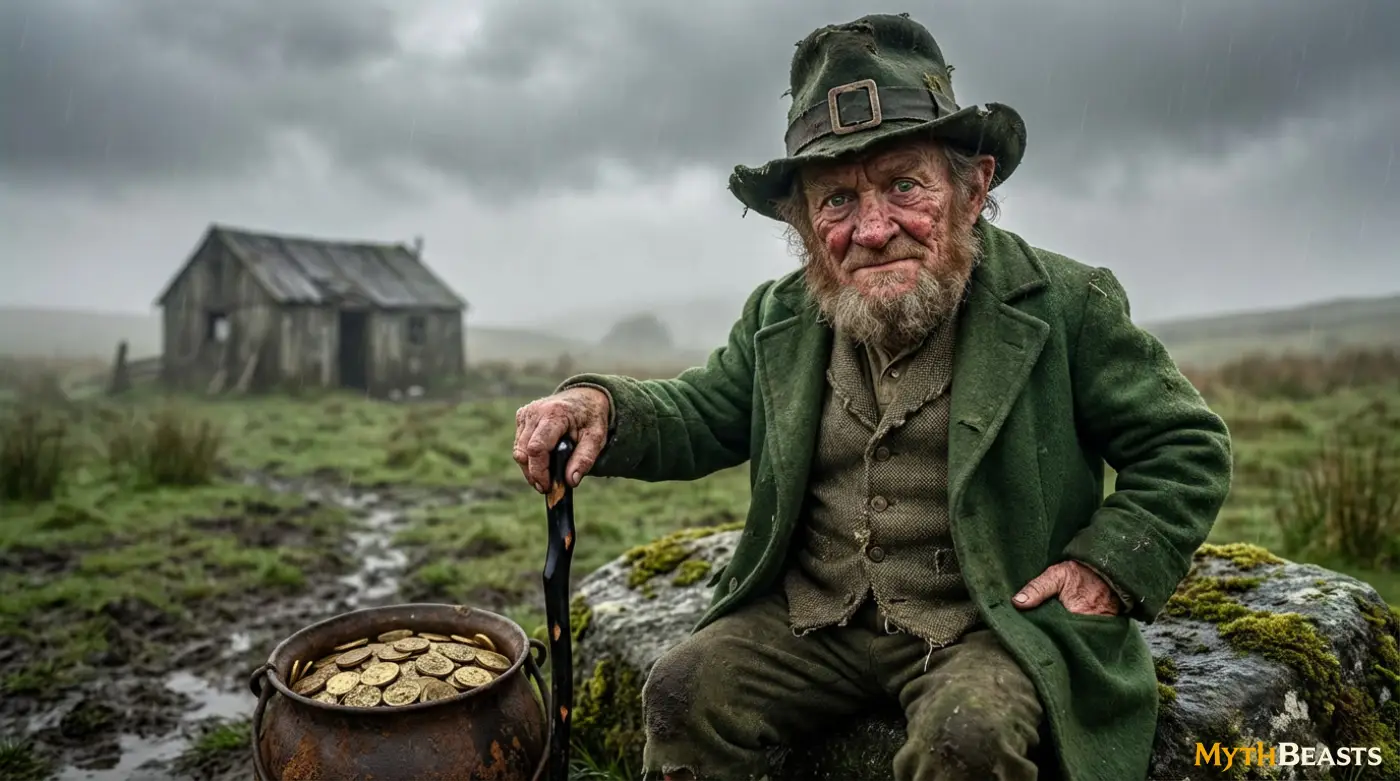
While the modern image of the leprechaun is well-established, variations exist in older folklore. Some accounts describe them in different colors or with unique features, reflecting regional storytelling traditions.
Background Story
Leprechauns are often portrayed as solitary, industrious creatures who spend their time making shoes. This occupation is said to be the source of their wealth, which they famously hoard in hidden pots of gold.
One popular aspect of leprechaun lore is their cleverness and trickery. These traits make them difficult to capture, and if caught, they are said to grant three wishes in exchange for their release.
Despite their mischievous nature, leprechauns are not malevolent. Their tricks are often playful rather than harmful, reflecting their role as guardians of hidden treasures in the folklore.
No verified sources describe specific rituals or ceremonies associated with leprechauns. Their stories are largely shaped by oral traditions and later literary adaptations.
Famous Folklore Stories
The Leprechaun’s Gold
“The Leprechaun’s Gold” is a traditional Irish tale involving Seamus, a kind-hearted old man, and his greedy neighbor, Patrick. Seamus helps a leprechaun, who rewards him with a pot of gold, hidden at the end of a rainbow.
Patrick, filled with envy, captures the leprechaun but demands more gold. The leprechaun tricks Patrick with a promise of gold buried under a marked tree, but all the trees are marked by morning.
The Shoemaker’s Gift
In “The Shoemaker’s Gift,” a poor cobbler named Fergus finds a leprechaun struggling with a shoemaking task. Fergus helps the leprechaun, who in gratitude offers him a single wish.
Fergus wisely wishes for prosperity.
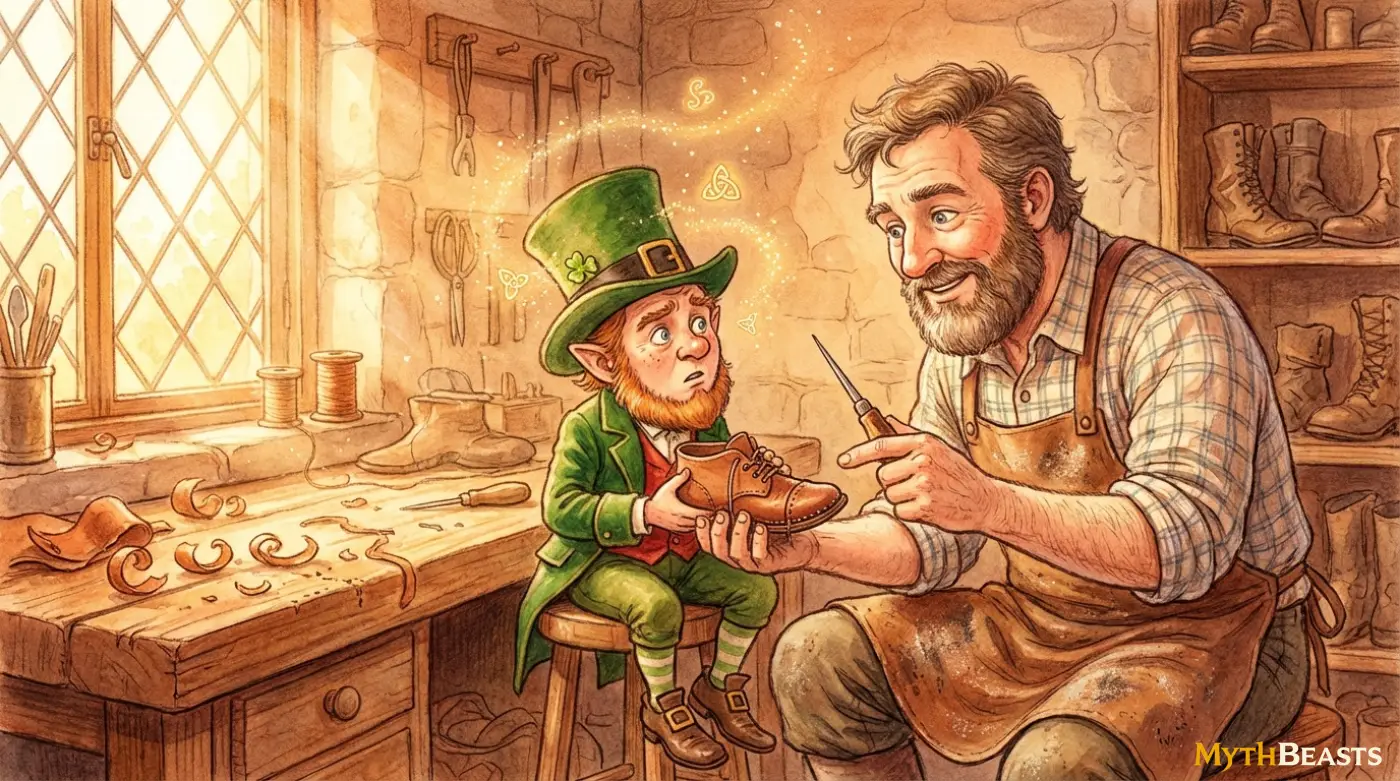
The leprechaun grants the wish, and Fergus’s business flourishes. The story emphasizes the virtues of kindness and humility, illustrating how good deeds can lead to unexpected rewards, a common theme in leprechaun folklore.
Cultural Impact
Leprechauns have long been a symbol of Irish folklore, representing the cunning and mischievous spirit of the Irish people. Traditionally, they were seen as solitary creatures, connected to the fairy world.
Historically, leprechauns were believed to be shoemakers for other fairies, which explains their association with wealth and craftsmanship. Their stories often involve themes of trickery and cleverness, reflecting cultural values.
In modern times, leprechauns have been commercialized, especially during St. Patrick’s Day celebrations. They are often depicted in green clothing, a shift from their earlier red attire, and associated with good luck.
Scholars note that the leprechaun’s image has evolved, with contemporary interpretations focusing more on their playful and harmless nature, a departure from older, more sinister depictions.
Modern reinterpretations also highlight the leprechaun as a symbol of Irish identity and resilience, showcasing how folklore adapts to cultural changes over time.
Similar Beasts
Clurichaun
The Clurichaun is a close relative of the leprechaun, known for its love of wine and mischief. Unlike leprechauns, Clurichauns are often depicted as household spirits, protecting wine cellars and causing trouble when angered.
Fairy
Fairies are mythical creatures found in various cultures, often associated with nature and magic. Like leprechauns, they are linked to the supernatural realm and are known for their playful and sometimes mischievous behavior.
Trasgu
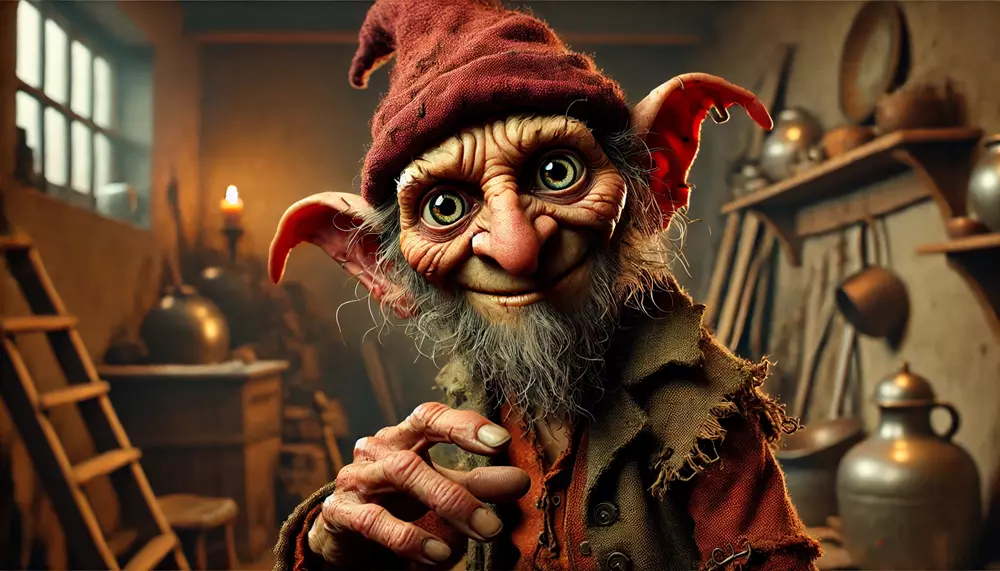
The Trasgu is a troublesome house spirit from Asturian folklore, sharing the leprechaun’s small stature, trickster nature, and moral lessons, often rewarding kindness while tormenting greed through clever pranks and impossible tasks. Read More
Brownie
Brownies are household spirits from Scottish folklore, known for helping with chores in exchange for small gifts. They share the leprechaun’s affinity for domestic work and their tendency to vanish if offended.
Leprechaun compared to Clurichaun and Cobbler
| Aspect | Leprechaun | Clurichaun | Trasgu |
|---|---|---|---|
| Origin | Leprechauns originate from ancient Irish mythology and are part of the Aos Sí. | Clurichauns are also rooted in Irish folklore but are less well-known than leprechauns. | Trasgu has origins in Asturian mythology, distinct from Irish traditions. |
| Appearance | Leprechauns are typically depicted as small, bearded men wearing green coats and buckled shoes. | Clurichauns are often shown as similar in size but usually wear a red coat instead. | Trasgu is portrayed as a small, mischievous creature with a distinctive cap. |
| Personality | Leprechauns are known for their cleverness and trickery, often outsmarting humans. | Clurichauns are more boisterous and prone to mischief, especially when drunk. | Trasgu is characterized by its playful nature and love for causing chaos. |
| Habitat | Leprechauns are solitary beings, preferring to live alone in hidden places. | Clurichauns are said to inhabit cellars and are often associated with wine. | Trasgu is known to dwell in caves and is often linked to rural areas. |
| Role in Folklore | Leprechauns are symbols of wealth and are often associated with hidden treasures. | Clurichauns are considered guardians of wine and are linked to drunken revelry. | Trasgu is known for its role in folklore as a mischievous spirit. |
| Cultural Significance | Leprechauns have become iconic figures in Irish culture and celebrations, especially St. Patrick's Day. | Clurichauns, while less popular, still hold a place in Irish storytelling traditions. | Trasgu is celebrated in Asturian culture, representing local folklore and traditions. |
Kobold
Kobolds are Germanic spirits, often associated with mines and household tasks. Similar to leprechauns, they are known for their industrious nature, but they can become troublesome if disrespected or neglected.
Religion/Ritual
No verified sources describe religious rituals specifically for leprechauns. They are primarily figures of folklore rather than religious or ritualistic significance, often appearing in oral traditions and cultural storytelling.
Some interpretations suggest that leprechauns may have originated from ancient Irish deities or spirits, but this remains speculative without direct evidence from historical texts or archaeological findings.
While leprechauns are often included in modern celebrations like St. Patrick’s Day, these events are more cultural than religious, lacking any traditional rituals or ceremonies linked to leprechauns themselves.
Contemporary interpretations sometimes incorporate leprechauns into neo-pagan practices, but these are modern adaptations rather than historically verified rituals, reflecting current cultural and spiritual trends.
Overall, leprechauns are primarily cultural icons rather than religious figures, with no direct evidence of ancient religious practices or rituals dedicated to them.
Scientific or Rational Explanations
Some historians suggest that leprechauns might symbolize the hidden wealth of Ireland, represented by gold at the end of a rainbow. This theory connects folklore to Ireland’s historical economic struggles.
Anthropologists theorize that leprechaun tales may have served as moral lessons, teaching virtues like humility and cleverness. These stories likely functioned as social tools for imparting cultural values and norms.
Another hypothesis is that leprechauns are remnants of ancient pagan beliefs, transformed over time into folklore. This idea suggests cultural evolution from religious figures to mythical beings.
Some scholars propose that leprechaun stories reflect human interactions with nature, symbolizing the unpredictable and mysterious aspects of the natural world, as seen in their association with rainbows and hidden treasures.
Overall, while leprechauns remain a fascinating subject of study, these explanations are speculative, highlighting the complex interplay between folklore, culture, and history.
Leprechauns in Comic Books
Marvel Comics and Folklore-Inspired Fairy Folk
Marvel Comics has incorporated leprechauns as part of its broader magical and fairy folklore background, especially in stories involving supernatural realms. These appearances treat leprechauns as cunning fairy beings connected to illusion, hidden gold, and trickery rather than heroic figures.
They function as world-building elements within Marvel’s mythic cosmology.
Hellboy and Dark Irish Folklore
Mike Mignola’s Hellboy series frequently draws from Irish and Celtic folklore, presenting fairy folk closely aligned with traditional leprechaun traits such as deception, cruelty, and strict supernatural rules. These beings are dangerous and ancient, reflecting pre-modern folklore rather than modern pop imagery.
British Comics and Satirical Tricksters
British comics have used leprechaun-like figures in satirical and subversive ways, often exaggerating greed and chaos. These portrayals lean heavily into social commentary rather than folklore accuracy, using the trickster archetype common to leprechaun myths.
Independent Comics and Dark Reinterpretations
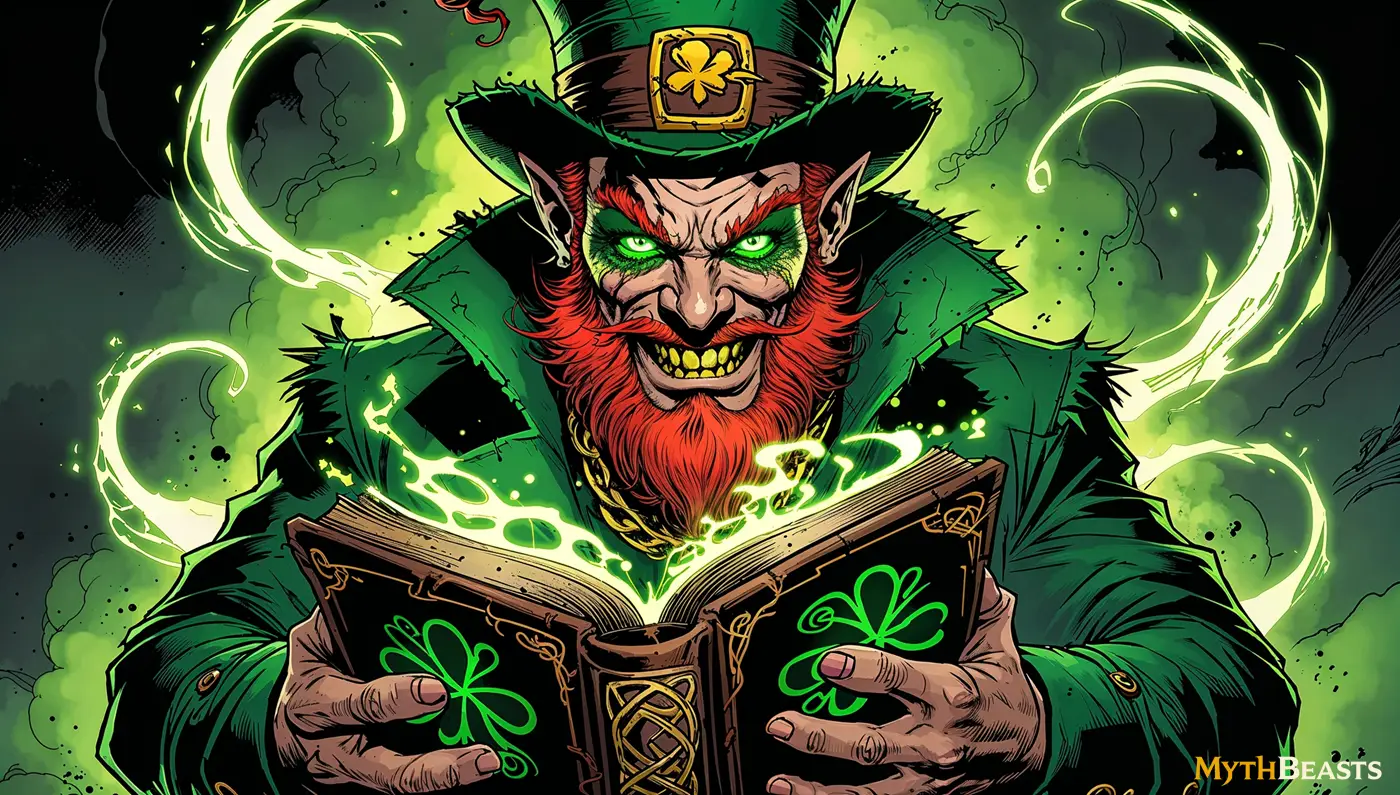
Independent comics frequently reinterpret leprechauns as cursed tricksters, criminals, or morally gray supernatural beings. These versions blend folklore with horror and psychological drama, emphasizing obsession with gold, manipulation, and consequence.
Modern Cultural References
Darby O’Gill and the Little People, film, directed by Robert Stevenson, 1959. This Disney film portrays leprechauns as mischievous yet charming creatures, showcasing their interactions with humans. IMDB
Leprechaun, film series, created by Mark Jones, 1993. This horror-comedy series depicts a malevolent leprechaun seeking revenge and his stolen gold, blending folklore with horror elements. IMDB
Lucky Charms, cereal, General Mills, introduced in 1964. The cereal’s mascot, Lucky the Leprechaun, popularizes the image of leprechauns as whimsical guardians of treasure. General Mills
The Dresden Files, novel series by Jim Butcher, 2000–present. Leprechauns appear as magical beings within the urban fantasy setting, contributing to the rich tapestry of mythical creatures. Jim Butcher
American Gods, TV series, developed by Bryan Fuller and Michael Green, 2017. Features a leprechaun character named Mad Sweeney, whose backstory explores traditional Irish folklore. IMDB

Conclusion
Leprechauns have evolved from their roots in Irish folklore, where they were seen as solitary and mischievous fairies. Today, they symbolize the playful and magical aspects of Irish culture, often associated with luck and hidden treasures.
Their image has been adapted in various modern media, from films to cereals, reflecting their enduring appeal.
The leprechaun’s role as a guardian of hidden gold and a symbol of cunning and trickery continues to capture the imagination. Despite their transformation in popular culture, leprechauns remain an enduring emblem of Irish heritage, embodying the enchantment and mystery of the country’s mythological past.
Further Reading
Irish Myths, What Do Leprechauns Look Like?
A focused cultural article detailing historical descriptions, clothing, and traits of leprechauns in Irish folklore, including early accounts that pre-date modern stereotypes.
What Do Leprechauns Look Like? (IrishMyths.com)
Ancient-Origins, Leprechauns: The Little People of Irish Folklore
An in-depth article on leprechauns as part of Ireland’s mythological tradition, covering their role as “little people,” their association with treasure, and how they fit into Celtic folklore.
Leprechauns: The Little People of Irish Folklore
EBSCO Research Starters, Leprechauns (Folklore Overview)
A scholarly overview of leprechauns in traditional Irish folklore, discussing their origins, traits, and evolution into modern cultural symbols.
(Access may require library or institutional login.) Leprechauns (EBSCO Research Starters)
YourIrish, Legend Of The Irish Leprechauns
A specific written account of leprechaun folklore, focusing on their behavior, lifestyle, and stories associated with their hidden gold and cunning nature.
Legend Of The Irish Leprechauns (YourIrish.com)
Dúchas.ie, Schools’ Collection (Folklore Archive)
Part of Ireland’s National Folklore Collection, this entry provides authentic oral-history material and firsthand folklore recordings about leprechauns collected from rural communities.
Leprechauns · The Schools’ Collection (Dúchas.ie)