Intro/Summary
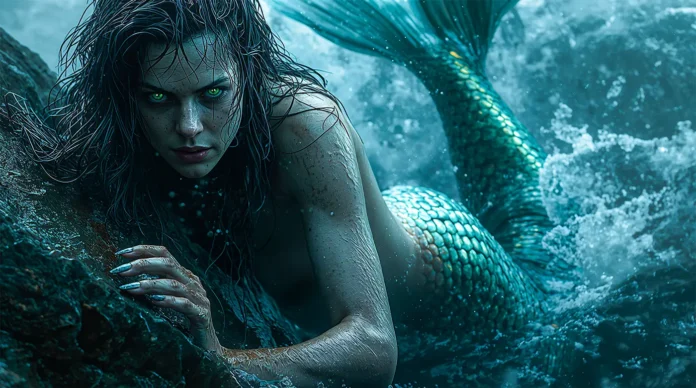
Mermaids are among the most enduring creatures of myth. They appear across cultures, carrying deep symbolic meanings tied to oceans and human imagination.
Part woman, part aquatic being, they embody beauty, danger, mystery, and transformation.
They are not simply sea monsters. Instead, they represent duality. Mermaids can rescue sailors or destroy them.
They can guide ships safely to shore or drag crews beneath the waves. This ambiguity makes them fascinating and dangerous.
In many cultures, mermaids mark boundaries. They live where human life ends, at the edge of land and sea.
This liminal role makes them perfect symbols for transformation, desire, and fear of the unknown.
From Atargatis in Syria, to Greek Sirens, to European Melusine, the mermaid’s form evolved while its symbolism persisted. Every tradition blended beauty with peril.
The result is a myth that has lasted for thousands of years.
History/Origin
The earliest mermaid-like figure is Atargatis, a goddess worshipped in ancient Syria around 1000 BCE. She loved a mortal shepherd, but when tragedy struck, she cast herself into a lake.
Ashamed, she transformed into a fish-bodied goddess.
Greek writers later described Atargatis. Diodorus Siculus recorded her cult at Ascalon, where priests worshipped her as a divine being.
Her temples blended fertility rituals with aquatic imagery, binding her to the mythic role of the first mermaid.
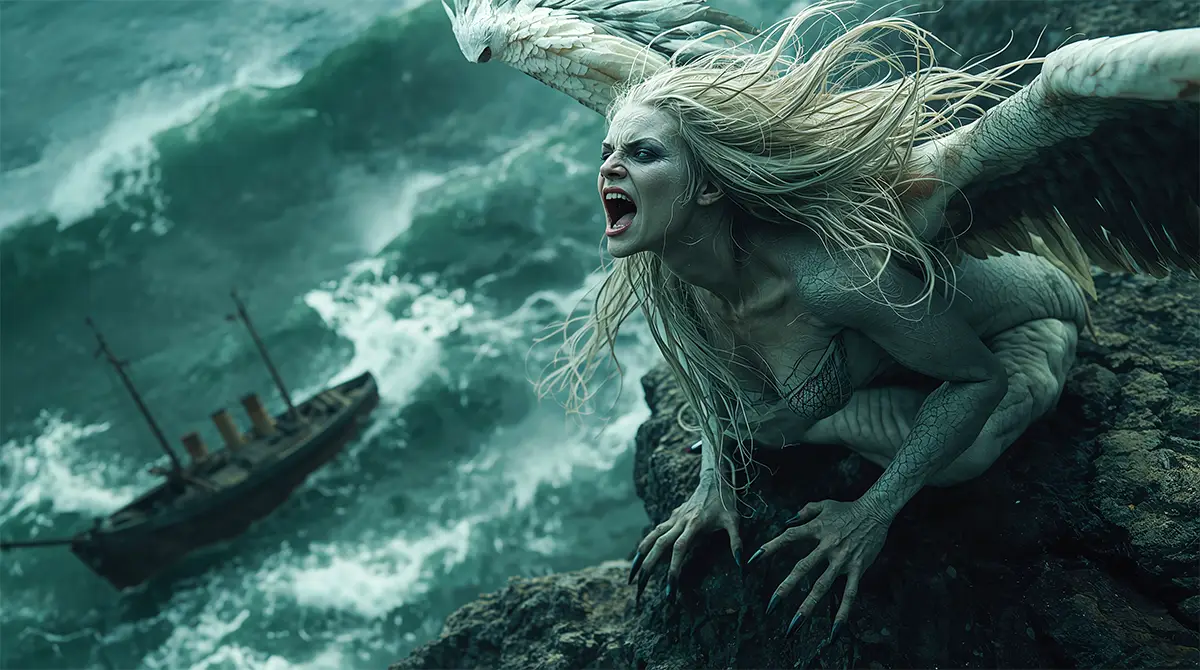
In Greek mythology, Sirens were originally depicted as bird-women. They sang irresistible songs that lured sailors to destruction.
Over time, particularly during the Hellenistic period, their form shifted into aquatic maidens. Their role, deadly singers, remained unchanged.
“And they sang, telling us to pull in our sail and come to them, to hear their voices, for they knew all things that were to come.” (Homer, Odyssey, 8th century BCE)
Romans inherited these myths and expanded them. They connected Sirens with Nereids, sea-nymphs who were daughters of the sea god Nereus.
Some Nereids guided sailors safely. Others drowned them. This mixture reinforced the duality at the heart of mermaid lore.
Medieval Europe added new layers. In bestiaries, mermaids warned against vanity, often shown holding combs and mirrors. These images became moral lessons.
To medieval Christians, the mermaid symbolized temptation and the dangers of lust.
The Melusine story, from France in the 14th century, introduced a different twist. Jean d’Arras described her as a woman cursed to transform into a serpent or fish on Saturdays.
Her tale merged romance, secrecy, and transformation.
By the Renaissance, mermaids filled maps and heraldry. They appeared on coats of arms, warning of the perils of the sea.
Cartographers drew them in uncharted waters, signaling both mystery and danger.
From Syrian temples to Greek songs, medieval manuscripts, and Renaissance maps, mermaids evolved while retaining their central identity. They embodied both allure and threat, a reflection of humanity’s uneasy relationship with the sea.
Name Meaning
The English word “mermaid” comes from Old English. It combines mere (sea) and maid (young woman). It simply means “sea-woman,” reflecting her role as both feminine and aquatic.
The Greek name Seirēn originally described bird-like creatures. By the Hellenistic period, the word shifted to describe aquatic seductresses.
This transformation mirrors cultural shifts that tied temptation directly to the sea.
The Latin tradition emphasized “sirenes,” blending them into Roman natural histories and moral lessons. Early Christian authors adopted the word to describe dangerous temptations in human form.
In French, Melusine became a distinct figure. Her name connects to medieval romances, where she symbolized lineage, transformation, and tragic love.
This shows how language adapted the myth for cultural needs.
“FOR THE SEA-MAID IS BOTH WOMAN AND OCEAN, HER NAME BORN FROM WATERS AND DESIRE.” (Medieval Bestiary, 12th century)
Norse and Celtic traditions also contributed. In Ireland, the merrow described sea-maidens with red caps. In Scotland, selkies, seal-women who shed their skins, shared themes of duality and enchantment.
Names shifted, but meanings remained tied to femininity, mystery, and the sea.
Appearance
Descriptions of mermaids vary widely. Atargatis was shown as a goddess with a fish body, less human than later depictions.
Greek Sirens combined human traits with bird or aquatic forms, emphasizing strangeness rather than beauty.
As the myth evolved, appearance shifted. By medieval Europe, mermaids were drawn as beautiful women above the waist with fish tails below.
Artists often placed combs and mirrors in their hands, moralizing symbols of vanity and sin.
“THE MERMAID, WITH HER BRIGHT MIRROR AND COMB, IS A WARNING AGAINST THE LURES OF BEAUTY.” (Physiologus, 3rd century CE)
Some legends describe their tails as shimmering silver or green. Others claim they had scales that gleamed like jewels. Their beauty was meant to be irresistible, concealing their dangerous nature.
Medieval bestiaries portrayed them with lion-like features or double tails. These strange traits underscored their monstrous and seductive duality.
The Melusine often appeared with twin tails, an image later borrowed by modern emblems like the Starbucks logo.
By the Renaissance, mermaids were fully standardized into the half-woman, half-fish form we know today. Maps showed them playing harps, combing their hair, or luring sailors into storms.
Their visual form became iconic.
Modern depictions further soften their image. They are almost always drawn as graceful and benevolent, their monstrous aspects erased. This evolution shows how cultures chose which traits to remember.
Background Story
Mermaid stories rarely follow epic narratives. Instead, they revolve around encounters with humans. Sailors told of meeting mermaids on lonely seas.
Some stories described rescue, others destruction. These tales blended real dangers of the ocean with myth.
A recurring theme is seduction. Mermaids often lure sailors with song or beauty. Once enchanted, men lose control, steering ships into rocks or plunging into the sea.
These stories explain shipwrecks through supernatural causes.
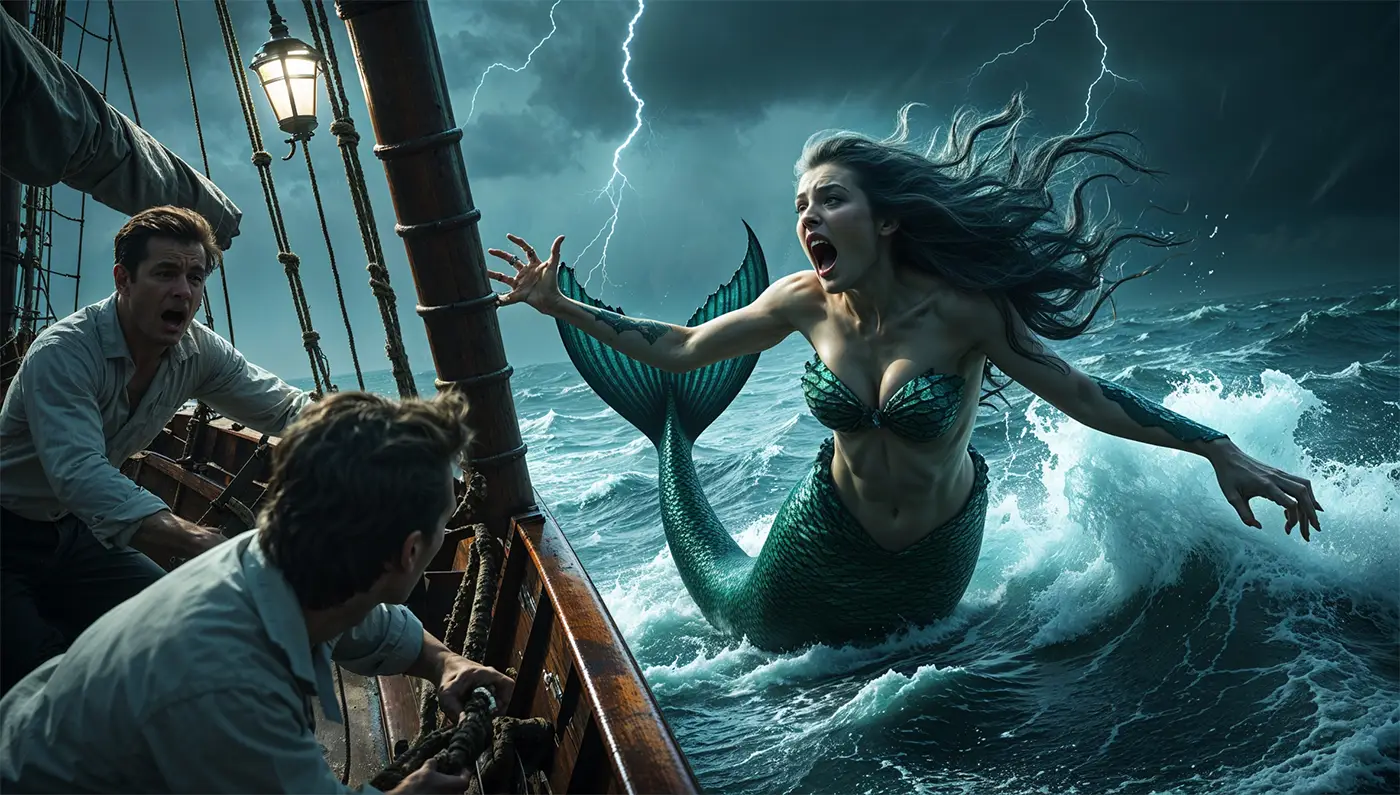
In European folklore, Melusine became a legendary figure. She married a nobleman but carried a curse. Every Saturday she transformed into a serpent or fish from the waist down.
Her husband discovered her secret, and she vanished forever.
“ON THE SEVENTH DAY SHE BECAME A SERPENT FROM THE WAIST DOWN, AND YET SHE REMAINED BEAUTIFUL.” (Jean d’Arras, Roman de Mélusine, 14th century)
Another motif is marriages between humans and mermaids. In Irish and Scottish tales, men wed mermaids or selkies.
These unions collapse when the husband breaks a taboo or steals a magical item. Betrayal ensures separation.
Other stories frame mermaids as omens. In some traditions, seeing one before a voyage foretold disaster. Sailors feared these visions, linking them to storms and shipwrecks.
Through these tales, mermaids embody transformation, love, betrayal, and danger. They reflect human struggles with temptation, trust, and the unpredictable sea.
Odysseus and the Sirens
Homer’s Odyssey tells of a haunting encounter: , so he alone can hear the Sirens’ enchanting yet deadly song. The Sirens try to lure him with promises of knowledge and seduction, but Odysseus overcomes.
“First you will come to the Sirens who enchant all who come their way” (Homer, Odyssey, Book XII, circa 8th century BCE)
The scene highlights mermaid myths as warnings against temptation, the Sirens appear beautiful and enticing, but their true power is destruction. Odysseus’ encounter reshaped “Mermaid” stories, linking beauty and peril in the human mind.
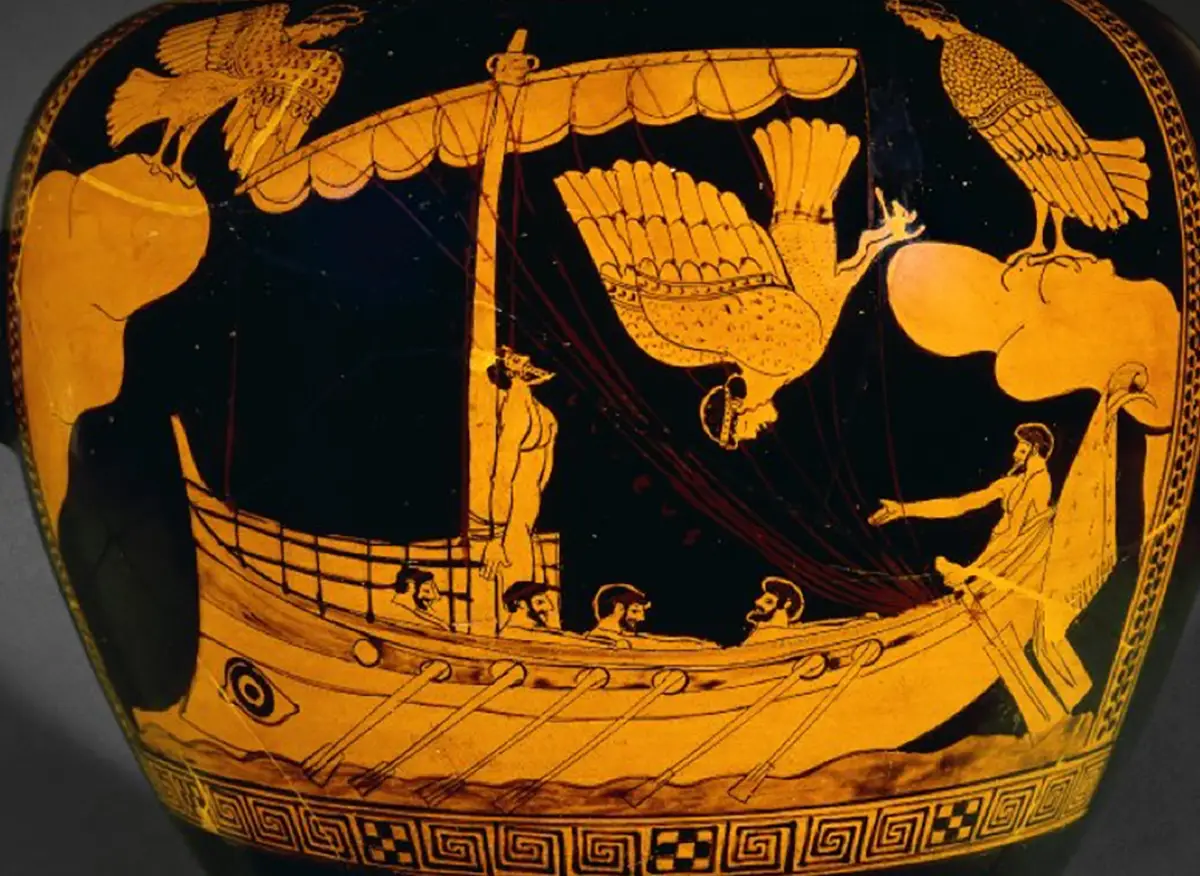
Today, the “Siren’s song” remains a potent metaphor across literature and psychology. By showcasing this story first, we anchor mermaid lore in its psychological and symbolic origins.
The Mermaid of Zennor (Cornish Folktale)
In Cornish folklore, a beautiful woman visited the church in Zennor to listen to the choir. Her enchanting voice captivated Mathey Trewella, who followed her and disappeared forever.
Later, a mermaid asked sailors to lift their anchor resting on her home. Villagers recognized her as the woman from the pew.
“Human is half the mermaid, Woman from the head to the heart; So is the Jesus” (Ordinalia, Cornish mystery play; source of a dual-nature metaphor cited in folklore collections, circa medieval period)
This story contrasts ominous myths by portraying mermaids as spiritual, even protective. Her voice lured a man to the sea, but rather than doom, it carried transformation and mystery.
The Mermaid of Zennor figure persists in local art and storytelling, reminding us that mermaid myths can embrace both wonder and loss.
Cultural Impact
Mermaids influenced art, literature, and maritime folklore profoundly. Medieval maps featured them at sea’s edge, symbolizing unexplored danger.
Renaissance painters used their form to explore themes of beauty and peril, merging pagan and Christian imagery. Their dual nature kept capturing human fascination.
Merchant ships used mermaid emblems as protective talismans. Poets and philosophers likened mermaids to seductive knowledge or deceptive beauty.
As colonial stories spread, mermaids became metaphors for the irresistible yet treacherous pull of conquest and the unknown ocean.
By the Victorian era, mermaids adorned curtains, porcelain, and even public fountains. Their aesthetic shifted from ominous to romantic.
Today, they still capture our imagination through fashion, marine conservation symbolism, and feminist reinterpretations of myth.
From Deadly Sirens to Romantic Mermaids
Over time, the lethal Sirens of antiquity gave way to gentler sea-maidens. As their image shifted from bird-like predators to aquatic women, their role softened from destroyers to figures of desire.
Medieval writers reimagined them with mirrors and combs, emphasizing vanity and temptation. Though still cautionary, they became symbols of moral weakness rather than inevitable death.
Renaissance art and poetry further reshaped them into mysterious beauties, blending danger with longing. Their sea-born allure now carried both romance and peril.
The transformation reached its peak with Hans Christian Andersen’s The Little Mermaid (1837). His heroine embodied love, sacrifice, and spiritual yearning, inverting the Siren’s fatal charm into tragic devotion.
This narrative shift prepared the way for modern retellings. Disney’s Ariel and similar heroines are no longer threats but dreamers, symbols of independence and hope.
The Siren’s deadly voice became the Mermaid’s romantic song, reflecting how cultures redefined female figures of the sea, from omens of ruin into icons of love and resilience.
The Rise of Mermaiding
In recent decades, mermaids have leapt from myth into lifestyle. Mermaiding, the practice of swimming with crafted tails, has become a global subculture.
Practitioners don shimmering fins in pools, oceans, and aquariums, merging performance with fantasy.
The movement blends athleticism with storytelling. Mermaiders train in freediving, mastering breath control and graceful underwater movement. Many describe it as empowering, offering a chance to embody freedom, beauty, and transformation in physical form.

Professional mermaids perform at aquariums and events, captivating audiences with aquatic shows. Social media amplified the trend, spreading videos of performers gliding effortlessly underwater.
For some, mermaiding is a form of identity expression. Communities connect through conventions, online groups, and conservation projects, linking fantasy with real-world activism.
By merging myth with art and environment, mermaiding demonstrates the enduring cultural power of the mermaid figure.
Similar Beasts
Mermaids are not alone in world mythology. Across cultures, similar beings embody themes of water, transformation, and seduction. These five examples show how humanity reimagined aquatic mystery in different forms.
Rusalka (Slavic Folklore)
The Rusalka is a water spirit in Slavic traditions, often depicted as a drowned maiden. She lures men into lakes and rivers, either seeking vengeance or companionship.
Some tales portray her as sorrowful, others as malicious.
Selkie (Scottish and Irish Folklore)
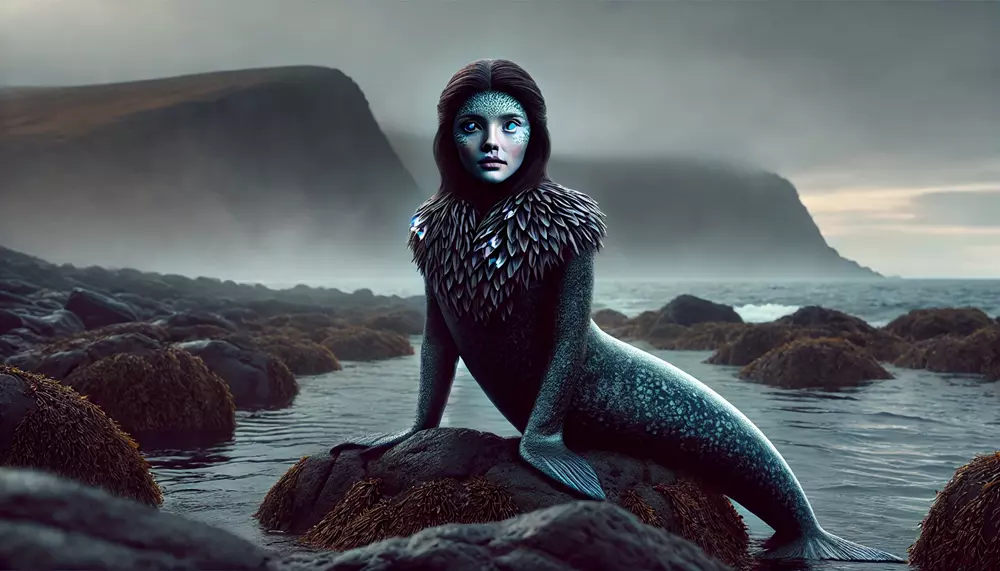
Selkies are seal-people who shed their skins to walk as humans. Many stories involve selkie women forced into marriage after losing their skins.
Their longing for the sea drives bittersweet tales of love and loss.
Ningyo (Japanese Folklore)
The Ningyo is a fish-human hybrid in Japanese tradition. Eating its flesh grants immortality, yet its capture brings storms and disaster.
Unlike romantic mermaids, Ningyo are ominous omens, feared more than desired.
Melusine (French Folklore)
Melusine appears in medieval romances as a woman who transforms into a serpent or fish from the waist down on certain days. Her story combines romance, secrecy, and curses, making her a distinctly European counterpart to the mermaid.
Encantado (Amazonian Folklore)
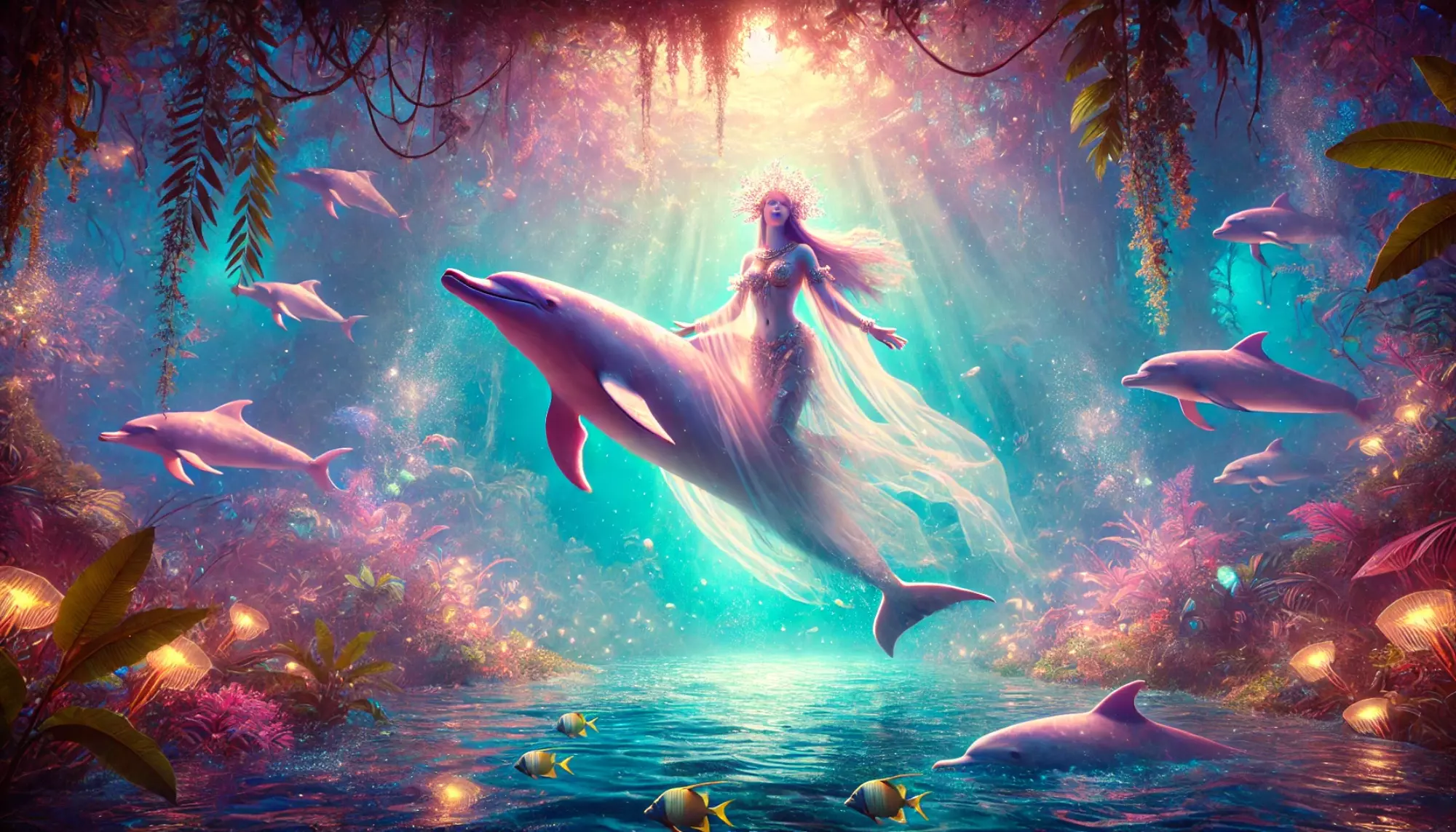
The Encantado is a shapeshifting river dolphin from South America. It takes human form, often to seduce or abduct people during festivals.
Unlike sea mermaids, Encantados dwell in rivers, blending local ecology with supernatural mystery.
Iara (Amazonian Folklore)

The Iara, from Brazilian and wider Amazonian tradition, is a water spirit often described as a beautiful woman who dwells in rivers. Like La Llorona, she is tied to watery domains and lures humans with her appearance and voice.
Stories describe her singing from riverbanks, entrancing men who follow her into the water, never to return. This reflects the same cautionary theme found in La Llorona’s legend: the danger of temptation and the peril of ignoring warnings.
Both embody grief and destruction through water, though Iara’s roots lie in indigenous myth rather than colonial tragedy.
Religion/Ritual
Mermaid imagery held spiritual meaning in medieval Europe. They became symbols of temptation and sin in sermons, teaching listeners to beware of alluring vice.
Some coastal rituals invoked mermaid legends. Fishermen left offerings to sea figures to ensure safe voyages. In Brittany and Cornwall, water shrines housed mermaid statues to appease local spirits.
In modern spiritual communities, mermaid symbols appear in nature-based worship, especially among water-spirited neo-pagan traditions. They represent feminine power, intuition, and emotional depth in ritual practices.
Scientific or Rational Explanations
Scholars suggest mermaid myths stem from sailors misidentifying marine mammals, such as manatees, dugongs, or seals seen at a distance. Visual need and longing shaped vague shapes into legendary forms.
The Norwegian tale of the “Fiji mermaid” was actually a mounted monkey torso attached to fish scales. This hoax illustrated how people crafted myths for entertainment and commerce.
Cultural psychologist Michael Winkelman argues mermaid archetypes embody collective anxieties about boundary crossing: human versus aquatic, erotic danger versus safety. Legends persisted because they expressed powerful psychological themes.
Modern Cultural References
The Little Mermaid (1989, Film – Animated Classic)
This Disney film sparked a renaissance in animation, featuring Ariel’s journey from sea to land. Its music and visuals remain iconic.
The Mermaid, the Witch, and the Sea (2020, Book – Novel)
A fantasy novel by Maggie Tokuda-Hall that reimagines mermaid mythology through themes of identity, transformation, and rebellion aboard a pirate ship.
Harry Potter and the Goblet of Fire (2000, Book – Fantasy)
In J.K. Rowling’s fourth book, merpeople inhabit the Black Lake at Hogwarts.
During the Triwizard Tournament’s Second Task, champions must rescue hostages from their underwater village, guarded by fierce, gray-skinned merfolk with shark-like features.

Fantastic Beasts and Where to Find Them (2001, Book – Magical Bestiary)
This fictional textbook by Newt Scamander classifies merpeople into regional types.
Sirens are cited as the oldest species, hailing from Greece, while Selkies and Merrows represent Celtic variations. The book highlights cultural diversity among aquatic humanoids.
Splash (1984, Film – Romantic Comedy Fantasy)
This film tells the story of Allen Bauer, who falls in love with Madison, a mermaid played by Daryl Hannah.
Blending comedy, romance, and myth, Splash popularized mermaids in modern cinema and influenced later portrayals of love between humans and aquatic beings.
Conclusion
Mermaids endure as symbols of liminal beauty, embodying both allure and danger. From ancient goddesses to modern pop culture, they carry stories of transformation, temptation, and female power.
Their legacy persists, evolving with society’s values and inspiring new interpretations with each tide.
Further Reading
Mermaid – Definition, Legend, History & Facts
Author: The Editors of Encyclopaedia Britannica (2025)
Site: Encyclopaedia Britannica (Online Encyclopedia)
Type: Overview article
A comprehensive and authoritative entry covering the origins, folklore, and symbolism of mermaids across cultures, including rational theories such as manatee sightings.
Nix | Water Spirit, River Demon & Shape-Shifter
Author: The Editors of Encyclopaedia Britannica (2025)
Site: Encyclopaedia Britannica (Online Encyclopedia)
Type: Mythological creature entry
Detailed profile of the Germanic nix, a water-being with shape-shifting powers, highlighting parallels to mermaid myths in connection to temptation and prophecy.
Undine | Water Nymph, Fairy Tale & Folklore
Author: The Editors of Encyclopaedia Britannica (2003)
Site: Encyclopaedia Britannica (Online Encyclopedia)
Type: Mythological creature entry
Explores the Undine legend, a water-spirit who becomes human through love but is doomed by infidelity, an impactful precursor to romantic mermaid narratives.
Mermaids: Myth, Kith and Kin
Author: Peter Mortensen (2022)
Site: JSTOR Daily (Online Article)
Type: Scholarly summary
Analyzes the psychological and cultural shifts in mermaid imagery, suggesting their enduring appeal stems from gender identity and human longing.
Fantastically Wrong: The Murderous, Sometimes Sexy History of the Mermaid
Author: Wired Magazine Staff (2014)
Site: Wired (Online Magazine)
Type: Popular history feature
This engaging article traces the mermaid myth from ancient deities to explorers’ sightings, exploring both its seductive appeal and its darker roots.