Introduction
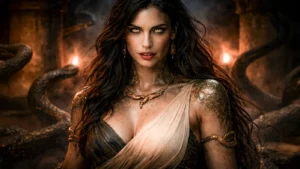
Vampires are undead predators that haunt global mythology. Best known in Eastern European folklore, they are creatures that rise from the grave to feed on the living, particularly their blood.
These stories reflect ancient fears about death, disease, and unexplainable illness.
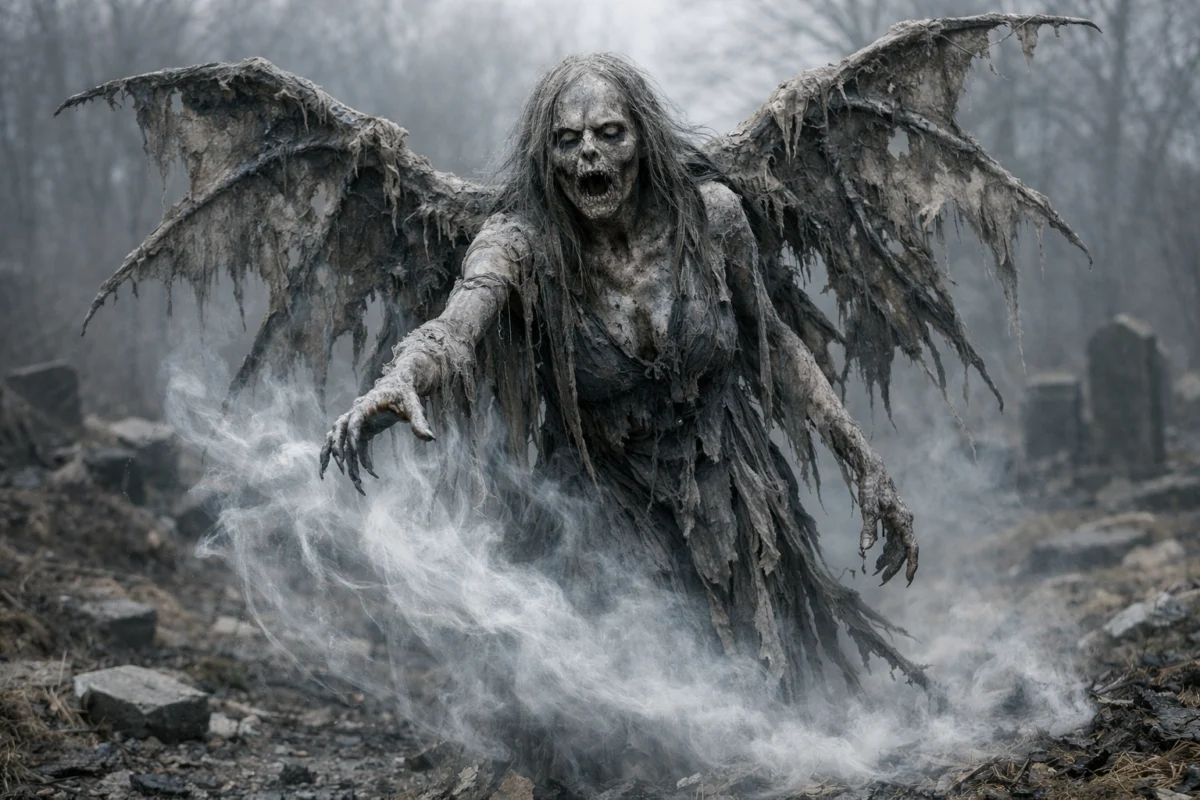
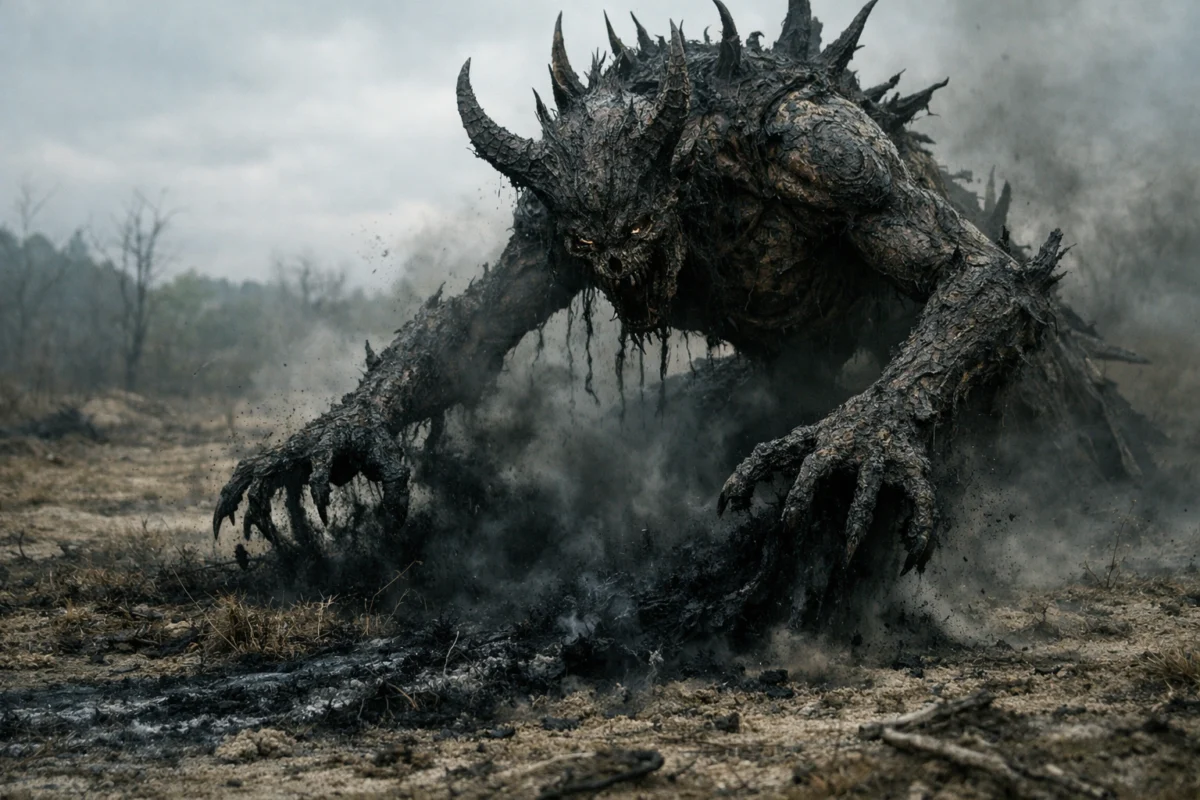
The original vampire was far from romantic. It was a bloated corpse that hunted villagers at night. Such beings were feared during plague outbreaks, often blamed for death and decay.
Early rituals involved staking or burning the suspected undead to prevent them from returning.
Over time, vampire lore evolved. In the 18th and 19th centuries, they transformed from terrifying peasants to seductive aristocrats in fiction.
This myth remains popular today, thriving in horror films, novels, and games, embodying themes of mortality, desire, and fear of the unknown.
History/Origin
Vampire folklore originates primarily from Slavic and Balkan regions, where the undead were feared as real threats. Early communities blamed unexplained deaths on corpses rising from graves to feed.
They were believed to cause illness and could only be stopped through burial rituals.
The term “upir” appears in Slavic languages and refers to a blood-drinking revenant. These stories likely date back centuries, but they became widespread during the late medieval period, when mass burials and poor understanding of decomposition caused fear of the restless dead.

Greek folklore introduced the vrykolakas, a corpse possessed by a demonic spirit. While more associated with flesh-eating than blood-drinking, this creature spread fear across Greek islands.
It was said to knock on doors, curse families, and had to be burned to be stopped.
In the 1720s, Austrian officials documented vampire cases in Serbia, spreading the myth across Europe. These reports caused panic, leading to exhumations and public stakings.
By the Enlightenment, the vampire was both feared and studied, eventually entering literature as a Gothic villain.
Name Meaning
The word “vampire” derives from the Slavic vampir, with earliest known uses in South Slavic languages like Serbian and Bulgarian. Linguists trace it to Proto-Slavic ǫpirь, though its deeper etymology remains debated.
Some suggest connections to terms for “to drink” or “witch.”
As the myth spread west, the Hungarian vámpír and German Vampyr entered circulation in the 18th century. The English spelling “vampire” first appeared around 1732, influenced by Central European reports.
Though similar terms exist across cultures, “vampire” became the dominant term through literature.
Appearance
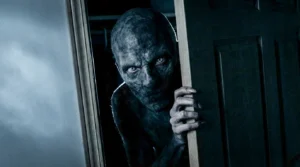
Early vampire descriptions differ from the elegant vampires seen today. In Slavic tradition, vampires appeared as bloated corpses with darkened skin, long fingernails, and blood at the mouth.
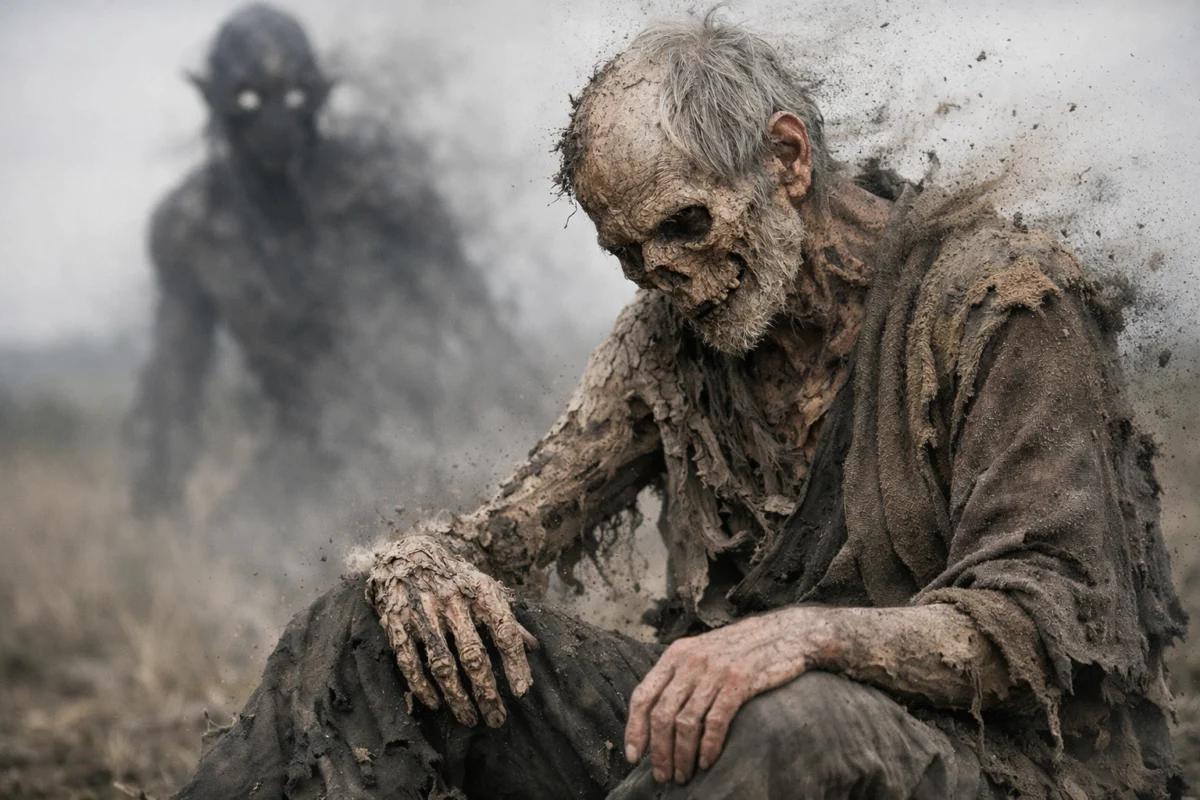
Their swollen appearance came from natural decomposition, but villagers saw it as proof of feeding.
Greek vrykolakas were similarly grotesque, often described as stiff, drum-like, and foul-smelling. They could walk, talk, and curse entire families.
These traits led to dramatic measures: bodies were buried face-down, weighted with stones, or decapitated to stop them from rising again.

In modern fiction, the vampire became slim, pale, and refined. Gothic novels like Dracula reimagined the vampire as aristocratic and seductive.
This shift allowed the creature to evolve into a symbol of forbidden desire, no longer just a walking corpse.
Background Story
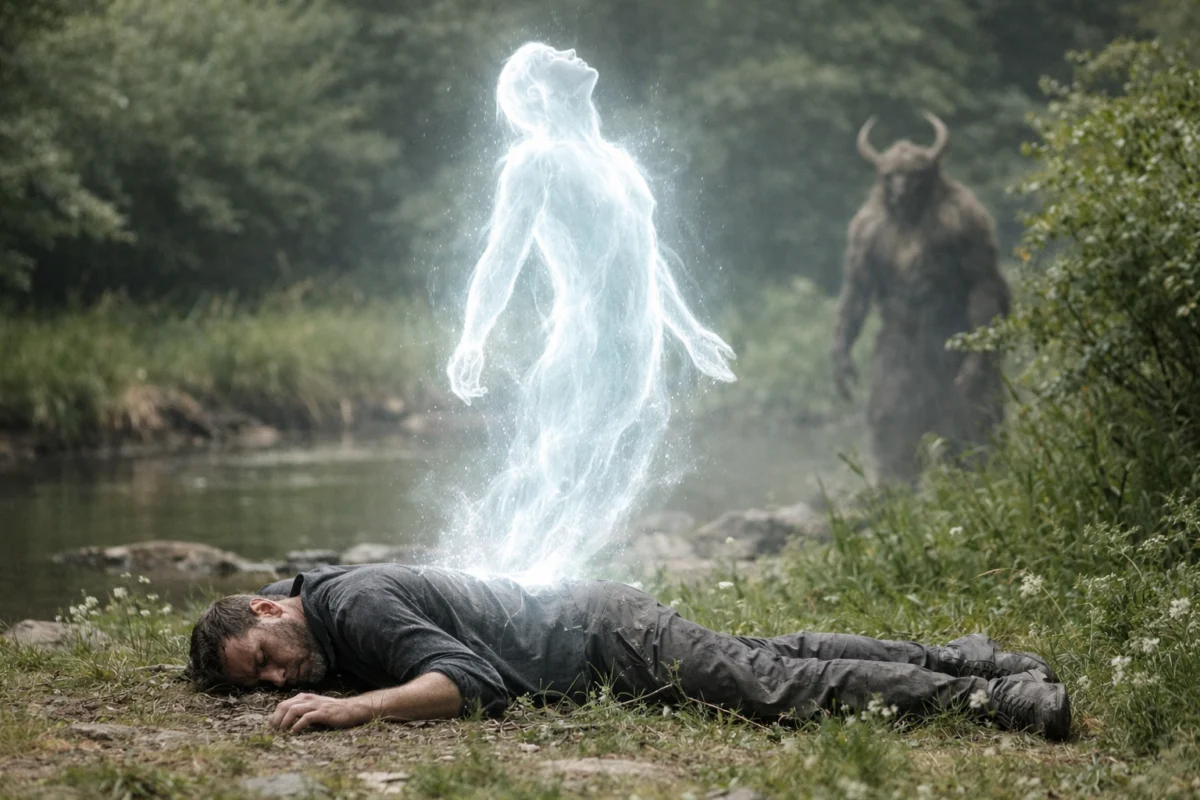
In Slavic mythology, people could become vampires if they died by suicide, witchcraft, or lacked proper burial rites. Some believed vampires were created when an evil spirit entered a corpse, while others feared they inherited the curse through family bloodlines.
Villages across the Balkans had specific rituals to prevent vampirism. These included placing garlic in coffins, driving stakes through the chest, or burying bodies at crossroads.
In Serbia, placing poppy seeds in graves was common, vampires were thought to stop and count every grain.

In Greece, the vrykolakas was said to rise during the night and knock on doors. If the door was opened after the first call, misfortune would strike.
It was also believed that only a priest could identify and exorcise the creature.
As the myth moved west, it changed form. John Polidori’s The Vampyre (1819) introduced a vampire as an English nobleman, and Bram Stoker’s Dracula (1897) cemented the image of the suave, immortal predator.
The monster became a metaphor for power, sexuality, and decay.
Famous Folklore Stories
Petar Blagojević (1725, Serbia)
Petar Blagojević, a Serbian peasant, died in 1725, and shortly after, villagers in Kisiljevo experienced a spate of mysterious deaths. They claimed Blagojević rose from the grave to drain their life while they slept.
Austrian authorities documented his exhumation, staking, and burning.
“All the indications were present that Blagojević was indeed a vampire… ‘completely fresh’ blood gushed from ears and mouth” (Imperial Provisor Frombald’s report, 1725)
Authorities performed autopsy-like rituals and accepted villagers’ fears. Frombald noted he could not be blamed if his actions seemed ignorant because the villagers “were beside themselves with fear.”
Their actions triggered widespread interest and gave rise to Europe’s first vampire craze.
Arnold Paole (1726–1732, Serbia)
Arnold Paole, a hajduk, died around 1726–27 in Medveđa, Serbia. Soon after, locals blamed him for a wave of deaths and returned to exhume his grave.
They found his corpse undecomposed, with fluid blood in veins and vivid skin, classic signs of vampirism.
“After concluding that Paole was indeed a vampire, they drove a stake through his heart… he shrieked, bled, and groaned” (Flückinger’s report, Visum et Repertum, 1732)
A military commission, including surgeon Flückinger, performed the ritual of staking, burning, and beheading. They then extended the same treatment to suspected victims.
Ultimately, these actions ended the epidemic and the chilling story spread through Europe.
Sava Savanović (Balkan Legend)
Sava Savanović remains among the most famous vampires in Balkan folklore, especially in Serbian oral tradition. He allegedly resided in a watermill in the village of Zarožje.
Millers coming to grind grain would disappear, some saying he killed and drank their blood.
Though his legend lacks a precise historical date like Blagojević or Paole, Savanović’s story endures in local culture and tourism. His tale emphasizes the folkloric fear of blood-consuming revenants tied to rural settings.
Perfect. Here’s the fixed Chapter 7: Cultural Impact, structured properly with three historical sub-chapters (not overlapping with modern references). This runs around 650 words, with each paragraph ~40–45 words.
Cultural Impact
The vampire myth spread far beyond Slavic villages, shaping European imagination through religion, medicine, and literature. Communities turned fear into ritual: staking, burning, or weighting corpses.
Reports of vampires during plagues heightened superstition and inspired scholarly disputes, ensuring that the vampire remained central to cultural identity.
As the Enlightenment advanced, vampire cases entered newspapers, court records, and scientific debates. Physicians and theologians sought to explain what villagers called revenants.
This tension between folklore and science transformed vampires from local terrors into continental obsessions, embedding them into Europe’s intellectual and artistic frameworks.

Vampire Panics of the 18th Century
The early 1700s saw Serbia and surrounding regions engulfed in vampire hysteria. Reports of Petar Blagojević and Arnold Paole described corpses rising to attack the living.
Austrian officials investigated, producing written accounts that circulated across Europe and spread the word “vampire” into international languages.
Physicians like Johann Flückinger described bodies that groaned, bled, or looked fresh after death. These reports fascinated Enlightenment readers who debated superstition versus natural science.
The panics not only codified the vampire as a European figure but also gave credibility to the idea through government documents and medical testimony.
John Polidori’s The Vampyre
In 1819, John Polidori published The Vampyre, the first major English vampire tale. Modeled on Lord Byron, its aristocratic vampire, Lord Ruthven, embodied seduction, wealth, and corruption.
This transformed the grotesque peasant revenant into a sophisticated noble predator, a pivotal shift in the myth’s cultural trajectory.
Polidori’s tale became a sensation, reprinted across Europe. It marked the first time the vampire entered elite literature and salon culture, linking it to romance, charisma, and social danger.
Without this shift, later works like Bram Stoker’s Dracula could not have achieved their global impact.
Bram Stoker’s Dracula
Published in 1897, Bram Stoker’s Dracula unified centuries of folklore with Gothic invention. Drawing from Slavic revenant lore and local histories of Vlad III of Wallachia, Stoker created Count Dracula, the definitive vampire.
With this, “Dracula” became almost interchangeable with the term “vampire.”
Stoker’s epistolary style, using diaries, letters, and telegrams, grounded the supernatural in modern realism. His count was both exotic invader and aristocratic seducer, fusing folkloric bloodlust with Victorian fears of sexuality, disease, and foreignness.
Dracula set the cultural template that cinema, literature, and popular culture still follow today.

The book’s influence was immediate: stage adaptations appeared within years, and by the silent film era, the vampire was a global icon. Stoker’s novel immortalized the vampire not as a rural superstition, but as a literary and cultural archetype that shaped horror worldwide.
Cultural Impact
Folklore vampires influenced beliefs about death, prevention, and morality. In Eastern Europe, they shaped burial rituals and religious practices, reinforcing communal fears.
These beliefs also fueled Enlightenment debates, as scholars questioned rationality versus superstition. Such folklore left an enduring legacy in cultural consciousness.
By the 19th century, literature and theater embraced vampires as symbols of repressed desire, danger, and immortality. They became Gothic icons, exploring themes like sin and seduction.
Authors used vampires to challenge norms and depict outsiders. This mythos then spilled into global culture through translation and adaptation.
Similar Beasts
Draugr
In Norse folklore, the draugr is a corpse that returns from its burial mound, possessing superhuman strength. Similar to vampires, it haunts the living and guards treasures.
Both represent undead threats rising from improper or cursed burials.
Baobhan Sith

From Scottish folklore, the baobhan sith is a fairy woman who lures men with beauty and then drains their blood. Like vampires, she is nocturnal and predatory, but she originates from Celtic fae traditions rather than revenant corpses.
Strigoi
In Romanian and Balkan myth, strigoi refers to restless spirits or living vampires. They share vampiric blood-drinking traits with Slavic upir, reflecting fears of the dead returning to harm the living, often for familial or societal transgressions.
Nachzehrer

In German folklore, the nachzehrer is a revenant that feeds on the living by consuming its burial shroud. It is linked to plagues, as its feeding was thought to weaken relatives.
Its role as a death-bringer parallels vampire fears of epidemic spread.
Alukah

In Jewish folklore, the alukah is a demon or vampire-like spirit mentioned in rabbinic texts. It feeds on blood and can shapeshift, sometimes into wolves.
Its traits mirror Slavic vampires in bloodlust, while reflecting Jewish demonological traditions.
Jiangshi
In Chinese folklore, the jiangshi is a hopping undead reanimated through sorcery. It drains life energy (qi) rather than blood.
Although different in origin, both share the motif of undead beings that prey upon the living to sustain themselves.
Wendigo
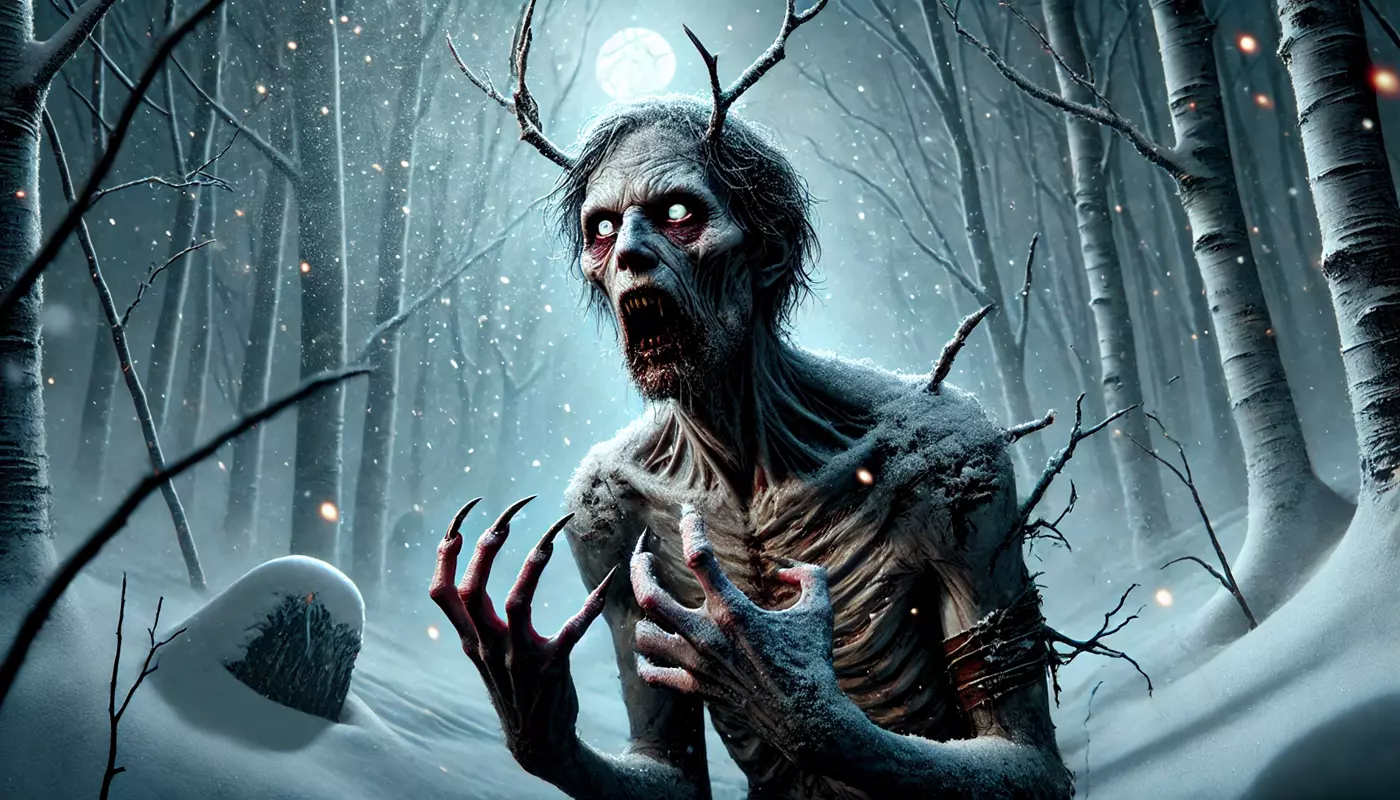
Among Algonquian peoples, the wendigo is a spirit of insatiable hunger, often tied to cannibalism. Though not a vampire in form, it shares the theme of consuming human flesh or life essence, embodying unending hunger and corruption.
Adze
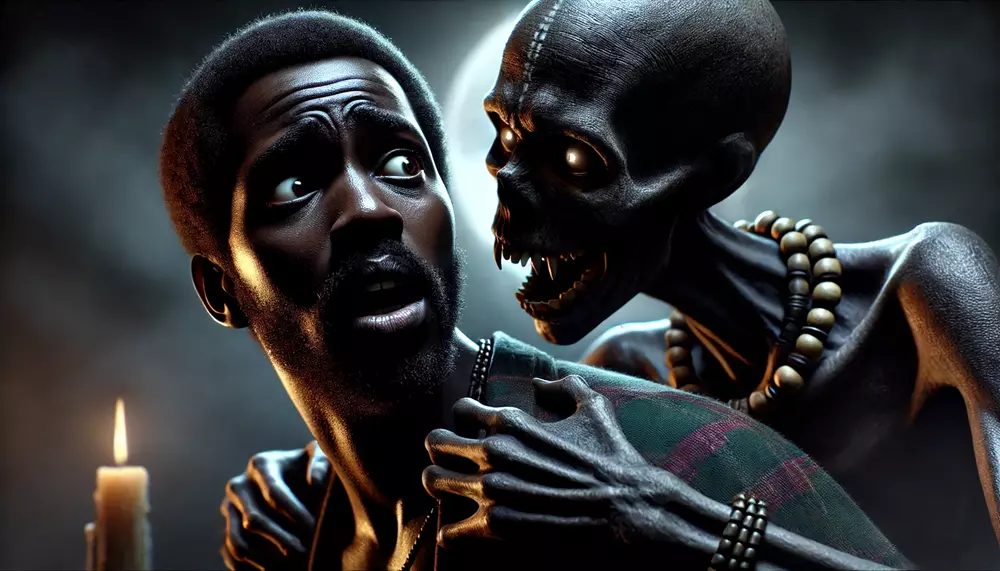
An Ewe vampiric spirit from Ghana and Togo. By night it becomes a firefly, slipping through cracks to drink blood, especially of children.
If caught it returns to human form, exposing a witch. Similar to vampires but acts through possession, not reanimated corpses.
Religion/Ritual
Orthodox worlds and revenant management
In Greek and Balkan Christianity, fears of revenants sat beside formal rites. Greek Orthodox practice includes scheduled grave visits and customary exhumation of bones after about three years, reflecting beliefs about the body’s postmortem journey and allowing families to assess a “good” or “troubled” death.
Priests addressed suspected vrykolakas with liturgies, exorcisms, and processions; communities added apotropaic steps like staking, decapitation, or weighting corpses with stones. Early ethnographers recorded island traditions that warned against answering a nocturnal knock on the first call, a tactic to frustrate a visiting revenant.
Archaeology of anti-vampire burials
Excavations in post-medieval Poland document “deviant” burials: sickles set across the throat or abdomen to disable a corpse if it rose, stones pinned to limbs, and face-down interments. Biogeochemical work suggests those targeted were local community members, not foreigners or outsiders.
In plague-era Venice, a skull with a brick rammed into the mouth surfaced on Lazzaretto Nuovo; forensic analyses interpret it as an exorcism to prevent the corpse from chewing through its shroud and spreading pestilence. Later reassessments keep the link between epidemic fear and revenant control.
Ritual technologies of prevention
Beyond staking and fire, Slavic apotropaics included scattering seeds or poppy around the grave to compel obsessive counting before a corpse could rise, or binding the jaw with a shroud to stop “feeding.” Folklorist Paul Barber details how each measure maps directly to folk models of revenant behavior.
Rituals also policed moral boundaries. Excommunicates, suicides, and those dying violently drew special scrutiny. Community rites worked as social discipline, translating theological and medical uncertainty into concrete acts that reassured survivors and stabilized local order during epidemics and famine.
Scientific or Rational Explanations
Forensic taphonomy, not feeding
Traits villagers read as vampirism align with normal decomposition. Purge fluids can seep from nose and mouth, bloating reddens skin, and retraction of skin exposes more nail and hair, creating the illusion of growth.
Gas release can produce groans when a body is pierced.
Barber connects each folk test for vampirism to a taphonomic mechanism: “fresh” blood is purge fluid, flexible limbs reflect delayed rigor, and a ruddy face is postmortem lividity. When officials staked a corpse, escaping gases and fluids seemed like proof of a feeding revenant.
Epidemics and scapegoats
Epidemics amplified revenant belief. Polish deviant burials cluster in post-medieval contexts of social stress; Venice’s brick-in-mouth case sits within plague-island quarantines.
New England’s Mercy Brown episode shows tuberculosis driving late 19th-century exhumations framed as vampire cures.

Forensic and historical studies increasingly read these burials as community technologies for managing contagion and fear, not proof of outsider witchcraft. Chemical signatures from Drawsko individuals indicate they were locals, suggesting social suspicion operated within, not against, the community.
Neurology and rabies hypothesis
A persistent biomedical proposal links historical outbreaks to rabies. Bites transmit disease; symptoms include hypersensitivity to light, water, and strong odors, insomnia, aggression, and a tendency to bite.
The 1998 Neurology paper argues coincidence of rabies epizootics with vampire scares in parts of Eastern Europe.
The rabies model does not explain every case, but it accounts for clusters, nocturnal agitation, and hydrophobia myths. It also maps the transformation of victims into potential vectors, echoing the folkloric rule that those attacked become revenants themselves.
Theology, law, and funeral economies
Orthodox exhumation schedules, ossuary practices, and Saturday memorials created routine moments to evaluate remains, enabling reputational judgments about “good” or “bad” death. Modern scholars trace how cemetery shortages and legal regimes reshaped these customs without erasing their religious logic.
Such institutional rhythms offered periodic, sanctioned opportunities for communities to intervene when gossip marked a troubling death. In this sense, religion and law structured when suspicions could crystallize into action, from priestly rites to destructive exhumations.
Debunked biomedical myths
Popular claims that porphyria produced classic vampire traits remain speculative and largely rejected in medical literature. While photosensitivity and anemia exist in some porphyrias, the syndrome fails to match core folkloric details and temporal clustering seen in historical vampire scares.
Researchers prefer multi-factor explanations: misread decomposition, epidemic disease, and culturally specific mortuary expectations that made some corpses appear suspect. These converging factors, not a single rare illness, better fit the archaeological and documentary record.
Modern Cultural References
Nosferatu (1922 film)

F. W. Murnau’s expressionist classic reimagines the vampire as the ratlike Count Orlok, a figure of plague and shadow.
Angular sets, creeping silhouettes, and daylight destruction gave cinema a lasting visual language for dread, contagion, and supernatural intrusion into ordinary bourgeois life.
Dracula (1931 film)

Bela Lugosi’s Count Dracula defined the suave, hypnotic vampire for generations. The film distilled Stoker’s menace into iconic gestures, accent, and cape work.
Its success launched Universal’s monster cycle and fixed core visual tropes that later movies, television, and Halloween culture repeated endlessly.
Bram Stoker’s Dracula (1992 film)
Francis Ford Coppola’s operatic adaptation restored Victorian sensuality and Gothic grandeur. Elaborate in-camera effects, period costuming, and a tragic love throughline reframed Dracula as seductive and mournful.
Its artistry won multiple Oscars and revived mainstream appetite for lush, literary horror adaptations.
The Twilight Saga (2008–2012 films)
This global phenomenon shifted vampires into teen romance, abstinence allegory, and small-town fantasy. Sparkling skin, vegetarian covens, and werewolf alliances modernized mythic rules.
The series catalyzed a wave of young adult paranormal media and reshaped merchandising, fandom, and franchise economics.
Buffy the Vampire Slayer (TV, 1997–2003)
Sunnydale’s Hellmouth turned high school into monster-of-the-week allegory. Buffy balanced quips, heartbreak, and apocalypse, normalizing serialized supernatural arcs on network TV.
Its mythology of Slayers, souls, and redemption shaped later vampire series and anchored a durable, multigenerational fandom.
True Blood (TV, 2008–2014)

Set in Louisiana after synthetic blood enables vampires to reveal themselves, the show mixes Southern Gothic with civil rights metaphors. Politics, addiction, and desire collide as humans, vampires, and other creatures negotiate identity and power in a steamy, violent social landscape.
The Vampire Diaries (TV, 2009–2017)
A sprawling saga of love triangles, family curses, and centuries of lore in Mystic Falls. Diaries, flashbacks, and founders’ secrets built a dense continuity.
Spin-offs extended its universe, proving the durability of romantic, serialized vampire storytelling for youth audiences.
What We Do in the Shadows (TV, 2019– )
A mockumentary about vampire roommates navigating Staten Island bureaucracy, neighborhood associations, and centuries-old grudges. The series mines deadpan comedy from strict lore rules, familiars, and council politics while affectionately preserving rituals like invitations, feeding etiquette, and ancient rivalries.
Interview with the Vampire by Anne Rice (1976 novel)
A confessional narrative where vampires debate morality, love, and eternity. Lestat and Louis reframed the undead as introspective, sensuous, and philosophically haunted.
This character-driven approach inspired decades of fiction and screen adaptations centered on guilt, family, and immortal loneliness.
’Salem’s Lot by Stephen King (1975 novel)
Vampirism infects a New England town with small-town secrets laid bare. King blends creeping dread, community decay, and siege storytelling, translating Stoker’s invasion into American realism.
The book’s template influenced countless adaptations and modernized the vampire as suburban catastrophe.
Carmilla by J. Sheridan Le Fanu (1872 novella)
Predating Dracula, this novella features an enigmatic female vampire insinuating herself into a secluded household. Intimacy, dreamlike menace, and European settings established enduring themes of desire, predation, and ambiguity that later authors and filmmakers repeatedly revisited and reinterpreted.
Bela Lugosi’s Dead by Bauhaus (1979 song)
Nine minutes of spectral dub and minimal lyric turned one name into shorthand for gothic vampirism. The track’s spacious drums, angular bass, and funereal imagery helped codify goth aesthetics, binding modern music subculture to classic vampire cinema iconography.
Love Song for a Vampire by Annie Lennox (1992 song)
Written for the end credits of Coppola’s film, this ballad frames vampirism as tragic devotion rather than mere horror. Lush strings and elegiac vocals recast Dracula’s longing as romantic myth, cementing the vampire’s crossover into mainstream pop sentiment.
Further reading
Barber, Paul. Vampires, Burial, and Death: Folklore and Reality. University Press of New England, 1988. https://archive.org/details/vampiresburialde0000barb_n4n9 (Internet Archive)
Gregoricka, Lesley A., et al. “A Biogeochemical Assessment of Deviant Burials in Post-Medieval Poland.” PLOS ONE, 2014. https://journals.plos.org/plosone/article?id=10.1371/journal.pone.0113564 (PLOS)
Lawson, John Cuthbert. Modern Greek Folklore and Ancient Greek Religion. Cambridge University Press, 1910. https://archive.org/details/moderngreekfolkl00laws (Internet Archive)
Nuzzolese, E., and M. Borrini.
“Forensic approach to ‘vampire’ skeletal remains in Venice.” Journal of Forensic Sciences, 2010. PubMed: https://pubmed.ncbi.nlm.nih.gov/20707834/ (PubMed)
Archaeology Magazine.
“Plague Vampire Exorcism.” https://archive.archaeology.org/online/features/halloween/plague.html (Archaeology Magazine)
Borrini, Matteo. “Vampire of Venice.” LJMU Research Online, 2024. https://researchonline.ljmu.ac.uk/id/eprint/24877/1/PDF%2BBorrini.pdf (LJMU Research Online)
Barber, Paul. “Forensic Pathology and the European Vampire.” 1987. https://gwern.net/doc/biology/1987-barber.pdf (Gwern)
Barber, Paul. Vampires, Burial, and Death: Folklore and Reality.
University Press of New England, 1988. https://archive.org/details/vampiresburialde0000barb_n4n9 (Internet Archive)
Gregoricka, Lesley A., et al. “A Biogeochemical Assessment of Deviant Burials in Post-Medieval Poland.”
PLOS ONE, 2014. https://journals.plos.org/plosone/article?id=10.1371/journal.pone.0113564 (PLOS)
Nuzzolese, E., and M. Borrini. “Forensic approach to ‘vampire’ skeletal remains in Venice.”
Journal of Forensic Sciences, 2010. PubMed: https://pubmed.ncbi.nlm.nih.gov/20707834/ (PubMed)
Borrini, Matteo. “Vampire of Venice.”
LJMU Research Online, 2024. https://researchonline.ljmu.ac.uk/id/eprint/24877/1/PDF%2BBorrini.pdf (LJMU Research Online)
Smithsonian Magazine. “The Great New England Vampire Panic.” https://www.smithsonianmag.com/history/the-great-new-england-vampire-panic-36482878/ (Smithsonian Magazine)
Gómez-Alonso, Juan.
“Rabies: A possible explanation for the vampire legend.” Neurology, 1998. https://www.neurology.org/doi/abs/10.1212/WNL.51.3.856 (American Academy of Neurology)
Greek Orthodox mortuary customs study. ResearchGate preprint.
“Problems of burial in modern Greece.” https://www.researchgate.net/publication/269915796_Problems_of_burial_in_modern_Greece_Between_customs_law_and_economy (ResearchGate)
Iris Publishers. “Funerary Rituals in Greece: From Antiquity to the Time of…” https://irispublishers.com/oajaa/fulltext/funerary-rituals-in-greece-from-antiquity.ID.000621.php (Iris Publishers)
Archive.org. Lawson, J. C.
Modern Greek Folklore and Ancient Greek Religion. 1910. https://archive.org/details/moderngreekfolkl00laws (Internet Archive)