back to top

Iran

Iran embodies a rich tapestry of mythic traditions reflecting a dualistic worldview and profound connection to cosmic order.

Relevant Beasts
Asia
Chaos Giant
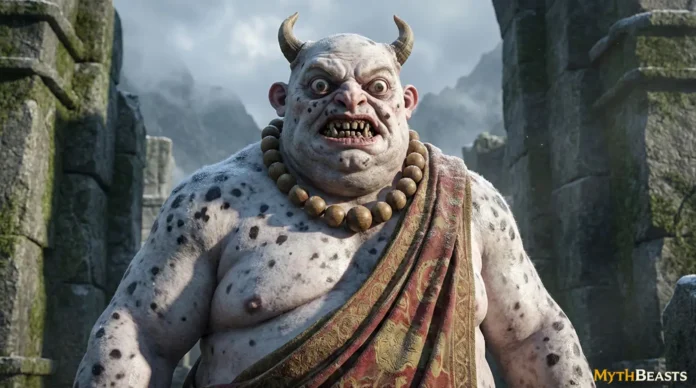
Div-e Sepid
Iran

Div-e Sepid

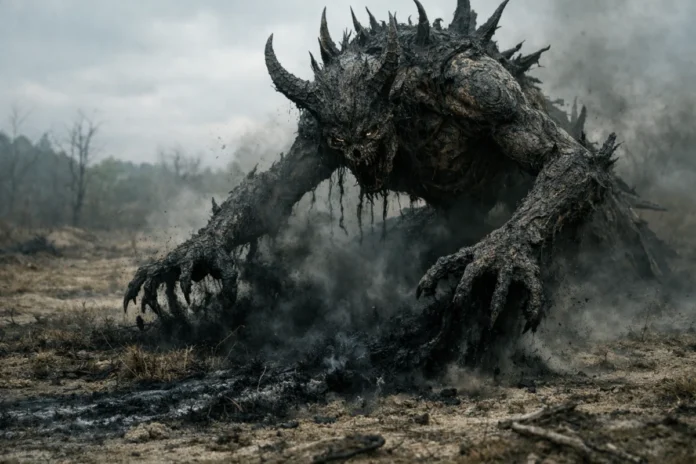
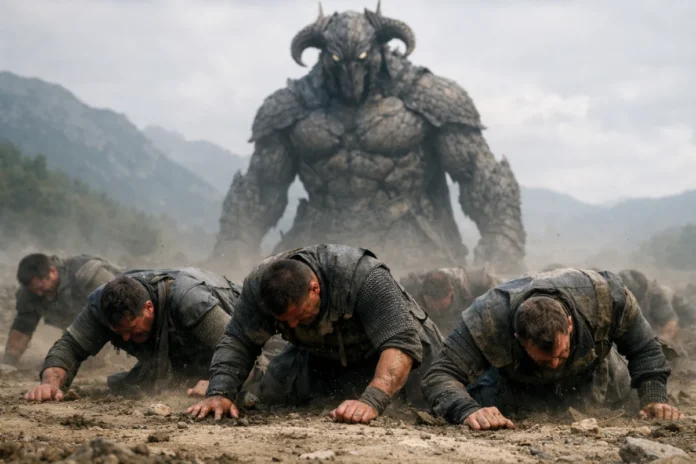
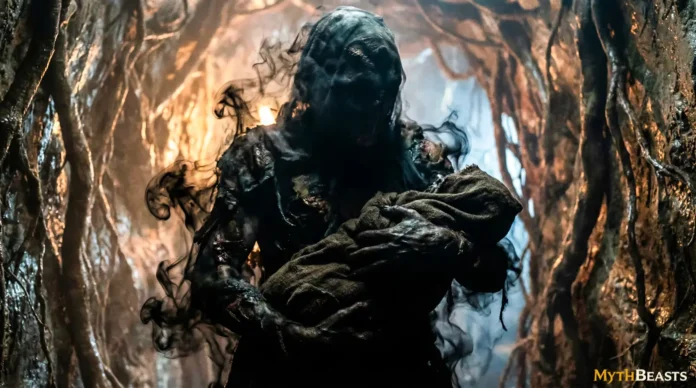
Div-e Sepid, the White Demon in Persian mythology, symbolizes chaos and evil. Known from the epic Shahnameh, it challenges...
  • Skills
Physical StrengthStrength
  • Weaknesses
Divine RestrictionsHoly Ground
Asia
Dark Spirit
Āl (Albastı): The Childbirth Demon
Iran

Āl (Albastı)

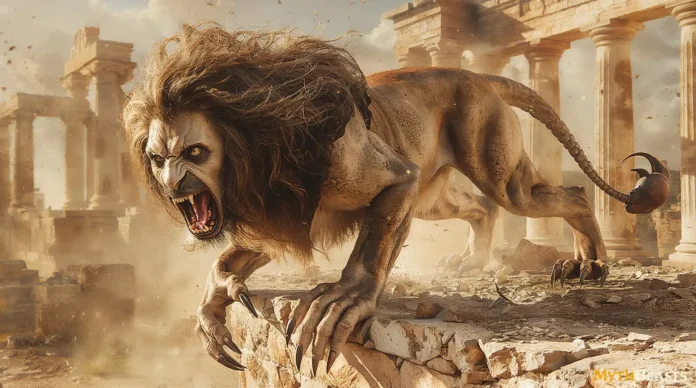
The Āl is a folkloric figure associated with childbirth danger in Iranian and Caucasian traditions, reflecting historical fears surrounding...
  • Skills
Death & NecromancyDisease Manipulation
  • Weaknesses
Divine RestrictionsGarlic Sensitive
Achaemenid Empire
Hybrid Creature
Manticore - Persian Mythology
Achaemenid Empire

Manticore

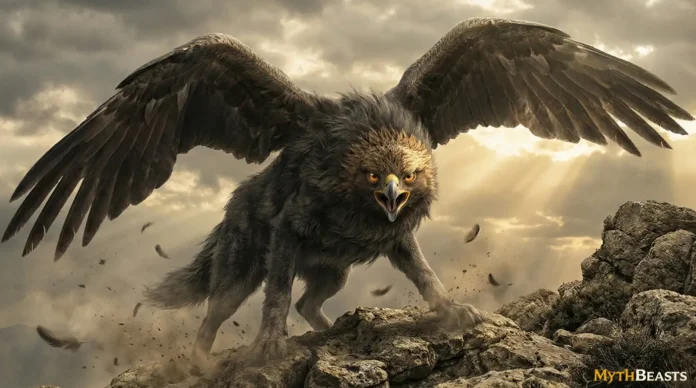
Hybrid Persian man-eater with human face, lion body and barbed tail, famed in Greek and later bestiaries as a...
  • Skills
Nature ManipulationPhysical Strength
  • Weaknesses
BeheadingBlessed Weapon
Asia
Giant Bird
Chamrosh - Guardian bird - Persian and Zoroastrian folklore
Iran

Chamrosh

A mighty guardian bird beneath the sacred tree on Mount Alborz that gathers seeds, spreads them across the earth,...

  • Skills
Animal CommunicationControl & Summoning
  • Weaknesses
Consecrated LandDivine Restrictions
Asia
Giant Bird
Roc - Achaemenid empire
Ghaznavid Empire

Roc

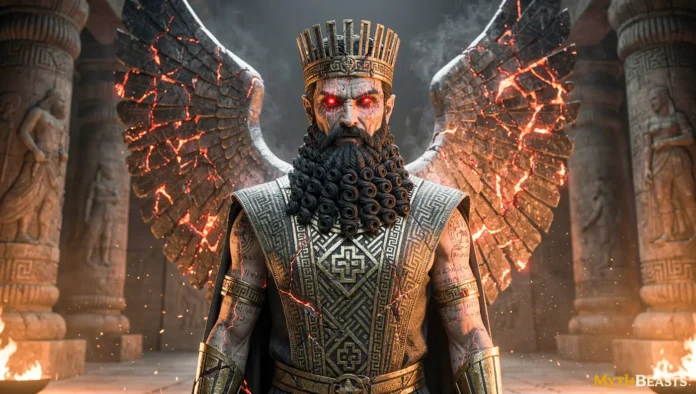
Colossal bird from Persian & Arabian tales, famous in Sinbad’s voyages for lifting elephants & wrecking ships with its...
  • Skills
Physical StrengthStrength
  • Weaknesses
BeheadingElement Sensitivities
Achaemenid Empire
Demonic Form
Aeshma - the Zoroastrian demon
Achaemenid Empire

Aeshma

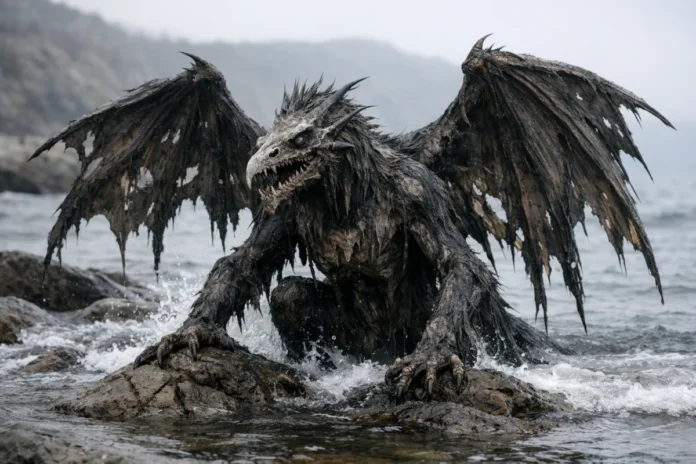
Aeshma - a Zoroastrian demon of wrath and violence who disrupts ritual, drives humans to rage and bloodshed, and...
  • Skills
Disease ManipulationFear Inducement
  • Weaknesses
Blessed WeaponDivine Restrictions

Iran – an Overview

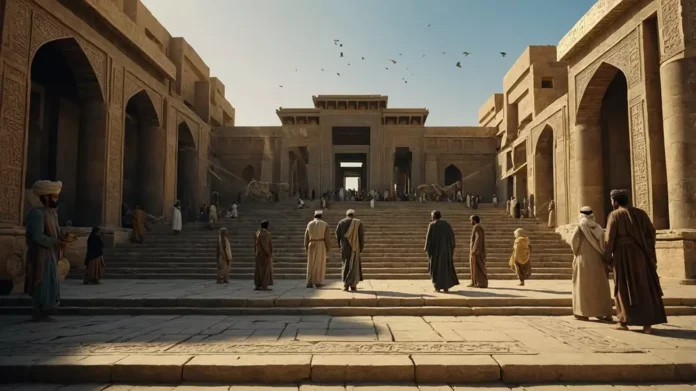
Iran’s cultural and mythological significance stems from its deep historical roots in the ancient Near East. Iran’s civilization has been influential from the early Elamite period through the Achaemenid Empire. Its geographic scope includes the Iranian plateau, which has been a crossroads for various cultures and peoples, enriching its mythological traditions. The region’s history is marked by diverse influences, which have contributed to its unique mythological and cultural identity recognized globally.

Historical and Environmental Context

Time Frame and Location

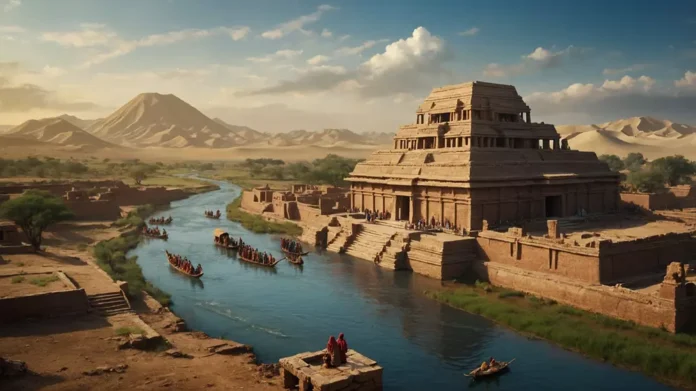
The historical timeline of Iran’s mythological traditions extends from the third millennium BCE to the rise of Islam in the seventh century CE. The Iranian plateau’s environment, characterized by mountains and deserts, shaped its cultural development. This geography influenced the kinds of myths and stories that emerged, reflecting the challenges and resources of the environment. The location and environmental conditions played a critical role in the adaptation and preservation of cultural beliefs over millennia.

Contact and Cultural Exchange

The ancient Iranian civilizations engaged with Mesopotamian, Indian, and Greek cultures. These interactions facilitated a rich exchange of mythological motifs and religious ideas. Such exchanges were often reciprocal, wherein indigenous Iranian concepts also influenced these neighboring societies. The movement of peoples, goods, and ideas across the Iranian plateau contributed to a dynamic cultural and mythological tapestry, making Iran a pivotal node in ancient cultural interconnections.

Mythological Framework

Worldview and Cosmological Concepts

Ancient Iranian cosmology is centered around dualism, with the eternal battle between the forces of good and evil. This worldview is most explicitly articulated in Zoroastrianism, where Ahura Mazda represents truth and order, opposing Angra Mainyu, the spirit of chaos. The universe is perceived as a moral battleground, influencing human actions and destiny. This dualistic framework underpins many Iranian myths, emphasizing moral choices and cosmic justice.

Spiritual or Supernatural Categories

Iranian mythology categorizes spiritual beings, including Ahuras, Daevas, and Fravashis. Ahuras are divine entities aligned with order, while Daevas are often malevolent spirits. Fravashis represent individual guardian spirits, reflecting a belief in the immortality of the soul. These categories highlight the complexity of Iranian spirituality, where every entity plays a role in the larger cosmic order, aligning with dualistic principles central to Iranian religious thought.

Folklore and Narrative Tradition

Recurring Mythological Themes

Recurring themes in Iranian mythology include the hero’s journey, the struggle between light and dark, and the quest for immortality. These narratives often involve legendary figures, such as Rustam and Zahhak, whose stories are preserved in the Shahnameh. These myths serve to convey moral lessons and cultural values, reinforcing the dualistic cosmology prevalent in Iranian tradition. Such themes often overlap with those found in other Indo-Iranian cultures, enriching the mythological fabric.

Transmission and Preservation

Iranian mythology has been preserved through various means, notably oral traditions and literary texts like the Avesta and the Shahnameh. These works have been transmitted across generations, often via professional storytellers and scribes. The preservation of these texts has been crucial in maintaining cultural continuity and identity, ensuring the survival of ancient stories and themes that continue to resonate today. Such methods underscore the importance of literary tradition in cultural preservation.

Mythological Beasts and Non-Human Entities

Mythological creatures in Iranian lore, like the Simurgh and the Huma bird, are emblematic of the region’s rich narrative tradition. These entities often symbolize protection, wisdom, and divine intervention. The Simurgh, for instance, is tied to Iranian identity through its frequent presence in epic narratives. These creatures are integral to the mythological landscape, representing cultural ideals and aspirations. Their symbolic significance is indelibly linked to Iran’s mythological heritage.

Symbolic Roles of Creatures and Forces

In Iranian mythology, creatures like the Simurgh embody themes of healing and guidance. They often serve as intermediaries between humans and deities, bridging the mortal and divine realms. Such roles emphasize the interconnectedness of all beings within the dualistic framework, highlighting the moral and spiritual dimensions of mythological narratives. These symbolic roles reinforce the cultural values and cosmological beliefs inherent to the Iranian worldview.

Internal Variation and Temporal Change

Iranian mythology reflects temporal changes, notably influenced by shifts from Zoroastrianism to Islam. These changes resulted in reinterpretations of existing myths and the introduction of new narratives. While many mythological elements persisted, adaptation to new religious contexts led to significant evolution in mythic storytelling. Such variations illustrate the dynamic nature of Iranian mythology, demonstrating its ability to incorporate change while maintaining core cultural themes.

Related Cultural Origins and Myth Sources

Iranian mythology shares roots with Indian Vedic traditions due to their common Indo-Iranian heritage. Despite shared origins, distinct developments arose, such as Zoroastrian dualism versus the Vedic pantheism. This divergence highlights the unique cultural evolution within Iranian contexts, reflecting specific geographic and historical influences. Both traditions, however, contribute to a broader understanding of ancient Indo-European mythologies, offering comparative insights into their development.

Evidence Limits and Scholarly Uncertainty

There are significant gaps in archaeological evidence for early Iranian myths, making some aspects of the mythology speculative. Textual sources, like the Avesta, are limited and partially preserved, presenting challenges for comprehensive understanding. Scholarly debates continue over the interpretation of these texts, with some elements remaining contentious. Without more concrete evidence, many mythological interpretations must be approached with caution.