back to top

Fae & Supernatural

Relevant Beasts

Celtic
Aquatic Hybrid
The Loch Ness Monster
Celtic

Loch Ness...

The Loch Ness Monster, a cryptid from Scottish legend, is said to inhabit Loch Ness. A mysterious aquatic hybrid,...

  • Skills
Element ControlIllusions & Perception
  • Weaknesses
Magic BoundariesMagic Seal
Celtic
Mythic Dog
Cù-Sìth - Scottish folklore
Celtic

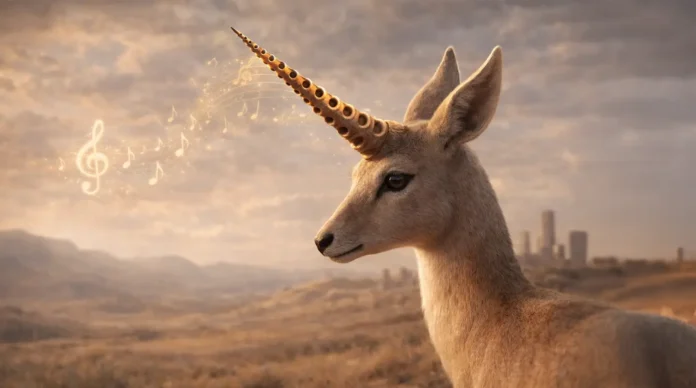
Cù-Sìth

The Cù-Sìth is a giant mythic hound in Scottish lore known to foretell death with its three barks. A...
  • Skills
Fear InducementIllusions & Perception
  • Weaknesses
Blessed WeaponDivine Restrictions
Iran
Horned Creature
Shadhavar or Âras - Persian Mythology
Iran

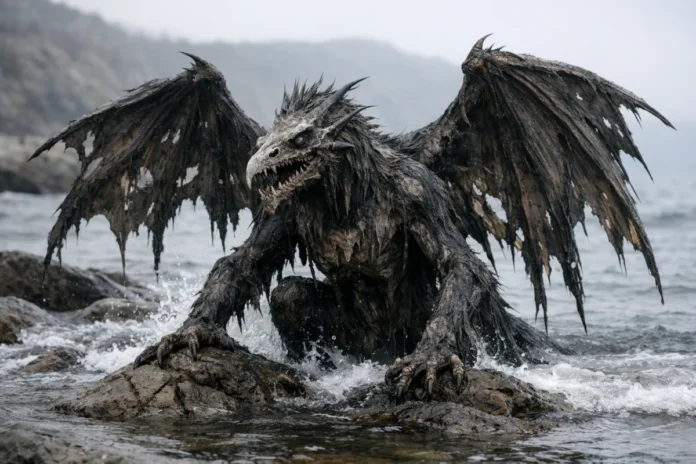
Shadhavar

The Shadhavar is a unicorn-like creature from Persian folklore whose horn produces beautiful, enchanting music.
  • Skills
EnchantmentMelody Control
  • Weaknesses
DeafnessLight

Fae & Supernatural - an Overview

The lore type "Fae & Supernatural" encompasses a broad array of mythological entities and phenomena that transcend ordinary human understanding. These beings and events often serve as bridges between the mundane world and the mystical realms. Their presence is frequently marked by inexplicable occurrences that defy natural laws. As a mythological pattern, the Fae & Supernatural plays a critical role in many cultures, offering explanations for the unexplainable. This lore type functions not merely as a collection of stories but as a symbolic framework that reflects human attempts to comprehend the extraordinary.

Core Characteristics and Themes

Narrative Function

In myths and folklore, the Fae & Supernatural often function as catalysts for change or as agents of chaos. They are typically portrayed as outsiders who disrupt the normal order, prompting characters to navigate moral and ethical dilemmas. These entities may offer challenges that require cleverness or virtue to overcome, thus serving as tests for the protagonists. Their roles can vary significantly, from benevolent guides to malevolent tricksters, driving narratives forward by introducing unpredictable elements. By operating outside conventional rules, they expose characters to new perspectives and possibilities, enriching the narrative landscape.

Symbolic Meaning

Symbolically, the Fae & Supernatural represent the intersection between the known and the unknown, often embodying human fears and desires. They can illustrate cultural anxieties about nature, fate, and the limits of human comprehension. In some traditions, they symbolize the potential for transformation, embodying both the risks and rewards of venturing beyond the familiar. These entities may also reflect societal values, with their actions serving as metaphors for justice, retribution, or the balance between chaos and order. Thus, they encapsulate complex ideas about the human condition, serving as mirrors for introspection and cultural reflection.

Cultural Context and Worldview

Relationship to Religion and Belief

The Fae & Supernatural often interact with religious and cosmological systems, serving either as divine intermediaries or as antagonists to godly order. In some traditions, they are considered minor deities or spiritual entities with specific domains of influence. Their actions may reflect divine will, offering insight into the intentions of greater gods or forces. Alternatively, they might challenge established religious hierarchies, embodying rogue elements that test faith and resilience. These interactions highlight tensions between orthodoxy and heterodoxy, illustrating the dynamic nature of belief systems and their capacity to incorporate, adapt, or resist supernatural elements.

Role in Social or Moral Order

Within social and moral frameworks, the Fae & Supernatural often enforce or subvert cultural norms. Their stories may serve as cautionary tales, warning against hubris or moral transgressions. By exemplifying consequences for unethical behavior, they reinforce societal boundaries and expectations. Conversely, their unpredictable nature can underscore the limitations of rigid moral structures, suggesting flexibility and adaptability as virtues. In this manner, they contribute to cultural dialogues about justice, equity, and the complexities of human behavior. Through their narratives, communities explore the balance between individual agency and collective responsibility.

Associated Mythological Beings

Common Creature Archetypes

Common archetypes within the Fae & Supernatural category include fairies, elves, and spirits that inhabit liminal spaces. These beings are often characterized by their ethereal nature and ambiguous morality. Fairies, for example, may alternately bless or curse humans, depending on the context. Elves might be depicted as guardians of natural environments or as tricksters who complicate human endeavors. Spirits can range from ancestors offering wisdom to malevolent forces seeking retribution. Each archetype serves distinct functions within narratives, illustrating varied cultural understandings of the supernatural and its relationship to humanity.

Non-Creature Manifestations

Beyond creatures, the Fae & Supernatural lore type also encompasses phenomena such as enchanted objects, mysterious lights, or inexplicable occurrences. These manifestations often signal the presence of otherworldly forces at work. Enchanted objects, for instance, might possess the power to alter fate or reveal hidden truths. Mysterious lights could lead travelers astray or guide them to safety, depending on their intent. Such phenomena challenge perceptions of reality, prompting characters to question their assumptions and beliefs. By transcending the ordinary, they invite exploration of the world's hidden layers, emphasizing the boundless potential of the unknown.

Variations Across Cultures

Regional Interpretations

Regional interpretations of the Fae & Supernatural vary widely, reflecting distinct cultural contexts and historical influences. In Celtic traditions, fairies are often seen as remnants of ancient spirits tied to the land, while in Scandinavian folklore, elves may be associated with natural elements and protection. In East Asian cultures, supernatural entities often embody ancestral spirits or guardian figures, reflecting a deep connection to familial heritage. These variations illustrate how cultural narratives adapt universal themes to local environments and beliefs, offering diverse perspectives on the supernatural and its role within human societies.

Shared Structural Patterns

Despite cultural differences, certain structural patterns remain consistent across Fae & Supernatural narratives. These include themes of transformation, trickery, and the crossing of boundaries between worlds. Such patterns highlight universal human experiences, such as the fear of the unknown and the allure of the mysterious. They emphasize the fluidity between order and chaos, illustrating how supernatural forces can disrupt established norms. By maintaining these elements, diverse traditions offer a shared language for exploring existential questions, underscoring the interconnectedness of global mythologies and their capacity to address common human concerns.

Persistence and Transmission

Oral and Written Traditions

The Fae & Supernatural lore type has been preserved through both oral and written traditions, allowing it to adapt over time. Oral narratives, passed down through generations, have ensured the continuity and evolution of these stories, enabling communities to reinterpret their meanings. Written records, such as manuscripts and folklore collections, have further cemented their place in cultural memory. These methods of transmission have enabled the lore type to endure, reflecting changing societal values and insights while maintaining a core set of themes that resonate across eras and regions.

Adaptation Over Time

Adaptation over time has seen the Fae & Supernatural evolve in response to cultural shifts and technological advancements. As societies have changed, so too have the narratives, incorporating contemporary issues and perspectives. For example, industrialization and urbanization have influenced portrayals of supernatural beings, with traditional woodland spirits adapting to urban environments. Such changes illustrate the dynamic nature of folklore, as it reflects and responds to human experiences. This adaptability ensures the continuing relevance of the Fae & Supernatural, allowing it to remain a vital part of cultural identity and storytelling traditions.

Scholarly Interpretation and Uncertainty

Symbolic vs Literal Readings

Scholars often debate the symbolic versus literal interpretations of the Fae & Supernatural, with some viewing them as allegorical expressions of cultural values. These symbolic readings suggest that supernatural narratives convey deeper truths about human nature and societal norms. Alternatively, literal interpretations consider these stories as historical accounts of belief in actual supernatural occurrences. The distinction between these perspectives reflects broader discussions about the nature of mythology and its role in human understanding. Such debates underscore the complexity of interpreting folklore, highlighting the multiplicity of meanings embedded within these narratives.

Limits of Historical Evidence

The study of the Fae & Supernatural is limited by gaps in historical evidence, with many sources lost or fragmentary. This lack of comprehensive documentation poses challenges for scholars attempting to reconstruct original contexts and meanings. Interpretive disagreements often arise from these evidentiary limitations, with different conclusions drawn based on incomplete information. Additionally, oral traditions, which play a significant role in preserving these narratives, may have altered over time, complicating efforts to trace their origins. Acknowledging these uncertainties is crucial for understanding the complexity of the Fae & Supernatural and its place within cultural history.

Classification Notes

Distinction from Related Lore Types

The Fae & Supernatural lore type is distinct from related concepts, such as traditional deities or legendary heroes, through its emphasis on ambiguity and liminality. Unlike gods, supernatural beings often occupy fluid roles, shifting between helper and hindrance. Their ambiguous morality contrasts with the more defined ethical frameworks of heroes, whose narratives typically involve clear quests or objectives. This distinction highlights the Fae & Supernatural's role in exploring the boundaries of human experience, emphasizing the uncertain and the mysterious in ways that other lore types may not fully encapsulate.

Use in Mythological Taxonomy

In mythological taxonomy, the Fae & Supernatural serves as a crucial classification category, providing a framework for understanding phenomena that transcend ordinary experiences. By categorizing entities and narratives within this lore type, scholars can analyze the cultural significance of the supernatural across diverse traditions. This classification aids in the comparative study of folklore, allowing for the identification of recurring patterns and themes. It emphasizes the role of the supernatural as a means of exploring the limits of human understanding, offering insights into the complex interplay between culture, belief, and the unknown.