back to top

Mischief Makers

Mischief Makers categorize tales of trickery and cunning, highlighting mythological figures known for their cleverness and playful deception.

Relevant Beasts
Europe
Dark Fae
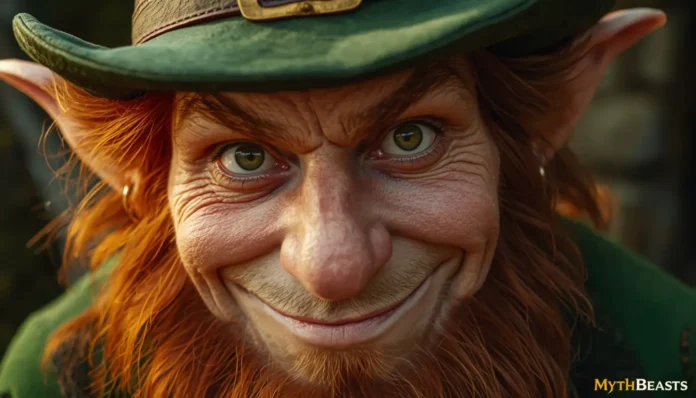
Leprechaun: The Mischievous Fairy of Irish Folklore
Ireland

Leprechaun

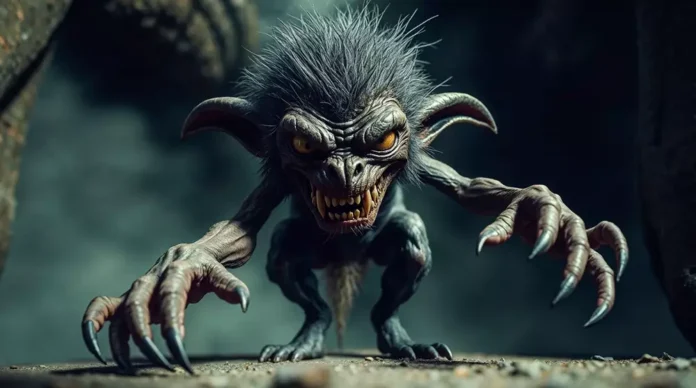
Leprechauns are small, mischievous fairies from Irish folklore known for their trickery and guarding pots of gold.
  • Skills
Illusions & PerceptionStealth
  • Weaknesses
Iron HurtMagic Boundaries
Asturian
Trickster Shifter
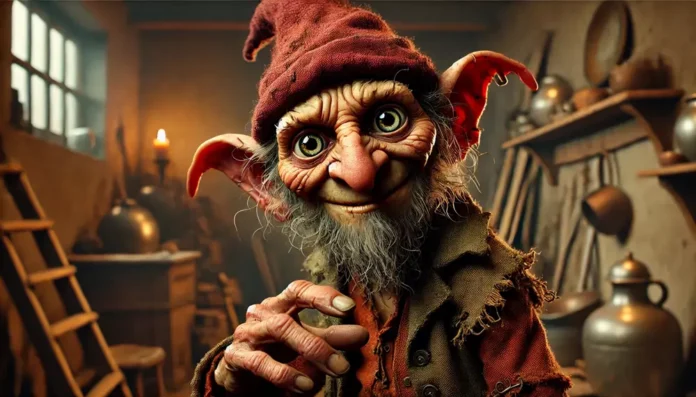
Trasgu - Asturian floklore
Asturian

Trasgu

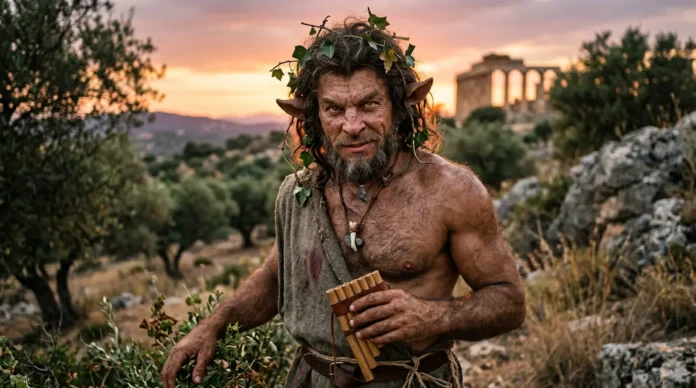
Trasgu is a goblin-like creature from Asturian folklore, often seen as a prankster in domestic settings.

  • Skills
CamouflageIllusions & Perception
  • Weaknesses
Fire VulnerableSacred Ash
Asia
Mythical fox
Kitsune - Japanese Mythology
Japan

Kitsune

Kitsune are legendary fox spirits in Japanese folklore known for their shapeshifting abilities and mystical powers.

  • Skills
Animal MorphingCharm
  • Weaknesses
Element SensitivitiesMagic Boundaries

Mischief Makers – an Overview

Mischief Makers serve as a symbolic pattern across various mythologies and folklore. They often embody chaos, disruption, and transformation within narratives, challenging social norms and inviting reflection on human behavior. These figures are essential in mythological storytelling, often acting as catalysts for change, prompting action, or revealing hidden truths. Mischief Makers are not mere disruptors; they provoke thought and highlight the complexities of moral choices, often bringing about growth or understanding through their antics.

Core Characteristics and Themes

Narrative Function

In myths, Mischief Makers typically serve to challenge the status quo, introducing chaos that forces other characters to adapt, grow, or reveal hidden aspects of themselves. They are often pivotal to plot developments, creating situations that require resolution, whether through heroics, cunning, or cooperation. Their actions often result in unintended lessons, emphasizing the unpredictability of life and the necessity for wisdom and adaptability.

Symbolic Meaning

Symbolically, Mischief Makers often represent the unpredictability of life and the need to embrace change. They can embody societal fears of chaos but also the potential for innovation and new perspectives. Through their disruptive acts, they challenge rigid structures, encouraging societies to question norms and consider alternative paths or solutions. Mischief Makers reveal the complexity of morality, illustrating that good and bad are often interwoven.

Cultural Context and Worldview

Relationship to Religion and Belief

Mischief Makers frequently intersect with religious and cosmological systems, highlighting tensions between order and chaos. In many traditions, they may function as trickster gods or spirits, balancing divine order with necessary disorder. This duality allows cultures to explore existential questions about the nature of creation, human fallibility, and divine intervention. Their presence in myths often reflects a worldview that acknowledges both divine benevolence and the chaotic forces of nature.

Role in Social or Moral Order

In social contexts, Mischief Makers often reinforce societal norms by disrupting them, allowing communities to explore the consequences of rule-breaking in a controlled narrative space. Their stories often serve as cautionary tales or moral lessons, emphasizing the importance of wisdom, restraint, and the balance between freedom and responsibility. Through their actions, societies can reflect on the values they hold dear, testing the resilience of moral and ethical boundaries.

Associated Mythological Beings

Common Creature Archetypes

Common archetypes of Mischief Makers include tricksters, jesters, and shapeshifters, who often possess cleverness and wit that allow them to navigate various challenges. These beings frequently defy categorization, existing outside societal norms and expectations. They may also possess transformative abilities that enable them to alter appearances or circumstances, further emphasizing their role as agents of change and unpredictability.

Non-Creature Manifestations

Mischief Makers can also manifest as abstract concepts or events rather than defined creatures. These might include unexpected twists of fate, puzzling riddles, or mysterious occurrences that disrupt the narrative flow, prompting characters to question their assumptions or beliefs. In some cultures, these non-creature manifestations serve as reminders of the world’s inherent unpredictability and the necessity for flexibility and adaptability in the face of change.

Variations Across Cultures

Regional Interpretations

Cultural interpretations of Mischief Makers vary significantly, reflecting local values, fears, and historical contexts. For example, in some Indigenous American traditions, trickster figures like Coyote embody both creativity and chaos, teaching lessons through their adventures. In contrast, Norse mythology’s Loki is more ambivalent, often seen as a necessary but dangerous force. These regional differences highlight varying cultural attitudes toward disruption and transformation.

Shared Structural Patterns

Despite regional variations, certain structural patterns remain constant in Mischief Maker narratives. These include the challenge to authority, the subversion of norms, and the duality of harm and benefit. Mischief Makers often blur the lines between friend and foe, reflecting the complex and multifaceted nature of human relationships and societal structures. Their stories typically involve elements of humor, irony, and paradox, which are key to their enduring appeal and relevance.

Persistence and Transmission

Oral and Written Traditions

Mischief Makers are preserved through both oral and written traditions, ensuring their narratives reach successive generations. Oral storytelling allows for adaptability and regional specificity, while written texts provide enduring records of these tales. Both methods serve to reinforce cultural values and transmit essential lessons across time, cementing the Mischief Makers’ role within the cultural consciousness.

Adaptation Over Time

As societies evolve, interpretations of Mischief Makers also change, reflecting contemporary values and concerns. These figures may take on new forms or meanings, adapting to modern narratives while retaining core themes of disruption and transformation. Over time, their stories often incorporate new cultural elements, illustrating the dynamic and fluid nature of mythology and its capacity to adapt to changing social landscapes.

Scholarly Interpretation and Uncertainty

Symbolic vs Literal Readings

Scholars often debate whether Mischief Maker narratives should be read symbolically or literally. Symbolic readings suggest these figures represent broader existential themes, while literal interpretations focus on their narrative role. This debate highlights the diverse ways societies understand and integrate these complex figures into their worldview, illustrating the richness and depth of mythological narratives.

Limits of Historical Evidence

Despite their ubiquity, historical evidence for Mischief Makers can be limited or ambiguous. Many traditions rely on oral histories, which are subject to change and interpretation over time. Consequently, scholars must often rely on cross-cultural comparisons and theoretical frameworks to understand these figures’ roles. No verified sources describe all aspects of Mischief Makers across cultures, emphasizing the need for cautious interpretation.

Classification Notes

Distinction from Related Lore Types

Mischief Makers differ from related lore types such as heroes or villains by their focus on disruption rather than resolution or conquest. They occupy a unique space within mythology, where their primary function is to provoke thought and change rather than to embody pure good or evil. This distinction is crucial for understanding their function within broader mythological systems.

Use in Mythological Taxonomy

In mythological taxonomy, Mischief Makers serve as a classification category due to their unique role in narratives. Their ability to embody chaos and provoke transformation makes them essential for understanding the dynamics of mythological stories. Without this category, the complexity and ambiguity of mythological systems would be incomplete, as Mischief Makers provide a necessary counterbalance to order and stability.