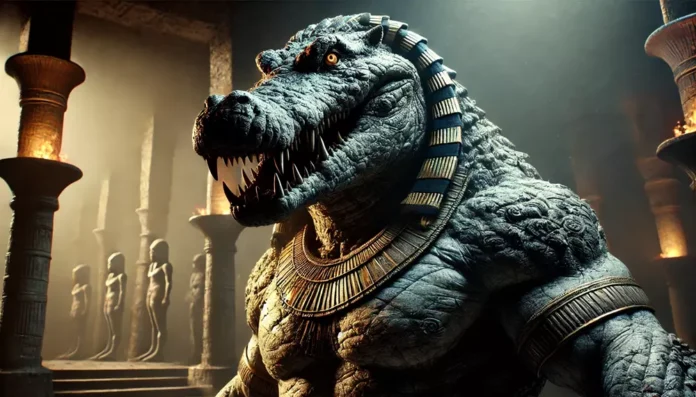
Overview of the Ancient Egypt Period
The period known as Ancient Egypt spanned from approximately 3100 BCE to 332 BCE. This era saw the rise and fall of numerous dynasties, ultimately forming one of history’s most influential civilizations. Ancient Egypt’s longevity and cultural innovations played a significant role in shaping its rich mythological, folkloric, and spiritual traditions, which permeated daily life, governance, and artistic expression. Its enduring monuments and artifacts reflect the civilization’s intertwined relationship with the supernatural world, offering insights into its people’s belief systems.
The Nile River, vital for sustaining life in the region, influenced both practical and spiritual aspects of Egyptian culture. Its predictable flooding ensured agricultural prosperity, while its symbolic significance permeated religious texts and mythological narratives. This geographical and environmental context shaped the inhabitants’ understanding of the divine and fostered a symbiotic connection between the natural world and supernatural beliefs. The cyclical patterns of life and death mirrored by the Nile were mirrored in Egyptian cosmology, infusing their myths with themes of rebirth and transformation.
Pharaohs were seen as divine or semi-divine figures, bridging the human and godly realms. This belief underscored the importance of maintaining cosmic order or “ma’at”, a central tenet reflected in Egyptian mythology. The construction of monumental architecture like pyramids and temples not only served as physical embodiments of power but also as spiritual junctions for communication with the gods. Hieroglyphic inscriptions within these structures captured religious narratives and prayers, preserving the mythological worldview for posterity.
Cultural and Religious Worldviews
Dominant Belief Systems
Ancient Egyptians practiced a complex polytheistic religion, venerating a pantheon of gods and goddesses. Deities like Osiris, Isis, and Ra were central to cosmological narratives, embodying natural forces and human attributes. Each god had distinct roles and domains, with interactions among them explaining natural phenomena and cultural practices. These divine characters were believed to influence every aspect of life, from governance to daily routines, underscoring the importance of maintaining harmony through religious observance.
Cosmology in Ancient Egypt was intertwined with the concept of the afterlife, which played a pivotal role in shaping spiritual practices. The journey to the afterlife was detailed in various texts, with the “Book of the Dead” providing guidance for navigating the underworld. This belief in eternal life led to elaborate burial customs and construction of tombs, ensuring safe passage and favorable judgment in the afterlife. Such practices highlight how Egyptian mythology provided a framework for understanding existence beyond the mortal realm.
Role of Myth in Daily Life
Myths and legends were instrumental in reinforcing social norms and moral values. They served as didactic tools, illustrating ethical principles and cultural ideals through allegorical narratives. Stories of gods and heroes offered paradigms of behavior, with their triumphs and failures imparting lessons about virtue, justice, and retribution. These narratives were propagated through oral traditions and later inscribed in texts, ensuring continuity and accessibility across generations.
Religious rituals and festivals, often rooted in mythological events, structured the Egyptian calendar and community life. Such ceremonies not only honored deities but also reinforced communal bonds and cultural continuity. The interplay between myth and ritual underscored the integration of spiritual beliefs into the fabric of daily existence, reflecting the Egyptians’ holistic worldview where the sacred and secular were inseparable.
Mythological Beasts and Supernatural Entities
Common Types of Mythical Creatures
Egyptian mythology featured a variety of mythical creatures, each embodying specific symbolic functions. These included divine animals like the Apis bull, associated with fertility and strength, and the Bennu bird, linked to creation and renewal. Hybrid beings, such as the sphinx and griffin, combined human and animal elements, representing protective forces and guardians of sacred spaces. Such creatures were not only mythological but also depicted in art and architecture, reinforcing their cultural significance.
Symbolism and Meaning
Mythical creatures in Egyptian mythology often symbolized protective and transformative powers. For instance, the uraeus, a symbolic serpent, represented sovereignty and divine authority, often worn by pharaohs as a protective emblem. The scarab beetle symbolized regeneration and the cycle of life, reflecting the Egyptian focus on rebirth and immortality. These symbolic meanings not only informed religious practices but also provided a framework for understanding the natural world and human experience.
Folklore Traditions and Storytelling
Oral and Written Transmission
Mythological stories were initially transmitted orally, forming an integral part of communal gatherings and religious ceremonies. Storytellers played a vital role in preserving and conveying cultural knowledge, ensuring its survival across generations. As writing developed, myths were inscribed on temple walls, papyri, and sarcophagi, providing a written record of religious narratives and instructions for the afterlife. This transition from oral to written forms facilitated the dissemination and standardization of mythological material across the civilization.
Regional Variations
Despite a shared cultural framework, regional variations in myth and folklore existed across Egypt. Local deities and traditions often influenced the interpretation and emphasis of mythological narratives. For example, in Thebes, the god Amun-Re was venerated as king of the gods, reflecting Thebes’ political significance. In contrast, Memphis held Ptah in high regard, reflecting local priorities and beliefs. These regional differences illustrate the adaptability of Egyptian mythology to local contexts, enriching the cultural tapestry of the civilization.
Relationship Between Humans and the Mythical World
Fear, Protection, and Reverence
Mythical creatures were perceived with a mix of fear and reverence, often regarded as both threats and protectors. While some beings, like demons, were viewed as malevolent forces, others, such as protective deities, were invoked for safeguarding and guidance. The dual nature of these entities reflected Egyptians’ understanding of balance within the cosmos, where order and chaos coexisted. This belief shaped religious practices and rituals, aiming to appease and harness supernatural forces.
Influence on Art and Material Culture
Mythological themes permeated Egyptian art and material culture, evident in sculptures, jewelry, and temple decorations. Iconography of gods and mythical creatures adorned walls and objects, serving religious and aesthetic purposes. These representations communicated cultural values and beliefs, reinforcing mythological narratives through visual symbolism. Artifacts such as amulets and statues were not merely decorative but served as conduits for divine protection and influence, reflecting the integration of mythology into everyday life.
Transition and Legacy of the Ancient Egypt Period
As Egypt’s political power waned, its mythological concepts evolved and adapted, influencing subsequent cultures and religions. Hellenistic rulers incorporated Egyptian deities into their pantheon, blending traditions and expanding their reach. This syncretism preserved Egyptian myths within the Greco-Roman world, ensuring their continuity. Over time, Egyptian mythology contributed to Christian and Islamic traditions, influencing religious iconography and narratives. This legacy highlights the enduring impact of Egyptian mythology beyond its geographic and temporal confines.
Historical Reliability and Interpretation
Interpreting mythological material from Ancient Egypt presents challenges due to the symbolic nature of sources and the scarcity of firsthand accounts. Scholars rely on archaeological findings, inscriptions, and later historical texts to reconstruct beliefs and practices. However, these sources often reflect specific social or political contexts, necessitating careful analysis to avoid anachronistic interpretations. Discrepancies between myth and historical fact require a nuanced understanding of cultural symbolism, emphasizing the complexity of reconstructing ancient worldviews.