
back to top

Ancient Israel

Relevant Beasts
Hebrews
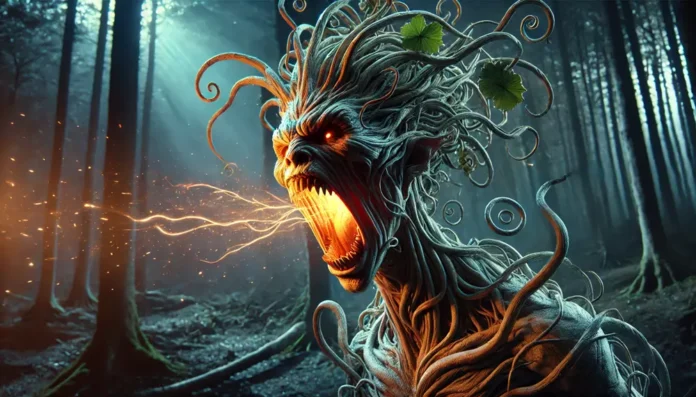
Sentient Plant
Hebrews

Mandrake

Duda'im, the mystical plant-like being, is a symbol of fertility and divination in ancient Hebrew lore, known for its...
  • Skills
Healing & LifeHealing Touch
  • Weaknesses
Dry Land HarmEnvironmental Limits
Hebrews
Death Messenger
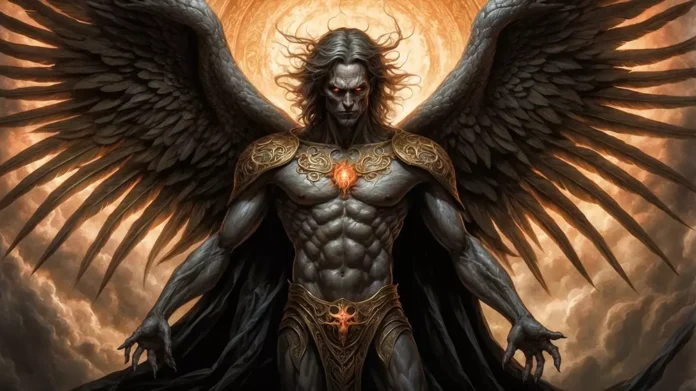
Samael - the angle of death
Hebrews

Samael

Samael, the Angel of Death, is a figure of divine judgment and moral complexity in Jewish lore, known for...

  • Skills
Death & NecromancyDeath Touch
  • Weaknesses
Divine LightDivine Restrictions
Hebrews
Demonic Form
Hebrews

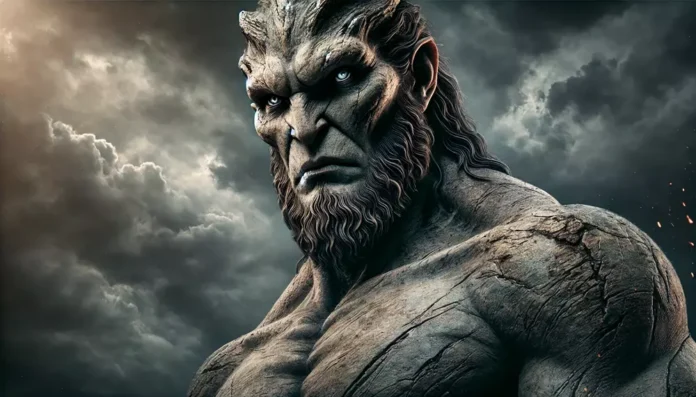
Azazel

Azazel is a powerful demon in Jewish mythology, known for his role in carrying away sins and spreading forbidden...
  • Skills
Forbidden KnowledgeMind Control
  • Weaknesses
Blessed WeaponDivine Restrictions
Hebrews
Giant Humanoid
Hebrews

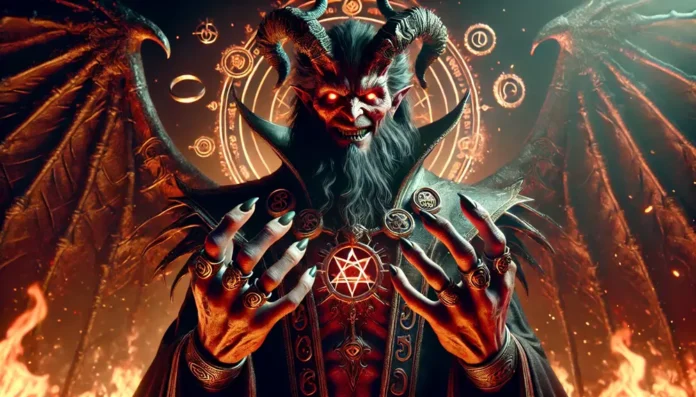
Nephilim

Nephilim are giant humanoids from ancient Hebrew mythology, often depicted as the offspring of angels and humans. Their presence...
  • Skills
Physical Strength
  • Weaknesses
Divine Restrictions
Hebrews
Dark Spirit
Asmodeus - the king of Shedim - Hebrew folklore
Hebrews

Asmodeus

Asmodeus, rooted in Hebrew demonology, is a king of demons known for lust and chaos, feared in Jewish lore...
  • Skills
Magic & DivinityShapeshifting Mastery
  • Weaknesses
Divine RestrictionsHoly Water
Hebrews
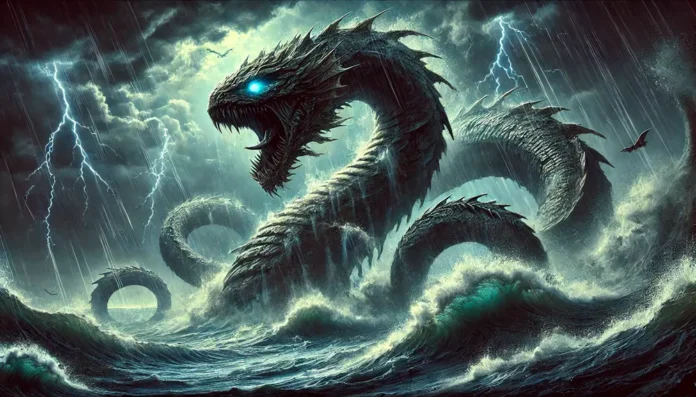
Abyss Leviathan
Leviathan
Hebrews

Leviathan

Monstrous sea serpent from Hebrew mythology, symbolizes chaos and the ocean’s destructive power. Revered across cultures, it embodies humanity’s...

  • Skills
Element ControlWater Breathing
  • Weaknesses
Element SensitivitiesFire Vulnerable

Overview of the Ancient Israel Period

The period known as Ancient Israel spans from the late Bronze Age through the early Iron Age, roughly 1200 to 586 BCE. This era is characterized by the emergence of the Israelites in the Levant. It saw significant interactions with neighboring civilizations like Egypt, Assyria, and Babylon, making it a pivotal crossroads of ancient cultures. Understanding myth, folklore, and belief systems is crucial to examining how Ancient Israel’s people perceived their world. Such beliefs offered explanations for natural phenomena and reinforced social norms, setting the stage for enduring cultural narratives.

Cultural and Religious Worldviews

Dominant Belief Systems

The religious landscape of Ancient Israel was monotheistic, a defining characteristic that set it apart from polytheistic neighbors. Central to this belief was Yahweh, perceived as the sole divine entity responsible for creation and moral order. Unlike polytheistic systems, where gods ruled specific domains, Yahweh encompassed all aspects of life. This unique religious framework influenced how natural and supernatural phenomena were interpreted, providing a unified cosmological view. However, archaeological evidence suggests that localized polytheistic practices might have coexisted, pointing to transitional religious dynamics.

Role of Myth in Daily Life

Myths and legends in Ancient Israel served as more than entertainment; they were foundational to understanding moral and ethical conduct. These narratives offered guidance on social behavior, illustrating virtues such as justice and loyalty. Myths also reinforced communal ties by providing a shared cultural heritage, linking everyday life to divine order. Rituals and festivals often revolved around these stories, creating structured interactions between humans and the divine. Thus, myths were pivotal in shaping both individual and collective identities, functioning as a societal glue in an era of uncertainty.

Mythological Beasts and Supernatural Entities

Common Types of Mythical Creatures

Mythological beasts in Ancient Israel often derived from broader Near Eastern traditions, with adaptations unique to Israelite culture. Creatures like the Leviathan, a monstrous sea serpent, symbolized chaos and divine wrath. Winged cherubim, often depicted as guardians, were another common motif, believed to protect sacred spaces such as temples. These entities reflected a complex understanding of the world, intertwining nature with the supernatural. Unlike animals in neighboring mythologies, these creatures often bore a direct relationship to Yahweh’s dominion, emphasizing the monotheistic framework.

Symbolism and Meaning

Mythical creatures held deep symbolic meaning, often representing divine justice or cosmic order. For example, the Leviathan embodied the unknown and uncontrollable aspects of existence, serving as a metaphor for chaos subdued by divine power. Cherubim, depicted in religious art, symbolized divine protection and the sanctity of holy spaces. These symbols were not mere artistic decoration but integral to theological narratives. They reinforced complex concepts of divine omnipresence, justice, and protection, linking everyday experiences with broader cosmological themes.

Folklore Traditions and Storytelling

Oral and Written Transmission

In Ancient Israel, the transmission of myths relied heavily on oral traditions, with stories passed through generations by word of mouth. This method allowed for adaptability and regional variations, maintaining relevance across different communities. With the advent of writing, some stories were codified in texts like the Hebrew Bible, securing their place in cultural memory. Inscriptions and later manuscripts also preserved these narratives, providing evidence of their enduring influence. Oral and written traditions thus worked in tandem, ensuring the survival and transformation of mythological tales over centuries.

Regional Variations

While the core myths remained consistent, regional variations within Ancient Israel reflected local customs and beliefs. In the northern regions, Canaanite influences might have shaped how certain deities were perceived, whereas in the south, a stricter monotheistic interpretation prevailed. These differences illustrate how geographical and cultural contexts influenced mythological narratives. The diversity within these traditions highlights the adaptability of myths, allowing them to resonate with varied audiences while maintaining a coherent cultural identity. Such variations also underscore the dynamic nature of folklore as a living tradition.

Relationship Between Humans and the Mythical World

Fear, Protection, and Reverence

People in Ancient Israel perceived mythical beasts with a mixture of fear and reverence. Leviathan, for instance, was feared as an embodiment of chaos, yet its defeat by divine power was celebrated as a demonstration of cosmic order. Conversely, cherubim were revered as divine guardians, their presence symbolizing safety and sanctity. These creatures were not mere myths but integral to understanding the divine’s role in daily life. Such beliefs underscored the complexity of human-divine interactions, blending fear with hope and protection with reverence.

Influence on Art and Material Culture

Mythical themes from Ancient Israel significantly influenced art and material culture. Cherubim motifs adorned temple decorations, symbolizing divine presence and protection. Leviathan’s imagery appeared in poetry and scripture, illustrating its cultural significance. These representations were not limited to religious contexts but found expression in everyday objects and tools. Through decoration and iconography, these mythical symbols reinforced societal values and beliefs. The integration of mythological themes into material culture highlights the pervasive impact of these narratives on the cultural landscape of Ancient Israel.

Transition and Legacy of the Ancient Israel Period

As Ancient Israel transitioned into later historical periods, its mythological concepts evolved, influencing subsequent religious and cultural traditions. The monotheistic framework laid foundations for both Judaism and Christianity, preserving and transforming many of its myths. While some creatures like Leviathan remained symbolic of chaos, their interpretations adapted to new theological contexts. The legacy of these myths extended into art, literature, and religious thought, shaping cultural storytelling in profound ways. The transformation of these narratives demonstrates their enduring relevance and adaptability to changing cultural landscapes.

Historical Reliability and Interpretation

Interpreting mythological material from Ancient Israel poses challenges due to the limitations of sources and the symbolic nature of many narratives. Archaeological evidence provides context, yet the difference between belief and historical fact often remains blurred. Modern scholars continue to analyze these myths critically, considering their historical and cultural contexts. Such interpretations emphasize the mythological narratives’ role in expressing complex societal values and beliefs. Despite the challenges, these myths offer invaluable insights into the ancient world and its enduring influence on later cultural and religious traditions.