
back to top

Medieval Irish

Relevant Beasts
Europe
Dark Fae
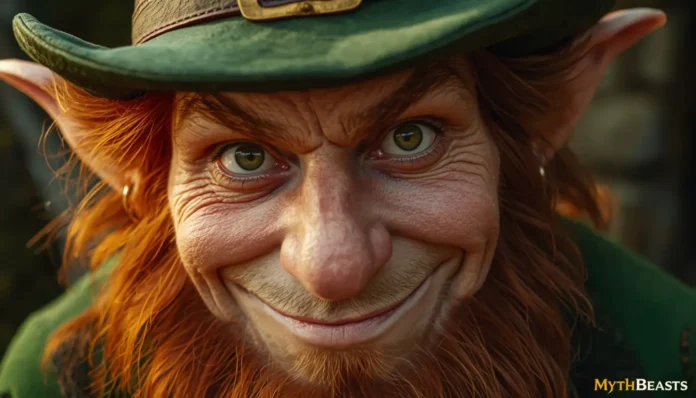
Leprechaun: The Mischievous Fairy of Irish Folklore
Ireland

Leprechaun

Leprechauns are small, mischievous fairies from Irish folklore known for their trickery and guarding pots of gold.

  • Skills
Illusions & PerceptionStealth
  • Weaknesses
Iron HurtMagic Boundaries

Overview of the Medieval Irish Period

The Medieval Irish period spans from approximately the 5th to the 12th century. During this time, Ireland was a patchwork of kingdoms, each ruled by chieftains or kings. This era was marked by significant cultural, political, and religious transformations. One defining characteristic was the introduction of Christianity, which began to replace older Celtic practices. Despite these changes, the period retained a rich tapestry of oral traditions and mythologies, deeply influencing societal values and norms. Understanding this period is essential for appreciating how myths, folklore, and belief systems shaped everyday life and cultural identity in Medieval Ireland.

Cultural and Religious Worldviews

Dominant Belief Systems

During the Medieval Irish period, belief systems were a blend of pre-Christian Celtic spirituality and the increasingly dominant Christian doctrine. Celtic spirituality revered nature, and its deities were closely associated with elements like rivers, trees, and animals. Christianity introduced the worship of a monotheistic God, but many folk practices were retained, creating a unique syncretism. People perceived the natural and supernatural worlds as intertwined, with sacred landscapes imbued with both divine and mystical significance. This duality allowed for a complex understanding of existence, where spiritual and earthly realms coexisted harmoniously.

Role of Myth in Daily Life

Myths and legends were deeply embedded in the fabric of daily life. They functioned as a moral compass, guiding individuals on how to behave within their communities. Stories of heroes and gods served as both entertainment and ethical instruction, imparting lessons about bravery, loyalty, and justice. Rituals often incorporated elements from myths, reflecting society’s values and beliefs. Moreover, myths reinforced a shared cultural identity, bringing communities together through common narratives that celebrated their unique heritage and history.

Mythological Beasts and Supernatural Entities

Common Types of Mythical Creatures

The Medieval Irish period featured a diverse array of mythological creatures. Categories included shape-shifting beings like the púca, water spirits such as merrows, and the terrifying banshee, whose wails foretold death. These creatures often defied natural laws, embodying supernatural powers that reflected the mysteries of the natural world. Unlike singular stories, these beings represented recurring archetypes, appearing in varied forms across different tales, each offering insight into human fears and desires.

Symbolism and Meaning

Mythical creatures held profound symbolic meanings. The banshee, for example, symbolized the inevitability of death and the connection between the mortal world and the afterlife. Shape-shifters like the púca represented transformation and the unpredictable nature of life. These symbols provided psychological comfort, allowing people to externalize and confront existential fears. Spiritually, they reflected the belief in a world animated by forces beyond human comprehension, encouraging respect for the unknown.

Folklore Traditions and Storytelling

Oral and Written Transmission

Folklore during the Medieval Irish period was primarily transmitted orally. Storytellers, or seanchaí, played a crucial role in preserving and sharing these narratives. Their performances were often communal events, reinforcing social bonds. Over time, with the advent of Christian monasteries, some myths were recorded in manuscripts such as the “Book of Kells” and the “Book of Leinster.” These texts, while religious in nature, often included mythological material, preserving a blend of old and new traditions for future generations.

Regional Variations

Folklore varied significantly across regions within Medieval Ireland. In Ulster, tales often focused on warrior heroes, reflective of the region’s martial culture. In contrast, Munster folklore frequently featured tales of cunning and trickery, possibly influenced by local socio-political dynamics. Despite these differences, certain themes and characters remained consistent, highlighting a shared cultural framework. However, local adaptations ensured that stories resonated with specific community experiences, enhancing their relevance and longevity.

Relationship Between Humans and the Mythical World

Fear, Protection, and Reverence

Humans viewed mythical beasts with a mix of fear, reverence, and awe. Beings like the banshee were feared for their ominous warnings, while others, such as guardian spirits, were revered and sought for protection. These relationships were complex, reflecting the belief that engaging respectfully with the supernatural could bring blessings. Myths thus functioned as a means to negotiate a world filled with unseen forces, teaching humans how to coexist with these powerful entities.

Influence on Art and Material Culture

Mythical themes were prevalent in art and material culture. Stone carvings often depicted mythological scenes, blending Christian and pagan motifs. Manuscripts featured intricate illustrations of mythical creatures, showcasing the artistry and cultural values of the period. Jewelry, weapons, and clothing sometimes bore symbols associated with myths, reflecting the deep cultural significance of these stories. Through such material expressions, myths became a tangible part of everyday life, bridging the spiritual and material worlds.

Transition and Legacy of the Medieval Irish Period

As Ireland transitioned from the Middle Ages to the early modern period, mythological concepts evolved. The spread of written literature altered the focus of storytelling, emphasizing Christian themes. However, many mythological elements persisted, influencing later folklore and cultural narratives. The Romantic movement in the 19th century revived interest in Celtic myths, integrating them into broader European cultural expressions. This legacy continues to shape Irish cultural identity, showcasing the enduring power of Medieval Irish mythology.

Historical Reliability and Interpretation

Interpreting Medieval Irish mythology presents challenges due to limited sources and historical biases. Many manuscripts were compiled by Christian monks, who sometimes altered pagan stories to align with Christian teachings. As such, distinguishing original pagan beliefs from later interpretations requires careful scholarly analysis. Symbolic interpretation is also complex, as myths often served multiple functions, from moral instruction to entertainment. Despite these challenges, the rich tapestry of Medieval Irish mythology offers invaluable insights into the cultural and spiritual life of the time.