Overview of the Modern Cryptid Lore Period
Modern Cryptid Lore is not a recognized historical period comparable to antiquity or the Middle Ages. It describes modern traditions concerning reported animals whose existence remains unverified or disputed.
Its formation is generally associated with nineteenth-century print culture, expanding natural history, and later mass communications. The label cryptozoology appeared in the mid-twentieth century, although its status as a scientific discipline is not accepted.
Rather than belonging to one civilization, this body of lore developed across societies with distinct religions, local histories, and environments. Its shared feature is modern circulation of extraordinary animal reports.
Earlier communities also described unfamiliar or supernatural beings, but their accounts should not automatically be classified as modern cryptid lore. Historical context determines whether a report concerns spirits, sacred beings, or animals.
Cultural and Religious Worldviews
Dominant Belief Systems
Modern cryptid accounts arise within religiously diverse societies, including communities shaped by Christianity, Indigenous religions, Islam, Buddhism, and secular naturalism. No single cosmology defines the entire category.
Many contemporary reports frame unusual beings as undiscovered animals rather than spirits. This reflects the influence of natural history, though religious interpretations can persist alongside zoological explanations within communities.
In some Indigenous contexts, beings resembling animals may belong to sacred histories or place-based knowledge. Reclassifying them as cryptids can obscure their distinct cultural and religious significance.
Role of Myth in Daily Life
Cryptid narratives can express local concerns about wilderness, unfamiliar landscapes, and limits of human knowledge. Their social meaning varies, so no universal moral function can be assigned.
Reported encounters may reinforce community identity when stories circulate as recognizable local traditions. This role depends on documented community use, rather than an assumption that every report creates solidarity.
Unlike many inherited religious myths, modern cryptid reports often invite debate about evidence and classification. Their reception can therefore connect folklore with public arguments about science and testimony.
Mythological Beasts and Supernatural Entities
Common Types of Mythical Creatures
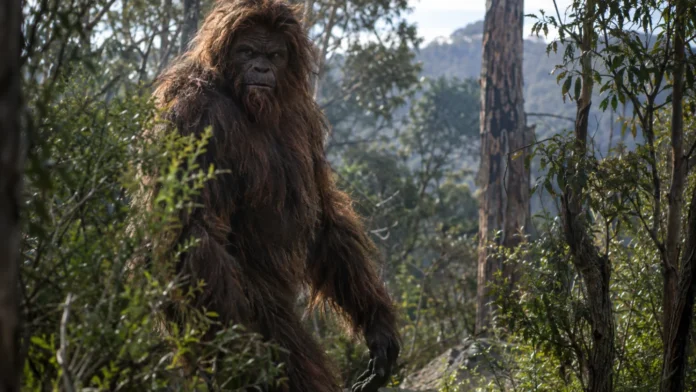
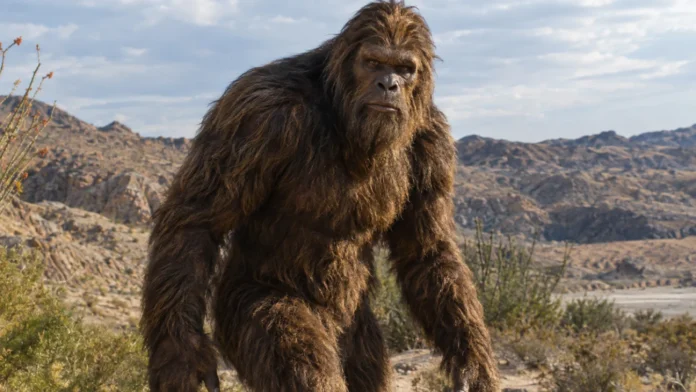
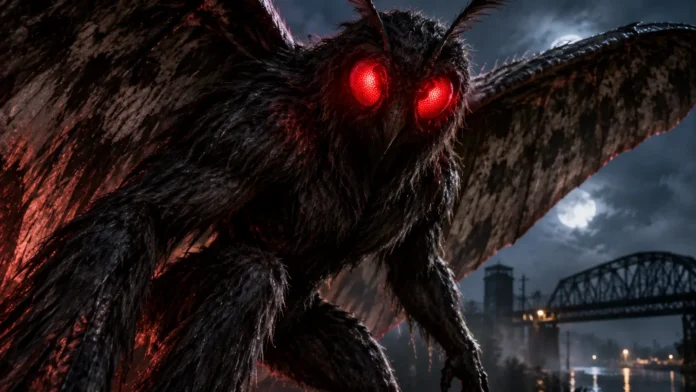
Common modern categories include alleged lake or sea animals, large unknown land mammals, and flying creatures. These groupings describe recurring report types, not verified biological classifications.
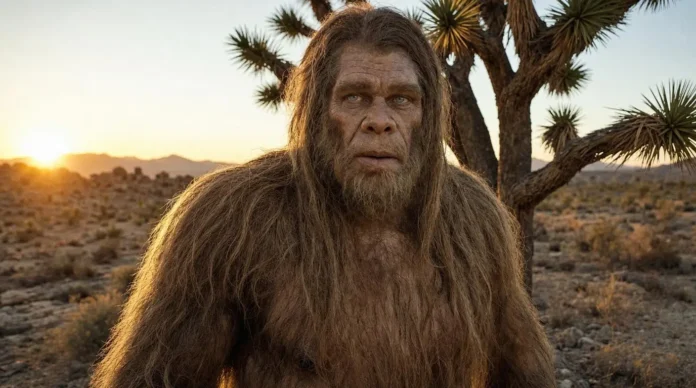
Some narratives concern humanoid beings or entities with supernatural attributes. Such accounts require separate classification from animal reports because their cultural meanings may depend on spiritual or folkloric traditions.
The label cryptid is most applicable when a creature is presented as an unknown animal whose existence is asserted or investigated. It fits less securely when accounts describe deities or spirits.
Symbolism and Meaning
Descriptions of elusive animals can symbolize uncertainty about remote environments. This interpretation is strongest when stories explicitly associate sightings with forests, mountains, or bodies of water.
Some communities use unusual creature narratives to express attachment to particular places. The significance must be established from local testimony or historical records, not inferred solely from geography.
Modern cryptid lore also makes the boundary between accepted knowledge and unresolved claims culturally visible. This function distinguishes it from traditions where a being’s supernatural identity is central.
Folklore Traditions and Storytelling
Oral and Written Transmission
Oral accounts remain important, especially when witnesses recount experiences through family or community networks. Retellings can change details, making transmission history relevant to evaluating particular versions.
Newspapers, books, radio, television, and online platforms have circulated reports beyond their original locations. These media can standardize descriptions, while local versions may preserve distinct details.
Written records document that reports circulated, but they do not independently verify the creatures described. Historians distinguish evidence for a belief from evidence for an animal’s existence.
Regional Variations
North American traditions prominently include reports of large forest or lake creatures. Their prominence reflects regional storytelling and media histories, not proof that such beings inhabit those environments.
In parts of South Asia, Africa, and elsewhere, animal reports may intersect with local sacred narratives. These traditions cannot be reduced to the North American model of an undiscovered species.
European accounts often draw on older regional folklore about uncanny animals, but modern retellings may alter their framing. Local histories must be examined before assigning cryptid classification.
These regional differences matter because a creature regarded as an animal in one account may possess spiritual status elsewhere. Taxonomy should preserve that divergence rather than merge traditions.
Relationship Between Humans and the Mythical World
Fear, Protection, and Reverence
Some reports present creatures as dangerous, particularly when narratives describe threats to travelers or livestock. Such claims document perceived risk, not independently established attacks by unknown species.
Other traditions portray extraordinary beings as guardians or sacred presences. Where this framing belongs to a religious worldview, replacing it with a zoological label changes the account’s meaning.
Fear, reverence, and curiosity can coexist in reports, but their balance varies by community. Researchers should identify the stated response rather than assign a universal emotional pattern.
Influence on Art and Material Culture
Modern creature imagery appears in illustrations, local displays, souvenirs, and media related to particular reports. These objects document cultural circulation, not ancient worship or established ceremonial use.
Historical artworks featuring hybrid or unusual animals require careful dating and contextual interpretation. Their presence alone cannot establish a connection to modern cryptid lore or eyewitness claims.
No verified sources describe a general historical system of cryptid-specific ritual objects. Claims about ceremonial use require evidence tied to a particular community and period.
Transition and Legacy of the Modern Cryptid Lore Period
Modern cryptid traditions continue to change as communication technologies alter how reports travel. New circulation can connect distant audiences while making the origin of particular details difficult to trace.
Older folklore may be recast as cryptid evidence when later audiences reinterpret supernatural beings as animals. This transition is a change in classification, not proof of continuity.
Some narratives become local heritage or tourism themes, while others fade from public attention. Their later importance depends on documented community practice and media history.
Cryptid lore has influenced contemporary storytelling about unexplained nature, but this does not establish a direct line from every older myth. Specific continuities require evidence.
Historical Reliability and Interpretation
Researchers can establish when a report appeared, who circulated it, and how its wording changed. Those findings concern the history of testimony, not necessarily the creature described.
Witness accounts may be sincere yet remain inconclusive because observation, memory, and environmental conditions affect identification. No single limitation automatically disproves a report.
Folklore scholarship examines narrative patterns and social meanings without treating symbolic interpretation as proof of supernatural events. Interpretations remain provisional when community evidence is limited.
Historical records often preserve uneven perspectives, especially when outsiders recorded Indigenous traditions. No verified sources describe this for a specific context unless relevant documentation can be identified.
Accordingly, Modern Cryptid Lore is best classified as a changing modern folklore formation, not a uniform ancient belief system. Its historical value lies in documenting how societies interpret uncertain creatures.