Control & Summoning
Explore the mythological skill of Control & Summoning, where beings command powers to influence and call forth entities in legendary tales.
Relevant Beasts
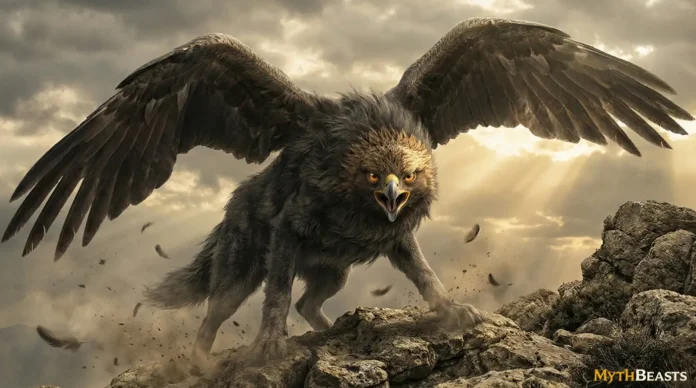
A mighty guardian bird beneath the sacred tree on Mount Alborz that gathers seeds, spreads them across the earth,...

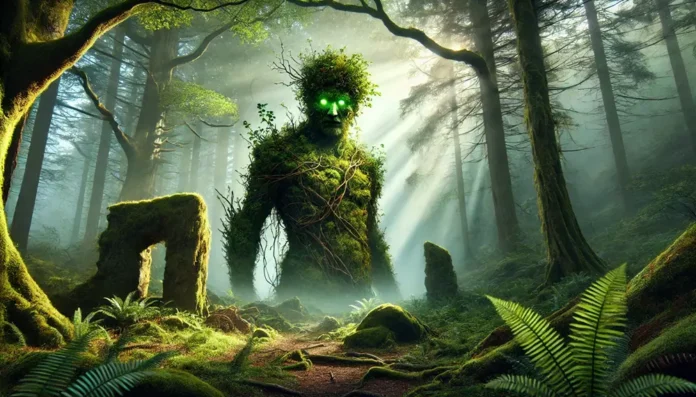
Basajaun is a wild hairy giant from Basque folklore, a guardian of the forests and livestock.
Sub Categories
Animal Communication
Animal communication in mythology refers to the ability to understand and converse with animals. This skill often bridges the gap between human and animal worlds, allowing for mutual understanding and cooperation. It is typically depicted as a rare gift bestowed by divine entities or acquired through mystical means.The skill affects perceptions and relationships, fostering harmony between species. It is often associated with wisdom, empathy, and insight into natural behavior. In various mythologies, individuals possessing this skill are seen as mediators or protectors of nature, enhancing their roles within their communities.
Avatar Summoning
Avatar Summoning is a mythological skill that involves conjuring a physical or spiritual embodiment of a deity or supernatural entity. This skill bridges the mortal and divine realms, granting insights or powers from the summoned being. It often requires invoking specific rituals or chants understood to align the summoner with the entity's essence.In mythology, Avatar Summoning can affect the world by altering natural events or influencing human affairs through the summoned entity's actions. It may also transform the summoner's perception, enhancing understanding of divine will or cosmic order. The practice underscores themes of connection and transformation, reflecting humanity's desire to access and harness divine influence.
Beast Mastery
Beast Mastery is a mythological capacity to communicate with, command, or harmonize with non-human animals, often bridging linguistic and sensory gaps between species. It reshapes perceived hierarchies between humans and animals.Traditions describe it as altering animal behavior, calming aggression, directing movement, or forming cooperative bonds that persist beyond ordinary training. It frequently marks liminal figures mediating wilderness, settlement, and cosmic order.
Beast Summoning
The ability to summon animals or mythical beasts to assist in combat or other tasks. Druids, shamans, or magical beings frequently use Beast Summoning to call upon loyal creatures to fight for them.This power provides the user with an army of natural or magical animals to command in battle.
Construct Creation
Construct Creation is a mythological skill involving the formation of autonomous entities or objects, often imbued with purpose or magic. These constructs are typically created by deities, magicians, or skilled artisans.In mythologies, Construct Creation serves various roles, from guardians and laborers to companions. Examples include golems and animated statues, reflecting cultural beliefs about life, craftsmanship, and power.
Demon Control
Demon Control is a mythological capacity to command, bind, or dismiss malevolent spiritual entities, often through authoritative speech, symbolic constraints, or inherited authority. It regulates interactions between human communities and hostile, disruptive forces.Traditions describe this skill as reshaping boundaries between human, divine, and infernal spheres, redirecting harmful influence or compelling service. It is typically framed as dangerous, requiring strict discipline, knowledge, and legitimate authorization.
Demon Summoning
Demon Summoning is a mythological skill attributed to specialists who call hostile or ambivalent spirits into controlled presence. It alters perceived boundaries between human, spiritual, and cosmic domains, challenging ordinary spatial separation.Accounts describe it as enabling communication, coercion, or bargaining with dangerous entities, affecting health, fortune, and social order. Traditions often treat it as morally ambivalent, technically demanding, and potentially destabilizing.
Doppelganger Summoning
Doppelganger summoning enables the user to create a perfect copy of themselves or another individual. The summoned doppelganger can mimic the appearance, voice, and abilities of the original.
Elemental Summoning
Elemental Summoning is a mythological skill attributed to figures capable of calling forth and directing fundamental natural forces such as fire, water, air, and earth. Sources describe it as altering environmental conditions, reshaping terrain, and intensifying existing weather patterns rather than creating matter from nothing.Myths often connect this skill with negotiated relationships between humans, deities, or spirits associated with particular elements. Elemental Summoning can mark boundaries between sacred and ordinary spaces, test moral or ritual purity, and symbolize ordered control over otherwise dangerous natural phenomena.
Familiar Summoning
Familiar summoning enables the user to summon a magical familiar, a loyal creature that assists in combat or spellcasting. Familiars often share a special bond with the summoner.
Flame Serpent Summoning
Flame Serpent Summoning is a mythological ability involving the invocation of fiery serpents, often seen as powerful elemental forces. These serpents are typically associated with destruction, purification, and transformation, reflecting their dual nature in mythologies worldwide.In various traditions, the summoning is believed to influence natural phenomena, such as volcanic eruptions or wildfires. It symbolizes both creation and chaos, altering landscapes and impacting human consciousness through its fiery presence.
Golem Creation
The ability to create golems or other sentient constructs from materials such as stone, clay, or metal, and bring them to life through magic. Wizards, alchemists, or magical beings use this power to craft powerful, obedient servants.Golems are commonly used for tasks requiring brute strength or loyalty.
Illusionary Control
The power to control and manipulate illusions, creating false realities to deceive, confuse, or control enemies. Trickster gods, illusionists, and sorcerers often use Illusionary Control to alter perceptions.This power creates complex scenarios that fool even intelligent beings.
Insect Swarm Control
Insect swarm control allows the user to summon and command swarms of insects to overwhelm and harass enemies, obscuring vision and distracting opponents.
Magical Reflection
Magical Reflection is a mythological skill that involves deflecting or redirecting supernatural forces back to their source. This ability is often depicted as a protective measure against harmful magic. In various traditions, it serves to maintain equilibrium by ensuring that malevolent spells do not reach their intended targets, instead rebounding upon the originator.The skill is understood as both a defensive and retaliatory mechanism, emphasizing balance and justice. It is frequently associated with enchantments or artifacts that possess inherent reflective properties. In mythological narratives, practitioners of Magical Reflection are portrayed as guardians who use this skill to safeguard realms or communities from magical threats.
Mind Barrier Creation
Mind Barrier Creation is a mythological skill that involves forming an invisible protective shield around the mind. This shield is believed to prevent external influences from penetrating one's thoughts.In various traditions, such barriers are thought to guard against mental intrusion, manipulation, or psychic attacks. The skill emphasizes the preservation of mental autonomy and clarity amidst external pressures.
Mind Wiping
Mind Wiping is a mythological skill attributed to certain deities or magical beings, allowing them to erase or alter memories. This ability can affect individuals, groups, or entire communities, reshaping their perception of reality and history.In mythological contexts, Mind Wiping serves as a tool for divine justice, protection, or punishment. It is often depicted as a means to conceal secrets, prevent trauma, or enforce divine will, altering the course of human events.
Nature Control
Nature Control refers to the ability to influence and manipulate natural elements such as weather, plants, and animals. This skill is often attributed to deities or mythical figures who maintain harmony between humans and the environment.Mythological narratives depict Nature Control as a means of ensuring ecological balance or punishing human transgressions. It can manifest in altering weather patterns, promoting fertility, or communicating with animals, reflecting the interconnectedness of all living things.
Necromancy
The ability to raise and control the dead, often creating armies of skeletons, zombies, or other undead creatures. Necromancers and dark sorcerers use Necromancy to command the undead for battle or intimidation.Necromancy represents mastery over life and death.
Plant Control
Plant Control is a mythological skill allowing individuals to influence plant growth and movement. It often involves accelerating growth, manipulating shapes, or commanding plants to entangle or protect. The skill is depicted in various cultures as a harmonious interaction with nature, emphasizing a deep connection to the earth and its flora.In myths, practitioners can summon vines, create barriers, or restore damaged ecosystems. This ability underscores themes of fertility, renewal, and balance within natural environments. Users are often portrayed as guardians of forests, embodying the symbiotic relationship between humans and plant life.
Psychic Control
The power to influence or control the minds of others using psychic abilities, often through telepathy or mental domination. Psychic beings or sorcerers use Psychic Control to manipulate thoughts, emotions, or actions.This skill allows for mental dominance over individuals or groups.
Puppet Mastery
Puppet Mastery is a mythological skill enabling individuals to control others' actions as if they were puppets. This control often extends to manipulating physical movements and vocal expressions. In various traditions, it symbolizes dominance over the will, reflecting themes of power and subjugation.This skill is frequently associated with magical or supernatural abilities, where the practitioner exerts influence through unseen forces. Puppet Mastery can blur boundaries between autonomy and control, raising questions about free will and moral responsibility in mythological narratives.
Sentient Weapon Summoning
Sentient Weapon Summoning involves the magical ability to call forth weapons imbued with consciousness. These weapons are often depicted as having distinct personalities and the capacity for independent thought. In myths, they may assist or challenge the summoner, depending on their disposition and the summoner's intentions.This skill can blur the boundaries between the physical and spiritual realms, as the weapons often possess supernatural traits. It reflects themes of power and control, where wielders must negotiate with the weapon's will. Such narratives explore the balance between reliance on external forces and the autonomy of the individual.
Sentinel Summoning
Sentinel summoning allows the user to summon magical guardians or sentinels that protect them or a specific location. These sentinels are highly durable and can repel intruders or enemies.
Shadow Control
The ability to manipulate and control shadows, often creating shadow constructs or using darkness to bind or attack enemies. Shadowy beings, dark spirits, or sorcerers often command Shadow Control.This skill turns the absence of light into both offensive and defensive weapons.
Shield Bearer Summoning
Shield Bearer Summoning is a mythological skill that involves calling forth a protective entity or force to guard an individual or group. This skill is often depicted as a defensive measure, providing a barrier against physical or spiritual threats.In various traditions, the summoned shield bearer may manifest as an invisible force or a visible guardian. Its presence is believed to bolster resilience, fortify boundaries, and instill courage in those it protects.
Soul Command
Soul Command is a mythological skill believed to grant the user influence over the essence of living beings. This control can manifest as altering emotions, motivations, or spiritual states. The skill is often depicted as a profound connection between the user and the spiritual world, allowing manipulation of inner energies or life forces.In mythological contexts, Soul Command is sometimes associated with divine or supernatural figures. It is portrayed as a rare ability, often requiring deep wisdom or special status. Its use can affect the natural order, shifting the balance between life and death, or altering destinies. The skill is typically viewed with awe and caution, reflecting its powerful and potentially disruptive nature.
Spectral Summoning
Spectral Summoning involves calling upon ethereal entities from the spirit realm, often to gain knowledge or assistance. These entities typically remain invisible, influencing the world through subtle means. Practitioners are believed to communicate with these spirits through rituals, requiring deep concentration and specific incantations. The summoned spirits may provide guidance, insight, or protection, depending on the summoner's intent and skill.In mythology, Spectral Summoning is often depicted as a rare and challenging ability, requiring a strong connection to the spiritual world. The presence of summoned spirits can alter the atmosphere, creating an eerie or charged environment. These entities may also interact with the physical realm, causing unexplained phenomena or conveying messages. Cultures with shamanistic traditions often integrate this skill into their spiritual practices, emphasizing its sacred and mysterious nature.
Summon Creatures
"Summon Creatures" refers to a mythological skill where individuals invoke beings from other realms or dimensions into the physical world. This ability bridges different planes of existence, influencing natural and supernatural boundaries. Practitioners of this skill may utilize specific rituals, symbols, or incantations to establish a connection with the entities they wish to summon. The creatures brought forth can vary widely in nature and purpose, often reflecting the cultural context of the myth.In mythology, the act of summoning creatures often serves to accomplish tasks beyond human capability, such as protection, guidance, or the acquisition of knowledge. This skill highlights the complex interplay between humans and the mystical forces they seek to control or cooperate with. The summoned entities may possess unique powers, which can affect the environment or the summoner's own abilities. Understanding this skill provides insight into ancient perceptions of power, control, and the unseen forces that shape the world.
Telekinesis
Telekinesis is a mythological skill involving the movement of objects without physical contact. This ability often appears in folklore as a sign of supernatural power or divine favor. Myths frequently depict telekinesis as a tool for influencing the physical world, demonstrating control over nature's laws.In various traditions, telekinesis is associated with mental prowess or spiritual enlightenment. Practitioners are believed to manipulate objects through concentrated thought or mystical energy. This skill challenges conventional boundaries between the physical and metaphysical realms, embodying the intersection of mind and matter.
Thunder Summoning
Thunder Summoning is a mythological skill attributed to deities or beings capable of controlling storms and producing thunder. This power often symbolizes divine authority, signaling the presence or intervention of the supernatural. In various traditions, it serves as a tool for punishment, communication, or protection, reflecting the wielder's dominion over natural forces.The ability to summon thunder can alter weather patterns, incite fear, or demonstrate power over adversaries. It is frequently linked to the manipulation of atmospheric elements, suggesting a mastery of the skies. In mythological narratives, Thunder Summoning often emphasizes the boundary between mortal and divine realms, highlighting the awe-inspiring and sometimes destructive nature of the gods.
Undead Legion Summoning
Undead Legion Summoning is a mythological skill believed to animate and command a group of deceased entities, often depicted as skeletal figures or spirits. This ability is usually associated with necromancers or sorcerers, who are thought to harness dark energies to reanimate the dead, creating an army for various purposes such as protection, warfare, or intimidation.The summoning is often portrayed as challenging the natural order, blurring the line between life and death. It can evoke fear and awe, reflecting cultural perceptions of mortality and the afterlife. In some traditions, the undead legion serves as a symbol of power over death, illustrating the summoner's control over supernatural forces and their ability to alter fate.
Voice Mimicry
Voice Mimicry is a mythological skill enabling entities to replicate the voices of others with precise accuracy. This skill often serves as a tool for deception, allowing the mimic to manipulate or mislead those who hear it. In folklore, such abilities are attributed to supernatural beings who use it to disguise their true identity, confound enemies, or lure victims into traps. The skill's impact on the world is profound, as it blurs the line between truth and illusion, challenging the listener's perception of reality.In various mythologies, Voice Mimicry is understood as a powerful gift or curse, often linked to the divine or magical realms. Its use can influence social interactions, create chaos, or even bridge communication barriers between different species. The ability is sometimes seen as a test of discernment for humans, who must rely on intuition and wisdom to see through the auditory facade. Voice Mimicry underscores themes of identity and trust, highlighting the complexities of communication and the potential for manipulation within mythological narratives.
Wind Control
Wind Control is the mythological ability to influence or direct the movement of air. This skill often manifests in the capacity to summon, calm, or redirect winds, affecting weather patterns and natural environments. Practitioners are sometimes depicted as harnessing this power to protect or devastate landscapes, illustrating its dual potential for creation and destruction.In mythology, Wind Control is frequently attributed to deities or legendary figures who embody or govern the elements. It symbolizes mastery over nature's invisible forces, reflecting themes of power and balance. This skill can also represent the boundary between chaos and order, as controlling the wind often involves maintaining equilibrium within the natural world.