back to top

Death Inducement

Explore the mythological concept of Death Inducement, a legendary skill associated with causing death through supernatural means.

Relevant Beasts

Celtic
Celestial Being
Morrigan - Celtic mythology
Celtic

Mórrígan

Morrigan is a prominent figure in Irish mythology, often depicted as a complex and multifaceted deity associated with war,...
  • Skills
Death & NecromancyDeath Inducement
  • Weaknesses
Blessed WeaponDivine Restrictions
Europe
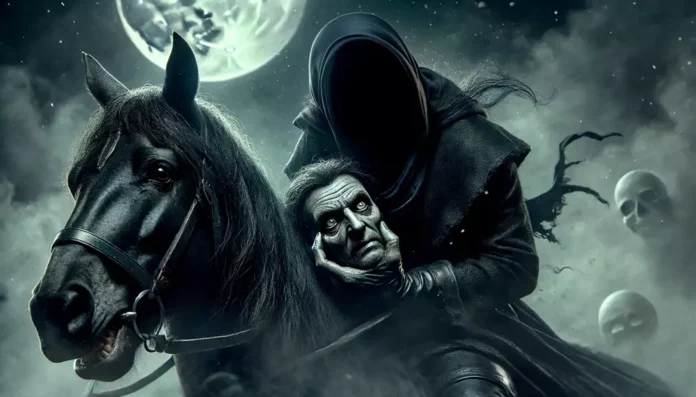
Death Messenger
Dullahan - Irish folklore
Ireland

Dullahan

The Dullahan is a headless rider from Irish folklore, known for foretelling death and appearing at night.
  • Skills
Death InducementFear Inducement
  • Weaknesses
Holy WaterSilver Weak
Hebrews
Celestial Being
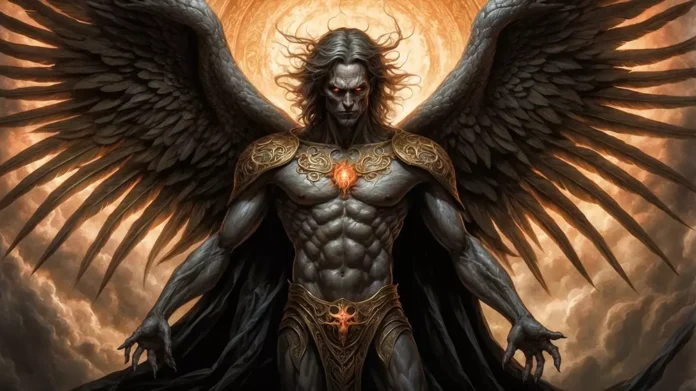
Samael - the angle of death
Hebrews

Samael

Samael, the Angel of Death, is a figure of divine judgment and moral complexity in Jewish lore, known for...

  • Skills
Death & NecromancyDeath Inducement
  • Weaknesses
Divine LightDivine Restrictions

Death Inducement – an Overview

Death Inducement is a distinct mythological function recognized across diverse traditions due to its unequivocal association with the cessation of life. Unlike general supernatural powers, it encompasses a transformative force often wielded by figures with authority over life and death. In mythological systems, Death Inducement is a separate category because it signifies a boundary between life and the afterlife, a domain not casually crossed or manipulated without consequence.

Manifestation and Constraints

How Death Inducement Is Expressed

In mythological traditions, Death Inducement is often expressed through environmental disruptions or cosmic transformations, signaling a shift in the natural order. For instance, the sudden withering of nature or ominous weather changes might accompany the presence of a death-inducing entity, highlighting its profound impact on the world. The observable consequences, such as inexplicable deaths or widespread fear, reveal the power’s presence without detailing the specific processes involved.

Limits and Conditions

Death Inducement is rarely portrayed as boundless or easily accessible. Its exercise is often subject to symbolic or moral constraints, reflecting a culture’s ethical framework. Some traditions restrict it to particular gods, demons, or spirits, implying a divine or infernal mandate. Others might tie its legitimacy to moral purity or cosmic balance, emphasizing that its misuse leads to dire repercussions, such as societal collapse or divine retribution.

Mythological Role and Meaning

Symbolic and Cultural Significance

Within mythological worldviews, Death Inducement represents the ultimate enforcement of moral order, acting as a deterrent against hubris and transgression. It symbolizes the boundary between earthly existence and the spiritual realm, serving as a reminder of life’s impermanence. Culturally, it underscores the authority of deities or spirits over mortal fate, reinforcing social and religious hierarchies that maintain harmony and obedience.

Death Inducement in Myth and Folklore

In many myths, Death Inducement functions as a narrative device that establishes or tests boundaries. It often delineates the limits of human ambition or the consequences of defying divine will. For example, mythological figures who wield this power might enforce justice or exact revenge, making it a tool for restoring cosmic order. It can also trigger transformations, where death leads to rebirth or spiritual enlightenment.

Beasts with Death Inducement

Banshee

Originating from Irish folklore, the banshee is a harbinger of death. Her wail foretells imminent demise, making her presence inseparable from Death Inducement. Without this function, her cultural role as a warning of mortality would be lost, misclassifying her as a mere spirit rather than a pivotal figure in death mythology.

Gorgon

In Greek mythology, the Gorgon, most notably Medusa, possesses the ability to induce death through her gaze, petrifying victims into stone. This lethal attribute defines her narrative function and cultural significance, marking her as a guardian of sacred boundaries and a symbol of divine retribution.

Jiangshi

The Jiangshi, or Chinese hopping vampire, is a creature of folklore known for sucking life force from the living, inducing death. This ability is central to its identity, representing both a cautionary tale against improper burial rites and a manifestation of unrestful spirits, thereby embedding Death Inducement into its mythological essence.

Cultural Interpretations and Regional Emphasis

Death Inducement is interpreted diversely across cultures, often reflecting regional beliefs about life, death, and the afterlife. In Western traditions, it might emphasize divine judgment or moral consequence, while Eastern narratives could focus on cosmic balance and spiritual harmony. These differences highlight the cultural frameworks that define each tradition’s understanding of mortality and the supernatural.

Similar or Related Mythological Functions

Functions adjacent to Death Inducement include life restoration and immortality, where the reversal or prevention of death is explored. Unlike Death Inducement, these concepts emphasize continuity or transcendence of life. The analytical separation lies in their opposite focus: one centers on ending life, the others on sustaining or transcending it, establishing distinct narrative roles.

Historical Interpretation and Evidence Limits

Scholars interpret Death Inducement through both symbolic and literal lenses, often debating its historical context and cultural implications. Some suggest it reflects ancient understandings of power and authority. However, limitations in historical evidence and potential biases in surviving texts mean that many interpretations remain speculative. These gaps necessitate cautious analysis, acknowledging where verified sources are absent or unclear.