Healing & Life
Explore the mythological skill of Healing & Life, embodying restoration and vitality across various ancient traditions and legendary tales.
Relevant Beasts

A fearsome undead being from Eastern European folklore, the Vampire feeds on life essence. It is tied to dark...

The Unicorn, first described by Ctesias in 5th-century BCE Greece, was a one-horned beast said to live in India....
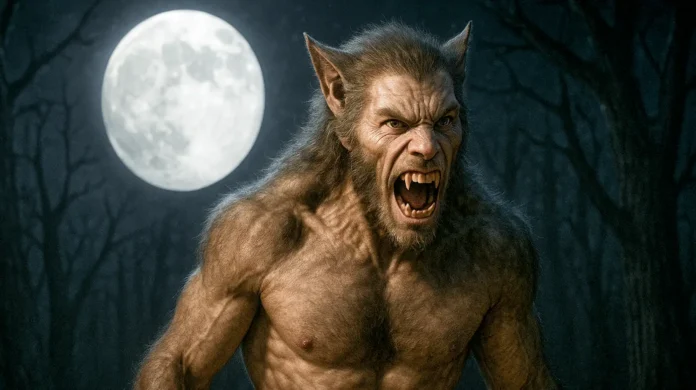
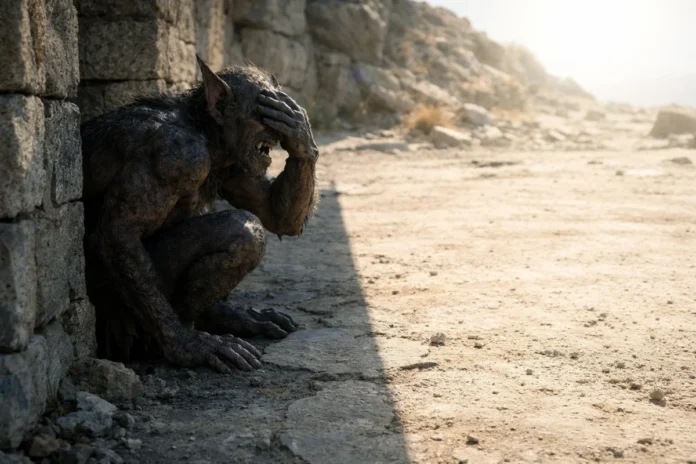
A cursed shape-shifter from Medieval Europe, the Werewolf transforms during the full moon. Feared for uncontrollable rage, it embodies...

A sacred firebird of Ancient Egypt and Classical myth, the Phoenix embodies immortality through cycles of death and rebirth,...

Baobhan Sith are vampiric fae from Scottish folklore who prey on travelers at night, seducing them before feeding. Active...

The Wulver is a benevolent werewolf-like creature from Shetland folklore, known for kindness and solitude. A Neutral Force tied...
Sub Categories
Animal Resurrection
The ability to bring dead animals back to life, either as companions or for use in battle. Shamans, nature spirits, or gods of wildlife often wield this ability, restoring fallen animals to their previous state.Animal Resurrection symbolizes the deep connection between nature and life-giving forces.
Aura of Protection
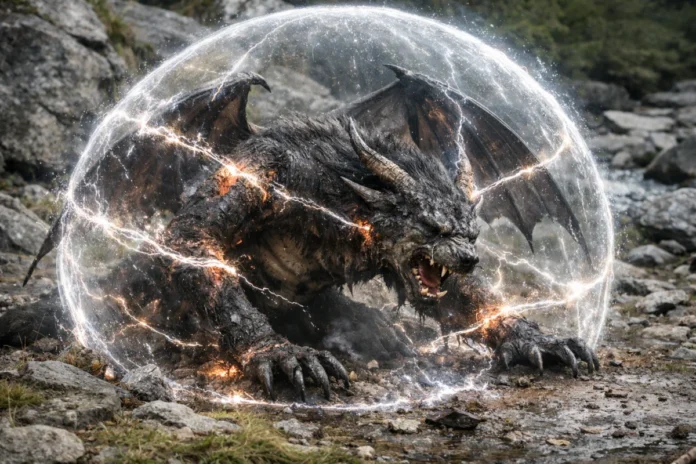
The ability to project a protective aura around oneself or others, shielding them from harm or negative energies. Often used by gods, angels, or powerful healers, this ability ensures that those within the aura remain safe from physical or magical threats.Aura of Protection creates a zone of safety, guarding against danger.
Aura of Vitality
Aura of Vitality is a mythological skill believed to emanate a life-enhancing energy around its possessor. This aura is said to invigorate those within its reach, promoting physical well-being and resilience. It is often associated with mythic figures known for healing and rejuvenation, reflecting a deep connection to life forces.In mythology, the Aura of Vitality may influence growth, restoration, and renewal, affecting both natural and human realms. Its presence is thought to bolster health and vitality, counteracting decay and fatigue. This skill is often depicted as an inherent trait of deities or heroes, symbolizing their role as life-givers or protectors.
Blood Healing
Blood healing grants the user the ability to heal themselves or others through the manipulation of blood. This power allows the user to use their own blood or the blood of others to close wounds, repair damaged tissue, or even bring someone back from the brink of death. Blood healing is a versatile and powerful skill, but it often requires the user to sacrifice some of their own vitality in the process.
Bone Mending
Bone mending gives the user the ability to heal and repair broken or damaged bones. This skill is particularly useful in combat or emergency situations, allowing the user to quickly restore the mobility of injured allies. Bone mending can also be used to correct long-term damage, ensuring that bones heal properly and fully.
Breath of Life
Breath of life allows the user to restore vitality to those on the brink of death by breathing life force into them. This ability can save lives by stabilizing individuals who have been critically injured or are suffering from severe exhaustion. Breath of life is often used as a last resort in desperate situations, giving the user the power to preserve life when all seems lost.
Curse Breaking
The power to nullify or remove curses, hexes, or dark magic placed on individuals, objects, or places. This ability is often wielded by healers, holy figures, or magical beings who cleanse the afflicted of malevolent influences.Curse Breaking restores balance and frees victims from supernatural harm.
Disease Purification
Disease purification allows the user to cleanse the body of diseases, poisons, and infections. This ability can cure both common illnesses and rare, life-threatening conditions, making the user an invaluable healer. Disease purification can also be used to cleanse environments of toxins and pathogens, preventing the spread of sickness and ensuring the health of communities.
Emotion Drain
The power to sap emotions from others, leaving them numb or emotionally drained. This skill is used to weaken opponents by removing their will to fight or resist, making them more vulnerable to manipulation.Emotion Drain is often associated with dark spirits or demonic beings that thrive on draining life and emotions.
Energy Healing
The ability to heal physical wounds or restore vitality using pure energy, often drawn from mystical or divine sources. Energy Healing is wielded by holy beings, clerics, or magical creatures who channel energy into the wounded to repair damage.This type of healing can be instantaneous or gradual, depending on the strength of the user.
Eternal Youth
The power to remain perpetually young, escaping the effects of aging. Eternal Youth is often granted by divine intervention, magical artifacts, or elixirs and is a common trait among gods, immortals, and certain mythical beings like the Greek goddess Hebe.Eternal Youth symbolizes vitality and immortality.
Fertility Blessing
Fertility blessing allows the user to enhance the fertility of plants, animals, or even people. This ability can be used to ensure healthy crops, increase the reproduction of animals, or help people struggling with infertility. The user can also bless entire ecosystems, ensuring their growth and prosperity, making this a powerful tool for nurturing life in any environment.
Healing Touch
Healing Touch is a mythological skill believed to restore health and vitality through physical contact. It often involves a gentle touch that alleviates pain or cures ailments. This ability is attributed to divine or supernatural beings, who use it to aid mortals or demonstrate compassion.In mythology, Healing Touch transcends ordinary medical practices, symbolizing a direct connection to the divine or mystical forces. It can mend physical wounds, purify ailments, and even revive the near-dead. This skill is often depicted as an innate gift, reflecting themes of mercy and benevolence in various cultural narratives.
Life Creation
The ability to bring forth new life, whether creating plants, animals, or even intelligent beings. This power is often wielded by gods or nature spirits who can grow forests, populate the earth with creatures, or even bring sentient beings into existence.Life Creation symbolizes fertility and the generative power of nature.
Life Detection
The power to sense the presence of living beings within a certain range, detecting their life force or vital energy. Hunters, spirits, or predatory creatures use this skill to locate prey or allies.Life Detection is especially useful in environments where visibility is limited or where stealth is necessary.
Life Drain
Life Drain is a mythological skill involving the transfer of life force from one being to another. This ability is often depicted as a means to rejuvenate or empower the user while weakening the target. It is frequently associated with figures possessing supernatural abilities, emphasizing themes of vitality and mortality. The concept underscores the balance between life and death, reflecting cultural beliefs about the interconnectedness of living beings.In mythology, Life Drain can alter the natural lifespan of individuals, serving as a metaphor for the cyclical nature of existence. This skill may blur boundaries between the living and the dead, highlighting the transient nature of life. It often embodies the fear of losing one's essence to another, illustrating the vulnerability inherent in human existence. Such narratives reveal cultural anxieties about power, control, and the preservation of life.
Life Sense
Life Sense is a mythological skill enabling beings to perceive the presence of living entities within a certain range, irrespective of physical barriers. This perception often extends to discerning the vitality or health of nearby organisms, allowing for a deeper understanding of their life force.In various traditions, Life Sense is attributed to deities, spirits, or mythical creatures, granting them an innate awareness of their surroundings. This skill can influence interactions with the environment, providing strategic advantages or fostering a profound connection with nature.
Life Transference
The ability to transfer one’s own life force to heal or revive another, often at the cost of the user’s vitality. This skill is typically used by self-sacrificing gods, healers, or noble spirits who give up their energy to save others.Life Transference represents ultimate compassion and selflessness.
Life Vision
The ability to see the life force or aura of living beings, allowing the user to gauge their health, vitality, or lifespan. This skill is often possessed by healers, seers, or magical creatures who can assess an individual's condition by viewing their life energy.Life Vision offers insight into a person’s health and well-being.
Light Healing
Light Healing is a mythological skill believed to restore health and vitality by channeling divine or celestial energy. It is often associated with spiritual purification and rejuvenation, dispelling darkness and ailments. Practitioners of Light Healing are thought to possess an ability to mend physical wounds, alleviate pain, and promote emotional balance through a radiant, soothing force.This skill is frequently depicted as a gift from deities or celestial beings, symbolizing hope and renewal. In various mythologies, Light Healing is linked to sacred rituals, where practitioners serve as conduits for divine light, harmonizing the physical and spiritual realms. It underscores the transformative power of light, emphasizing healing as an essential aspect of cosmic balance.
Longevity Blessing
Longevity blessing grants the user or others an extended lifespan, slowing the effects of aging and maintaining vitality over time. This ability can be bestowed upon individuals, ensuring they live longer and healthier lives. The blessing does not grant immortality, but it allows those who receive it to remain in peak physical condition for many years beyond their natural lifespan.
Plant Growth
The mythological skill of "Plant Growth" enables the rapid flourishing of vegetation, often associated with divine intervention or magical influence. This ability may be attributed to deities of fertility or earth, who encourage abundant harvests and lush landscapes. In some traditions, practitioners with this skill can restore barren lands, emphasizing the interconnectedness of life and nature."Plant Growth" affects the environment by accelerating the natural processes of germination and development. It symbolizes renewal and prosperity, reflecting humanity's reliance on agriculture. Mythologically, it underscores themes of balance and harmony between humans and the natural world. This skill often serves as a reminder of the cyclical nature of life and the sustenance provided by the earth.
Poison Immunity
The ability to resist or be unaffected by toxins, venoms, or poisons, allowing the user to survive poisonous attacks without harm. Poison immunity is often seen in serpentine creatures, certain gods, or nature spirits.This skill ensures that the user remains unharmed in toxic environments or during battles with venomous foes.
Psychic Healing
The ability to heal mental or emotional trauma through psychic or telepathic means. This power allows the user to repair psychological damage, soothe anxieties, and restore balance in the minds of others.Psychic Healing is often used by empaths, spiritual healers, or benevolent gods.
Rebirth
Rebirth in mythology often signifies the renewal or transformation of a being, symbolizing a fresh start or new phase of existence. This concept frequently embodies the cyclical nature of life and death, underscoring themes of regeneration and eternal continuity.Mythological rebirth can affect physical forms, spiritual states, or cosmic order, altering perceptions of time and destiny. It is a powerful motif used to explore ideas of immortality, redemption, and the cyclical patterns inherent in nature and human experience.
Regeneration
Regeneration is a mythological skill allowing beings to restore lost or damaged body parts, often symbolizing renewal and immortality. It represents a power to transcend normal physical limitations, reflecting themes of rebirth and continuity in mythic narratives.This capability is frequently attributed to divine entities or legendary heroes, highlighting their extraordinary nature. Regeneration underscores the boundary between mortal and immortal realms, emphasizing transformation and resilience in mythological contexts.
Regenerative Aura
Regenerative aura creates a field of healing energy around the user, allowing those within its range to rapidly recover from injuries. This aura can heal wounds, regenerate lost limbs, and even reverse the effects of aging. The user’s presence alone can provide powerful restorative effects to allies, making regenerative aura a vital skill for protecting and healing others in battle.
Reincarnation
Reincarnation allows the user to transfer a soul into a new body after death, giving the individual a second chance at life. This ability requires careful preparation and a suitable host body, but it can provide immortality or a way to preserve someone’s essence beyond their natural lifespan. Reincarnation is a rare and powerful form of resurrection, often used by those seeking to cheat death.
Restoration Field
Restoration field creates an area of healing energy that restores the health and vitality of anyone within it. This field can heal wounds, cure illnesses, and even mend broken bones, making it a powerful tool for healers in battle or emergency situations. Restoration field is particularly effective in group settings, as it can heal multiple allies at once.
Resurrection
The ability to bring the dead back to life, either through magical or divine means. Resurrection is a rare and powerful ability often associated with gods of life or rebirth, such as Osiris or Jesus in various mythologies.This power can restore life to those who have been killed, defying the natural order of death.
Revitalizing Waters
Revitalizing waters allows the user to summon or control waters imbued with healing properties. These waters can heal wounds, restore stamina, and even cure illnesses when ingested or applied to the body. Revitalizing waters are often used in rituals or sacred spaces, providing rejuvenation and recovery for all who drink or bathe in them.
Viral Immunity
Viral immunity provides the user with complete protection from all forms of viruses and infections. This ability allows the user to resist or neutralize pathogens that would normally cause illness or death, making them immune to diseases. Viral immunity can also extend to others through direct contact, allowing the user to shield allies from viral threats.
Vitality Transference
Vitality transference allows the user to transfer their own life force to others or drain vitality from enemies. This ability can be used to heal and strengthen allies by giving them the user’s own vitality, or it can be used offensively to weaken enemies by draining their life energy. Vitality transference is a flexible skill that balances healing and combat.