
back to top

Titan Grip

Titan Grip represents immense strength in mythology, enabling beings to wield great power and control over formidable objects or forces.

Relevant Beasts
Europe
Sea Monster
Kraken - Nord mythology
Vikings

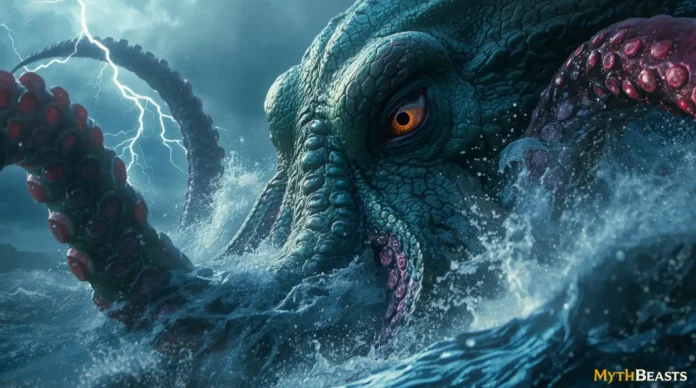
Kraken

The Kraken, a giant sea monster from Norse myth, lurks off Scandinavian coasts. Capable of sinking ships, it epitomizes...
  • Skills
Element ControlPhysical Strength
  • Weaknesses
Dry Land HarmElement Sensitivities
Basque
Cyclopean Form
Tartalo - Basque folklore
Basque

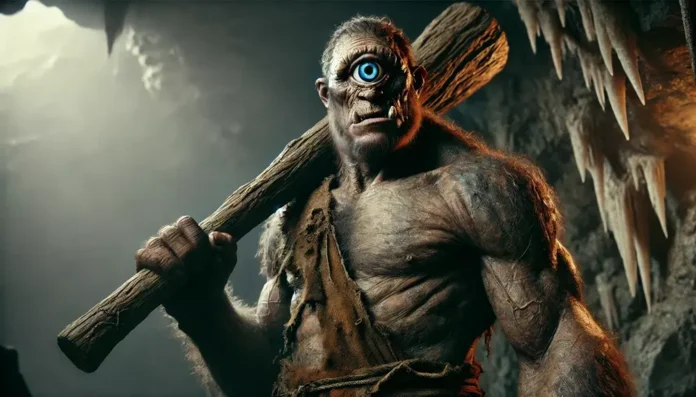
Tartalo

Tartalo is a cyclopean giant from Basque folklore, known for his strength and predatory nature.
  • Skills
Physical StrengthTitan Grip
  • Weaknesses
Blunt ForceCave Dependent
Greece
Cyclopean Form
Cyclops - one-eyed giants
Greece

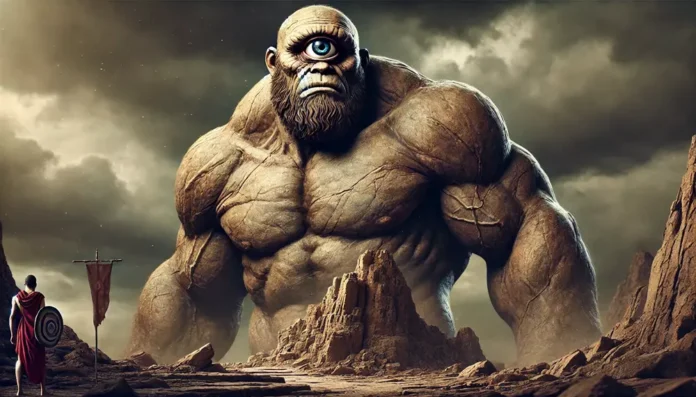
Cyclops

The Cyclops are one-eyed giants known for their immense strength and hostility towards humans. Famous for encounters with heroes,...
  • Skills
Physical StrengthRage Strength
  • Weaknesses
Weak Reflexes
Europe
Chaos Giant
Fenrir MythBeasts.com
Norway

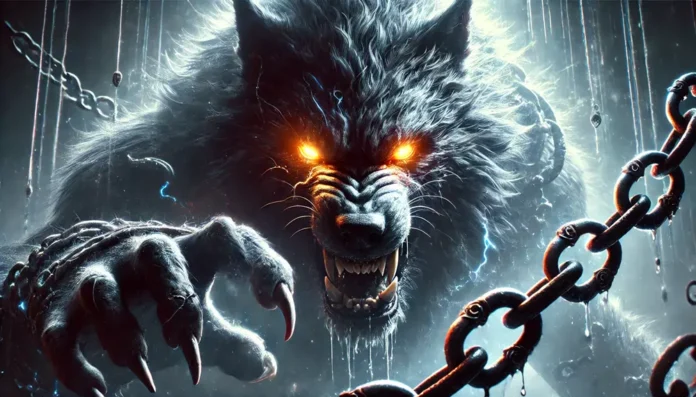
Fenrir

Fenrir, the giant wolf in Norse mythology, is destined to break free during Ragnarök and devour Odin, embodying chaos...

  • Skills
Physical StrengthRage Strength
  • Weaknesses
Blessed WeaponDivine Restrictions

Titan Grip – an Overview

Titan Grip is understood as a formidable mythological function that denotes immense power or control exerted by beings or forces over the natural or metaphysical realms. This concept is distinguished from more general supernatural abilities due to its association with entities of significant stature or influence. Titan Grip is treated as a separate category in mythological systems, due to its unique impact on cosmological balance and its recurring presence in the narratives. It represents a definitive control, often depicted as both a creative and destructive force, which is why it is not simply categorized as a typical supernatural effect.

Manifestation and Constraints

How Titan Grip Is Expressed

Within mythological traditions, Titan Grip is often observable through dramatic environmental changes or cosmic disturbances. These effects include the shifting of landscapes, the creation or obliteration of natural features, and the alteration of divine or terrestrial order. Tales of beings possessing Titan Grip often highlight the resulting transformations in both the physical and metaphysical realms. The emphasis is on the scale and magnitude of these changes, rather than on precise mechanisms, which remain obscure or symbolic in traditional narratives.

Limits and Conditions

Titan Grip is frequently depicted as operating under specific moral, symbolic, or environmental constraints. These limitations are articulated within mythologies to maintain cosmic order and prevent chaos. For instance, only certain beings, often with a divine or semi-divine nature, are portrayed as capable of wielding this power. Additionally, Titan Grip is sometimes shown as contingent upon celestial alignments or moral righteousness, emphasizing that its legitimacy is not absolute or universally accessible.

Mythological Role and Meaning

Symbolic and Cultural Significance

Titan Grip carries significant symbolic weight, often representing authority, dominance, or the primal forces of creation and destruction. Within various cultural frameworks, it may embody the struggle between order and chaos or the cyclical nature of life and death. This mythological function often reflects societal values, such as the importance of balance and the dangers of hubris. In some traditions, it serves as a metaphor for the human desire to understand and control the world, highlighting existential themes and moral lessons.

Titan Grip in Myth and Folklore

In many mythological narratives, Titan Grip is a pivotal element in the delineation of authority and power dynamics. It is often depicted as a tool of the gods or primordial beings, used to establish order or instigate significant transformations. The presence of Titan Grip in these stories underscores themes of transgression and boundary formation, where its misuse can lead to catastrophic consequences. It often serves as a narrative device to explore the limits of power and the consequences of its unchecked use.

Beasts with Titan Grip

Typhon

Typhon, from Greek mythology, exemplifies Titan Grip as he wields immense power capable of challenging the Olympian gods. His fierce battles and catastrophic abilities highlight his control over natural forces. Without Titan Grip, Typhon’s narrative role as a chaos-bringer and a symbol of untamed power would be incomplete.

Ymir

In Norse mythology, Ymir, the primordial giant, embodies Titan Grip through his role in the creation of the world. His body becomes the foundation of the earth, illustrating the transformative and foundational aspects of Titan Grip. This function is central to his mythological identity, framing him as a crucial part of the cosmos’ creation.

Tiamat

Tiamat, from Babylonian mythology, demonstrates Titan Grip through her association with the chaotic primordial sea and her role in the creation myths. Her immense power and the subsequent battles with Marduk are symbolic of the struggle between order and chaos. Titan Grip is essential to Tiamat’s identity as a cosmic force of creation and destruction.

Cultural Interpretations and Regional Emphasis

Different cultures interpret Titan Grip with varying symbolic and moral implications. For instance, in Greek mythology, it often signifies a challenge to divine order, while in Norse mythology, it is more associated with creation and transformation. These differences highlight the diverse cosmological roles attributed to Titan Grip. In some traditions, it is revered as an essential aspect of existence, whereas in others, it is feared as a source of potential destruction. These interpretations reflect broader cultural values and worldview nuances.

Similar or Related Mythological Functions

Concepts similar to Titan Grip include the Hindu notion of Shakti, representing divine energy and power. However, unlike Titan Grip, Shakti is often more focused on empowerment and vitality. Another related function is the Egyptian concept of Ma’at, which represents harmony and order, contrasting Titan Grip’s more primal and sometimes chaotic nature. These adjacent functions offer insights into how different cultures conceptualize control and power, yet their applications and symbolic meanings diverge significantly.

Historical Interpretation and Evidence Limits

Scholarly interpretations of Titan Grip often vary, with debates surrounding its symbolic versus literal readings. While some view it as a metaphor for natural phenomena or psychological states, others consider it as indicative of historical power structures. Despite this, gaps remain in historical sources, leading to uncertainties about its exact role and significance in ancient societies. No verified sources provide a comprehensive account of its application across all cultures, underscoring the need for cautious interpretation and acknowledgment of biases in the surviving evidence.