back to top

Water Control

Water Control is a mythological skill enabling manipulation of water, often associated with deities and legendary figures across various cultures.

Relevant Beasts
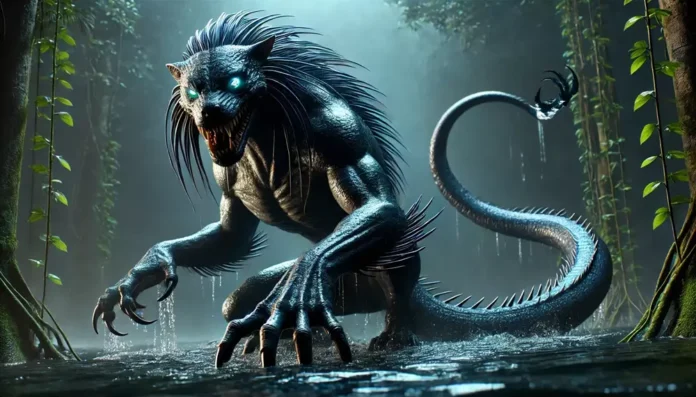
Cherokee
Sacred Animal
Uktena - Cherokee folklore
Cherokee

Uktena

The Uktena, a Cherokee mythical serpent, is a powerful and fearsome creature with horns, glowing scales, and a magical...
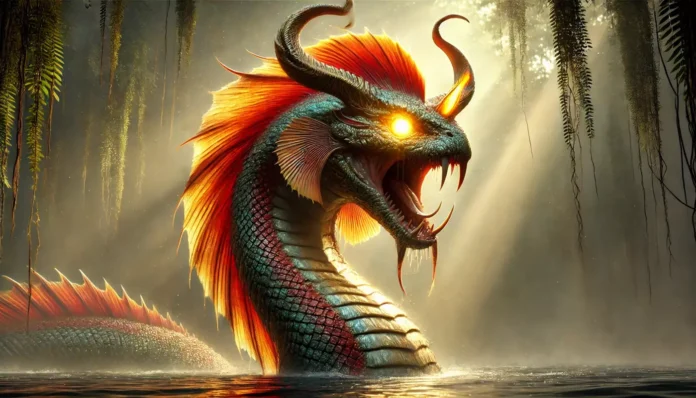
  • Skills
Light HealingTidal Wave Summoning
  • Weaknesses
Blunt ForceEarth Bound
Mississippian
Sacred Animal
Mishipeshu - the water panther - North American folklore
Mississippian

Mishipeshu

Mishipeshu, the legendary water spirit of Anishinaabe folklore, is a powerful and protective creature. Often depicted as a mix...
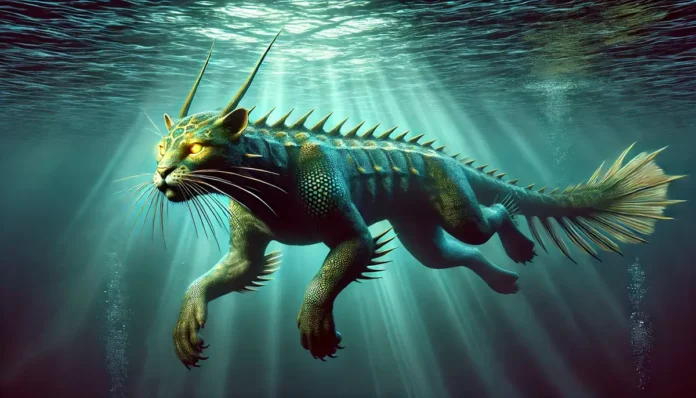
  • Skills
Enhanced StaminaSwamp Manipulation
  • Weaknesses
Blunt ForceDry Land Harm
Aztec Empire
Water Predator
Ahuizotl - Aztech Mythology
Aztec Empire

Ahuizotl

"The āhuitzotl dwells in the waters; there it seizes the men, drowning them as its prey, presenting them to...
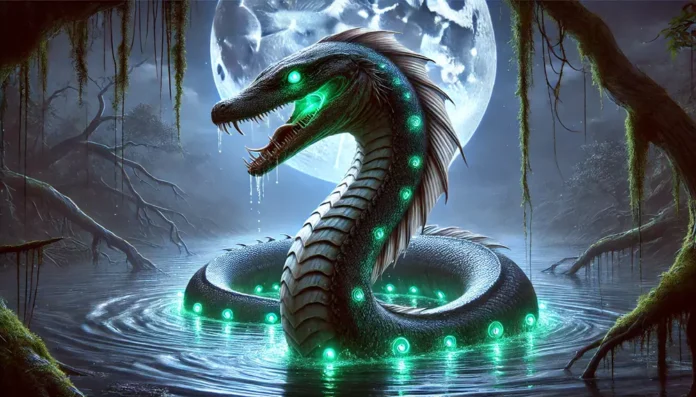
  • Skills
StealthWater Control
  • Weaknesses
Dry Land HarmSalt Burn
Ainu
Sea Monster
Akkorokamui
Ainu

Akkorokamui

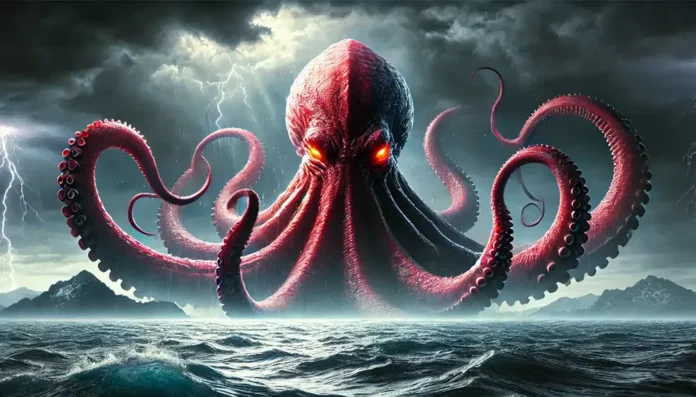
Akkorokamui, the colossal octopus deity from Ainu folklore, symbolizes both creation and destruction. Known to heal or harm, it’s...

  • Skills
Healing TouchWater Control
  • Weaknesses
Sun HarmTidal Vulnerability
Amazon
Water Spirit
Iara
Amazon

Iara

Iara is a Brazilian water nymph who can enchant and lure humans into the water, sometimes to protect and...

  • Skills
EnchantmentWater Control
  • Weaknesses
Dry Land HarmSalt Burn

Water Control – an Overview

Water Control in mythology represents a distinct function encompassing the ability to influence, manipulate, or direct bodies of water. This function transcends mere supernatural effects, being acknowledged across various traditions as a separate categorization. Its recognition hinges on the widespread cultural belief that water embodies life, transformation, and destruction. Thus, Water Control encompasses a range of phenomena, from summoning rain and flooding to calming storms and parting seas. Its distinct classification stems from its pervasive impact on human livelihood, spirituality, and natural order, making it central to many mythologies.

Manifestation and Constraints

How Water Control Is Expressed

Within mythological traditions, Water Control often manifests through large-scale environmental changes. Myths describe beings who summon rain to end droughts, reflecting the life-giving aspect of water. Conversely, certain figures might unleash devastating floods, signifying water’s destructive potential. Sometimes, Water Control is depicted in transformational terms, such as turning water into wine or creating barriers. The ability to control water represents a fundamental alteration of the natural order, serving as a testament to a being’s power or divine favor. These manifestations are tied to their deep cultural and spiritual significance.

Limits and Conditions

Water Control is subject to numerous constraints across mythological narratives, often governed by moral or symbolic conditions. Many traditions emphasize that this ability can be wielded only by those deemed worthy, such as deities, heroes, or selected mortals. Environmental constraints might limit its efficacy, suggesting that Water Control cannot contravene cosmic balance. In some tales, misuse or hubris leads to catastrophic consequences, reinforcing social and moral codes. Such narratives highlight the belief that while water is a primordial force, its control is not to be taken lightly, underscoring its potent duality.

Mythological Role and Meaning

Symbolic and Cultural Significance

Culturally, Water Control symbolizes life, purification, and chaos within a mythological framework. It often represents divine authority, as water is a powerful, life-sustaining resource. Control over it signifies a deeper connection to the spiritual or divine order. In some traditions, manipulating water reflects psychological themes such as emotional depth or transformation. Socially, it can symbolize leadership, with rulers likened to those who control the vital resource of water, thereby maintaining society’s balance. Water Control’s cultural role is thus multifaceted, intricately linked to notions of power and moral responsibility.

Water Control in Myth and Folklore

In mythological narratives, Water Control frequently underpins authority and transgression. Characters wielding this power often challenge existing hierarchies, either as divine figures asserting natural dominance or transgressors breaking societal norms. Myths may depict these figures as bridging worlds, such as gods parting seas for followers. Water Control can signify boundary formation, delineating sacred and profane spaces. These stories illustrate how control over water is emblematic of broader themes like transformation and order, integral to structuring mythological worlds and their inherent moral landscapes.

Beasts with Water Control

Leviathan

The Leviathan from Abrahamic traditions represents a sea creature associated with chaos and the abyss. Its identity is deeply entwined with Water Control, signifying primordial waters and divine wrath. Without Water Control, the Leviathan would lose its symbolic role as a boundary between order and chaos in creation myths.

Jörmungandr

Jörmungandr, the Midgard Serpent from Norse mythology, embodies Water Control through its encircling of the world’s oceans. Its ability to stir the seas underlines its role in prophesied world-ending events. Lacking Water Control, Jörmungandr would be detached from its crucial eschatological function.

Dragons of Chinese Mythology

Chinese dragons, revered as water deities, control rain, rivers, and seas. Their Water Control is central, representing prosperity, agricultural success, and imperial power. Without this control, dragons would lack their foundational role as guardians of water and harbingers of fortune.

Cultural Interpretations and Regional Emphasis

Across cultures, Water Control varies in its interpretation and application. In some South Asian traditions, water symbolizes purity and rebirth, with Water Control reflecting spiritual renewal. Conversely, in Indigenous American myths, it often emphasizes balance and harmony, highlighting the interdependence of water and life. These differences in symbolism and moral framing reveal diverse cosmological roles, underscoring water’s universal importance yet culturally specific meanings. While some view Water Control as a divine privilege, others see it as a reflection of human responsibility towards the environment.

Similar or Related Mythological Functions

Mythological functions related to Water Control include Earth Control and Weather Control. Earth Control involves shaping landscapes, sometimes linked with water through river formations or irrigation. Weather Control covers broader climate manipulation, often overlapping with water through rain summoning. Despite proximity, Water Control remains distinct due to its exclusive focus on aquatic elements and their symbolic meanings. Each function operates within its mythological context, though they share interconnected frameworks. Distinguishing these functions helps clarify water’s unique role within diverse mythological systems.

Historical Interpretation and Evidence Limits

Scholarly interpretation of Water Control often highlights its dual role as both a literal and symbolic motif. Historical sources reveal gaps and biases, particularly in oral traditions lacking written documentation. These limitations complicate definitive interpretations, especially where cultural contexts diverge. While some readings emphasize water’s tangible impacts, others focus on its metaphorical meanings. No verified sources describe Water Control uniformly across all traditions, underscoring its varied expression. Scholars remain cautious, acknowledging interpretative challenges and the need for meticulous, culturally informed analysis to understand its complex mythological roles fully.