back to top

Dry Land Harm

Dry Land Harm is an inherent constraint causing exposure to danger or weakness in mythological beings when away from water.

Relevant Beasts

Amazon
Water Serpent
Yacumama – Amazonian mythology | South America
Amazon

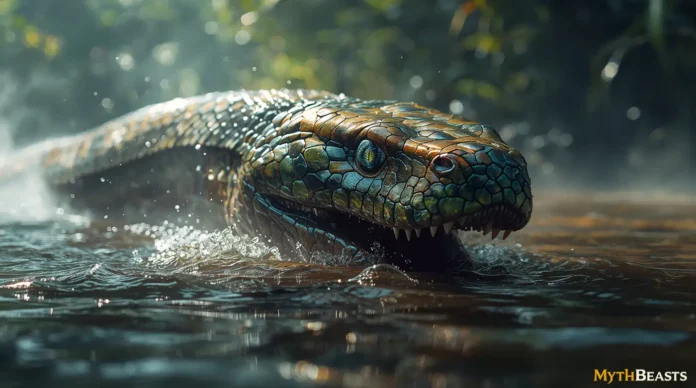
Yacumama

Yacumama is an Amazonian water serpent from Indigenous folklore, classified as a supernatural guardian of rivers.
  • Skills
Element ControlWater Breathing
  • Weaknesses
Dry Land HarmEnvironmental Limits
Europe
Sea Monster
Kraken - Nord mythology
Vikings

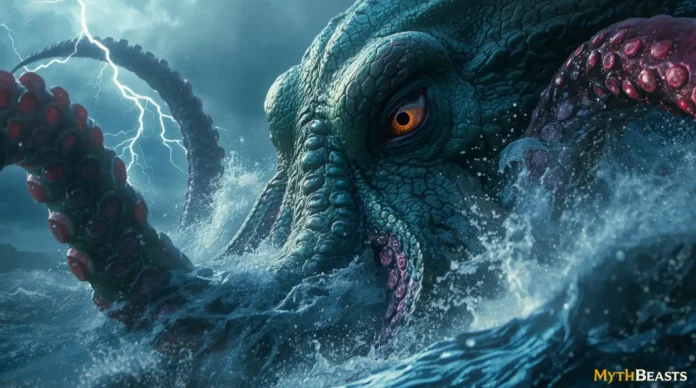
Kraken

The Kraken, a giant sea monster from Norse myth, lurks off Scandinavian coasts. Capable of sinking ships, it epitomizes...
  • Skills
Element ControlPhysical Strength
  • Weaknesses
Dry Land HarmElement Sensitivities
Europe
Oceanic Being
mermaid - greek-mythology
Greece

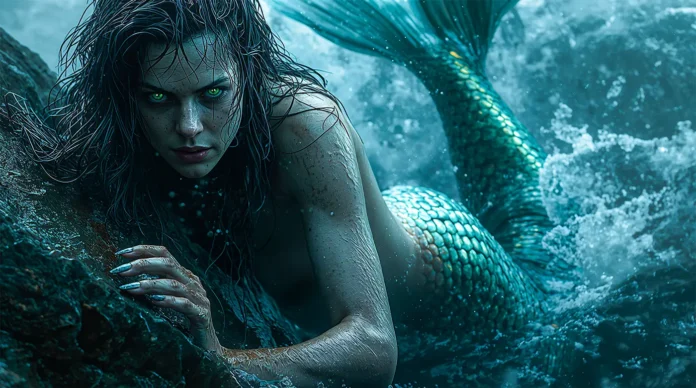
Mermaid

Half-human and half-fish, the Mermaid is a shape-shifting aquatic hybrid tied to sea myths across various cultures, especially known...
  • Skills
Element ControlWater Breathing
  • Weaknesses
Dry Land HarmEnvironmental Limits
North America
Tidal Guardian
Ogopogo - British Columbia
Salish

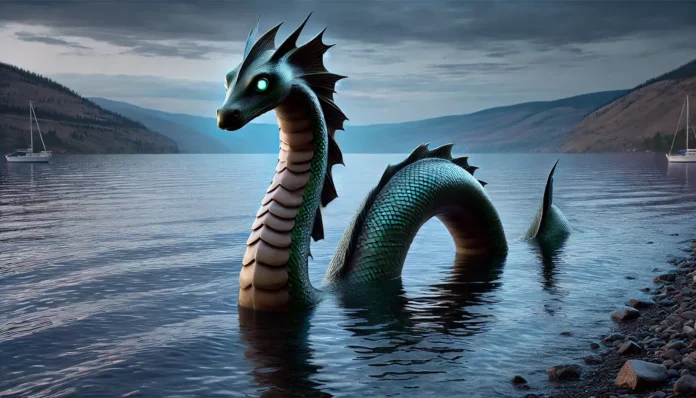
Ogopogo

Ogopogo is a serpentine water monster from Canadian folklore, believed to inhabit Okanagan Lake and connected to Indigenous myths.
  • Skills
Enhanced AgilityWater Breathing
  • Weaknesses
Drought SensitiveDry Land Harm
Mississippian
Sacred Animal
Mishipeshu - the water panther - North American folklore
Mississippian

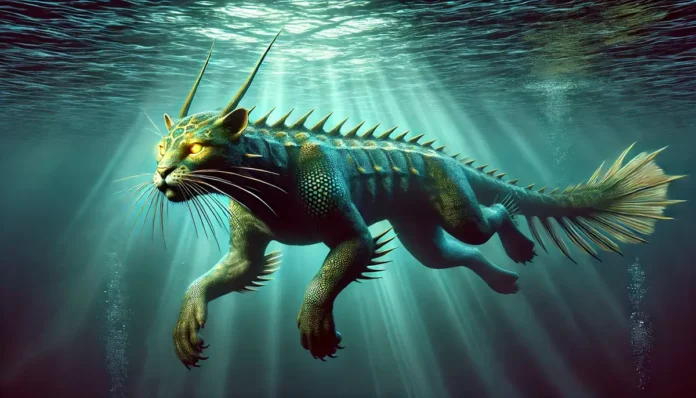
Mishipeshu

Mishipeshu, the legendary water spirit of Anishinaabe folklore, is a powerful and protective creature. Often depicted as a mix...
  • Skills
Enhanced StaminaSwamp Manipulation
  • Weaknesses
Blunt ForceDry Land Harm
Asia
Aquatic Hybrid
Kappa - Japanese folklore
Japan

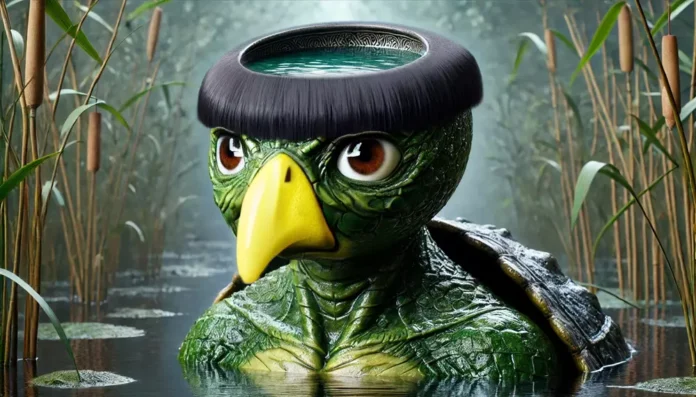
Kappa

a Japanese river imp known for its mischief and deadly tricks. Recognizable by its turtle-like shell, webbed limbs, and...

  • Skills
StrengthTrickery
  • Weaknesses
Dry Land HarmHeatwave Harm

Dry Land Harm – Overview

Dry Land Harm represents a mythological concept of vulnerability associated with creatures or beings when they are removed from their natural aquatic environments. This weakness highlights a limitation within mythological systems, emphasizing the creature’s dependency on water. Mythological systems often treat Dry Land Harm as a structurally significant vulnerability. It represents an existential constraint rather than a situational failure, reinforcing the idea that beings are inherently tied to their natural domains. By emphasizing such dependencies, mythological narratives illustrate the balance of power and natural order.

Defining Characteristics of the Weakness

Nature of the Limitation

The fundamental nature of Dry Land Harm as a weakness is its representation of an environmental dependency. This dependency manifests as a physical vulnerability when creatures are separated from water. Unlike general weaknesses, this constraint is consistent across various mythological traditions. It highlights a recurring pattern that emphasizes the bond between beings and their natural habitats. Mythological narratives often underscore this limitation as a way to maintain cosmic balance, reminding audiences of the inherent limitations of powerful creatures.

Conditions of Exposure

Dry Land Harm becomes active within mythological systems under specific environmental conditions. Symbolically, this weakness arises when creatures leave their aquatic domains, exposing them to harm or limitations. Cosmologically, the transition from water to land symbolizes a breach of natural boundaries. These conditions emphasize the importance of maintaining one’s natural place within the cosmic order. By highlighting these specific conditions, mythologies reinforce the idea that power and freedom are contingent upon respecting natural limits.

Mythological Role and Function

Function Within Mythological Systems

Dry Land Harm functions within broader mythological worldviews by regulating power and enforcing balance. It ensures that aquatic beings do not achieve absolute dominance by leaving their domains unchecked. This weakness preserves cosmic order by preventing creatures from overstepping natural boundaries. It serves as a narrative tool to demonstrate the limitations of even the most formidable beings. By doing so, mythologies convey that all power is inherently limited by natural and cosmic laws.

Symbolic and Cultural Meaning

Symbolically, Dry Land Harm represents inevitability and the limitation of hubris across cultures. It signifies the moral consequence of overreaching one’s natural boundaries. This weakness embodies sacred law, highlighting the importance of adhering to one’s intended place. Culturally, it serves as a reminder of mortality and the consequences of defying natural order. By representing these themes, Dry Land Harm reinforces the notion that every being is subject to cosmic laws that govern existence.

Distinction from Related Mythological Weaknesses

Conceptual Boundaries

Dry Land Harm differs from general mortality, divine punishment, and physical injury. It is not interchangeable with taboo violation or situational defeat. While general mortality affects all beings, Dry Land Harm specifically involves environmental dependency. Divine punishment is a consequence of moral transgressions, whereas Dry Land Harm is a natural constraint. This distinction is crucial for accurate mythological classification.

Common Sources of Misclassification

Dry Land Harm is often misunderstood as a general vulnerability due to its environmental nature. It may be oversimplified as a physical weakness. Comparative mythology distinguishes it by focusing on its existential constraint. Scholars emphasize that Dry Land Harm involves a creature’s inherent dependency on its natural environment, rather than a temporary or situational disadvantage. This distinction clarifies its unique role within mythological narratives.

Canonical Beings Defined by Dry Land Harm

Sirens

Sirens, originating from Greek mythology, are beings whose enchanting songs lure sailors to danger. Their identity is fundamentally tied to the sea. Without Dry Land Harm, they would be narratively incomplete as their vulnerability is lost.

Mermaids

Mermaids appear in various cultural mythologies, often depicted as aquatic creatures with human features. Their dependency on water defines their mythological identity. Without Dry Land Harm, the mermaid’s limitations would be overlooked, altering their narrative role.

Historical Distribution and Cultural Context

Dry Land Harm appears in diverse cultural environments, from Greek to maritime folklore. It is a common theme in societies with strong connections to aquatic life. This weakness emerges in belief systems where water is a vital cultural element. The recurrence of Dry Land Harm underscores the universal recognition of natural dependencies, illustrating a shared human concern for the balance between domains.

Scholarly Interpretation and Uncertainty

Variation in Interpretation

Understandings of Dry Land Harm vary between cultures and historical periods. Some interpret it literally as a physical limitation, while others see symbolic readings emphasizing existential constraints. Scholarly frameworks address these variations, highlighting diverse interpretations.

Limits of the Evidence

There are gaps and ambiguities in the historical record regarding Dry Land Harm. No verified sources describe specific rituals or practices associated with this weakness. Debates continue about its symbolic versus literal interpretations. Scholars acknowledge the need for careful analysis to avoid speculative readings.

Mythological Function Across Cultures

This type of weakness recurs across mythological traditions because it addresses shared human concerns about boundary enforcement and natural balance. Recognizing Dry Land Harm improves comparative interpretation by highlighting the consistent theme of environmental dependency. This weakness underscores the cosmological function of maintaining order and respecting natural limits. It illustrates the broader cultural understanding that power is inherently constrained by the natural world.