
back to top

Magic Drain

Magic Drain is an inherent weakness where mystical energies are depleted, leaving magical beings vulnerable and unable to sustain their powers.

Relevant Beasts

Europe
Dragon
European Dragon
Greece

Dragon

Dragon, the fire-breathing giant from global myths, symbolizes chaos, power, and treasure guardianship, appearing in countless heroic and dark...

  • Skills
Element ControlFire Breathing
  • Weaknesses
Cold SensitiveElement Sensitivities
Asia
Cursed Being
Taotie - Chinese Folklore
China

Taotie

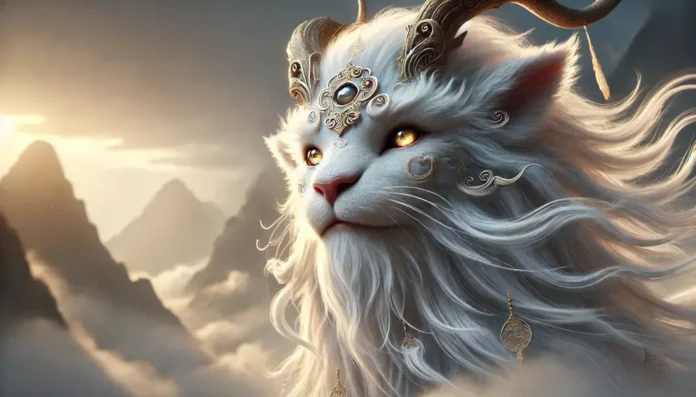
The Taotie is a monstrous entity known for its insatiable hunger, symbolizing greed and excess in Chinese culture.
  • Skills
Energy AbsorptionFear Inducement
  • Weaknesses
Hunger WeakIron Cut
Asia
Wise Beast
Bai Ze
China

Bai Ze

Bai Ze, the wise beast of Chinese mythology, is known for its extensive knowledge of supernatural beings. With a...

  • Skills
Knowledge BestowalWisdom
  • Weaknesses
Magic DrainSpell Trapped

Magic Drain – Overview

Magic Drain represents a mythological weakness where an entity or force loses its magical power under specific conditions. It is not a situational failure but a systemic vulnerability within myths. Such weaknesses delineate the limitations of power, emphasizing balance in the mythological cosmos. Magic Drain is significant because it inherently restricts unlimited power, preventing entities from achieving unchecked dominance. By defining boundaries within mythologies, Magic Drain contributes to cosmic balance and order.

Defining Characteristics of the Weakness

Nature of the Limitation

The fundamental nature of Magic Drain is primarily a metaphysical restriction. It often signifies a cosmological boundary that prevents magical entities from exerting their influence without limitation. This weakness is not about physical harm but a constraint on the metaphysical level. Magic Drain can also represent an environmental dependency, where certain conditions must be met to maintain magical potency. This feature highlights the interconnectedness of power and context in mythological narratives.

Conditions of Exposure

Magic Drain often activates under specific symbolic conditions, such as the absence of a vital environmental factor or violation of sacred laws. In some cultures, moral conditions like the breaking of an oath can trigger the weakness. Environmental conditions, such as changes in natural surroundings, are also common catalysts for Magic Drain. These diverse conditions underscore the weakness’s role in maintaining cosmic balance. While procedural details vary, the core idea is the same: power is contingent and conditional.

Mythological Role and Function

Function Within Mythological Systems

Within mythological systems, Magic Drain functions to regulate power among beings and forces. It enforces balance by ensuring no single entity can possess absolute control indefinitely. This regulation prevents the mythological world from descending into chaos. Magic Drain also contributes to the inevitable downfall of overreaching powers, thereby preserving cosmic order. By preventing absolute dominance, it ensures that myths reflect a world governed by laws and limits, rather than absolute freedom or power.

Symbolic and Cultural Meaning

Symbolically, Magic Drain represents the inevitability of limitation and the moral consequences of hubris. It often reflects sacred laws that entities must abide by to retain power. Across cultures, it signifies the natural limitations imposed on even the most powerful beings. The weakness reinforces the finite nature of power and serves as a reminder of mortality. Magic Drain’s symbolic meaning transcends specific myths, representing universal themes of boundary enforcement and the cyclic nature of power.

Distinction from Related Mythological Weaknesses

Conceptual Boundaries

Magic Drain differs from general mortality, which concerns life span, by focusing on magical power depletion. It is distinct from physical injury, which affects corporeal form. Unlike divine punishment, Magic Drain is not a retribution but an inherent limitation. It also stands apart from taboo violation, which often results in moral or social consequences. These distinctions clarify why Magic Drain is uniquely classified as a metaphysical constraint, not a situational defeat or divine chastisement.

Common Sources of Misclassification

Magic Drain is often misunderstood due to its abstract nature and similarity to other vulnerabilities. It is sometimes conflated with general power loss, though it specifically concerns magical depletion under certain conditions. Comparative mythology highlights these distinctions, showing how Magic Drain’s emphasis on metaphysical constraint differs from more overt vulnerabilities. Scholarship seeks to clarify these differences, aiding in the accurate classification of mythological weaknesses.

Canonical Beings Defined by Magic Drain

Medea

In Greek mythology, Medea’s magical power is contingent upon her emotional state and surroundings. Without this limitation of Magic Drain, her narrative would lack coherence and depict her as omnipotent, distorting her mythological role.

Fafnir

In Norse mythology, Fafnir’s ability to transform into a dragon is tied to his greed and environment. Magic Drain defines his vulnerability, ensuring his downfall and preserving the tale’s moral and cosmological integrity.

Yuki-onna

In Japanese folklore, Yuki-onna embodies the Magic Drain concept through her dependency on cold environments. This limitation ensures her powers diminish in warmth, framing her narrative within the context of environmental constraints.

Historical Distribution and Cultural Context

Magic Drain appears across diverse cultures and historical periods, illustrating a broad pattern of power limitation within mythologies. It is prevalent in belief systems that emphasize balance between cosmological forces. From ancient Greece to Japan, Magic Drain serves as a cross-cultural theme. The weakness reflects shared human concerns about the dangers of unchecked power. By enforcing limits on supernatural entities, it sustains a universal narrative of equilibrium and order within mythological constructs.

Scholarly Interpretation and Uncertainty

Variation in Interpretation

Interpretations of Magic Drain vary across cultures and historical periods, reflecting differing cosmological frameworks. Some scholars view it symbolically as a moral constraint, while others interpret it literally concerning metaphysical power limits. This variation highlights the complexity of the weakness within mythological systems. The symbolic readings emphasize moral lessons, whereas literal interpretations focus on structural constraints. These divergent views illustrate the richness of Magic Drain as a mythological concept.

Limits of the Evidence

There are gaps and ambiguities in the evidence surrounding Magic Drain, leading to scholarly debate. While established interpretations focus on its metaphysical nature, some readings remain uncertain or contested. The lack of definitive texts complicates comprehensive analysis. Despite these limitations, scholars continue to explore Magic Drain through comparative mythology, seeking to understand its role within diverse traditions. The challenges of interpretation underscore the need for careful and conservative analysis.

Mythological Function Across Cultures

Magic Drain recurs across different mythological traditions due to shared human concerns about power and its limits. It fulfills symbolic needs by addressing themes of balance, morality, and cosmic order. Recognizing Magic Drain improves comparative interpretation by highlighting universal constraints on power. Its recurrence reinforces the idea that unchecked dominance is untenable. By understanding this weakness, scholars can better appreciate the nuances of mythological systems and their reflection of human values and cosmological beliefs.