Material Sensitivities
Material Sensitivities expose inherent vulnerabilities to specific elements or substances, often crucial in mythological tales and lore.
Relevant Beasts
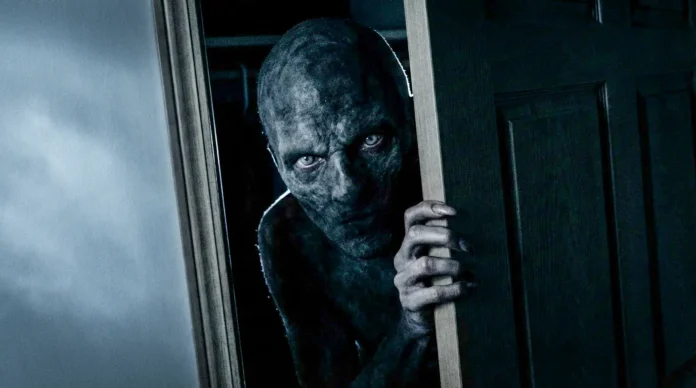
Introduction The Bogeyman (or Boogeyman in American) is not a single creature with a fixed mythological identity. It is a...

The Näcken is a water spirit from Scandinavian folklore, known for its enchanting musical abilities and shapeshifting nature.
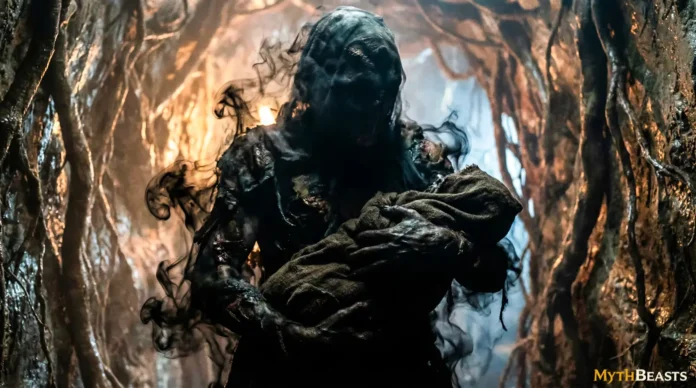
The Āl is a folkloric figure associated with childbirth danger in Iranian and Caucasian traditions, reflecting historical fears surrounding...
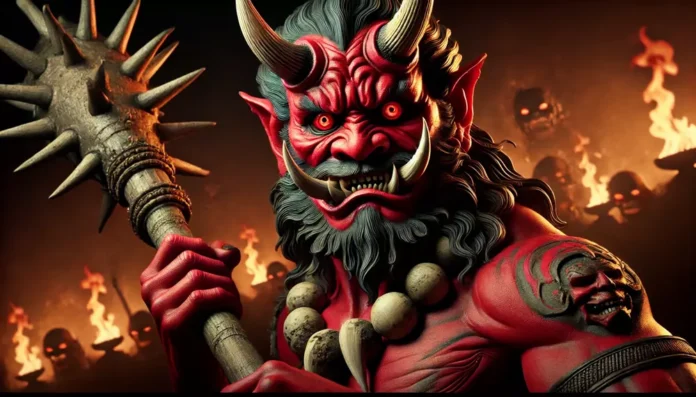
Oni are monstrous demons from Japanese folklore known for their immense strength, fearsome appearance, and connection to punishment and...

Yurei are spirits from Japanese folklore, often depicted as ghostly figures that haunt the living, embodying themes of vengeance,...
Sub Categories
Amber Harm
Amber Harm indicates susceptibility to amber, impairing abilities. This sensitivity causes discomfort in areas with amber, as it disrupts their energy.
Blessed Wood
Blessed Wood denotes a vulnerability tied to wood treated as holy or ritually sanctioned, limiting otherwise resistant beings or forces within mythic frameworks through consecration, purity, and sanctioned material contact.As a symbolic constraint, Blessed Wood marks boundaries between sacred order and transgressive power, recurring as a narrative limiter that reasserts communal authority, moral legitimacy, and sanctioned protection.
Bronze Harm
Bronze weapons are particularly effective against certain ancient or magical creatures. Their touch causes lasting harm, making bronze a weapon of choice for dealing with beings that other metals may not affect.In classical mythology, bronze weapons are frequently used by heroes to defeat magical or powerful beings.
Charcoal Burn
Charcoal Burn indicates sensitivity to charcoal, weakening abilities on contact. This sensitivity limits effectiveness where charcoal is present.
Clay Sensitive
Clay Sensitive describes susceptibility to clay, impairing abilities upon exposure. This sensitivity limits effectiveness where clay is prevalent, as it interferes with power.
Cold Steel
Cold Steel denotes a vulnerability where ordinary forged metal, especially iron or steel, limits otherwise extraordinary beings or forces. It frames the mundane weapon as a boundary against enchantment.As a symbolic structure, Cold Steel contrasts human craft with otherworldly power, implying that disciplined material technology can resist ambiguity. It also encodes limits, emphasizing finitude and accountability.
Copper Vulnerable
Copper is known for its healing and protective properties, but some magical creatures are weakened by it. The touch of copper causes pain or harm, making it a valuable tool for warding off or defeating certain supernatural beings.In myth, copper is often used in magic rituals but can also be a weapon against magical creatures.
Crystal Weakness
Certain magical creatures are weakened or trapped by crystals, which can drain their energy or contain their powers. Crystals act as conduits for magic and can be used to bind or weaken supernatural beings, leaving them vulnerable.In folklore, crystals are often tools of magical containment or energy storage, used to control or weaken creatures.
Garlic Sensitive
Garlic Sensitive represents a recurring vulnerability in mythological narratives, often symbolizing a deeper aversion or weakness linked to purity, protection, or spiritual resistance. This sensitivity highlights the garlic's cultural significance as a protective agent.In symbolic structures, Garlic Sensitive underscores the power of natural elements to repel or weaken entities. This vulnerability reflects broader themes of harmony between humanity and protective natural forces.
Gold Harm
While gold is often associated with wealth and power, certain magical beings are vulnerable to it. Gold weapons can harm or burn them, and prolonged exposure may sap their strength entirely. Gold’s purity makes it a dangerous material for these creatures.In mythology, gold is sometimes portrayed as a magical metal, harmful to dark or supernatural beings.
Hemp Sensitive
Hemp Sensitive is vulnerability to hemp, weakening power on contact. This sensitivity limits effectiveness near hemp, as it disrupts energy.
Iron Hurt
Iron, particularly cold iron, is a powerful defense against magical creatures. It disrupts their supernatural defenses, causing wounds that heal slowly or not at all. Fairies, demons, and other magical beings often find iron to be their greatest weakness.In folklore, iron is used as a protective material, capable of banishing or harming magical creatures.
Jade Burn
Jade Burn indicates sensitivity to jade, causing pain or weakening. This sensitivity makes it difficult to operate near jade, as it disrupts their strength.
Lead Vulnerable
Lead Vulnerable refers to weakness to lead, neutralizing powers upon contact. This sensitivity limits effectiveness where lead is present, as it blocks energy flow.
Limestone Weak
Limestone Weak indicates sensitivity to limestone, reducing power near it. This sensitivity limits abilities where limestone is present, as it interferes with energy.
Mercury Touch
Mercury is a dangerous metal that poisons or harms creatures vulnerable to it. Its toxic nature can incapacitate or kill these beings upon contact, making it a useful weapon in combating magical or supernatural entities.In many ancient myths, mercury is seen as a magical and deadly substance, used to harm creatures of darkness.
Obsidian Risk
Obsidian Risk represents vulnerability to obsidian, weakening power upon contact. This sensitivity limits abilities near obsidian, as it disrupts energy.
Pewter Harm
Pewter Harm describes susceptibility to pewter, impairing abilities upon exposure. This sensitivity limits power near pewter, as it interferes with energy.
Quartz Hurt
Quartz Hurt represents vulnerability to quartz, weakening power upon proximity. This sensitivity limits effectiveness in quartz-rich areas, as it disrupts energy balance.
Ruby Fragile
Ruby Fragile indicates susceptibility to rubies, impairing abilities. This weakness makes it challenging to operate near rubies, as they interfere with energy.
Sacred Ash
Sacred Ash describes a weakness where consecrated ash, as a purified residue of fire, limits certain beings or forces. It marks boundaries between sanctified space and contested influence.As Sacred Ash, the motif signals vulnerability to remnants of ritual transformation and cleansing. Symbolically, it constrains power by reducing it to trace matter, emphasizing impermanence and accountability.
Sacred Metal
Some creatures are harmed by metals that have been consecrated or blessed. These sacred metals can weaken or burn them, making it hard for them to heal from injuries. Weapons forged from sacred metals are highly effective against dark creatures.In mythology, sacred metals are often used by heroes or divine figures to combat evil beings.
Salt Burn
Salt Burn is a mythological weakness often symbolizing purification or the disruption of malevolent forces. It is associated with cleansing properties, believed to neutralize harmful energies or entities.Within mythological narratives, Salt Burn highlights the vulnerability of certain beings to natural elements. This weakness underscores themes of purity overcoming corruption, emphasizing the transformative power inherent in salt.
Sandstone Break
Sandstone Break describes weakness to sandstone, impairing abilities on contact. This sensitivity limits power in sandstone areas, as it disrupts energy flow.
Silk Sensitive
Silk Sensitive describes susceptibility to silk, impairing abilities upon exposure. This sensitivity limits power where silk is used, as it disrupts energy.
Silver Weak
Silver Weak represents a recurring vulnerability in mythological narratives, often symbolizing purity and incorruptibility. This weakness underscores a deeper connection between silver and spiritual or moral integrity.In various symbolic structures, Silver Weak highlights the tension between worldly power and inherent virtue. The presence of silver as a limiting factor emphasizes the triumph of higher ideals over base instincts.
Tin Weakness
Tin Weakness is vulnerability to tin, reducing power on contact. This sensitivity makes it challenging to maintain strength near tin, as it interferes with energy.
Wooden Weak
Wooden Weak describes sensitivity to wood, weakening abilities upon contact. This vulnerability limits effectiveness around wooden objects, as they experience reduced power.