Physical Limits
Physical Limits are inherent constraints in mythological beings, highlighting points of vulnerability or exposure within their capabilities.
Relevant Beasts
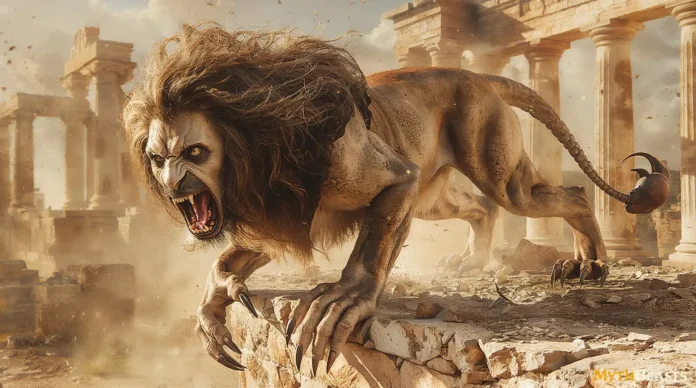
Hybrid Persian man-eater with human face, lion body and barbed tail, famed in Greek and later bestiaries as a...

Colossal bird from Persian & Arabian tales, famous in Sinbad’s voyages for lifting elephants & wrecking ships with its...

A majestic hybrid of lion and eagle, the Griffin is a legendary guardian from Classical Greece, known for its...
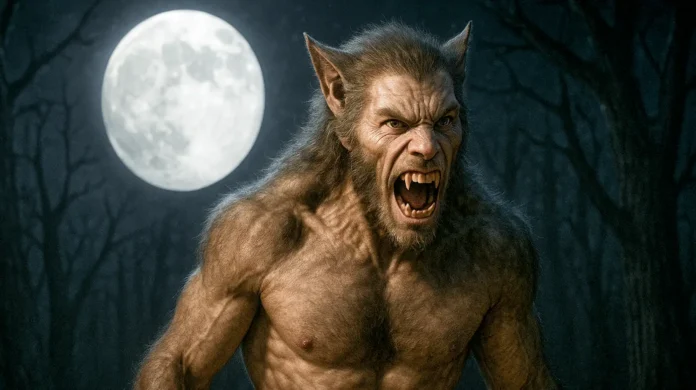
A cursed shape-shifter from Medieval Europe, the Werewolf transforms during the full moon. Feared for uncontrollable rage, it embodies...

The Ghillie Dhu is a solitary forest spirit in Scottish folklore, kind to children and clothed in moss. A...
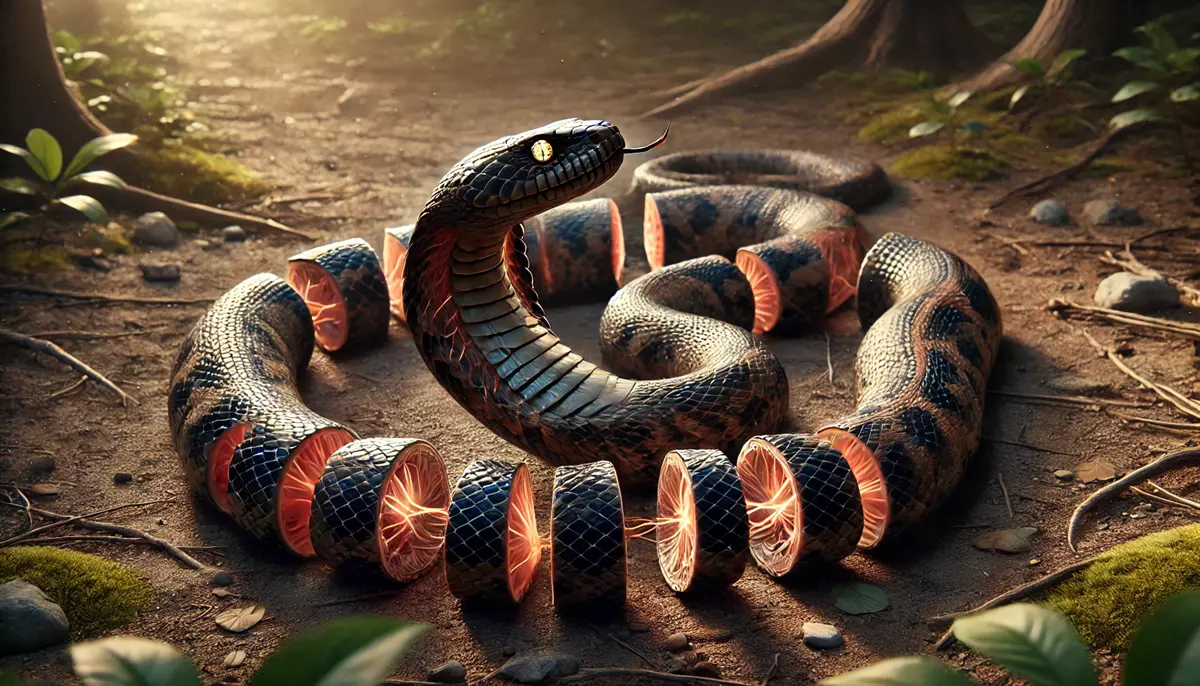
A mysterious serpent from North American folklore, the Joint Snake is known for its ability to reassemble itself after...
Sub Categories
Beheading
Beheading is a recurring vulnerability in mythological narratives, symbolizing the ultimate defeat or incapacitation of powerful beings. This act often signifies a complete and irreversible loss of life or power.Within symbolic structures, beheading represents the severing of vital connections, both physical and metaphysical. It underscores themes of mortality and the fragility of existence in mythological contexts.
Blood Loss
Blood Loss sensitivity means minor injuries result in significant blood loss, leading to weakness or unconsciousness. This weakness makes combat dangerous as healing from wounds is difficult.
Blunt Force
Blunt Force in mythology often symbolizes a physical vulnerability, highlighting the limits of invulnerability or supernatural strength. Characters or beings possessing immense power might still succumb to non-piercing impacts.This weakness emphasizes the balance between strength and fragility in mythic tales. Blunt Force serves as a narrative device, illustrating that even formidable entities have exploitable vulnerabilities.
Concussion Risk
Concussion Risk indicates a vulnerability to head injuries, with minor impacts causing concussions. This weakness makes beings susceptible to disorientation following head trauma, limiting combat effectiveness.
Crushed Ribs
Crushed Ribs indicates susceptibility to rib damage from pressure or impact, leading to difficulty breathing and severe pain. This weakness limits the ability to engage in combat without risking harm.
Fragile Skin
Fragile Skin symbolizes a vulnerability where a character's outer layer is easily harmed, reflecting themes of mortality and human frailty. This weakness often highlights the tension between strength and susceptibility.In mythological narratives, Fragile Skin can serve as a metaphor for the delicate balance of power and vulnerability. It underscores the potential downfall of even the mightiest beings.
Heart Murmur
Heart Murmur refers to irregular heart function, making physical exertion dangerous. This weakness limits endurance, and beings with it must avoid stress to prevent potential cardiac events.
Heart Strike
Some creatures have a particular weakness in their hearts, where even a minor injury can be fatal. A direct hit to the heart can bypass magical or physical defenses, leading to instant death. The heart is often their most critical point of failure.Vampires and similar beings are often vulnerable to heart strikes, with many legends depicting their downfall through a single blow to this vital organ.
Iron Cut
Iron Cut symbolizes a recurring vulnerability in mythological narratives, often representing a boundary between the natural and supernatural. This weakness highlights the power of iron as a protective element.Symbolically, Iron Cut may illustrate themes of purity and strength, suggesting iron's ability to disrupt magical influences. This concept underscores the tension between human innovation and mystical forces within these narratives.
Joint Damage
Joint Damage signifies a tendency for joints to suffer wear, inflammation, or deterioration. This weakness restricts range of motion and increases the risk of degenerative conditions over time.
Joint Vulnerability
Joint vulnerability refers to creatures that can be easily immobilized by targeting their joints. A well-placed blow to the knee, elbow, or other critical joints can incapacitate them, reducing their ability to move or fight effectively.In many myths, large or armored creatures have joint weaknesses that can be exploited by skilled hunters or warriors.
Limb Dislocation
Limb Dislocation refers to joints that easily dislocate under stress. This weakness causes joint instability, making strenuous physical activities challenging and increasing the risk of injury during intense movement.
Loud Noise
Loud Noise often symbolizes chaos or disruption, affecting mythological beings sensitive to sound. This vulnerability highlights the fragility of order, as excessive noise can disturb balance or concentration.In mythological contexts, Loud Noise serves as a metaphor for overwhelming forces that challenge supernatural entities. It underscores the idea that even powerful beings possess vulnerabilities, reminding audiences of inherent limitations.
Muscle Cramp
Muscle Cramp causes muscles to seize unexpectedly, leading to sudden pain and loss of mobility. This weakness impairs beings during combat, as cramps can incapacitate them without warning.
Muscle Strain
Muscle Strain indicates that muscles are easily overworked or damaged. Those with this weakness suffer from cramps, tears, or soreness, limiting endurance and making prolonged physical activity challenging.
Neck Fragility
Creatures with fragile necks are particularly vulnerable to decapitation or strangulation. A strong blow or sustained pressure can cause fatal injuries, making the neck one of their most vulnerable points. This weakness is often exploited in combat.In mythology, many creatures are defeated by a single strike to the neck, making it a critical point of weakness in physical confrontations.
Organ Rupture
Organ Rupture is a vulnerability where organs are easily damaged. This weakness makes survival challenging during significant trauma, as internal injuries can lead to severe health risks.
Physical Exhaustion
Physical Exhaustion is a recurring vulnerability in mythological narratives, often symbolizing the limits of mortal endurance. It highlights the inevitable decline of strength despite heroic efforts and divine assistance.In symbolic structures, Physical Exhaustion underscores the balance between power and frailty. This theme reminds audiences of the natural boundaries imposed on beings, emphasizing the need for rest and recovery.
Piercing Kill
Piercing Kill symbolizes a recurring mythological vulnerability where beings are susceptible to sharp objects. This weakness often highlights their mortality or the limits of their otherwise formidable defenses.In mythological narratives, Piercing Kill serves as a narrative device to introduce tension and conflict. It emphasizes the duality of strength and vulnerability, reinforcing themes of balance and consequence.
Poison Risk
Poison is a common way to weaken or kill creatures vulnerable to toxic substances. Even a small amount of poison can spread through their system, causing them to weaken or die. Poisons may be ingested, injected, or absorbed through the skin, making them difficult to avoid.In mythology, poison is often used as a weapon by enemies who lack the physical strength to confront powerful beings directly.
Shattered Bones
Shattered Bones is a severe vulnerability where bones are prone to shattering upon impact. This weakness makes it difficult to withstand any forceful blow, leading to catastrophic injuries that may impair mobility.
Silver Wound
Silver is a powerful weapon against creatures vulnerable to it, such as werewolves and dark spirits. A wound from a silver weapon is not only more painful but also prevents these beings from healing as quickly as they normally would. Silver burns them on contact.In mythology, silver is seen as a pure and magical material, capable of weakening or killing creatures who thrive on darkness. Silver weapons are crucial in defeating these beings.
Skin Tear
Skin Tear is a sensitivity that makes skin prone to cuts and abrasions under minimal force. This vulnerability exposes them to infections and blood loss, making physical confrontations risky due to minimal defense.
Slow Movement
Slow Movement often symbolizes a vulnerability in mythological narratives, representing characters or entities hindered by reduced speed. This limitation can signify obstacles in achieving goals or escaping danger.In symbolic structures, Slow Movement may reflect themes of patience, endurance, or inevitability. It highlights challenges in overcoming temporal or physical constraints, emphasizing perseverance despite inherent limitations.
Spinal Weakness
A blow to the spine can cause paralysis or death for creatures with this weakness. Spinal damage incapacitates them, leaving them unable to move or defend themselves. Creatures with spinal weaknesses are particularly vulnerable to attacks from behind.In mythology, targeting the spine is a common tactic for hunters or warriors aiming to immobilize large or dangerous creatures.
Torn Ligaments
Torn Ligaments represent a weakness where ligaments easily tear, affecting joint stability. This sensitivity leads to pain, swelling, and loss of function, complicating movement and increasing recovery time.
Weak Grip
Weak Grip represents a limitation in hand strength, impairing the ability to hold objects. This weakness affects combat effectiveness as they struggle to maintain a firm hold on weapons or tools.
Weak Reflexes
Weak Reflexes in mythological narratives often symbolize a hero's vulnerability or limitation. This weakness can manifest as delayed reactions, impacting their ability to respond swiftly to threats. It highlights the human aspect of mythic figures, reminding audiences of their fallibility.Symbolically, Weak Reflexes may represent a deeper moral or spiritual deficiency. This limitation can serve as a narrative device, emphasizing the need for growth or the dangers of overconfidence. It underscores themes of humility and the importance of preparedness.
Wound Infections
Wound Infections represent susceptibility to infections following injuries. This weakness complicates healing, with symptoms like fever and swelling, making recovery from injuries slow and precarious.