
back to top

Slow Movement

Slow Movement is an inherent constraint often leaving mythical beings vulnerable to faster adversaries or situations requiring speed.

Relevant Beasts

Europe
Water Dwelling Creature
Grindylow - water spirit from 18th-century English folklore
United Kingdom

Grindylow

Grindylow, a sinister water spirit from 18th-century English folklore, haunted marshes and ponds, snatching children who strayed too close...
  • Skills
CamouflageFog Generation
  • Weaknesses
BeheadingFire Vulnerable
North America
Tidal Guardian
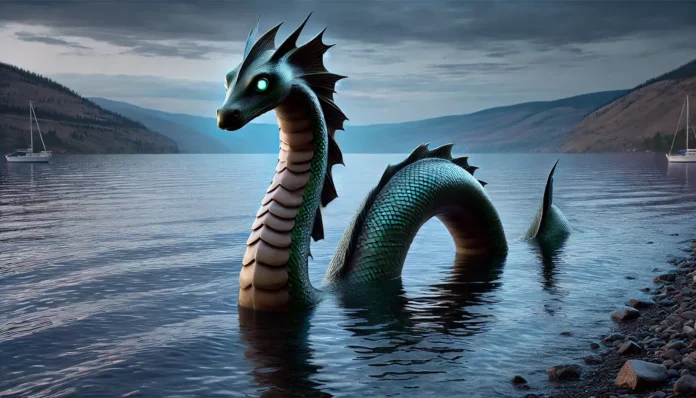
Ogopogo - British Columbia
Salish

Ogopogo

Ogopogo is a serpentine water monster from Canadian folklore, believed to inhabit Okanagan Lake and connected to Indigenous myths.
  • Skills
Enhanced AgilityWater Breathing
  • Weaknesses
Drought SensitiveDry Land Harm
American West
Ethereal Being
Californian Dark watchers
American West

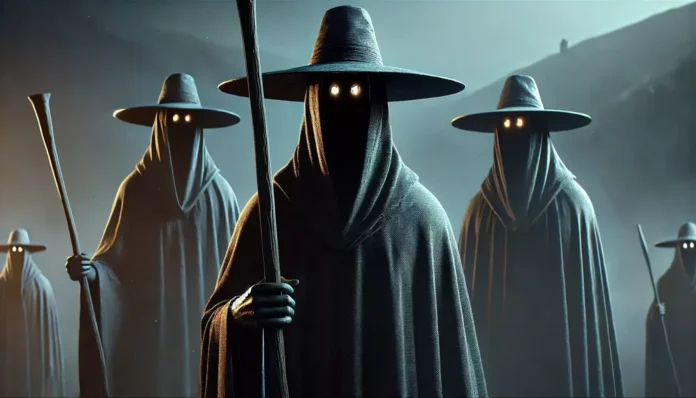
Dark Watchers

The Dark Watchers are mysterious, tall, shadowy figures from California folklore, often seen observing travelers from the Santa Lucia...

  • Skills
Hallucination InducementInvisibility
  • Weaknesses
Fog BlindnessSlow Movement
Europe
Forest Giant
J.R.R. Tolkien's Ents
United Kingdom

Ents

Ents are tree-like beings from Middle-earth, guardians of the forests and protectors of nature in J.R.R. Tolkien's legendarium.

  • Skills
Earth ManipulationPlant Control
  • Weaknesses
Fire VulnerableSlow Movement

Slow Movement – Overview

Slow Movement is a mythological weakness defined by the constraining effect it has within narratives and belief systems. It represents more than accidental immobility, symbolizing profound existential limitations. Mythological systems treat Slow Movement as a significant conceptual vulnerability. This emphasizes the essential role it plays in enforcing limitations within narratives. Rather than being an arbitrary flaw, it serves as a mechanism to illustrate the bounded nature of beings. It often illustrates the inherent constraints of power and existence within these systems.

Defining Characteristics of the Weakness

Nature of the Limitation

Slow Movement is fundamentally a metaphysical constraint. It affects beings on a level that goes beyond physicality, symbolizing boundaries or limitations to their abilities. This constraint is often depicted through characters who embody immense power but remain limited by their slow movement. It may also emphasize cosmic balance by restricting divine or mythical beings. In this context, Slow Movement reinforces the idea that no being can possess unlimited power without a counterbalance.

Conditions of Exposure

Slow Movement becomes relevant under specific environmental and cosmological conditions. It is often activated by symbolic or moral circumstances, such as the need to adhere to sacred laws. These conditions may include spaces where cosmic laws are enforced, affirming the necessity of balance. In some traditions, Slow Movement is a consequence of hubris, serving as a reminder of inherent limitations. The exposure conditions underscore the weakness as an inevitable part of the cosmic order.

Mythological Role and Function

Function Within Mythological Systems

Within mythological frameworks, Slow Movement functions to regulate power by preventing unchecked dominance. It ensures that even the mightiest beings have vulnerabilities, preserving cosmic balance. This weakness allows for the narrative development of myths by facilitating downfall or redemption arcs. It underscores the idea that all power is subject to cosmic laws, preventing absolute dominance by any single entity. By imposing this constraint, mythological systems maintain a dynamic equilibrium.

Symbolic and Cultural Meaning

Slow Movement symbolically represents inevitability and moral consequence. It often embodies the limitations imposed by sacred law or divine order, reflecting mortality and the futility of hubris. Across cultures, this weakness enforces boundaries, reminding beings of their inherent limitations. It is a narrative tool through which myths express core cultural values about power and restraint. Thus, Slow Movement is not merely a tactical disadvantage but a profound symbolic theme.

Distinction from Related Mythological Weaknesses

Conceptual Boundaries

Slow Movement differs from general mortality or physical injury, focusing on existential constraints rather than physical harm. Unlike divine punishment or taboo violation, it is not necessarily a result of wrongdoing. It is a built-in limitation that reinforces balance within the mythological order. While situational defeat may occur, Slow Movement persists as a constant factor. This distinction highlights its role as an intrinsic part of a being’s nature, not a circumstantial failure.

Common Sources of Misclassification

Slow Movement is often conflated with other vulnerabilities due to its subtlety. It is sometimes mistaken for tactical disadvantages or physical infirmities. However, scholarly frameworks emphasize its role as a metaphysical constraint. Comparative mythology distinguishes it through its symbolic implications, focusing on balance and cosmic order. Misclassification occurs when Slow Movement’s deeper meanings are overlooked, revealing the importance of precise interpretative frameworks. Scholars emphasize its role in broader cosmological narratives.

Canonical Beings Defined by Slow Movement

Jormungandr

Jormungandr, the Norse Midgard Serpent, exemplifies Slow Movement through its immense size. Its slow encircling of the world symbolizes the inevitability of Ragnarok, embodying cosmic balance. Without this trait, its narrative role becomes incoherent.

Tārā

In Hindu mythology, Tārā is associated with wisdom but portrayed with deliberate movement. This slow pace represents deep contemplation, emphasizing moral and spiritual boundaries. Without Slow Movement, Tārā’s role as a mediator would be incomplete.

Golem

The Golem in Jewish folklore is animated from clay but moves slowly, highlighting its lack of human intelligence. This slow movement symbolizes its role as a servant. Without this characteristic, Golem’s narrative function would be misunderstood.

Historical Distribution and Cultural Context

Slow Movement appears across various cultures and historical periods, often in complex belief systems. In ancient Greece, it is seen in stories of titans, while in Norse mythology, giants are often depicted with this trait. Across Asian mythologies, deliberate movement symbolizes spiritual wisdom, representing a shared archetype. This widespread presence suggests a universal human concern with power and balance, influencing diverse cultural mythologies. Variation exists in its interpretation, reflecting different cosmological beliefs.

Scholarly Interpretation and Uncertainty

Variation in Interpretation

Interpretations of Slow Movement vary between cultures and historical periods. In some, it is seen as a literal constraint, while others view it symbolically. Cultural contexts influence whether it is seen as a moral lesson or existential reflection. Scholars differ in their emphasis on symbolic versus literal readings, reflecting diverse scholarly frameworks. These variations highlight the dynamic nature of mythological study, allowing for multiple valid interpretations of the same concept.

Limits of the Evidence

Historical evidence regarding Slow Movement is often incomplete or ambiguous, leading to scholarly debate. While some interpretations are well-established, others remain contested or speculative. In certain contexts, no verified sources fully describe its implications. This underscores the need for cautious interpretation, avoiding speculation. Scholars must navigate gaps in the record, balancing established interpretations with recognition of uncertainties. This careful approach preserves the integrity of mythological analysis.

Mythological Function Across Cultures

Slow Movement recurs in mythologies due to shared human concerns with power, balance, and limitations. It fulfills symbolic needs by illustrating constraints on divine or mythical beings. This weakness serves as a reminder of the boundaries of power, reinforcing cosmological functions. Recognizing Slow Movement enhances comparative interpretation, revealing universal themes across disparate traditions. It highlights the interconnectedness of mythological systems, contributing to a deeper understanding of cultural narratives.