Forest Giant – Overview
Forest Giants, as a mythological category, encapsulate beings characterized by immense size and deep connections to forested environments. They often embody the untamed, majestic nature of the woods. These giants typically serve as guardians of the forest, representing the ancient, enduring power of nature. Across cultures, they are depicted with similar attributes, including a towering physique and an intrinsic relationship with the earth.Defining Characteristics
Physical Form and Morphology
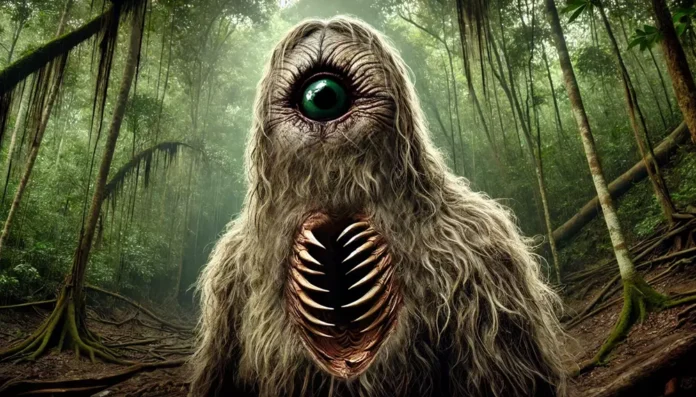
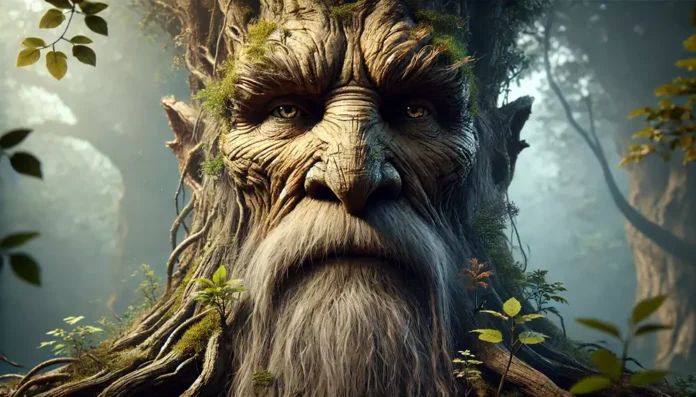
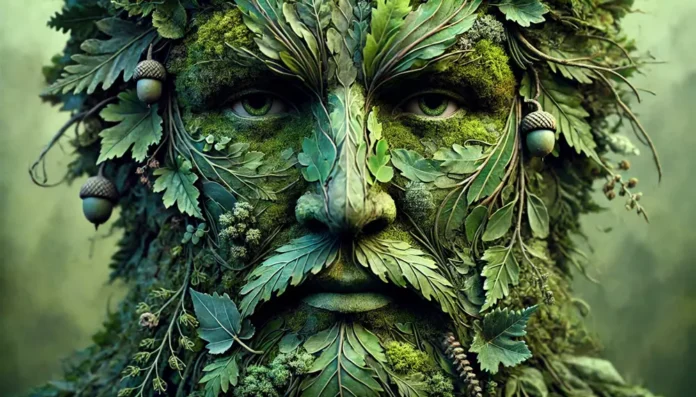
Forest Giants commonly possess colossal, humanoid bodies, often depicted with bark-like skin or foliage resembling trees. Their size alone sets them apart, suggesting their dominion over the woods. Many legends emphasize their strength, correlating it with their ability to manipulate or command natural elements, such as trees and rocks.Ontological Nature
In mythological contexts, Forest Giants are often viewed as liminal entities, straddling the physical and spiritual worlds. They are frequently portrayed as nature spirits or ancient beings that predate human civilization. This duality allows them to act as intermediaries between humans and the mystical forces of the forest.Mythological Role and Function
Place in Mythological Systems
Within mythological frameworks, Forest Giants often serve as protectors of the natural world, opposing those who would exploit or harm it. Their interactions with gods, humans, and other entities are typically defined by their commitment to maintaining ecological balance. They are often seen as custodians, wielding power to enforce natural order.Perception and Meaning
Culturally, Forest Giants are often perceived as both formidable and benevolent. While they can be fierce adversaries when provoked, they are also revered as wise guardians. This duality reflects humanity’s complex relationship with nature, encapsulating both fear and reverence toward the natural world.Distinction from Related Beast Types
Conceptual Boundaries
Forest Giants are distinct from elemental beings, which are typically seen as more abstract forces, lacking the humanoid characteristics that define giants. Unlike animal-based creatures, Forest Giants are not defined by animalistic traits but by their humanoid form and size. Their role as guardians differentiates them from spirits, which may not have a protective function.Common Sources of Confusion
Confusion often arises when Forest Giants are mistaken for trolls or ogres, which also inhabit forested areas but lack the same symbolic connection to nature. Scholars distinguish Forest Giants by their integrative role with the environment, as opposed to the more chaotic nature of trolls and ogres.Canonical Beasts Associated with This Beast Type
Jötnar
Originating from Norse mythology, the Jötnar are prime examples of Forest Giants. They are depicted as colossal beings residing in Jotunheim, embodying the raw power of untamed nature and often opposing the Aesir gods.Leshy
In Slavic folklore, the Leshy is a forest spirit considered a Forest Giant. Known to protect wildlife and forests, the Leshy can shape-shift and is deeply intertwined with the health and vibrancy of the forest it inhabits.Kodama
In Japanese tradition, the Kodama represents spirits of trees, often linked to Forest Giants. Although not always giant in form, they are seen as protectors and embodiments of the forest’s spirit, holding great significance in Shinto beliefs.Historical Distribution and Cultural Context
Forest Giants appear in mythologies from diverse cultures across Europe, Asia, and the Americas. Their presence can be traced back to ancient times, often aligning with societies that held deep spiritual connections to natural landscapes. This widespread distribution suggests a universal human tendency to personify and venerate the forces governing forests.Scholarly Interpretation and Uncertainty
Variation in Definitions
Different cultures and historical periods may define Forest Giants based on local geography and ecology. In some traditions, they are more spiritual, while in others, they embody tangible physical threats or allies. This variation reflects the diverse ways humans have related to their environments over time.Limits of Available Evidence
While many cultures have stories of Forest Giants, the evidence is often fragmented, with few primary sources providing comprehensive accounts. Scholarly interpretations are thus based on folklore, oral traditions, and later literary sources, leading to debates about the giants’ roles and origins.Mythological Role Across Cultures
The recurring presence of Forest Giants across mythological traditions suggests a shared human desire to conceptualize the power and mystery of forests. These beings symbolize the awe inspired by vast, untouched landscapes and the need to personify nature’s forces. Understanding their mythological role illuminates the universal themes of guardianship and reverence for nature within human culture.