
back to top

Celestial Being

Celestial Being encompasses mythological entities defined by their heavenly origins and symbolic roles in various cultural narratives.

Relevant Beasts

Celtic
Celestial Being
Morrigan - Celtic mythology
Celtic

Mórrígan

Morrigan is a prominent figure in Irish mythology, often depicted as a complex and multifaceted deity associated with war,...

  • Skills
Death & NecromancyDeath Inducement
  • Weaknesses
Blessed WeaponDivine Restrictions
Asia
Celestial Being
Fenghuang - Chinese folklore
China

Fenghuang

The Fenghuang, or Chinese Phoenix, embodies harmony and virtue, often associated with the Empress and cosmic balance.
  • Skills
Divine LightFire Absorption
  • Weaknesses
Anti-MagicCurse Bound

Celestial Being – an Overview

Celestial beings are mythological entities classified based on their association with the heavens or divine realms. These beings often embody the will of gods, serving as messengers or intermediaries between the celestial and terrestrial worlds. They are integral to many mythologies, symbolizing divine power, protection, or judgment. Their presence in mythological narratives often underscores the connection between humanity and the divine, highlighting the importance of celestial order and influence.

Defining Characteristics

Physical Form and Morphology

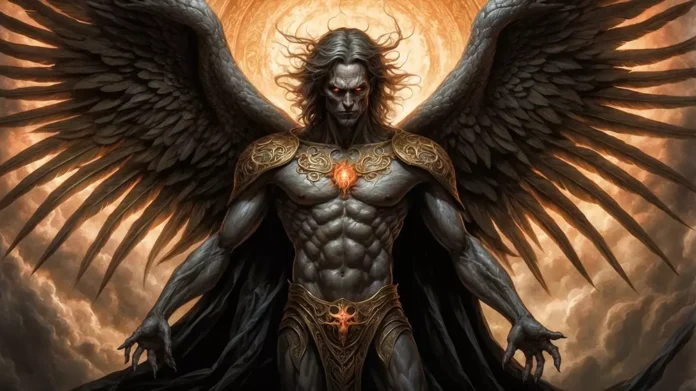
Celestial beings typically exhibit ethereal and radiant forms, often depicted with wings, halos, or luminous bodies. These features symbolize their divine origin and supernatural abilities. They may appear humanoid, reflecting their role as intermediaries, yet possess features that transcend human limitations. Their forms are crafted to communicate their celestial nature, often incorporating elements like light, stars, or heavenly attributes.

Ontological Nature

Celestial beings are considered supernatural entities, originating from divine or cosmic realms. They exist beyond the natural world, embodying the essence of divine authority. Their presence signifies a bridge between the mortal and the immortal, often serving as conduits for divine will. While their appearances may vary, their ontological nature remains rooted in the spiritual and cosmic domains.

Mythological Role and Function

Place in Mythological Systems

In mythological systems, celestial beings occupy hierarchical roles, often as messengers or enforcers of divine law. They maintain cosmic order, ensuring the balance between heaven and earth. Their actions reflect divine intentions, and their presence affirms the structure of mythological cosmologies. They are frequently involved in narratives that emphasize the interplay between the mortal and the divine.

Perception and Meaning

Cultures perceive celestial beings as protectors, guides, or harbingers of divine will. They may be viewed as benevolent guardians or fearsome executors of divine justice. Their appearances can signal important events, such as blessings or warnings. These perceptions vary, but celestial beings consistently reinforce the presence and power of the divine in the world.

Distinction from Related Beast Types

Classification Boundaries

Celestial beings differ from elemental or spirit classifications by their explicit connection to divine or heavenly realms. Unlike elemental entities, they represent divine authority rather than natural forces. Their celestial origin distinguishes them from spirits, which are often tied to earthly domains. Celestial beings operate within a context of divine order, setting them apart from other supernatural types.

Common Sources of Confusion

Confusion arises when celestial beings share traits with other supernatural categories, such as spirits or angels. However, scholars distinguish them by their roles within divine hierarchies and their explicit connection to celestial realms. The conflation often stems from overlapping iconography or shared mythological functions, but their divine association is a defining factor.

Canonical Beasts Associated with This Beast Type

Angel

Angels are rooted in Abrahamic traditions, exemplifying celestial beings through their role as divine messengers. Their presence underscores the divine order, bridging the gap between the mortal and the divine realms. They often serve as protectors or heralds.

Deva

Originating in Hindu and Buddhist contexts, Devas are celestial beings associated with natural elements and cosmic order. They exemplify the dual role of guardians and nurturers, maintaining cosmic harmony. Their divine nature and purpose align with celestial classifications.

Tennin

In Japanese mythology, Tennin are ethereal beings linked to the heavens, often depicted with angel-like qualities. They serve as intermediaries between humans and the divine, reflecting celestial grace and the beauty of the heavenly realms.

Historical Distribution and Cultural Context

Celestial beings appear across diverse cultures, including ancient Mesopotamian, Greco-Roman, and Asian traditions. Their roles and depictions vary, but they consistently embody divine principles. This widespread presence highlights the universal human concern with the divine. Cultural depictions often reflect local beliefs, yet common themes emphasize their role as messengers or protectors.

Scholarly Interpretation and Uncertainty

Variation in Definitions

Definitions of celestial beings vary, influenced by cultural and religious contexts. Scholars interpret them through different lenses, such as theological, historical, or sociocultural. This variation reflects the diverse ways cultures understand the divine and its manifestations.

Limits of Available Evidence

Evidence surrounding celestial beings is often limited and fragmented. Mythological texts and archaeological findings provide some insight, but many interpretations are reconstructed. Scholars acknowledge these gaps, necessitating cautious interpretation and analysis of available sources.

Taxonomic Relevance

Celestial beings offer a critical framework for organizing mythological entities across cultures. Their classification highlights the intersection of the divine and mortal realms, emphasizing the role of divine power in mythological systems. This taxonomy aids in understanding cultural values and cosmologies, providing clarity and insight into the human experience of the divine.