back to top

Dark Fae

Relevant Beasts

American West
Dark Fae
Jackalope north american-folklore
American West

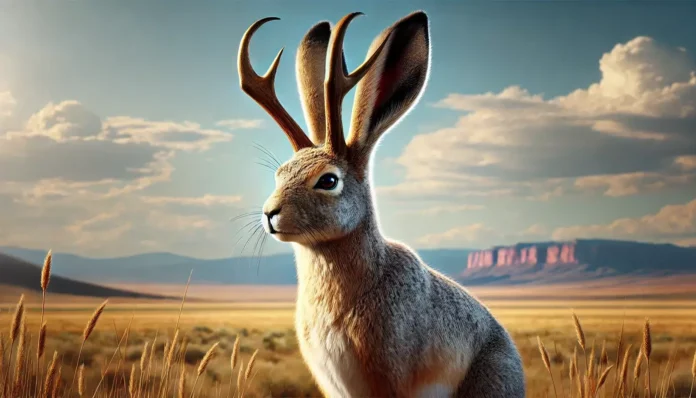
Jackalope

The Jackalope, a legendary North American creature, is described as a rabbit with antelope-like horns. Known for its cunning...

  • Skills
CamouflageEnhanced Agility
  • Weaknesses
High Altitude WeakPiercing Kill

Dark Fae - an Overview

The classification of Dark Fae refers to a subset of mythological beings associated with shadowy, mystical, and often malevolent forces. This category encompasses entities within folklore characterized by their ambiguous moral nature and magical abilities. Dark Fae play a pivotal role in various cultural narratives, often serving as antagonistic forces or intriguing liminal figures. They are widely recognized for their manipulation of natural elements and their roles in challenging human protagonists. The classification distinguishes these beings as unique for their complex interactions with human and supernatural realms.

Defining Characteristics

Physical Form and Morphology

Dark Fae typically exhibit a varied morphology, with forms ranging from ethereal and delicate to grotesque and fearsome. Common traits include elongated limbs, sharp features, and an aura that hints at their supernatural nature. These beings often possess wings, lending them an otherworldly appearance and the ability to traverse different realms. Their attire may include dark, flowing garments that visually signify their connection to the mysterious and arcane.

Ontological Nature

Beings classified as Dark Fae are generally considered to be supernatural in origin, existing at the intersection of reality and fantasy. They are often seen as hybrid entities, blending aspects of nature with spiritual elements. Their existence challenges traditional boundaries between the living and the mythological. Scholars debate whether they should be categorized as elemental due to their manipulation of natural forces, or as spiritual entities, given their intricate involvement in the cosmological frameworks of their respective mythologies.

Mythological Role and Function

Place in Mythological Systems

Dark Fae occupy a unique position within mythological systems, often serving as intermediaries between the physical world and the supernatural. Their roles can vary significantly, from enforcers of natural laws to tricksters upending the social order. They frequently embody the concept of chaos, challenging protagonists to overcome both external and internal obstacles. Their interactions with humans are often portrayed as tests of character and morality, emphasizing the complexity of human nature.

Perception and Meaning

Culturally, Dark Fae are perceived as both threats and teachers, embodying the duality of danger and enlightenment. In many traditions, they are seen as omens, signaling significant changes or challenges. Their ambiguous morality often blurs the lines between good and evil, prompting reflections on the nature of power and consequence. As liminal entities, they challenge the status quo, encouraging narratives of transformation and adaptation. This multifaceted perception ensures their persistent relevance in storytelling.

Distinction from Related Beast Types

Classification Boundaries

Dark Fae are distinct from other mythological categories like spirits and elementals due to their unique blend of characteristics, combining traits of both malevolence and benevolence. Unlike spirits, which are often defined by their lack of physical form, Dark Fae are typically depicted with distinct corporeal aspects. Their manipulation of natural elements differentiates them from purely spiritual entities, while their moral ambiguity sets them apart from straightforward elemental beings.

Common Sources of Confusion

Dark Fae are often conflated with other supernatural entities, such as demons or mischievous spirits, due to overlapping mythological traits. However, scholars distinguish them by focusing on their dual nature and the specific cultural contexts in which they appear. This confusion is further compounded by regional variations in folklore, where similar beings may be classified differently based on local beliefs. Establishing clear taxonomic distinctions requires careful analysis of cultural narratives and symbolic meanings.

Canonical Beasts Associated with This Beast Type

The Banshee

Originating in Irish folklore, the Banshee is a quintessential Dark Fae, known for her wailing cry that heralds death. Her role as a harbinger links her to both the spirit world and the realm of the living.

The Dullahan

Another figure from Irish mythology, the Dullahan is a headless rider whose appearance is an omen of death. His spectral presence and supernatural abilities underscore his classification as a Dark Fae.

The Erlking

Featured in German folklore, the Erlking lures children to their doom. His seductive allure and connection to the forest place him firmly within the Dark Fae category, emphasizing his duality.

Historical Distribution and Cultural Context

Dark Fae appear across numerous cultures, with notable concentrations in Celtic and Germanic folklore. Their presence is most prominent in regions where oral traditions emphasize storytelling and moral lessons. These beings often reflect local environmental and social concerns, integrating community values and fears into their narratives. The widespread distribution of Dark Fae highlights their adaptability and the enduring appeal of their mythological functions. Their stories have persisted through centuries, evolving with cultural changes.

Scholarly Interpretation and Uncertainty

Variation in Definitions

The definition of Dark Fae varies considerably across traditions, with some cultures emphasizing their malevolent aspects and others focusing on their protective roles. Academic interpretations often reflect these differences, leading to debates over their true nature. Such variations highlight the fluidity of mythological classifications and the influence of cultural perspectives on scholarly analysis. Understanding these beings requires recognizing the diverse contexts that shape their symbolism and narrative roles.

Limits of Available Evidence

The historical record of Dark Fae is often fragmented, with limited primary sources detailing their origins and functions. Much of what is known comes from later retellings and literary adaptations. This scarcity of evidence leaves gaps in understanding, prompting reliance on comparative mythology for insights. Scholars must navigate these limitations carefully, acknowledging the potential for bias and misinterpretation. The need for rigorous examination underscores the challenges in constructing a cohesive taxonomy for such complex entities.

Taxonomic Relevance

Dark Fae serve as a crucial classification category within mythological taxonomies, offering a framework to organize entities that defy simple categorizations. Their dual nature as both threats and guides makes them essential for understanding the moral and symbolic dimensions of folklore. This classification aids in cross-cultural comparisons, revealing common themes and divergent interpretations. By delineating Dark Fae, scholars can more effectively explore the interplay between mythology, culture, and psychology.