back to top

Haunting Spirit

Haunting Spirit creatures are defined by their eerie presence and symbolic roles, often representing fear and the unknown in myths.

Relevant Beasts

Celtic
Ghostly Apparition
Banshee - Celtic folklore
Celtic

Banshee

The Banshee is a legendary figure rooted deeply in Irish mythology, recognized primarily for her mournful wail that is...

  • Skills
Death & NecromancyDeath Sense
  • Weaknesses
Divine RestrictionsHoly Ground
Celtic
Ghostly Apparition
Bean Nighe - Scotish Folklore
Celtic

Bean Nighe

The Bean Nighe is a Scottish spirit from Celtic lore, known as a harbinger of death who washes bloodied...
  • Skills
Death & NecromancyDeath Sense
  • Weaknesses
Blessed WeaponDivine Restrictions
Mississippian
Flesh-Eating Undead
Wendigo - North American folklore
Mississippian

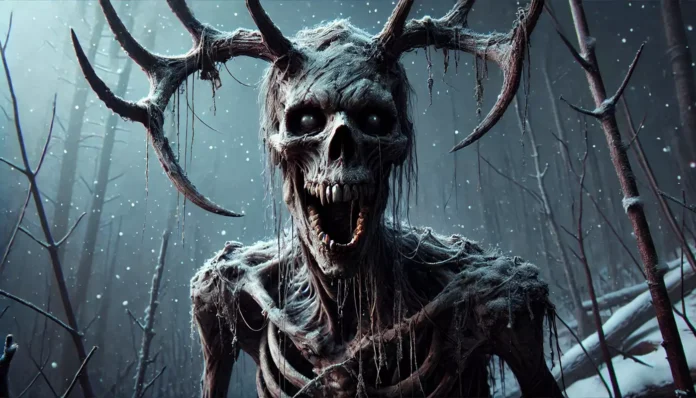
Wendigo

The Wendigo, rooted in Algonquian folklore, embodies insatiable greed and cannibalism. Depicted as a gaunt, emaciated figure with...
  • Skills
Cold ResistanceEnhanced Stamina
  • Weaknesses
Blessed WeaponFire Vulnerable
Asia
Ghostly Apparition
Japan

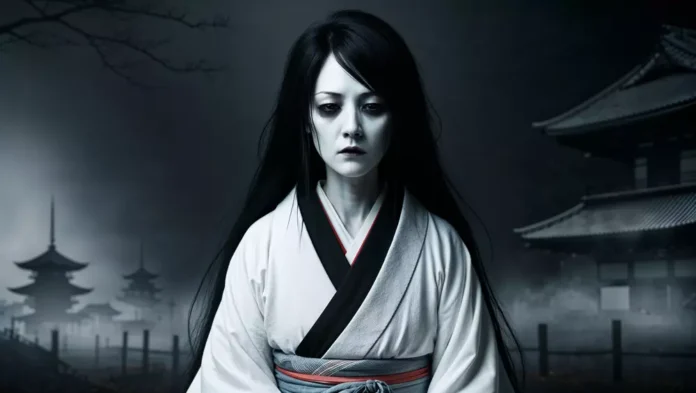
Yurei

Yurei are spirits from Japanese folklore, often depicted as ghostly figures that haunt the living, embodying themes of vengeance,...
  • Skills
Death & NecromancyFear Inducement
  • Weaknesses
Charm BlockedDivine Restrictions

Haunting Spirit – Overview

The Haunting Spirit represents a mythological beast category encompassing entities defined by their ethereal presence and unsettling effects on the living world. These spirits often embody the unknown, existing between tangible reality and the supernatural. Across diverse cultures, they manifest as spectral beings, typically linked with death, memory, or unresolved histories. Their presence serves to remind humans of the unseen forces shaping existence and the mysteries beyond material life.

Defining Characteristics

Physical Form and Morphology

Haunting Spirits are often described with indistinct or shifting forms, lacking solid bodies. They may appear as translucent figures, shadows, or mist-like apparitions, reflecting their intangible nature. Some traditions depict them with exaggerated features, such as elongated limbs or hollow eyes, emphasizing their otherworldly origins. Their amorphous appearance contributes to their role as symbols of fear and uncertainty.

Ontological Nature

Mythologically, Haunting Spirits are frequently understood as liminal entities, existing between the realms of the living and the dead. They are often thought to be the souls of those who died under tragic or unresolved circumstances, unable to transition to the afterlife. Their existence challenges the boundaries of natural and supernatural orders, serving as reminders of life’s impermanence and the thin veil between worlds.

Mythological Role and Function

Place in Mythological Systems

Within mythological systems, Haunting Spirits often serve as intermediaries between gods, humans, and the deceased. They can be both harbingers of doom and guides, leading souls through spiritual journeys. Their presence often signals a breach in moral or cosmic order, requiring ritual intervention. They act as conduits for conveying messages from beyond or enforcing divine will.

Perception and Meaning

Culturally, Haunting Spirits are perceived as both ominous threats and necessary mediators. They represent the unknown and are often feared for their potential to cause harm. Yet, they are also respected as carriers of messages or warnings from spiritual realms. Their dual role reflects humanity’s ambivalence towards death and the afterlife, and the need to both fear and understand these forces.

Distinction from Related Beast Types

Conceptual Boundaries

Haunting Spirits differ from elemental beings, which are tied to natural elements, and undead entities, which are reanimated corpses. They are not bound to physical forms or natural elements. Unlike humanoid monsters, Haunting Spirits lack a defined corporeal presence. Their essence is more about spiritual disruption rather than physical threat or elemental control.

Common Sources of Confusion

Haunting Spirits are often confused with other spirit types due to their shared ethereal traits. However, scholars distinguish them by their specific connection to death and unresolved narratives. Unlike general spirits, their hauntings are often tied to specific locations or events. This anchoring in unresolved histories sets them apart, providing a framework for understanding their unique mythological role.

Canonical Beasts Associated with This Beast Type

Banshee

Originating from Irish folklore, the Banshee is a quintessential Haunting Spirit. Known for its wailing, it signals impending death, embodying the spirit’s connection to mortality. The Banshee’s ethereal cries highlight its role as a harbinger.

Yūrei

Japanese Yūrei are spirits of those who died violently or with unfinished business. They manifest in traditional garb, symbolizing their ties to unresolved histories. Their presence in Japanese culture underscores the belief in spiritual continuity beyond death.

La Llorona

La Llorona, from Latin American folklore, exemplifies a Haunting Spirit’s tragic origins. Her story of loss and eternal mourning ties her spectral form to cultural themes of familial and personal tragedy, representing unresolved emotional narratives.

Historical Distribution and Cultural Context

Haunting Spirits appear in global mythologies, from European folklore to Asian and indigenous traditions, reflecting a universal human fascination with death and the afterlife. They are prominent in cultures with strong beliefs in ancestral spirits or the afterlife. Historically, societies with tumultuous histories or strong oral traditions often feature Haunting Spirits, using them to explain mysterious events or enforce social norms.

Scholarly Interpretation and Uncertainty

Variation in Definitions

Definitions of Haunting Spirits vary across cultures and historical periods, influenced by local beliefs about death and the supernatural. Some academic frameworks emphasize their role in moral storytelling, while others focus on their psychological impact.

Limits of Available Evidence

The mythological record of Haunting Spirits is subject to interpretation and regional variation. While some traditions provide detailed descriptions, others are sparse, leading to debates about their origins and functions. No verified sources describe a universal standard for all contexts.

Mythological Role Across Cultures

The recurrence of Haunting Spirits across mythologies highlights shared human concerns about mortality and the unknown. They address cultural needs to explain the inexplicable or reinforce societal norms through cautionary tales. Recognizing their role in mythological systems aids comparative analysis, revealing underlying themes about life, death, and the afterlife. This cross-cultural examination enhances understanding of how societies process existential anxieties.