Vampire – Overview
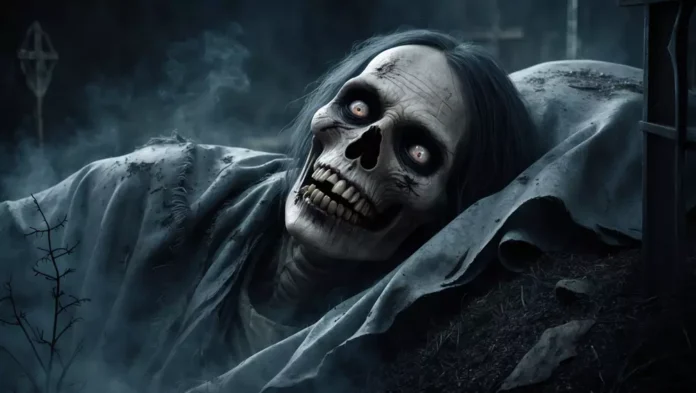
The Vampire constitutes a mythological beast type characterized by its consumption of life essence, typically in the form of blood. This creature appears across diverse cultures, embodying themes of death, immortality, and predation. Vampires are often depicted as reanimated corpses or supernatural entities, existing in a liminal state between life and death. Their role in mythology often involves interactions with both the living and the dead, serving as symbols of decay and eternal life.
Across cultures, Vampires serve as cautionary figures, representing the consequences of violating natural or divine orders. Their presence in myths often reflects societal fears about mortality, disease, and the unknown. Vampires are frequently portrayed as both alluring and terrifying, embodying humanity’s fascination with the forbidden and the eternal. This duality makes them key figures in understanding cultural attitudes towards death and the afterlife.
Defining Characteristics
Physical Form and Morphology
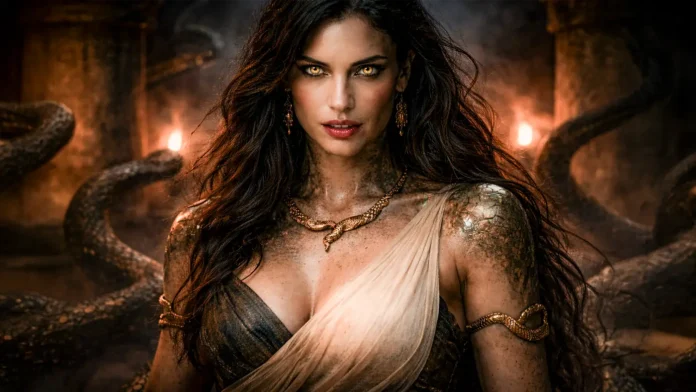
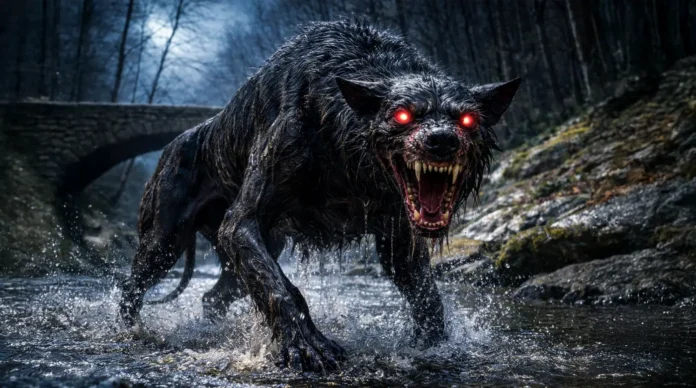
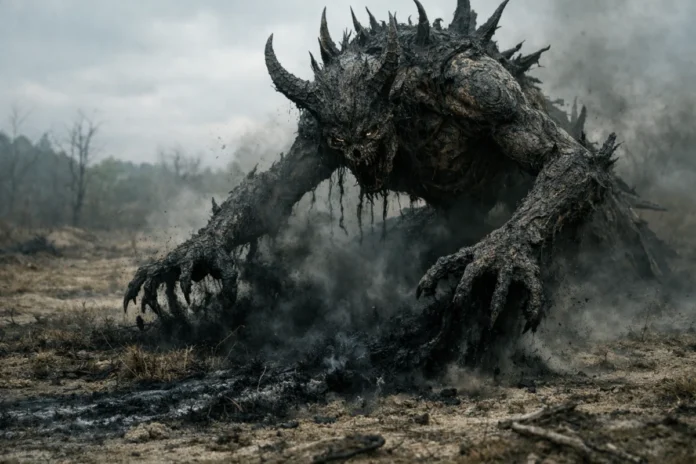
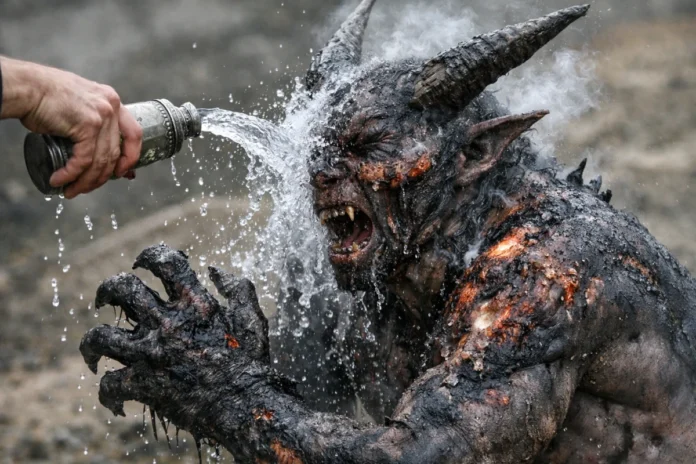
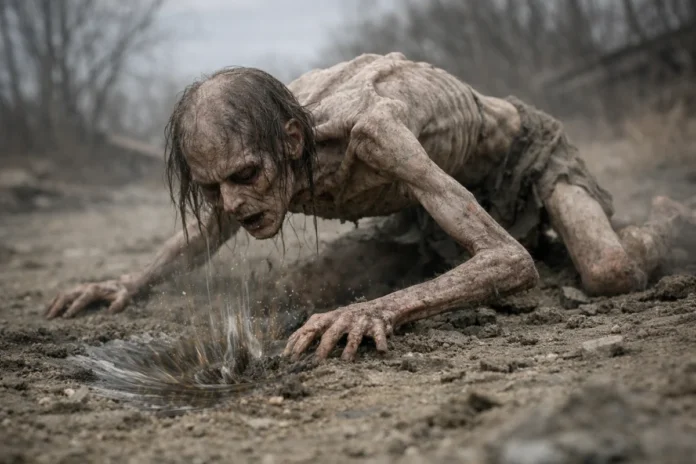
Vampires are often depicted possessing humanoid forms, but with distinct traits such as elongated canines, pale skin, and an aversion to sunlight. These features signal their undead status and predatory nature. In some traditions, Vampires can transform into animals or shapeshift, reflecting their supernatural abilities and connection to the natural world. This variability in form underscores their adaptability and enigmatic nature.
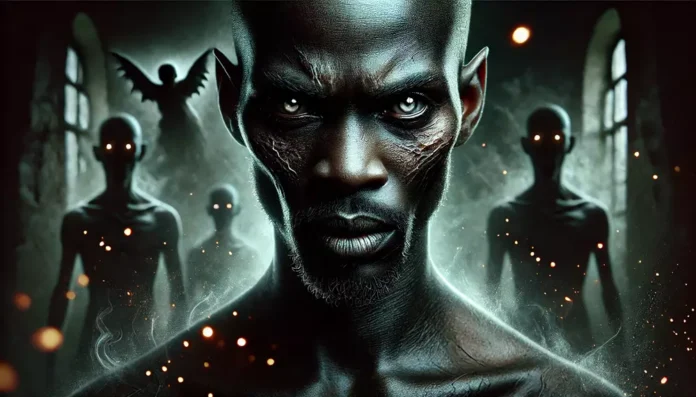
Common visual motifs include gaunt appearances and sharp, piercing eyes, which serve to emphasize their otherworldly origins and malevolent intentions. These traits distinguish Vampires from other mythological creatures, marking them as unique figures within the supernatural landscape. Their morphology often symbolizes the corruption of natural beauty, further highlighting their role as harbingers of death and decay.
Ontological Nature
Mythologically, Vampires are typically understood as liminal entities, existing between life and death. Their ontological nature is tied to themes of immortality and the violation of natural laws. Vampires challenge the boundaries of existence, embodying both human and supernatural qualities. This duality places them in a unique position within mythological frameworks, often serving as bridges between realms.
Vampires are generally perceived as malevolent forces, though some traditions depict them as tragic figures cursed with eternal life. This variability reflects differing cultural attitudes towards death, immortality, and the supernatural. Despite their negative associations, Vampires can also represent resilience and defiance against the inevitability of death, highlighting complex human emotions and desires.
Mythological Role and Function
Place in Mythological Systems
Vampires occupy a significant place within mythological systems, often serving as antagonists to gods, heroes, or natural forces. They embody moral and cosmological boundaries, representing consequences for transgressing societal norms. Vampires interact with a variety of mythological elements, including divine beings, humans, and metaphysical entities, demonstrating their multifaceted roles.
In many traditions, Vampires are seen as disruptors of cosmic order, often associated with chaos and destruction. Their existence challenges the moral framework of societies, confronting cultural taboos and fears. This disruptive nature highlights their importance in exploring themes of power, desire, and the human condition. By embodying these themes, Vampires offer insight into the complexities of mythological and cultural structures.
Perception and Meaning
Cultural perceptions of Vampires vary, but they are generally viewed as threats to both individuals and societies. Their predatory nature and insatiable hunger make them symbols of fear and danger. Vampires often represent the darker aspects of human nature, embodying lust, greed, and the desire for power. This symbolism reflects societal anxieties about mortality and ethical conduct.
However, some cultures see Vampires as protectors or mediators, serving as guardians of sacred spaces or thresholds between worlds. This duality in perception underscores the complex roles Vampires play in mythological narratives. By embodying both fear and fascination, Vampires provide insights into cultural values and beliefs, highlighting the interplay between human desires and supernatural forces.
Distinction from Related Beast Types
Conceptual Boundaries
Vampires are distinct from other supernatural entities, such as spirits, undead beings, and humanoid monsters. Unlike ghosts, Vampires possess corporeal forms and actively interact with the living world. This physical presence differentiates them from purely spiritual entities, emphasizing their tangible impact on human affairs. Additionally, Vampires’ reliance on consuming life essence sets them apart from other undead creatures.
While similar to certain elemental beings in their connection to natural forces, Vampires are unique in their focus on predation and immortality. This distinction highlights their role as both consumers and corrupters of life, contrasting with other beings’ more harmonious or neutral relationships with their environments. Understanding these conceptual boundaries clarifies the Vampire’s unique position within mythological systems.
Common Sources of Confusion
Vampires are often conflated with other undead entities, such as zombies or ghouls, due to their shared themes of death and resurrection. However, Vampires’ distinct characteristics and mythological roles differentiate them from these creatures. Scholars emphasize Vampires’ supernatural abilities and complex interactions with the living, distinguishing them from mindless, reanimated corpses.
Their portrayal as seductive and charismatic figures also contrasts with other undead beings, highlighting Vampires’ unique place within cultural narratives. This allure and complexity can lead to confusion, but careful analysis of mythological texts reveals their distinct identities. By focusing on these differences, scholars can better understand the Vampire’s role and significance in various traditions.
Canonical Beasts Associated with This Beast Type
Strigoi
Originating from Romanian folklore, the Strigoi are restless spirits that rise from the grave to drink the blood of the living. They are considered classic examples of the Vampire type.
Aswang
In Philippine mythology, the Aswang are shapeshifting monsters with a preference for human blood. Their nocturnal activities and supernatural abilities make them representative of the Vampire archetype.
Nosferatu
Derived from Eastern European folklore, Nosferatu are depicted as undead creatures craving blood. Their terrifying presence and unending hunger exemplify the fundamental traits of Vampires.
Historical Distribution and Cultural Context
The concept of Vampires spans multiple cultures and historical periods, with variations appearing in Eastern Europe, Asia, Africa, and the Americas. Notably, Vampires are prevalent in Slavic folklore, reflecting regional beliefs about death and the supernatural. Their presence in diverse regions demonstrates universal human concerns with mortality and the afterlife.
Historical accounts and cultural environments shape the depiction of Vampires, influencing their roles and symbolism. In some societies, Vampires are portrayed as powerful figures with complex motivations, while in others, they are simple antagonists. This diversity underscores the rich tapestry of human imagination, highlighting the adaptability of the Vampire archetype across time and space.
Scholarly Interpretation and Uncertainty
Variation in Definitions
Definitions of Vampires vary across cultures and academic disciplines, reflecting differences in mythological interpretation and historical context. Some scholars emphasize their role as undead predators, while others focus on their symbolic meanings. These varying definitions demonstrate the fluidity of mythological constructs and the challenges in establishing a singular, universal definition for the Vampire.
Different historical periods also influence interpretations, with earlier accounts often depicting Vampires as malevolent beings, whereas modern perspectives may present them as complex, tragic figures. This evolution highlights the dynamic nature of mythological narratives and their ability to adapt to changing cultural landscapes, illustrating the ongoing dialogue between tradition and contemporary understanding.
Limits of Available Evidence
There are significant gaps and ambiguities in the historical record concerning Vampires, with many accounts based on oral traditions and folklore that lack verification. Scholars must navigate these uncertainties, relying on comparative analysis and interdisciplinary research to piece together a coherent understanding. This method highlights the challenges in interpreting mythological figures with limited or fragmented evidence.
Debates continue over the origins and development of the Vampire archetype, with differing opinions on its influences and transformations. Despite these challenges, scholars strive to illuminate the complexities of Vampire mythology, acknowledging the limits of their knowledge while seeking deeper insights into its cultural significance.
Mythological Role Across Cultures
The recurrence of Vampires across diverse mythological traditions suggests a shared human preoccupation with themes of death, immortality, and predation. Vampires represent both fear and fascination, addressing cultural anxieties about the unknown and the boundaries of existence. This universal appeal allows Vampires to function as powerful symbols within mythological systems.
By examining the Vampire’s mythological role, scholars gain insights into the commonalities and differences in human belief systems. Recognizing the Vampire’s function as a bridge between life and death, scholars can better understand cultural values and fears. This analysis enriches comparative mythology, highlighting the Vampire’s enduring relevance and adaptability across time and space.