Introduction
The concept of the doppelgänger has intrigued humanity for centuries, often evoking fear and fascination. This mythological Supernatural phenomenon is traditionally understood as a ghostly double of a living person.
The appearance of a doppelgänger is typically considered an ill omen, signaling bad luck or even impending death.
Historically, doppelgängers have been featured in various cultural narratives, often symbolizing the duality of human nature. They are a common motif in literature and folklore, serving as a mirror to the protagonist’s inner self or hidden desires.
This duality theme resonates across different cultures, making the doppelgänger a universal symbol.
The term “doppelgänger” originates from German folklore, where it is deeply embedded in tales of supernatural encounters. These stories often explore the unsettling notion of encountering one’s double, raising questions about identity and reality.
The doppelgänger’s presence in folklore underscores a shared human curiosity about the nature of self.
Despite its ominous reputation, the doppelgänger also serves as a powerful narrative device. It challenges characters to confront their fears and moral dilemmas, offering a unique lens through which to explore complex psychological themes.
This multifaceted role has cemented the doppelgänger’s place in mythological studies.
History/Origin
The concept of the doppelgänger can be traced back to ancient Germanic folklore, where it was believed to be an apparition or double of a living person. These tales often depicted the doppelgänger as a harbinger of misfortune or death.
In the 18th and 19th centuries, the doppelgänger gained prominence in European literature and culture. Romantic and Gothic writers frequently employed this motif to explore themes of identity, duality, and the supernatural.
This period marked a significant evolution in the doppelgänger’s narrative role.
Notable literary figures, such as Johann Wolfgang von Goethe and Edgar Allan Poe, incorporated doppelgängers into their works. These writers used the doppelgänger to delve into psychological and existential questions, reflecting the growing interest in human consciousness during this era.
While the doppelgänger’s origins are primarily Germanic, similar concepts exist in other cultures. For instance, in Norse mythology, the vardøger is a spirit that precedes a person, performing their actions in advance.
This cross-cultural presence highlights the doppelgänger’s universal appeal.
Name Meaning
The term “doppelgänger” is derived from the German words “doppel,” meaning “double,” and “gänger,” meaning “goer” or “walker.” This literal translation captures the essence of this Supernatural phenomenon as a double or counterpart of a living individual.
In German folklore, the doppelgänger is often perceived as a sinister entity, reflecting the ominous connotations associated with its name. The term underscores the unsettling nature of encountering one’s double, a theme prevalent in many doppelgänger tales.
The concept of a “double walker” suggests a being that mirrors the actions and appearance of a person, yet exists independently. This duality raises questions about identity and self-perception, themes that are central to the doppelgänger’s mythological significance.
Although the term is German, the idea of a double or counterpart is not unique to Germanic folklore. Many cultures have their own interpretations of similar entities, each with distinct characteristics and implications, reflecting diverse cultural understandings of identity and the self.
Appearance
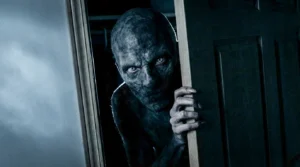
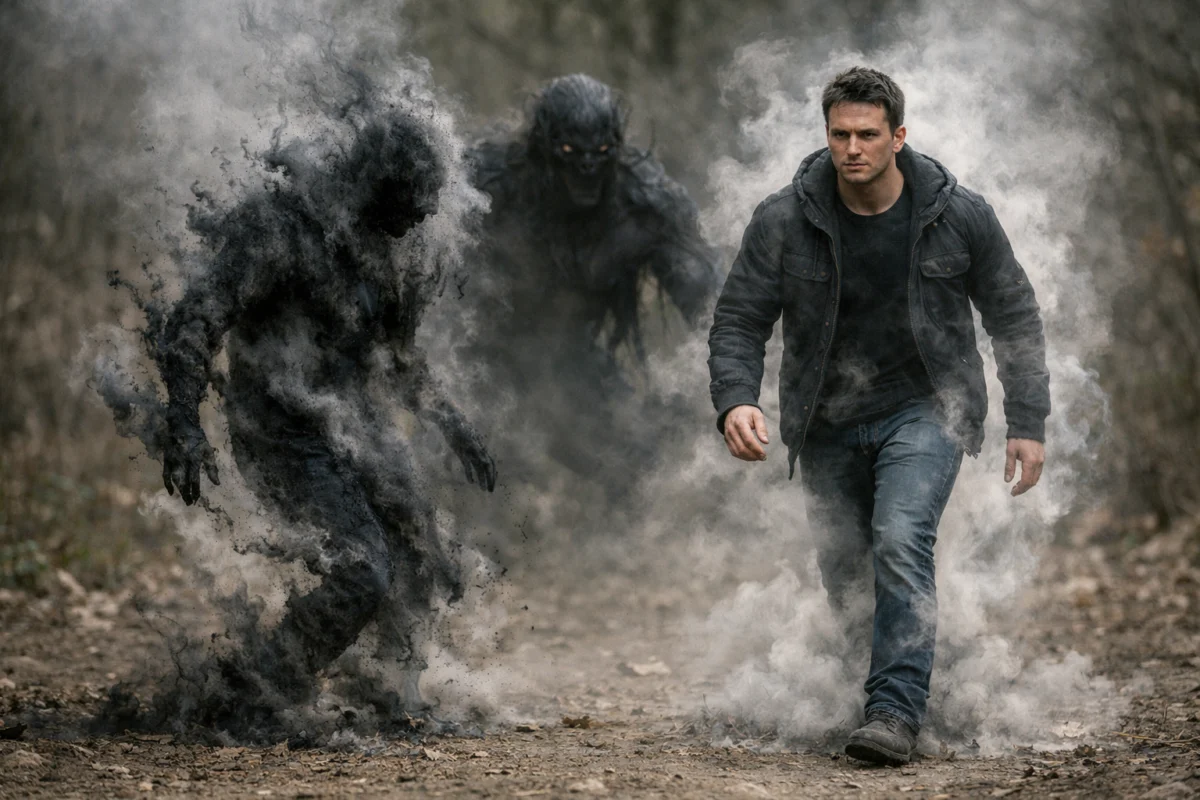
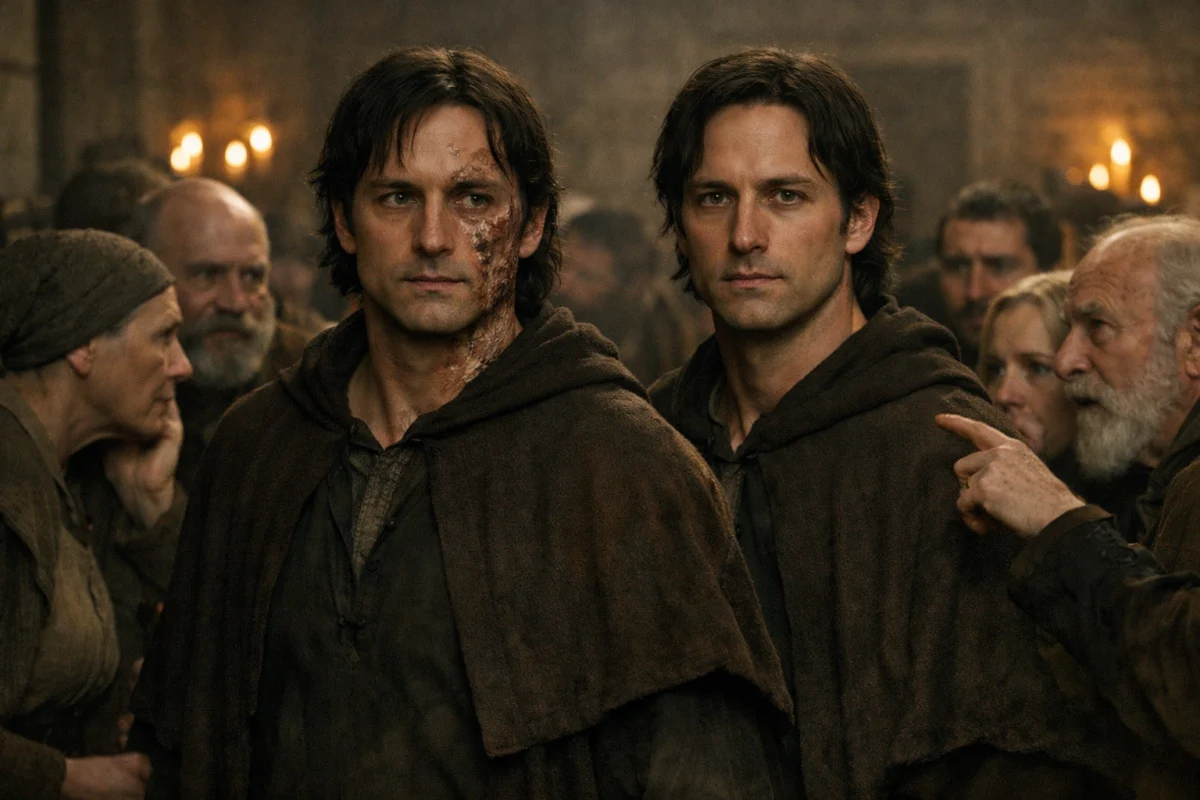
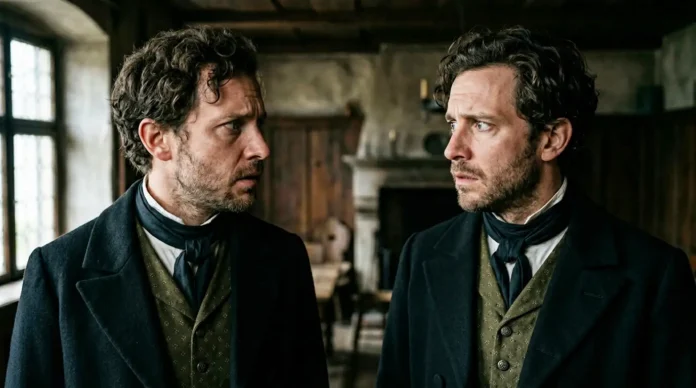
The doppelgänger is typically described as an exact copy of a living person, mirroring their appearance and mannerisms with uncanny precision. This likeness is often so perfect that it is indistinguishable from the original individual.
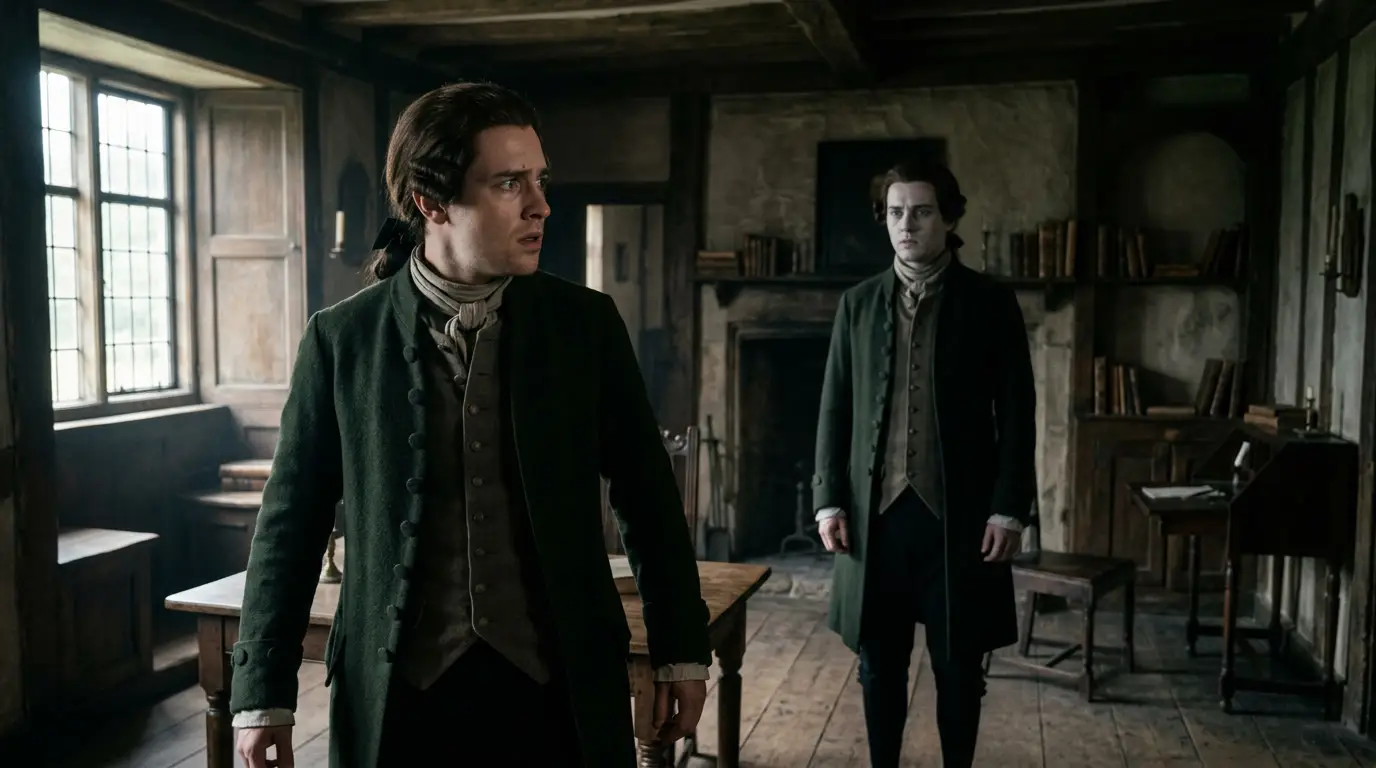
In folklore, the doppelgänger’s appearance is sometimes accompanied by a sense of unease or dread. This emotional response underscores this Supernatural phenomenon’s role as an ominous figure, often associated with foreboding events or misfortune.
Unlike other mythological creatures, the doppelgänger does not possess distinctive physical features or supernatural traits. Its power lies in its ability to replicate a person’s appearance and actions, creating confusion and fear among those who encounter it.
Despite its lack of unique characteristics, the doppelgänger’s perfect mimicry poses existential questions about identity and reality. This aspect of its appearance has made it a compelling subject in literature and art, where it often serves as a metaphor for internal conflict.
Background Story
The doppelgänger myth did not begin as a single named monster with one fixed origin story. It grew out of older European beliefs that a person could have a second self, a spirit-double, or a visible omen tied to fate, illness, or death.
In German-speaking culture, the modern word doppelgänger is relatively late: it was coined by Jean Paul in Siebenkäs in 1796. But the fear behind the word is older than the term itself, and belongs to a wider network of northern and western European traditions about doubles, apparitions, and soul-like counterparts.
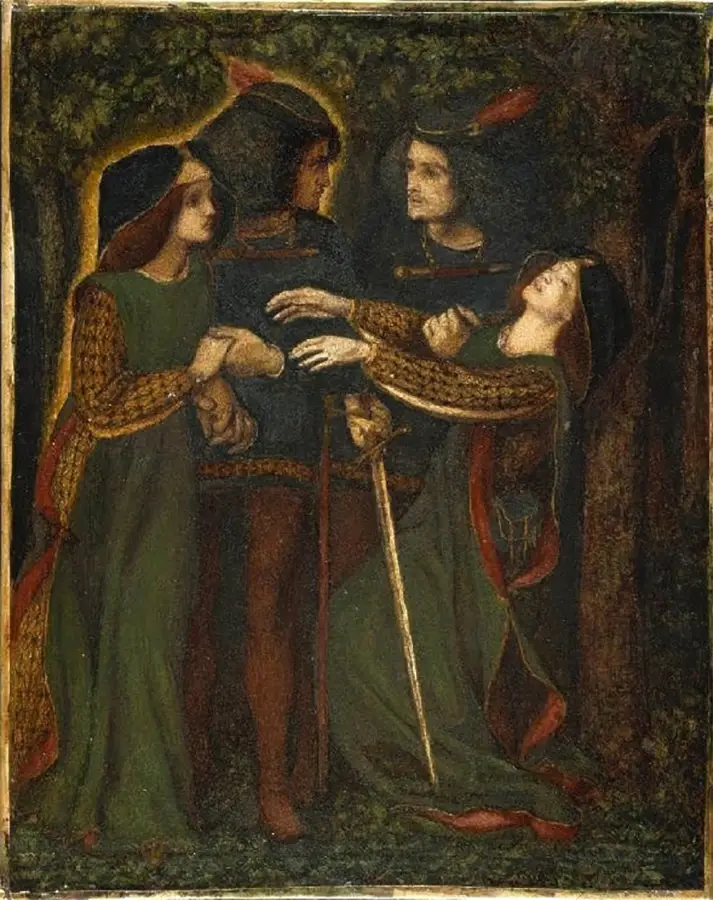
One major influence on the myth was the widespread folk idea that the human self was not entirely singular. Older traditions in Europe preserved beliefs in companion spirits, second bodies, or advance apparitions.
In Irish folklore, the fetch is a living person’s apparition and is often treated as a death omen. In Norse and Scandinavian tradition, the vardøger appears ahead of a person, imitating their arrival before they physically reach a place.
The related Norse fylgja is a spirit tied to a person’s fate or fortune. These traditions helped shape the cultural logic behind the doppelgänger: the self could split, arrive twice, or become visible outside the body. (Wikipedia)
The German doppelgänger also took shape during the late 18th and early 19th centuries, when Gothic and Romantic writers became fascinated with inner division, unstable identity, and the supernatural mind. In this period, the old folk belief in a double was transformed into a darker literary figure: not just a death omen, but a mirror of guilt, repression, fear, and divided personality.
That is why the doppelgänger stands halfway between folklore and literature. Its roots are in older supernatural traditions, but its most influential form was sharpened by German Romanticism and the Gothic double motif.
At the deepest level, the myth was born from a simple and powerful human anxiety: what if the self is not whole. Seeing one’s own face outside one’s own body turns identity into a threat.
That fear explains why doppelgänger traditions are so often linked with death, fate, or psychic collapse. The double is unsettling not because it is monstrous in shape, but because it looks exactly right while feeling profoundly wrong.
Famous Folklore Stories
A challenge with the doppelgänger tradition is that it has fewer fixed canonical folktales than creatures like werewolves or mermaids. Instead, it appears most often in recurring legend patterns: a person sees their own double, someone else sees that person in two places, or a ghostly copy arrives before death.
The strongest folklore material behind the doppelgänger comes from related European double traditions, especially the Irish fetch and the Scandinavian vardøger.
The Fetch Before Death
In Irish and Scottish belief, one of the best-known double legends is the fetch, the apparition of a living person. The tale pattern is simple and chilling: someone sees a friend or relative standing silently at a doorway, road, or bedside, only to learn that the real person is elsewhere, dying, or about to die.
In many versions, seeing the fetch at night is treated as a warning of death, while a daytime sighting may carry less fatal weight. These stories helped form the later doppelgänger idea of the double as an omen rather than a separate creature with its own mythology.
The Vardøger Who Arrives First
In Scandinavian folklore, the vardøger appears as a person’s advance double. A family hears familiar footsteps, a voice, or the opening of a door, and believes someone has come home, but the real person arrives only later.
Unlike the doppelgänger of later Gothic horror, the vardøger is not always evil. Still, the underlying story is deeply influential: a human presence can split from the body and appear on its own.
This legend type likely fed broader northern European ideas that identity could be duplicated, anticipated, or momentarily detached from the living self.
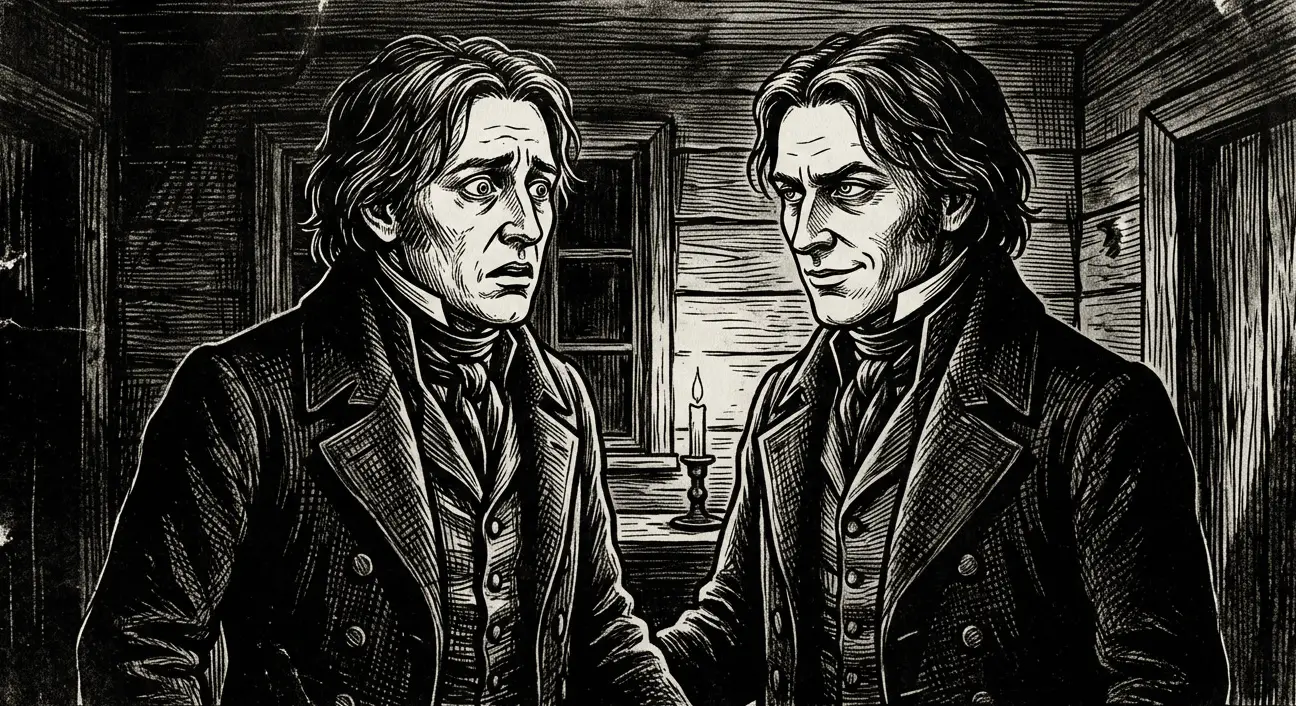
The Double That Mirrors the Self
By the early 19th century, older omen-stories about doubles were retold in Gothic form, where the double no longer merely warns of death but reflects an inner fracture. Writers and collectors drew on folk beliefs about second selves and apparition-doubles, turning them into stories where the encounter with one’s own likeness signals guilt, doom, or psychic division.
Catherine Crowe’s The Night-Side of Nature helped popularize such double narratives in English, while early Gothic discussions of the fetch and doppelgänger helped fix the image of the double as both supernatural omen and psychological mirror. Even when these versions became literary, they still carried the structure of older folklore: the self appears twice, and something is terribly wrong.
Cultural Impact
The concept of the doppelgänger has long fascinated cultures, often seen as an omen of bad luck or death. Historically, it was believed that seeing one’s double foretold a tragic fate.
In literature, doppelgängers have been used to explore themes of identity and duality. They often symbolize the internal conflict within a character, reflecting hidden desires or fears.
Modern interpretations of doppelgängers have expanded to include psychological analyses. Scholars view them as manifestations of the unconscious mind, representing repressed emotions or unresolved conflicts.
In popular culture, doppelgängers frequently appear in films and television, often as sinister figures. They embody the darker aspects of a character, challenging their sense of self.
Contemporary scholars also examine doppelgängers in the context of digital identities. The concept is used to explore how online personas can differ from real-world selves, creating modern doubles.
Similar Beasts
Fetch
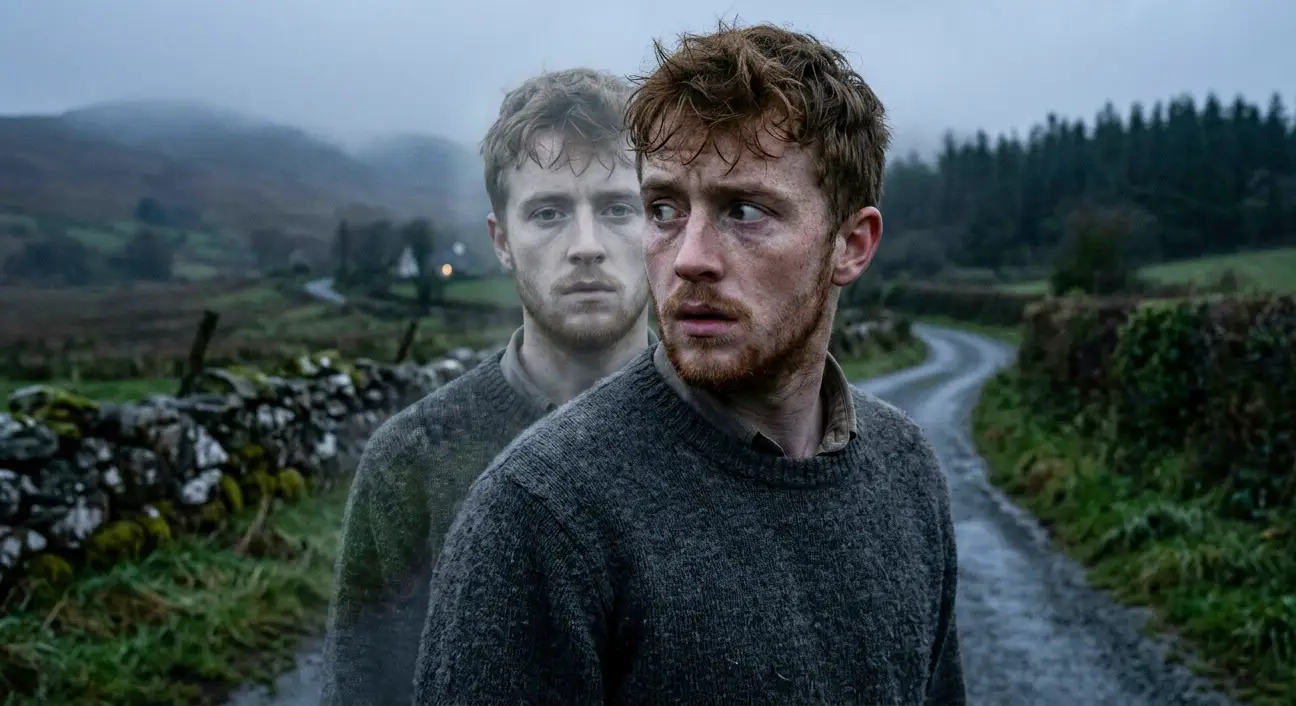
The fetch is a supernatural double from Irish folklore, closely related to the doppelgänger concept. It appears as the exact likeness of a living person and is often interpreted as a death omen.
According to traditional belief, seeing a person’s fetch shortly before nightfall could mean that person is near death. Unlike the German doppelgänger, the fetch appears more as a spectral apparition than a physical double interacting with the world.
Shadow Person
Shadow people are mysterious dark humanoid figures reported in modern folklore and paranormal traditions. Unlike a true doppelgänger, they do not replicate a specific individual’s appearance.
However, they share the unsettling idea of a human-like presence existing alongside the living world. Some interpretations describe shadow figures as alternate selves or entities linked to the observer’s consciousness, echoing the psychological themes found in doppelgänger stories.
Vardøger
The vardøger comes from Norwegian and Scandinavian folklore and represents a spiritual double that appears before the real person arrives. Witnesses might hear footsteps, voices, or see a figure entering a place moments before the actual person arrives.
Unlike the ominous doppelgänger, the vardøger is not usually associated with death or misfortune. Instead, it reflects the idea that a person’s presence or spirit can momentarily precede their physical body.
Fylgja
In Norse mythology, the fylgja is a spirit companion closely connected to a person’s fate or personality. It often appears in animal or human form and may be visible in dreams or visions.
While not an exact physical double like the doppelgänger, the fylgja represents another manifestation of a person’s inner nature or destiny, reflecting the ancient belief that identity could exist in multiple spiritual forms.
Ka
In ancient Egyptian belief, the ka was a spiritual double that accompanied every person throughout life and continued after death. The ka represented a vital life force and was often depicted as a twin-like aspect of the individual.
Although it was not a ghostly apparition roaming the living world, the ka illustrates an early cultural idea that a person possesses a second self or duplicate essence separate from the physical body.
doppelgänger compared to fetch and shadow person
| Aspect | doppelgänger | fetch | shadow person |
|---|---|---|---|
| appearance | A doppelgänger closely resembles a living person in physical form. | A fetch is a spectral double that appears to foretell death. | A shadow person is often seen as a dark figure without distinct features. |
| cultural significance | Doppelgängers are rooted in various cultural narratives about identity. | Fetches are significant in folklore as harbingers of doom. | Shadow people are often linked to sleep paralysis and fear experiences. |
| omen | The appearance of a doppelgänger is considered an ill omen. | Fetches are viewed as signs of impending death or misfortune. | Shadow people are typically associated with feelings of dread or anxiety. |
| behavior | Doppelgängers often provoke introspection and self-reflection in stories. | Fetches usually appear in tales of tragedy and loss. | Shadow people are often described as passive observers in encounters. |
| origin | The term doppelgänger comes from German folklore traditions. | Fetches have roots in Celtic mythology and beliefs. | Shadow people are part of modern urban legends and folklore. |
| mythology | Doppelgängers symbolize the duality of human nature in narratives. | Fetches serve as cautionary figures in cultural tales. | Shadow people represent the unknown and unexplained phenomena. |
Religion/Ritual
No verified sources describe specific rituals involving doppelgängers in ancient religious practices. The phenomenon is generally interpreted through folklore and cultural narratives rather than ritualistic contexts.
Some scholars suggest that doppelgängers might have been viewed as spiritual omens or messages. However, no direct evidence of religious ceremonies or rituals involving them exists in historical records.
Interpretations of doppelgängers in religious contexts often focus on their symbolic meanings. They may represent spiritual duality or the presence of an alternate self, but these remain speculative.
In modern spiritual practices, doppelgängers are sometimes discussed in terms of spiritual awakenings. Yet, these interpretations are contemporary and lack historical precedent.
The absence of direct religious rituals highlights the doppelgänger’s role as a cultural rather than religious symbol. Its significance lies in narrative and myth rather than documented spiritual practice.
Scientific or Rational Explanations
Some historians and anthropologists propose that doppelgänger sightings can be explained by psychological phenomena. Theories suggest that stress or fatigue might cause hallucinations of seeing one’s double.
Neurological conditions, such as epilepsy or migraines, are also considered possible explanations. These conditions can produce visual disturbances, potentially leading to doppelgänger-like experiences.
The concept of the doppelgänger is sometimes linked to the phenomenon of bilocation. This rare occurrence involves a person appearing in two places simultaneously, but scientific evidence remains limited.
Cognitive scientists explore the role of memory and perception in doppelgänger experiences. They suggest that misinterpretations of familiar faces can lead to the belief in doubles.
While various theories exist, no definitive scientific explanation fully accounts for doppelgänger phenomena. The blend of psychological, neurological, and cultural elements continues to intrigue researchers.
Modern Cultural References
Us, film, directed by Jordan Peele, 2019. This horror film explores the concept of doppelgängers through a family encountering their sinister doubles.
It delves into themes of identity and duality. IMDB
Modern References
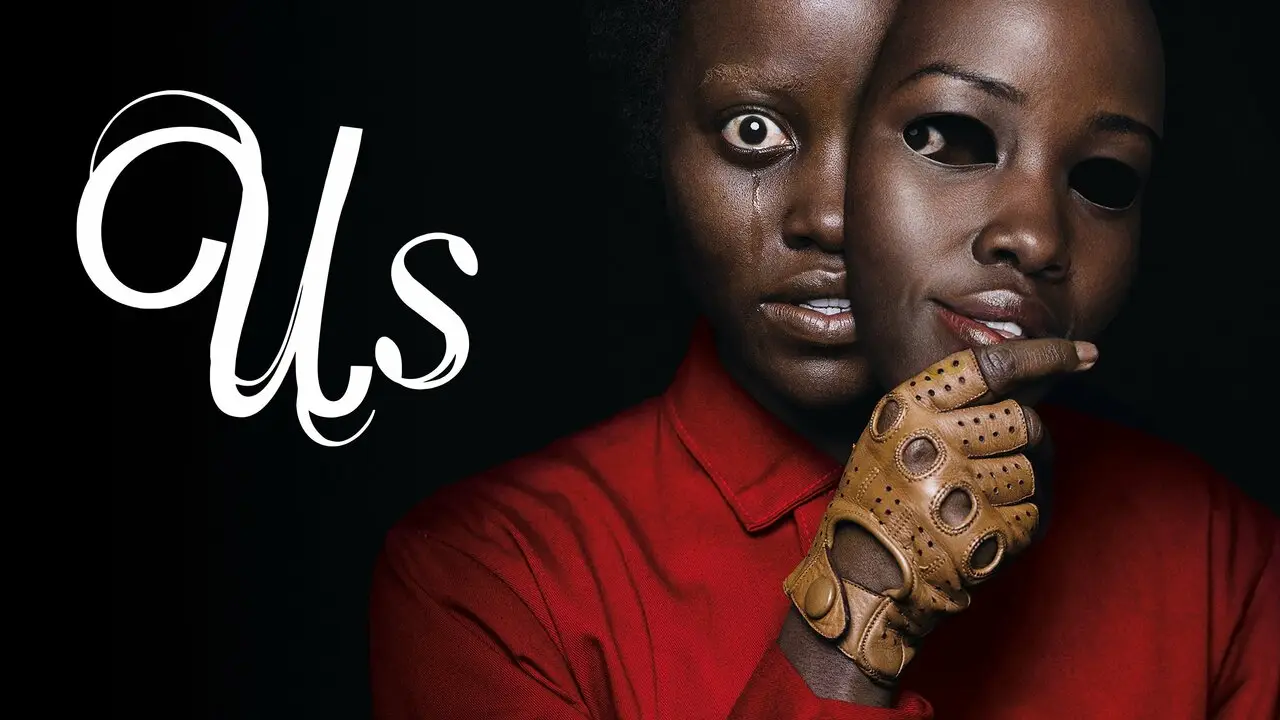
Us, film, directed by Jordan Peele, 2019.
This psychological horror film centers on a family confronted by their own sinister doubles.
The story explores identity, hidden selves, and social inequality through the unsettling appearance of identical counterparts known as “the Tethered.”
https://www.imdb.com/title/tt6857112/
The Double, novel, by Fyodor Dostoevsky, 1846.
One of the earliest literary explorations of the doppelgänger theme. The story follows a government clerk whose life collapses after encountering a confident and manipulative double who begins replacing him socially and psychologically.
https://www.britannica.com/topic/The-Double-novel-by-Dostoevsky
The Double (Le Double), short story, by Guy de Maupassant, 1887.
A psychological tale in which a man begins seeing his own double appearing around him, leading to paranoia and a loss of control over his identity.
The story reflects classic Gothic concerns about fractured identity.
https://www.gutenberg.org/ebooks/3090
The Duplicated Man, novel, by José Saramago, 2002.
This philosophical novel tells the story of a history teacher who discovers another man who looks exactly like him.
Their encounter triggers a tense struggle over identity, individuality, and the meaning of self.
https://www.goodreads.com/book/show/40461.The_Duplicated_Man
Enemy, film, directed by Denis Villeneuve, 2013.
Based on José Saramago’s The Duplicated Man, this psychological thriller follows a university professor who discovers an actor who is his exact double.
The film explores paranoia, subconscious fears, and fractured identity.
https://www.imdb.com/title/tt2316411/
Conclusion
The doppelgänger serves as a potent symbol in mythology and modern culture, representing the duality of human nature. It embodies the fear of the unknown and the unsettling idea of an identical self.
The concept has evolved over time, yet it continues to fascinate and terrify, reflecting our deepest insecurities and existential dilemmas.
Throughout history, the doppelgänger has appeared in various cultural narratives, each time highlighting the complexities of identity and self-perception. Its presence in folklore and modern media underscores the universal human concern with the nature of the self and the potential for inner conflict.
This mythological figure remains a powerful metaphor for the dual aspects of human nature.
Further Reading
Doppelgänger, Encyclopaedia Britannica
A reliable overview explaining the origins of the doppelgänger in German folklore and its later development in literature, psychology, and Gothic storytelling traditions.
https://www.britannica.com/art/doppelganger
Doppelgänger, Wikipedia
A broad reference article covering the historical roots of the concept, its German linguistic origins, and examples of doubles appearing in folklore, literature, and modern culture.
https://en.wikipedia.org/wiki/Doppelg%C3%A4nger
Fetch (Folklore), Wikipedia
Explains the Irish supernatural double known as the fetch, an apparition of a living person often interpreted as a sign of death or misfortune.
https://en.wikipedia.org/wiki/Fetch_(folklore)
Vardøger, Wikipedia
Describes the Scandinavian belief in a spiritual double that precedes a person’s arrival, performing their actions before they physically appear. This phenomenon influenced later doppelgänger interpretations.
https://en.wikipedia.org/wiki/Vard%C3%B8ger
The Gothic Double, British Library
An exploration of how the doppelgänger evolved into a central motif in Gothic literature, symbolizing divided identity, psychological conflict, and the darker side of human nature.
https://www.bl.uk/romantics-and-victorians/articles/the-gothic-double
The Night-Side of Nature, Catherine Crowe, 1848, Project Gutenberg
A classic Victorian work collecting supernatural accounts and folklore traditions, including discussions of apparition doubles and early doppelgänger narratives.
https://www.gutenberg.org/ebooks/54532
The Double in Literature and Psychology, JSTOR Daily
A scholarly discussion of how the doppelgänger motif reflects fears about identity, self-division, and the unconscious mind across literature, folklore, and modern psychological interpretation.
https://daily.jstor.org/the-psychology-of-the-double/