Introduction
Satyrs are mythical creatures from ancient Greek mythology, often depicted as part man and part beast. They are associated with the god Dionysus and known for their love of revelry and music.
Satyrs embody the untamed forces of nature.
These beings have captured the imagination of artists and writers throughout history. Their depiction varies across different sources, but they consistently represent the primal aspects of human nature.
Satyrs are often seen in the company of nymphs, participating in wild festivities.
In classical art and literature, satyrs are portrayed as playful yet mischievous creatures. They are frequently involved in myths that highlight their interaction with gods and mortals.
Their presence underscores themes of indulgence and chaos in mythology.
The satyr’s role in Greek mythology extends beyond mere entertainment. They symbolize the balance between civilization and nature, embodying both the joys and dangers of excess.
Their stories often serve as cautionary tales about the consequences of unchecked desires.
History/Origin
The origin of satyrs can be traced back to ancient Greek culture, where they were integral to Dionysian rituals. They are believed to have originated from the rural regions of Greece, symbolizing the untamed wilderness.
Satyrs were first mentioned in early Greek literature, including works by Hesiod and Homer. These texts depict them as rustic spirits associated with fertility and the natural world.
Over time, their portrayal evolved, integrating more complex characteristics.
In later periods, satyrs became more prominent in Greek art and theater. They often appeared in satyr plays, a form of tragicomedy performed at festivals.
These performances highlighted their humorous and chaotic nature, contrasting with the solemnity of tragedies.
Throughout antiquity, satyrs maintained their connection to Dionysian cults. They participated in celebrations dedicated to the god of wine, emphasizing their role in the joyous aspects of life.
Despite their playful demeanor, satyrs also represented the darker side of indulgence.
Name Meaning
The term “satyr” is derived from the Greek word “satyros,” though its exact etymology is uncertain. Some scholars suggest it may be linked to words meaning “wild” or “hairy,” reflecting their untamed nature.
In Roman mythology, satyrs were often conflated with fauns, similar creatures with goat-like features. This blending of myths led to variations in the depiction and interpretation of satyrs across different cultures.
Despite the variations in their name and appearance, satyrs consistently embody themes of nature and revelry. Their name has become synonymous with uninhibited celebration and the primal instincts of humanity.
The name “satyr” also appears in various literary works throughout history, solidifying their place in the mythological canon. Their enduring presence in culture highlights their symbolic significance in exploring human behavior.
Appearance
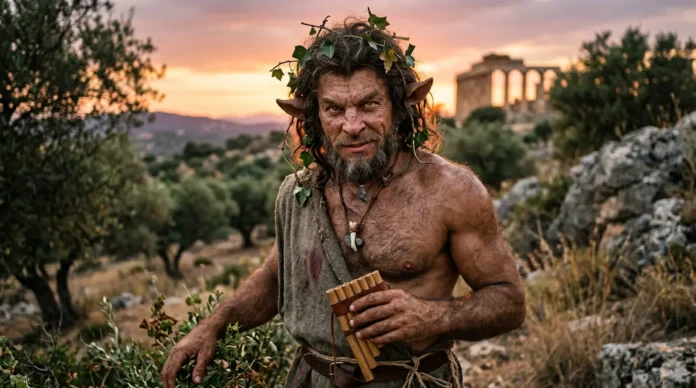
Satyrs in ancient Greek mythology were hybrid nature spirits combining human and animal traits. In the earliest Greek art of the Archaic and Classical periods, they were usually depicted as human-shaped males with horse-like ears and tails, shaggy hair, flattened noses, and exaggerated masculine features.
These early forms emphasized their wild and untamed character rather than a specific animal identity.
Unlike later popular images, early satyrs did not consistently possess goat legs. Many ancient vase paintings show them with human legs but equine features, such as long horse tails and pointed ears.
Over time, especially during the Hellenistic and Roman periods, satyrs gradually adopted goat characteristics through association with the rustic god Pan and Roman fauns. This transformation produced the familiar modern depiction of satyrs with goat legs, hooves, horns, and a tail.
Satyrs were almost always portrayed nude and highly animated, emphasizing physical vitality and animal energy. Their bodies were frequently shown in motion, dancing, playing the flute, or chasing nymphs.
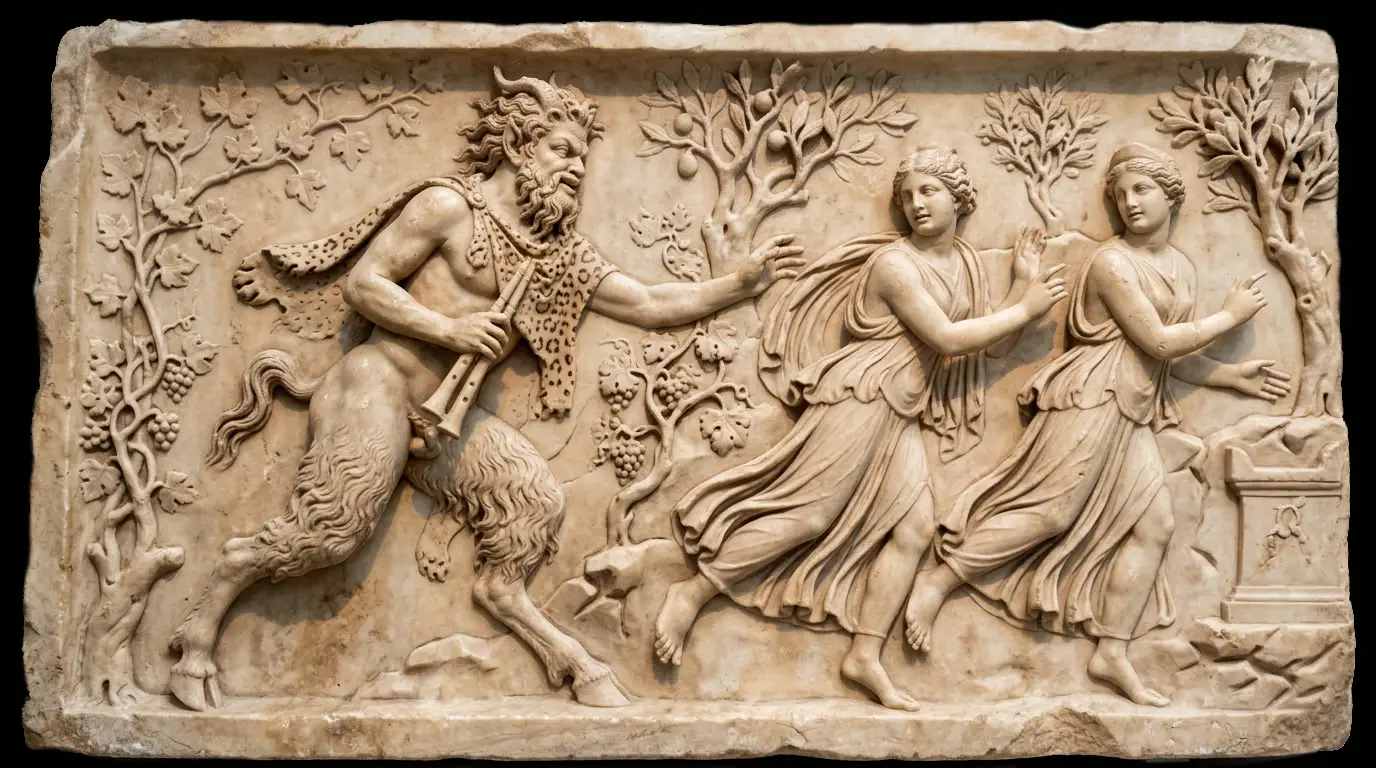
They often carried musical instruments such as the aulos, a double-reed flute strongly associated with Dionysian festivals.
Their facial features were deliberately exaggerated in Greek art. Artists gave them snub noses, pointed ears, thick beards, and unruly hair to distinguish them from civilized humans.
These visual traits symbolized their role as beings of instinct and wilderness rather than reason and order.
Despite the variations in appearance across centuries, the core image remained consistent: satyrs were part man, part beast, representing the boundary between civilization and the untamed forces of nature. Their hybrid form reflected the ancient Greek belief that the natural world possessed both beauty and dangerous, uncontrollable vitality.
Background Story
(Origins of the Myth and Cultural Environment)
The myth of the satyrs emerged from the religious and rural traditions of ancient Greece, particularly those surrounding the worship of Dionysus, the god of wine, fertility, ecstasy, and transformation. Dionysian cults celebrated the raw forces of nature through music, dance, intoxication, and ritual processions.
Satyrs were imagined as the wild male spirits who accompanied the god during these ecstatic celebrations.
Many scholars believe the satyr myth developed from earlier rustic nature spirits connected to fertility and the countryside. In rural communities dependent on agriculture, fertility of land, animals, and people was central to survival.
Satyrs embodied these forces through exaggerated sexuality, drunkenness, and constant movement, symbolizing the chaotic vitality of nature itself.
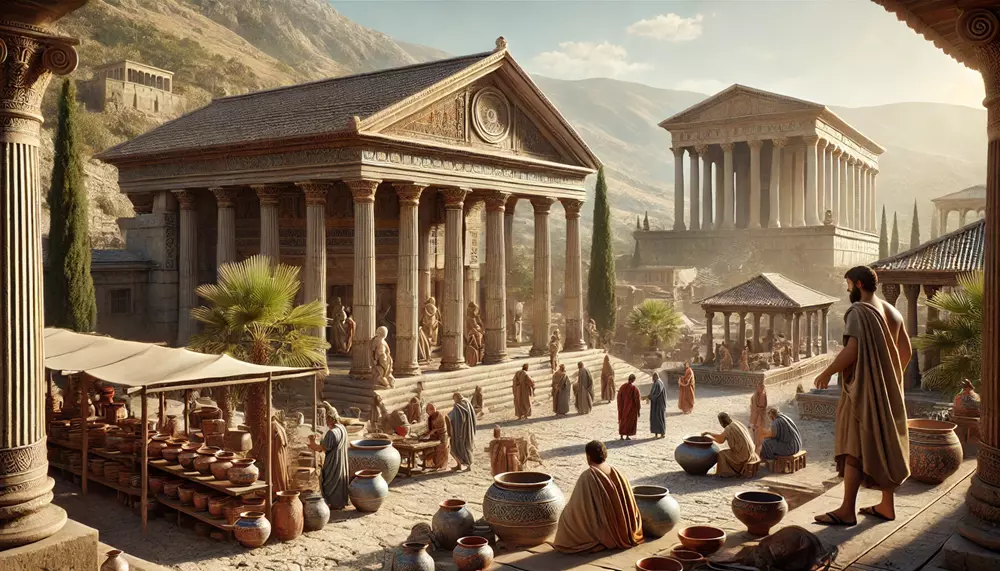
The emergence of satyrs also reflects the ancient Greek cultural contrast between civilization and wilderness. Greek cities represented order, law, and rationality, while forests and mountains were viewed as unpredictable spaces inhabited by spirits and gods.
Satyrs lived in these wild landscapes, woodlands, hillsides, and caves, where they roamed freely with Dionysus and the Maenads, his ecstatic female followers. Their stories illustrated what happens when human restraint disappears and instinct takes control.
The development of Greek theatre further strengthened the satyr tradition. During major religious festivals such as the City Dionysia, playwrights presented tragedies followed by a comedic “satyr play.”
These performances featured choruses of satyrs who mocked heroic myths through humor, dance, and crude jokes. Some historians suggest that these theatrical traditions may preserve even older ritual celebrations connected to Dionysian worship.
Several mythological figures helped shape the satyr tradition. Characters such as Silenus, the wise elder companion of Dionysus, and Marsyas, the satyr who challenged Apollo in a musical contest, reinforced the idea that satyrs were both talented and reckless.
These myths portrayed them as creatures capable of great artistic ability but also prone to arrogance and excess.
Ultimately, the satyr myth arose from a cultural attempt to personify the dangerous, fertile, intoxicating power of nature. They embodied the instincts humans share with animals, desire, celebration, and impulse, while also serving as a reminder that these forces must be balanced with order and restraint.
Famous Folklore Stories
The Capture of Silenus
In one famous tale, Silenus, a wise and elderly satyr, was captured by King Midas. According to “The Histories” by Herodotus, Midas returned him to Dionysus, who granted Midas a wish.
This story highlights satyrs’ association with Dionysus and their role in mythological narratives.
Silenus, often depicted as a mentor to Dionysus, represents the wisdom and folly of satyrs. His capture and subsequent release underscore themes of hospitality and reward in Greek mythology, illustrating satyrs’ complex nature.
The Satyr and the Traveler
Another tale involves a satyr encountering a cold traveler. The traveler blew on his hands to warm them, and later blew on his soup to cool it.
Confused, the satyr accused him of duplicity, highlighting satyrs’ suspicion of human behavior.
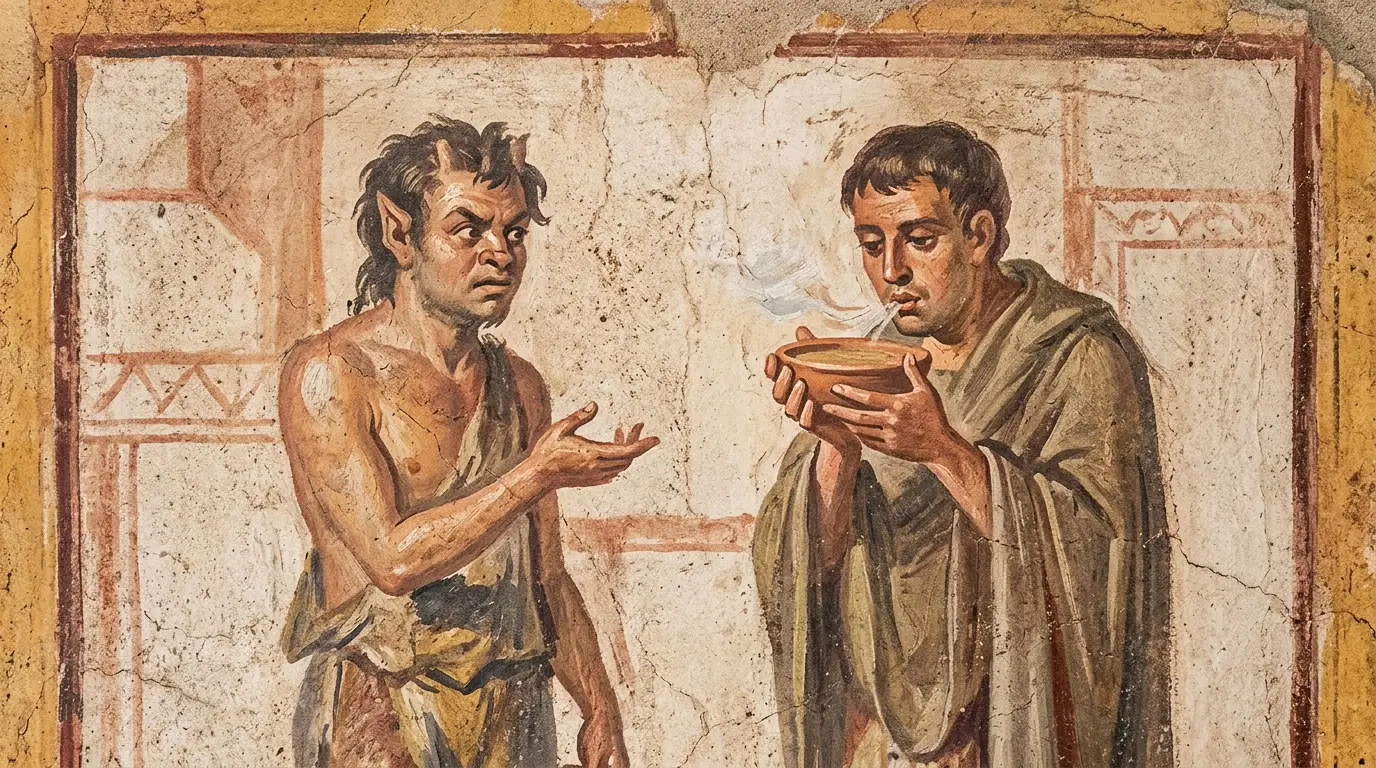
This story, often attributed to Aesop’s fables, emphasizes the satyr’s straightforwardness and distrust of human contradictions. It illustrates the satyr’s role as a figure that questions and challenges human logic.
The Satyr and the Nymphs
In Greek mythology, satyrs frequently pursued nymphs, embodying untamed nature. In “Daphnis and Chloe” by Longus, satyrs attempt to abduct nymphs but are thwarted by divine intervention.
This story underscores satyrs’ wild and impulsive characteristics.
The narrative highlights the tension between civilization and nature, with satyrs representing primal instincts. Their interactions with nymphs often serve as cautionary tales about unchecked desires and the consequences of indulgence.
Cultural Impact
Historically, satyrs symbolized untamed nature and hedonism. In ancient Greece, they were often depicted in art and literature as companions of Dionysus, embodying the spirit of revelry and chaos.
Satyrs were integral to Dionysian festivals.
These creatures were featured in satyr plays, a form of ancient Greek drama that combined tragedy with comedic elements. Their presence in these plays highlighted their role as figures of humor and folly, providing comic relief in serious narratives.
In modern interpretations, satyrs are often seen as symbols of the duality of human nature, representing both the civilized and primal aspects. Scholars view them as reflections of societal attitudes towards nature and instinct.
Contemporary portrayals of satyrs in media emphasize their mischievous and carefree nature. They appear in literature, films, and games, often as whimsical or comic figures, maintaining their association with music and revelry.
Overall, satyrs continue to captivate the imagination, embodying the eternal tension between civilization and nature. Their enduring presence in culture highlights their significance as symbols of freedom and indulgence.
Satyr vs Faun Comparison
Satyrs and fauns are closely related but not identical. The satyr is the older Greek figure, rougher and more chaotic, while the faun is the Roman woodland counterpart that later became more goat-like and more gentle in tone.
Over time, art and literature blended them so heavily that modern audiences often treat them as the same being.
| Subject | Satyr | Faun |
|---|---|---|
| Mythology Source | Primarily Greek mythology | Primarily Roman mythology |
| Main Divine Association | Strongly linked to Dionysus, wine, ecstasy, festivity, and wild revelry | More closely linked to Faunus and later also influenced by Pan |
| Earliest Classical Identity | Older Greek rustic spirit with wild, chaotic, sensual behavior | Roman woodland spirit type, more pastoral and localized in Roman religion |
| Typical Early Appearance | In early Greek art, often more horse-like: horse ears, tail, rough human-animal hybrid traits | More commonly understood in later tradition as goat-like, with hooves, small horns, and rustic woodland look |
| General Personality | Lustful, drunken, noisy, impulsive, comic, sexually aggressive, and chaotic | Gentler, calmer, more playful or pastoral, though still wild and connected to instinct |
| Role in Myth | Companion of Dionysus, part of revels, chases nymphs, appears in satyr plays and warning myths like Marsyas | Woodland nature being, often less central in dramatic myths and more symbolic of forests, rustic life, and Roman nature lore |
| Tone in Art and Literature | Often exaggerated, comic, vulgar, energetic, and disorderly | Often softer, prettier, more romanticized, especially in later European art and literature |
| Modern Popular Image | Frequently blended with the faun, but still tied more to Greek myth and Dionysian chaos | Became the cleaner, more elegant half-goat woodland figure in later fantasy and modern culture |
Similar Beasts
Silenus
Silenus is the closest mythological relative to the satyr in Greek tradition. He belongs to the same Dionysian world of wine, revelry, and rustic wildness, but he is usually portrayed as older, heavier, and wiser than the younger satyrs.
In myth and art, Silenus often appears as a drunken yet prophetic companion and tutor of Dionysus, giving him a more senior and symbolic role within the same mythic family.
Puck
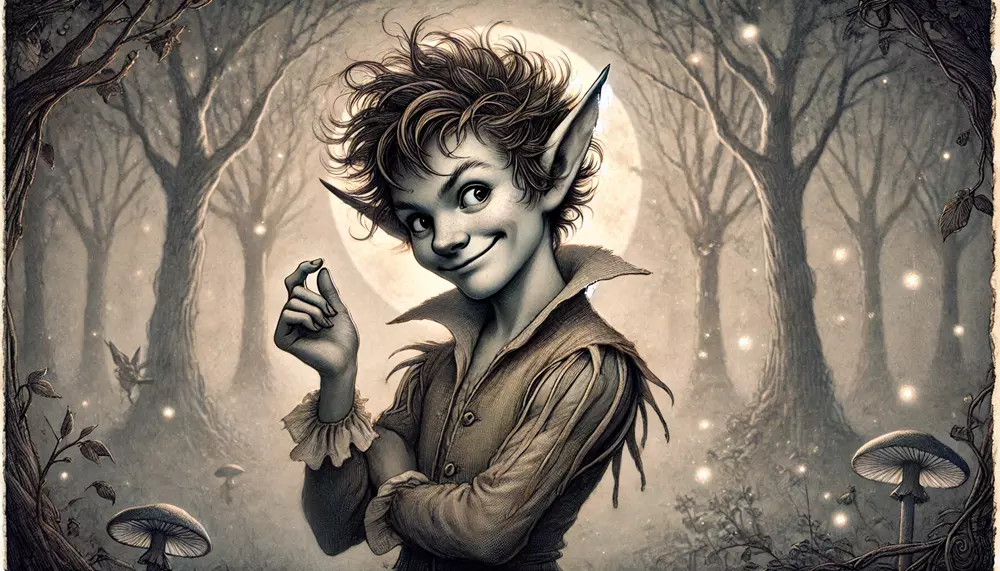
Puck comes from English folklore rather than classical mythology, but he shares the satyr’s mischievous energy and strong connection to the untamed side of nature. Unlike the sensual and Dionysian satyr, Puck is a fairy or hobgoblin figure associated with trickery, pranks, and magical disruption.
Both figures blur the line between playfulness and danger, though Puck belongs more to fairy lore than to fertility or revelry traditions.
Pan
Pan is one of the most important Greek figures related to satyrs. He is a rustic god of the wild, shepherds, flocks, and woodland music, and in later art he shares many goat-like features with satyrs.
While satyrs are usually part of a larger Dionysian retinue, Pan stands as a divine figure in his own right.
He resembles them in appearance and instinctive energy, but his status is higher and more godlike.
Púca
The Púca is a shape-shifting being from Irish folklore, known for its wild, unpredictable nature and its close connection to uncultivated landscapes. Like the satyr, it stands at the edge of the human world and the natural world, embodying mischief, danger, and freedom from social rules.

The main difference is that the Púca belongs to Celtic fairy tradition rather than Greek myth, and it is more strongly associated with transformation, omens, and supernatural trickery than with revelry or Dionysian excess. Both figures, however, reflect the idea that nature is alive, unstable, and never fully under human control.
Leshy
The Leshy of Slavic mythology is a forest spirit who protects and rules the wilderness. Like satyrs, he is linked to uncultivated natural spaces and can behave in unpredictable, playful, or threatening ways.
The main difference is tone: satyrs are usually tied to pleasure, lust, and festivity, while the Leshy is more directly connected to the mysteries and dangers of the forest itself. Both represent nature as something alive, powerful, and not fully under human control.
Curupira
Curupira, from Brazilian folklore, is another strong cross-cultural parallel. He is a forest being tied to wilderness, known especially as a protector of the forest against hunters and human abuse.
Unlike satyrs, Curupira is not a reveler or Dionysian companion, but both figures reflect a belief that wild landscapes are inhabited by supernatural beings with their own will and power. Curupira represents the protective and punitive side of nature, while satyrs embody its sensual and unruly side.
Religion/Ritual
Satyrs were closely linked to the worship of Dionysus in ancient Greece. They participated in rituals and festivals celebrating the god of wine and revelry.
These events often involved music, dance, and theatrical performances.
One prominent festival was the Dionysia, where satyr plays were performed. These plays combined elements of tragedy and comedy, reflecting satyrs’ dual nature.
Satyrs’ presence in these rituals emphasized their role as symbols of chaos and revelry.
No verified sources describe specific rituals solely dedicated to satyrs. They were primarily participants in broader Dionysian celebrations, highlighting their connection to the god and the themes of indulgence and ecstasy.
Some scholars suggest that satyrs’ association with fertility and nature may have influenced agricultural rituals. However, no direct evidence supports this, and such connections remain speculative without concrete historical sources.
Scientific or Rational Explanations
Historians and anthropologists have explored satyrs’ origins, suggesting they may represent human attempts to personify nature’s wild aspects. Satyrs embody the untamed and instinctual elements that contrast with civilized society.
Some theories propose that satyrs were inspired by ancient encounters with nomadic tribes or wild animals. These experiences might have been mythologized into creatures embodying both human and animal traits, reflecting cultural perceptions of the unknown.
Another hypothesis suggests satyrs symbolize human desires and fears, serving as cautionary figures. Their hedonistic behavior warns against excess and indulgence, reflecting societal concerns about maintaining balance between nature and civilization.
Modern scholars view satyrs as archetypes representing humanity’s complex relationship with nature. They embody both the allure and danger of unrestrained freedom, offering insight into historical attitudes towards instinct and control.
Overall, while satyrs’ exact origins remain speculative, they continue to symbolize the tension between human nature and societal norms. Their enduring presence in mythology and culture highlights their significance as reflections of human identity.
Modern Cultural References
Pan’s Labyrinth, film, directed by Guillermo del Toro, 2006. This dark fantasy film features a faun, often confused with a satyr, who guides a young girl through a mythical world. IMDB
The Chronicles of Narnia: The Lion, the Witch and the Wardrobe, film, directed by Andrew Adamson, 2005. Mr. Tumnus, a faun, plays a pivotal role in guiding the Pevensie children in Narnia. IMDB
Hercules: The Legendary Journeys, TV series, created by Christian Williams, 1995-1999. Satyrs appear in various episodes, often depicted as mischievous creatures causing trouble for Hercules. IMDB
God of War, video game, developed by Santa Monica Studio, 2005. Satyrs are enemies in this action-adventure game, reflecting their mischievous and combative nature from mythology. Official Site
Percy Jackson & the Olympians: The Lightning Thief, novel, written by Rick Riordan, 2005. Grover Underwood, a satyr, assists Percy on his quest, showcasing satyrs as loyal companions. Official Site
Conclusion
Satyrs have long been emblematic of the untamed and instinctual side of human nature. Their presence in mythology serves as a reminder of the balance between civilization and the natural world.
Often depicted as mischievous and indulgent, satyrs embody the joy and chaos found in nature.
In modern culture, satyrs continue to captivate audiences, appearing in various media forms. They symbolize the timeless allure of mythological creatures that challenge societal norms.
Satyrs remain a testament to humanity’s enduring fascination with the mythical and the wild.
Further Reading
Satyrs (Satyroi) in Greek Mythology, Theoi Project
A detailed academic-style resource explaining the origins, appearance, and myths of satyrs and their connection to Dionysus, nymphs, and ancient Greek religion.
https://www.theoi.com/Georgikos/Satyroi.html
Satyr and Silenus, Encyclopaedia Britannica
Overview of satyrs and related figures such as Silenus, including their role in Greek mythology, evolution of their appearance, and connection with Dionysian cult traditions.
https://www.britannica.com/topic/Satyr
Satyrs, Ancient World Magazine
An article examining Graeco-Roman satyrs, their symbolism, and their connection to wine rituals, theater, and fertility beliefs in ancient Mediterranean cultures.
https://www.ancientworldmagazine.com/articles/satyrs-sileni-fauns-lustful-graeco-roman-spirits-of-nature/
Satyr Play, Wikipedia
Explains the theatrical genre of satyr plays performed during Dionysian festivals and how these comedic performances shaped the cultural image of satyrs in Greek society.
https://en.wikipedia.org/wiki/Satyr_play
Satyr, Wikipedia
Comprehensive entry covering the mythological background, artistic depictions, and historical evolution of satyrs from horse-like spirits in early Greece to goat-legged beings in later tradition.
https://en.wikipedia.org/wiki/Satyr
Dionysus and His Retinue, Theoi Project
Detailed overview of the companions of Dionysus, including satyrs and maenads, exploring their roles in myth, religious rituals, and ancient artistic representations.
https://www.theoi.com/Olympios/Dionysos.html
Satyrs in Greek Mythology, GreekMythology.com
Accessible explanation of satyrs’ characteristics, myths, and symbolic meaning in ancient Greek culture, emphasizing their connection to nature, music, and Dionysian celebrations.
https://www.greekmythology.com/Myths/Creatures/Satyrs/satyrs.html