
back to top

Native American

Native American mythology embodies interconnectedness with nature and spiritual realms, reflecting a worldview of harmony and balance in existence.

Relevant Beasts
Native American
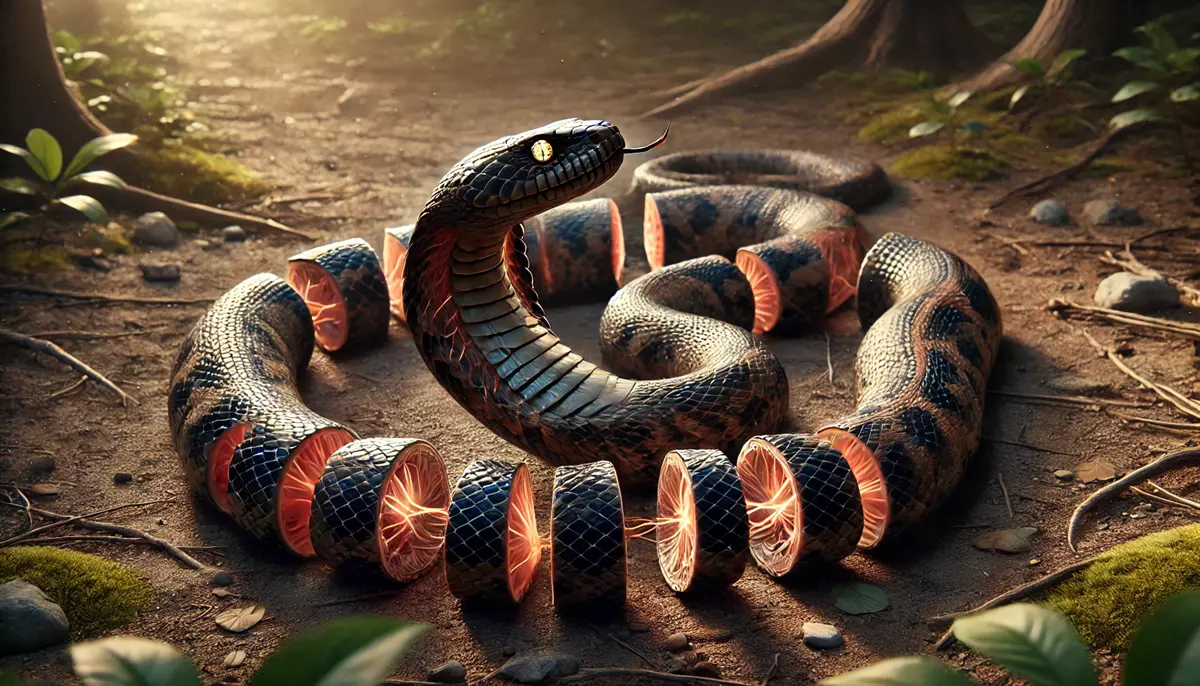
Serpentine Shifter
Joint Snake
Native American

Joint Snake

A mysterious serpent from North American folklore, the Joint Snake is known for its ability to reassemble itself after...
  • Skills
Enhanced AgilityHealing & Life
  • Weaknesses
BeheadingElement Sensitivities
Native American
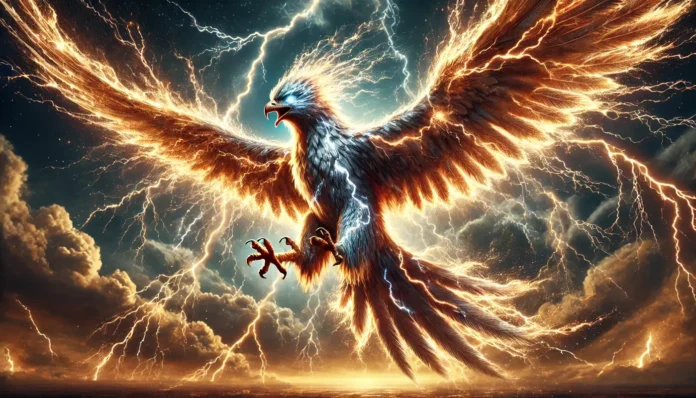
Giant Bird
Thunderbird - Native American Folklore
Native American

Thunderbird

The Thunderbird, a powerful symbol of storms and divine wrath, is a legendary bird from North American Indigenous cultures....
  • Skills
Lightning SummoningPhysical Strength
  • Weaknesses
Lightning DamageWind Impact
Mississippian
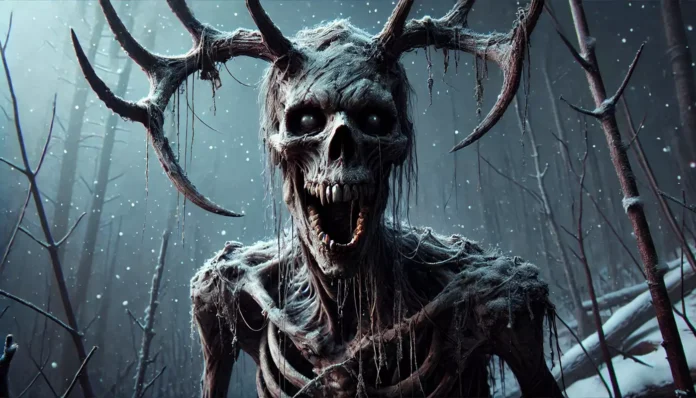
Flesh-Eating Undead
Wendigo - North American folklore
Mississippian

Wendigo

The Wendigo, rooted in Algonquian folklore, embodies insatiable greed and cannibalism. Depicted as a gaunt, emaciated figure with...

  • Skills
Cold ResistanceEnhanced Stamina
  • Weaknesses
Blessed WeaponFire Vulnerable

Native American – an Overview

Native American cultures encompass a vast array of indigenous peoples across North America. Their mythological and cultural frameworks are deeply rooted in diverse ecological and historical contexts. Each tradition is distinct, reflecting unique geographical and temporal developments. These traditions often incorporate a profound connection to nature and emphasize oral storytelling, resulting in a rich tapestry of myths and beliefs. This overview will examine the foundational aspects of Native American mythological and cultural frameworks, providing insights into their historical and ecological roots.

Historical and Environmental Context

Time Frame and Location

Native American cultures primarily thrived across North America before European contact. Evidence suggests human presence dating back thousands of years. Their geographic span includes varied environments, from forests to plains and deserts. This diversity influenced cultural practices and mythologies, fostering distinct traditions. The specific dating of these cultures varies widely, reflecting archaeological findings and environmental adaptations.

Contact and Cultural Exchange

Historically, Native American cultures experienced both isolation and interaction. Trade networks facilitated exchanges of goods and ideas, influencing mythological and cultural developments. However, isolation in certain regions preserved unique traditions. European contact introduced new dynamics, often disrupting traditional structures. Historical records show varying degrees of influence and resistance, shaping the cultural narratives over time.

Mythological Framework

Worldview and Cosmological Concepts

Native American cosmologies often emphasize interconnectedness with nature. Many cultures view the world as a living entity, with humans as integral components. This worldview fosters a holistic understanding of existence, where everything possesses spiritual significance. Cosmological structures vary, but they commonly reflect a cyclical view of life, emphasizing renewal and balance.

Spiritual or Supernatural Categories

Native American beliefs encompass a range of spiritual entities, including spirits, ancestors, and deities. These entities often embody natural forces or elements. Unlike hierarchical pantheons, many traditions feature fluid spiritual categories, reflecting the dynamic interplay between humans and the supernatural. This approach underscores a profound respect for all life forms and their spiritual significance.

Folklore and Narrative Tradition

Recurring Mythological Themes

Native American folklore frequently explores themes of creation, transformation, and moral lessons. Stories often convey ethical principles through symbolic narratives. Animals play significant roles, embodying traits or lessons. Such myths serve as educational tools, reinforcing cultural values and transmitting essential knowledge across generations. This narrative tradition is vital for cultural continuity and identity.

Transmission and Preservation

Oral tradition is paramount in preserving Native American myths. Storytellers ensure the transmission of knowledge across generations. Material culture, such as art and artifacts, also supports preservation efforts. These methods adapt to changing contexts while maintaining core cultural narratives. Despite challenges, these traditions persist, reflecting resilience and adaptability.

Mythological Beasts and Non-Human Entities

Thunderbird

The Thunderbird is a prominent figure in many Native American traditions, particularly among Plains and Pacific Northwest tribes. It embodies power and protection, often associated with storms. Its mythological presence underscores the cultural emphasis on natural forces. Misclassification would obscure its significance within Native American cosmology, where it serves as a symbol of strength.

Symbolic Roles of Creatures and Forces

Creatures like the Thunderbird symbolize natural phenomena, embodying specific societal roles. They often function as mediators between humans and nature, reflecting cultural values. Such symbols reinforce community cohesion and serve educational purposes. By understanding these roles, one gains insights into the cultural principles guiding Native American societies.

Internal Variation and Temporal Change

Significant variation exists within Native American mythologies, reflecting diverse tribal contexts. Regional differences influence mythological narratives, mirroring ecological and social factors. Over time, these traditions adapt to external influences and internal developments. Continuity persists, yet new interpretations emerge, demonstrating cultural dynamism and resilience.

Related Cultural Origins and Myth Sources

Comparative studies reveal links between Native American myths and those of other indigenous groups across the Americas. Shared symbols and themes suggest historical cultural exchanges. However, unique adaptations highlight distinct environmental and social contexts. Understanding these connections enhances the appreciation of cultural diversity and historical interactions.

Evidence Limits and Scholarly Uncertainty

Gaps in evidence challenge the comprehensive understanding of Native American mythologies. Archaeological and textual limitations hinder full reconstruction. Scholarly disagreement persists regarding interpretations and classifications. Uncertainty often arises from incomplete records and varied oral traditions. No verified sources describe certain contexts, necessitating caution in analysis.