
South America
South America reflects a rich tapestry of interconnected myths and spiritual beliefs, emphasizing harmony with nature and ancestral wisdom.
Relevant Beasts
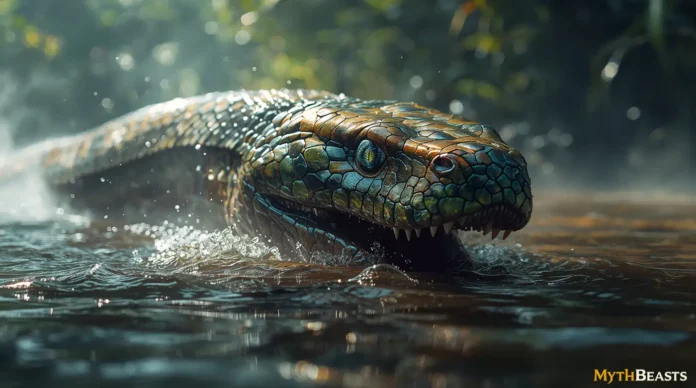
Yacumama is an Amazonian water serpent from Indigenous folklore, classified as a supernatural guardian of rivers.
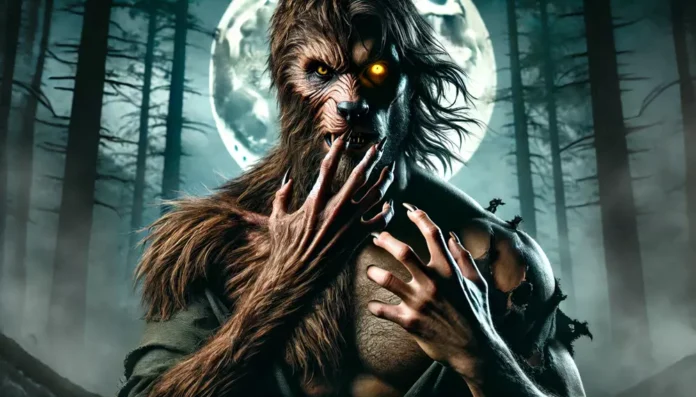
A werewolf-like creature cursed to transform during full moons, the Lobisón is feared in Spanish folklore in the name...
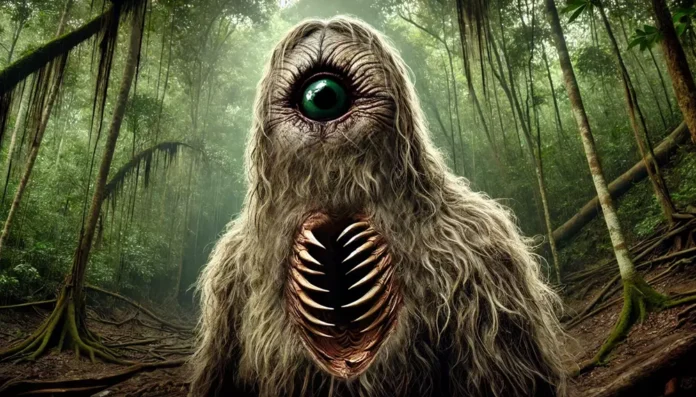
A large, sloth-like creature from Amazonian legend, known to emit a foul stench that incapacitates its prey.
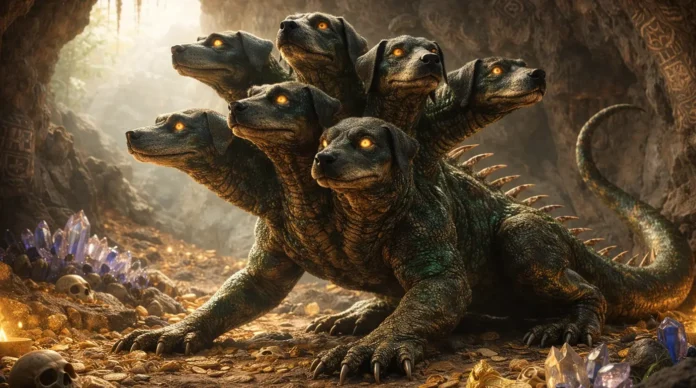
A Paraguayan serpent with seven dog-like heads, guarding treasure and emitting poisonous breath.
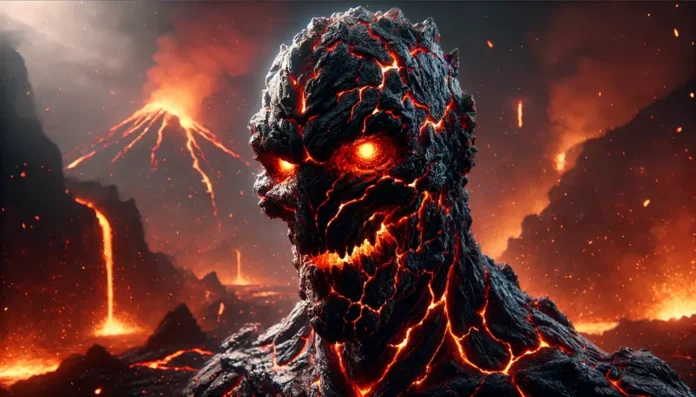
A volcanic creature from Chilean lore that feeds on humans and causes eruptions.

Iara is a Brazilian water nymph who can enchant and lure humans into the water, sometimes to protect and...
Sub Categories
Afro-Bolivian
Afro-Bolivian culture, active since 1825, is known for preserving African traditions within Bolivian folklore and spirituality. Afro-Bolivian rituals and myths include ancestral spirits and deities, honored through music, dance, and festivals.These practices continue to shape Bolivia’s cultural identity, celebrating Afro-Bolivian contributions to national heritage.
Afro-Latin American
Afro-Latin American culture, emerging in the Colonial Period, encompasses African spiritual traditions blended with Indigenous and European influences. African deities, ancestor worship, and music have shaped regional folklore and spirituality.This cultural identity continues to thrive, particularly in religious practices like Santería and Candomblé, which honor African roots within a Latin American context.
Afro-Peruvian
Afro-Peruvian culture, from 1821 to the present, maintains African spiritual practices blended with Indigenous and Catholic influences. Afro-Peruvian myths often include deities and spirits unique to African roots, preserved through music and dance.These traditions play a significant role in Peru’s cultural landscape, honoring a rich Afro-Latin American heritage.
Amazon
In myth and folklore, the Amazon represents a group of warrior women known for their strength and independence. They are often depicted as living in societies separate from men, emphasizing matriarchal themes. The Amazon myth likely originated from ancient Greek sources, reflecting historical encounters with warrior cultures. Their geographical context is broadly associated with regions near the Black Sea and Scythia.The Amazon's influence on mythological traditions extends through their representation of female empowerment and martial prowess. They challenge traditional gender roles, offering alternative narratives of power dynamics. The Amazon has inspired various artistic and literary works, contributing to discussions on gender and societal structures. Their enduring legacy is reflected in contemporary interpretations and adaptations across cultures.
Argentina
Argentina, from its independence in 1816 to today, has a diverse cultural heritage shaped by Indigenous, European, and Afro-Latin influences. Argentine folklore includes gaucho myths and spirits of the Pampas, as well as Indigenous legends from the Andean region.Modern Argentine identity continues to embrace these blended traditions, reflected in national festivals, storytelling, and regional customs.
Aymara
The Aymara people, present from pre-colonial times to today in the Andes, hold a mythology rooted in the worship of Pachamama (Mother Earth) and Inti (Sun God). Their spiritual practices emphasize harmony with the land and cycles of nature.Aymara myths and rituals continue to be central to their identity, with ceremonies that honor ancient beliefs and cultural traditions.
Bolivia
Bolivia, independent since 1825, is rich in Indigenous heritage, particularly Aymara and Quechua traditions. Bolivian mythology includes Pachamama and other deities connected to the earth and mountains, integral to Andean spirituality.Today, Bolivian festivals and rituals honor this deep-rooted mythology, preserving Indigenous beliefs and customs.
Brazil
Brazil's mythological landscape is rich, reflecting its diverse cultural history and indigenous roots. The country's folklore combines indigenous, African, and European influences, creating a unique tapestry of beliefs.Geographically, Brazil's vast landscapes, from rainforests to rivers, shape its myths. These narratives often reflect the natural environment's significance, emphasizing harmony with nature and cultural identity.
Caquetio
The Caquetio people, active from 1000 CE to 1500 CE in present-day Venezuela, are known for their complex social structures and spiritual practices. Their mythology included deities associated with the sea and nature, integral to their coastal lifestyle.Caquetio myths and traditions reflect a unique worldview that connected them deeply to their environment.
Caral
The Caral civilization, active from 3000 BCE to 1800 BCE, is the oldest known civilization in the Americas, known for monumental pyramidal structures and ceremonial sites. Caral society likely engaged in rituals related to nature, water, and agriculture.This culture's architectural achievements and spiritual legacy laid foundational beliefs for later Andean civilizations.
Caral-Supe
The Caral-Supe civilization, thriving from 3500 BCE to 1800 BCE in coastal Peru, is the oldest known civilization in the Americas. Caral-Supe’s architecture includes large pyramidal structures and plazas, likely used for ritualistic purposes tied to early deities.Artifacts from Caral-Supe reflect a society that honored natural elements, particularly water, as central to life. This civilization’s influence on Andean spirituality endures, with echoes in later Peruvian mythologies.
Chachapoya
The Chachapoya, known as the 'Warriors of the Clouds,' thrived from 900 CE to 1470 CE in northern Peru. Their mythology and burial practices involved ancestor worship, with mummified remains placed in cliff-side tombs.This culture’s impressive architectural sites and spiritual customs are integral to Peruvian history, reflecting a deep connection to both ancestors and the landscape.
Chavín
The Chavín culture, active from 900 BCE to 200 BCE in Peru, is renowned for its stone carvings and intricate iconography depicting mythological animals. Figures like the jaguar and eagle reflect a complex spiritual system connecting humans to powerful natural forces.Chavín’s artistic legacy suggests a theocratic society where priests played central roles in ritual practices. The culture’s religious influence extended throughout the Andes, shaping the region’s spiritual traditions.
Chibcha
The Chibcha people, active from pre-colonial times to the present in Colombia, are known for myths involving gods of water, gold, and fertility. Chibcha mythology includes the legend of El Dorado, where gold offerings were made to the gods.Their spiritual practices have left a lasting impact on Colombian heritage, with legends and traditions that endure today.
Chile
Chile, independent since 1818, blends Indigenous beliefs with Spanish and European influences. Chilean folklore includes legends of La Pincoya, water spirits, and other mythical beings from Mapuche traditions.Chile’s national identity celebrates this cultural diversity, with myths and legends deeply embedded in regional heritage.
Chimú
The Chimú civilization, active from 900 CE to 1470 CE, was a coastal empire with a rich mythology centered on the sea and moon. Chimú architectural achievements, such as Chan Chan, reflect ceremonial structures and reverence for natural forces.Their spirituality influenced Incan beliefs, particularly in understanding the connection between people and the ocean.
Chiribaya
The Chiribaya culture, from 900 CE to 1350 CE in southern Peru, was known for its agricultural techniques and burial practices. Chiribaya beliefs centered on deities associated with farming and fertility, reflecting a close connection to the land.Their unique irrigation systems and burial artifacts reveal a society deeply rooted in ritualistic and agricultural traditions.
Chorrera
The Chorrera culture, flourishing from 3000 BCE to 500 BCE in Ecuador, is renowned for its fine pottery, which often featured anthropomorphic and zoomorphic forms. These designs likely held symbolic meaning, reflecting Chorrera beliefs in the power of animals and spirits.The Chorrera people’s artistry suggests a mythological system that connected humans to natural forces. Their pottery and ceremonial objects influenced later Andean spiritual traditions.
Colombia
Colombia, independent since 1810, is rich in cultural diversity with African, Indigenous, and European influences. Colombian myths include spirits like El Mohan and La Llorona, blending Indigenous legends with colonial folklore.Modern Colombian culture celebrates this syncretic heritage through festivals, music, and oral traditions.
Criollo
The Criollo culture, originating in the Colonial Period and present throughout Latin America, represents the blend of European and Indigenous heritage. Criollo mythology reflects Spanish influence, combined with local beliefs, and includes both Christian saints and native deities.Criollo culture continues to shape Latin American identity through a unique mix of folklore, art, and religious traditions that resonate in modern cultural expressions.
Cupisnique
The Cupisnique culture, flourishing from 1200 BCE to 200 CE in coastal Peru, is one of the oldest Andean cultures known for its pottery featuring mythological figures. Their iconography suggests beliefs in powerful animal deities and natural elements.The Cupisnique laid early foundations for Andean spiritual traditions, with a legacy seen in later cultures’ art and mythology.
Diaguita
The Diaguita culture, thriving from 1000 CE to 1500 CE in northern Chile and Argentina, is known for its pottery and stonework featuring symbolic designs. Diaguita spirituality likely involved reverence for natural forces and ancestors, evident in their intricate art.This culture’s artistic and spiritual heritage remains influential in Andean and Patagonian regions.
Ecuador
Ecuador, independent since 1830, has a vibrant cultural landscape shaped by Indigenous, African, and European traditions. Ecuadorian myths include stories of the Andes’ mountain spirits and coastal legends, symbolizing a deep respect for nature.These traditions continue in Ecuador’s festivals and folklore, preserving the rich spiritual legacy of its people.
Guajiro
The Guajiro people, active from pre-colonial times in northern Colombia and Venezuela, maintain a mythology that includes animal spirits and earth deities. Their beliefs often center around the role of dreams in communicating with the spiritual world.The Guajiro’s enduring traditions highlight their strong cultural identity, preserving myths and customs passed down through generations.
Hispano-Peruvian
Hispano-Peruvian culture, from the Colonial Period onward, combines Spanish Catholic traditions with Indigenous Peruvian beliefs. Myths and rituals in Hispano-Peruvian culture reflect both Spanish saints and Andean deities like Pachamama.This cultural blend remains prominent in Peruvian religious festivals, where European and Indigenous elements coexist.
Inca
The Inca Empire, active from 1438 CE to 1533 CE, was one of the largest pre-Columbian civilizations in the Americas. Inca mythology includes a rich pantheon of gods, such as Inti the sun god and Pachamama the earth goddess, central to their spiritual and agricultural practices.Their temples and ceremonial sites, like Machu Picchu, reflect a deep reverence for the natural world. The Inca legacy continues to influence Andean cultural and spiritual beliefs today.
Jivaro
The Jivaro people, active from pre-colonial times in the Amazon, are known for their complex mythology involving spirits of the forest, rivers, and animals. Their shamanistic practices and belief in powerful nature spirits are central to their worldview.Jivaro traditions continue today, with rituals and stories that honor their connection to the land and natural cycles.
Kallawaya
The Kallawaya, active from 600 CE to the present in Bolivia, are known for their healing practices and spiritual traditions rooted in nature. Their use of medicinal plants and connection to Andean deities are central to their identity as spiritual healers.Kallawaya healers are highly regarded across the Andes, preserving ancient medicinal knowledge and rituals passed down for generations.
Maya Influence
The Maya culture, influential from 500 BCE to 1500 CE, extended into regions like southern Mexico and Guatemala with a complex system of mythology and gods. Key deities, such as Kukulkan and Ix Chel, shaped their cosmology, which emphasized celestial cycles.Their astronomical knowledge and ceremonial architecture continue to fascinate, leaving an enduring impact on Mesoamerican and South American spiritual traditions.
Mestizo
The Mestizo culture, dating from the Colonial Period to today, reflects a synthesis of Indigenous, European, and African influences. Mestizo beliefs often incorporate traditional Indigenous spirits and Catholic saints, symbolizing a blending of worldviews.Today, Mestizo identity and spirituality celebrate this cultural fusion, evident in folk practices, festivals, and storytelling traditions.
Moche
The Moche culture, active from 100 CE to 800 CE in northern Peru, is known for its realistic ceramics and murals depicting mythological scenes. Moche iconography includes gods, warriors, and animal spirits, reflecting a complex belief system.Moche art and burial practices highlight their connection to deities of fertility, water, and the land. The Moche contributed significantly to Andean cultural and spiritual identity.
Muisca
The Muisca, active from 800 BCE to 1537 CE in modern-day Colombia, are known for their myths surrounding El Dorado, the legendary city of gold. Muisca mythology includes deities tied to nature, lakes, and mountains, central to their ritual practices.The Muisca’s goldwork and cosmology reflect a society deeply connected to spiritual beliefs, particularly in the reverence for water and fertility.
Mulatto
The Mulatto culture, from the Colonial Period to the present, reflects a unique blend of African and European influences in Latin America. Mulatto spirituality often includes both Christian and African elements, incorporating saints and ancestral spirits.This cultural identity has contributed to rich traditions in folklore, music, and dance across Latin America.
Nazca
The Nazca culture, existing from 100 BCE to 800 CE in southern Peru, is famous for its massive geoglyphs, known as the Nazca Lines. These figures, depicting animals and geometric shapes, are thought to have had ceremonial or mythological significance.Nazca pottery and iconography depict deities and animals, suggesting a ritual connection to natural elements. Their legacy endures as one of South America’s most mysterious cultural phenomena.
Paracas
The Paracas culture, flourishing from 800 BCE to 100 BCE along Peru’s coast, is celebrated for its vibrant textiles depicting supernatural beings and animal symbols. These textiles likely held ceremonial significance, connecting the Paracas people to their deities.Paracas burial practices included intricate weaving and mummification, suggesting a strong belief in the afterlife. Their legacy in textile art continues to inspire admiration for ancient Andean spiritual artistry.
Paraguay
Paraguayan folklore, deeply rooted in Guaraní mythology, reflects the region's rich cultural heritage and connection to the natural world. Mythical beings like Pombero and Luisón symbolize the interplay between human behavior, morality, and the untamed wilderness. These creatures often serve as cautionary figures, teaching lessons about respect for nature and social values.Most of these tales originated during the pre-colonial and colonial periods, shaped by indigenous Guaraní beliefs and later fused with Christian influences. Celebrated through storytelling, festivals, and local art, these myths remain a cornerstone of Paraguayan identity. Even today, these narratives foster a profound appreciation for the environment and preserve the country's cultural legacy.
Patagonian
The Patagonian culture, extending from pre-colonial times to the present, encompasses various Indigenous groups with shared myths tied to the harsh landscape. Their spiritual beliefs often include nature spirits and deities that symbolize endurance and strength.Patagonian legends highlight the connection between people and the land, emphasizing respect for nature’s power and beauty.
Peru
Since gaining independence in 1821, Peru has preserved a strong cultural heritage from Inca and pre-Inca civilizations. Peruvian folklore includes tales of Pachamama, mountain spirits, and Andean legends that continue to influence rural and urban communities.Peruvian festivals and storytelling honor this ancient mythology, keeping the country’s spiritual traditions alive.
Piura
The Piura culture, from 900 CE to 1470 CE in Peru, is known for its ceramic and metallurgical arts, often depicting animals and deities related to nature. These representations suggest a spiritual system that revered natural forces and ancestral spirits.Piura’s artistic and mythological contributions are foundational in Andean cultural history, with symbols that persist in regional folklore.