back to top

Death Bringers

Death Bringers agents of inevitable conclusion and cessation of life forces across mythic realms and ancient traditions universal in their presence

Relevant Beasts

Achaemenid Empire
Hybrid Creature
Manticore - Persian Mythology
Achaemenid Empire

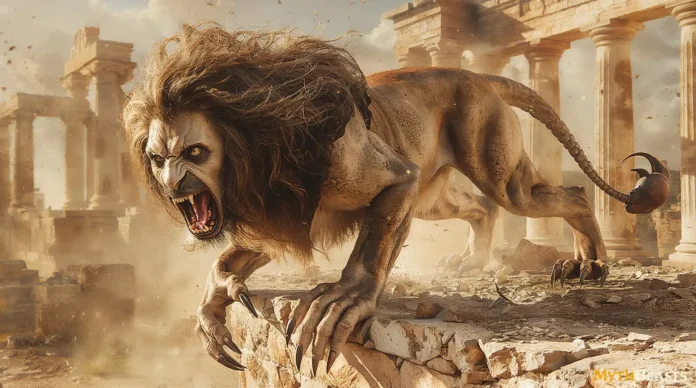
Manticore

Hybrid Persian man-eater with human face, lion body and barbed tail, famed in Greek and later bestiaries as a...

  • Skills
Nature ManipulationPhysical Strength
  • Weaknesses
BeheadingBlessed Weapon
Celtic
Celestial Being
Morrigan - Celtic mythology
Celtic

Mórrígan

Morrigan is a prominent figure in Irish mythology, often depicted as a complex and multifaceted deity associated with war,...
  • Skills
Death & NecromancyDeath Inducement
  • Weaknesses
Blessed WeaponDivine Restrictions
Greece
Death Messenger
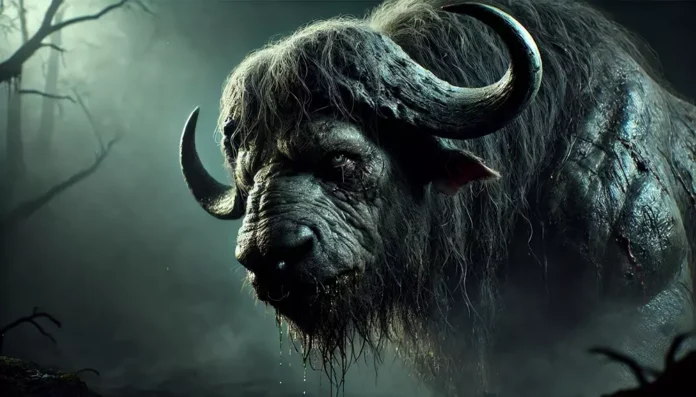
Catoblepas - MythBeasts.com
Greece

Catoblepas

Catoblepas is an African beast that can kill with a single gaze, having poisonous breath and a sluggish body.
  • Skills
Toxin Generation
  • Weaknesses
Garlic SensitiveSilver Weak
Greece
Serpentine Beast
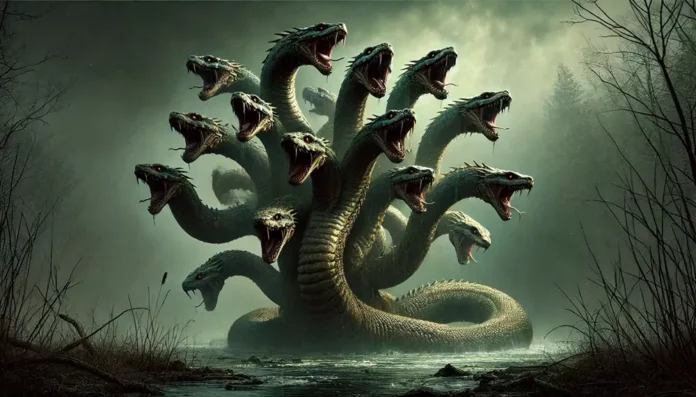
Hydra -the multi-headed serpent
Greece

Hydra

The Hydra, a multi-headed serpent of Greek mythology, grew two heads for each severed. Heracles defeated it as one...
  • Skills
Healing & LifeRegeneration
  • Weaknesses
Fire Vulnerable
Hebrews
Death Messenger
Samael - the angle of death
Hebrews

Samael

Samael, the Angel of Death, is a figure of divine judgment and moral complexity in Jewish lore, known for...

  • Skills
Death & NecromancyDeath Touch
  • Weaknesses
Divine LightDivine Restrictions
Asia
Spectral Being
Yuki-onna - a pale figure in the snow, her skin like moonlight, her breath as cold as the frost
Japan

Yuki-Onna

Yuki-Onna is a legendary Japanese spirit who appears during snowy nights, embodying both beauty and the deadly cold of...

  • Skills
Death & NecromancyElement Control
  • Weaknesses
Element SensitivitiesFire Vulnerable

Death Bringers – an Overview

Death Bringers represent a mythological pattern found across various cultures, symbolizing the transition from life to death. They manifest as figures, concepts, or forces that facilitate or personify the end of life. This lore type serves as a critical aspect of the human attempt to understand and explain mortality. Death Bringers are central to mythological narratives, often embodying the fear of death and the unknown. Their presence in myths highlights the universal concern with life’s impermanence and the moral or ethical dimensions surrounding death.

Core Characteristics and Themes

Narrative Function

In mythology, Death Bringers often serve as agents of fate or destiny, determining the time and manner of death. They function as intermediaries between worlds, guiding souls from the earthly realm to the afterlife. This role may elevate them to a status of reverence or fear within their cultural narratives. Their actions are sometimes depicted as inevitable, underscoring the inescapable nature of death. By incorporating Death Bringers, myths articulate the transition between life phases and the continuity of existence beyond death.

Symbolic Meaning

Symbolically, Death Bringers encapsulate the human fear of death, acting as reminders of life’s transient nature. They represent the boundary between the known and the unknown, challenging individuals to confront their mortality. Culturally, these figures may embody values such as justice, retribution, or purification, depending on their role within a given society. In some traditions, they signify transformation or renewal, reflecting the cycle of life and death as part of a greater cosmic order.

Cultural Context and Worldview

Relationship to Religion and Belief

In many religious systems, Death Bringers are closely aligned with deities or cosmological entities responsible for the afterlife. They may serve as divine emissaries or manifestations of a god’s will, reinforcing religious narratives about the soul’s journey post-death. This association often imbues Death Bringers with a sacred status, reinforcing religious teachings regarding morality and the afterlife. Their presence within religious frameworks reinforces the idea of death as a transition rather than an end.

Role in Social or Moral Order

Death Bringers often reflect and reinforce societal norms and moral codes, acting as arbiters of justice or retribution. Within myths, they may punish transgressors or reward the righteous, reinforcing cultural values and ethical standards. This role helps maintain social order by illustrating the consequences of one’s actions in life. By embodying these concepts, Death Bringers function as cautionary figures, reminding individuals of the moral implications of their choices and actions.

Associated Mythological Beings

Common Creature Archetypes

Common archetypes associated with Death Bringers include psychopomps, grim reapers, and otherworldly guides. These beings often possess the ability to traverse realms, escorting souls to their final destinations. They may appear in various forms, such as animals, spectral figures, or humanoid entities. Each form reflects cultural interpretations of death, whether as a natural part of life or a supernatural event. Their depictions often carry symbolic elements that resonate with cultural beliefs about mortality.

Non-Creature Manifestations

Death Bringers may also manifest as abstract forces or symbols, such as storms, darkness, or omens. These non-creature manifestations underscore the inevitability of death as a natural force. In some cultures, death may be represented by specific events or signs, conveying the presence of Death Bringers without physical embodiment. These manifestations highlight the pervasive influence of death across various aspects of life and the universe.

Variations Across Cultures

Regional Interpretations

Cultural interpretations of Death Bringers vary significantly, reflecting differing beliefs and societal structures. In some traditions, they may be revered as benevolent guides, while in others, they are feared as harbingers of doom. These differences highlight the diverse ways cultures conceptualize death and the afterlife. For example, some cultures view death as a return to ancestral origins, while others see it as a journey to a different realm. Such variations underscore the complex relationship between cultural identity and eschatological beliefs.

Shared Structural Patterns

Despite regional differences, certain structural patterns remain consistent across traditions. Death Bringers frequently embody the liminal space between life and death, acting as mediators or guardians of the threshold. They often share characteristics such as impartiality, inevitability, and authority over mortality. These shared elements emphasize the universal nature of death and the common human experience of confronting it. By examining these patterns, scholars can better understand the underlying themes that connect disparate mythologies.

Persistence and Transmission

Oral and Written Traditions

The lore of Death Bringers has been preserved through both oral and written traditions, allowing these narratives to endure across generations. Oral storytelling, rituals, and ceremonies have played vital roles in transmitting these myths, especially in societies without written records. As literacy spread, these stories were documented in religious texts, folklore collections, and literature. This dual mode of transmission has ensured the continuity and adaptation of Death Bringers within various cultural contexts.

Adaptation Over Time

Over time, interpretations of Death Bringers have evolved, reflecting changing cultural, religious, and philosophical perspectives. As societies encounter new ideas and influences, these figures may be reimagined to align with contemporary values or beliefs. Such adaptations highlight the dynamic nature of mythology and its ability to resonate with current audiences. Despite these changes, the core themes of mortality and transition often remain intact, demonstrating the enduring relevance of Death Bringers.

Scholarly Interpretation and Uncertainty

Symbolic vs Literal Readings

Scholars often debate whether Death Bringers should be interpreted symbolically or literally. Symbolic readings focus on the allegorical meanings associated with death, such as transformation, renewal, or retribution. Literal interpretations consider these figures as real entities within their respective mythologies, possessing tangible influence over life and death. This scholarly discourse highlights the complexity of mythological studies and the diverse approaches to understanding ancient narratives.

Limits of Historical Evidence

The study of Death Bringers is often complicated by limited historical evidence, with many stories transmitted orally before being documented. This can lead to variations in interpretation and presentation, complicating efforts to establish definitive conclusions. No verified sources describe the specifics of some traditions, leaving scholars to rely on comparative analysis and broader cultural studies. The inherent uncertainty in reconstructing these myths necessitates careful consideration of available evidence.

Classification Notes

Distinction from Related Lore Types

Death Bringers differ from other mythological types in their explicit association with mortality and the transition between life and death. While some entities, such as tricksters or heroes, may encounter death, Death Bringers are defined by their role in facilitating or personifying it. This distinction is crucial for understanding their unique function within mythological systems. It separates them from other figures that may possess overlapping characteristics but serve different narrative purposes.

Use in Mythological Taxonomy

As a classification category, Death Bringers serve to organize mythological narratives that focus on the themes of mortality and transition. Their inclusion in taxonomy systems allows scholars to analyze patterns, variations, and influences across cultures. This organization aids in the comparative study of mythology, revealing insights into how different societies conceptualize and respond to death. By understanding Death Bringers, researchers can better appreciate the universal and diverse aspects of human belief.