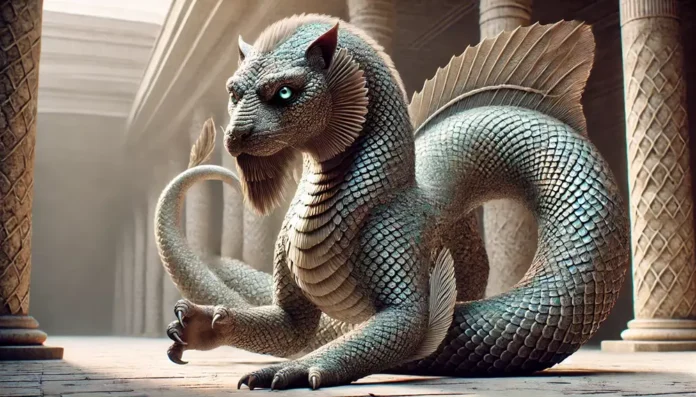
Introduction to Holy Protectors
In many fantasy and mythological settings, Holy Protectors are revered figures, who represent the embodiment of divine protection and righteousness. These beings often serve as the guardians of sacred sites, the defenders of the faithful, and the executors of divine will.Origins and Historical Context
The concept of Holy Protectors can be traced back to ancient civilizations where divine intervention was often depicted as coming through chosen individuals or celestial beings. In early mythologies, they were seen as intermediaries between the divine and mortal realms, tasked with maintaining the balance of good and evil in the world.Throughout history, various cultures have depicted Holy Protectors in their lore. In ancient Greece, figures like Athena were seen as protectors of cities, while in Norse mythology, Valkyries were considered the protectors of warriors. In many religious texts, angels often serve roles as protectors and messengers of the divine.Characteristics of Holy Protectors
Holy Protectors are typically characterized by their unwavering commitment to their divine mission. They are often depicted as possessing supernatural abilities, which may include healing, enhanced strength, and the capability to wield holy magic. Their presence is often marked by an aura of light or other celestial phenomena.These protectors are often seen wearing armor adorned with symbols of their faith, carrying weapons that are imbued with divine power. Their demeanor is usually calm and composed, reflecting their inner strength and dedication to their cause.Roles and Responsibilities
The primary role of Holy Protectors is to safeguard the sanctity of holy places and protect the innocent from malevolent forces. They are often called upon in times of great need, serving as the last line of defense against evil. They may also act as advisors to leaders, providing guidance rooted in divine wisdom.In addition to their protective duties, they are often tasked with spreading teachings and maintaining the spiritual well-being of their followers. They may also be involved in rituals and ceremonies, serving as conduits for divine blessings.Famous Holy Protectors in Lore
Many stories within various mythologies feature renowned Holy Protectors whose tales have transcended time. For example, Archangel Michael is a prominent figure in Christian lore, known for his role as a protector against the forces of evil and a leader in heavenly armies.In Eastern traditions, Guan Yu, a historical figure who became deified, is revered as a protector of the people and a symbol of loyalty and righteousness. Similarly, in Hindu mythology, Hanuman is celebrated for his unwavering devotion and strength, often depicted as a protector of the innocent and destroyer of evil.Symbolism and Iconography
Holy Protectors are rich in symbolism, often depicted with various icons that represent their divine connection. Common symbols include halos, wings, and light, all signifying purity and divine protection. Their weapons, such as swords and shields, often bear inscriptions or motifs that symbolize their commitment to their cause.Additionally, the colors associated with Holy Protectors typically include white, gold, and blue, representing purity, divinity, and wisdom, respectively. These colors often feature prominently in their attire and surroundings.Impact on Popular Culture
Holy Protectors have had a significant influence on popular culture, appearing in literature, films, and video games. They often serve as archetypes of heroism and virtue, inspiring characters that embody their values. In modern storytelling, these figures are frequently used to explore themes of sacrifice, duty, and the struggle between good and evil.In video games, Holy Protectors are often depicted as powerful allies or protagonists, equipped with unique abilities that aid players in their quests. They provide a sense of moral clarity and purpose within the narrative, guiding players towards righteous paths.Conclusion
Holy Protectors continue to captivate the imagination through their embodiment of divine protection and justice. Whether as mythological figures or modern heroes, their stories serve as timeless reminders of the power of faith and the enduring battle between light and darkness. As guardians of the sacred and champions of the oppressed, they inspire generations to uphold values of courage, compassion, and righteousness.