Nature Spirits - an Overview
Nature spirits represent a mythological pattern found in numerous cultural systems worldwide. They embody the essence of natural elements, acting as guardians or embodiments of nature. These spirits are often portrayed as intermediaries between humans and the natural world, reflecting humanity's connection and reverence for nature's forces.Core Characteristics and Themes
Narrative Function
In myths and folklore, nature spirits serve pivotal roles, often acting as protectors of particular environments or as sources of wisdom and guidance. They are integral in narratives where balance between humanity and nature is a central theme, highlighting ecological interdependence.Symbolic Meaning
Nature spirits symbolize the power and mystery of the natural world. They often represent humanity's respect, fear, or awe of nature's forces. Through these spirits, cultures express values like harmony, respect for life, and the unpredictability of the environment, reinforcing ecological consciousness.Cultural Context and Worldview
Relationship to Religion and Belief
Nature spirits frequently intersect with religious systems, often being integrated into pantheons as minor deities or as manifestations of divine will. They embody the sacredness of nature, reinforcing the belief in a world imbued with spiritual significance.Role in Social or Moral Order
These spirits function to reinforce societal norms concerning the environment. By embodying the consequences of environmental neglect or disrespect, they teach communities the importance of maintaining harmony with nature, fostering ecological stewardship.Associated Mythological Beings
Common Creature Archetypes
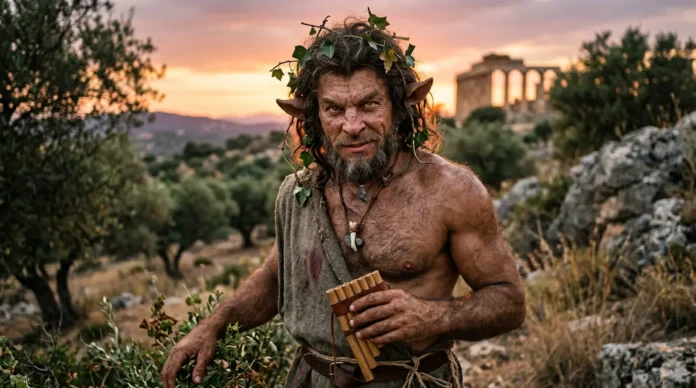
Common archetypes include nymphs, dryads, and sylphs in European traditions, each associated with particular natural elements like forests, rivers, or winds. In many cultures, these beings are depicted as both benevolent and dangerous, depending on human interaction with nature.Non-Creature Manifestations
Nature spirits can manifest through natural phenomena, such as the rustling of leaves or the sound of a flowing river. These manifestations serve as reminders of their presence, emphasizing that nature itself is alive and responsive to human actions.Variations Across Cultures
Regional Interpretations
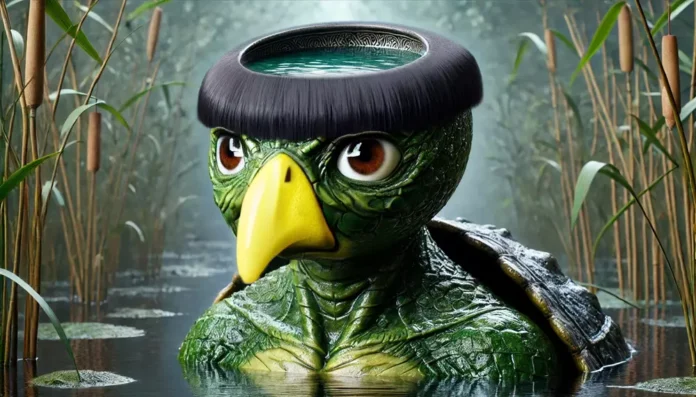
In Japanese Shinto, kami are spirits reflecting the natural world, embodying mountains, rivers, and other elements. In contrast, Celtic lore often depicts spirits as more distinct beings tied to specific locations or features, showcasing diverse interpretations of nature spirits.Shared Structural Patterns
Despite cultural differences, nature spirits share common features, such as their role as guardians and their connection to specific natural elements. These consistent patterns highlight universal themes of ecological respect and the sacredness of nature within human societies.Persistence and Transmission
Oral and Written Traditions
Nature spirits are preserved through oral traditions, storytelling, and written mythologies. These methods ensure the transmission of ecological values and cultural teachings, embedding respect for nature within cultural identities across generations.Adaptation Over Time
Over time, interpretations of nature spirits have evolved, reflecting changes in societal values and environmental concerns. Modern adaptations may reinterpret these spirits to emphasize current ecological issues, demonstrating the lore's adaptability and enduring relevance.Scholarly Interpretation and Uncertainty
Symbolic vs Literal Readings
Scholars debate whether nature spirits should be interpreted symbolically, as representations of natural forces, or literally, as entities worshipped in their own right. This debate reflects broader questions about the role of myth in understanding human-nature relationships.Limits of Historical Evidence
Documentation of nature spirits varies widely, with many traditions lacking detailed historical records. This scarcity of evidence complicates efforts to fully understand their origins and roles, necessitating careful interpretation and acknowledgment of gaps.Classification Notes
Distinction from Related Lore Types
Nature spirits differ from other supernatural entities, such as gods or demons, by their intrinsic connection to specific natural environments. This distinction emphasizes their role as ecological mediators rather than omnipotent beings or malevolent forces.Use in Mythological Taxonomy
As a classification category, nature spirits help organize mythological systems, highlighting patterns of ecological embodiment and spiritual interaction with nature. Their classification underscores the cultural importance of ecology and environmental stewardship within mythological frameworks.