Neutral Forces
Neutral Forces categorize mythological stories and themes that emphasize balance, harmony, and equilibrium within mythic narratives.
Sub Categories
Ancient Guardians
Ancient Guardians function as protectors within mythological narratives, often embodying the forces safeguarding sacred spaces, knowledge, or cosmic balance. They symbolize resilience against chaos or malevolent forces, maintaining order.These guardians can be depicted as powerful beings or entities, serving as intermediaries between the divine and mortal realms. Ancient Guardians often reinforce cultural values, emphasizing themes of loyalty, duty, and protection.
Astral Wanderers
Astral Wanderers in mythology often symbolize journeys beyond the physical realm, exploring themes of transcendence and transformation. They serve as metaphors for spiritual quests and cosmic exploration. These figures embody the human desire to understand the universe, highlighting the connection between earthly existence and celestial realms.In narratives, Astral Wanderers frequently represent the unknown and the pursuit of knowledge. Their stories offer insights into cultural perceptions of the cosmos, emphasizing the interplay between destiny and free will. This category often illustrates the balance between mortal life and the infinite possibilities of the astral plane.
Chaos Bringers
Chaos Bringers in mythology often symbolize disruption and transformation within a narrative, challenging established order and prompting change. They serve as catalysts for evolution, forcing characters to adapt or evolve. By introducing unpredictability, Chaos Bringers highlight the fragility of existing systems and the potential for renewal.Thematically, Chaos Bringers can represent the dual nature of chaos as both destructive and creative. Their presence underscores the tension between stability and change, illustrating the necessity of upheaval for growth. Through their actions, myths explore complex dynamics of power, control, and transformation, reflecting deeper philosophical insights.
Elemental Beings
Elemental Beings represent forces of nature in mythological narratives, embodying elements like earth, water, fire, and air. They often serve as symbolic representations of natural phenomena and human emotions. These beings help explain the universe's workings, providing structure to mythologies by embodying primal forces.In thematic terms, Elemental Beings convey ideas about balance and harmony within the natural world. They often illustrate the interconnectedness of life and environment, reflecting cultural values and beliefs. Through their interactions, these beings highlight humanity's relationship with nature and the importance of respecting natural forces.
Fae & Supernatural
Fae & Supernatural serve as a narrative category that embodies the mystical and otherworldly elements in mythology. These entities often symbolize nature's unpredictability or human emotions, adding depth to stories. Their presence highlights themes of transformation, mystery, and the boundaries between reality and the unknown.Within mythology, Fae & Supernatural characters function as catalysts for change or moral lessons. They often challenge protagonists, prompting growth or revelation. By embodying abstract concepts, they provide a framework for understanding human experiences and cultural values.
House Spirits
House Spirits form a mythological category expressing intimate connections between people and domestic spaces, embodying ideas of protection, continuity, and accountability within the household’s physical boundaries and everyday routines. Their presence structures expectations about order, hospitality, and reciprocity.As narrative devices, House Spirits explain minor fortunes, misfortunes, and unexplained disturbances, linking moral behavior to household well-being. They symbolize the home as a living social unit requiring respect, care, and ongoing ritual attention.
Mischief Makers
Mischief Makers in mythology often serve as catalysts for change, challenging established norms and prompting transformation. Through their actions, they reveal hidden truths and test the resilience of characters or societies. Their unpredictable nature introduces humor and tension, providing narrative depth and complexity.Symbolically, Mischief Makers embody the duality of chaos and creativity, illustrating the potential for growth through disruption. They highlight the importance of adaptability and resilience, encouraging audiences to question authority and embrace uncertainty. This thematic role underscores the balance between order and disorder in mythological narratives.
Mystic Nomads
Mystic Nomads function as a narrative category exploring themes of wandering, transformation, and spiritual quests. They symbolize the search for wisdom, often embodying the archetype of the seeker or pilgrim. These figures traverse mythical landscapes, encountering trials and revelations that lead to personal growth or enlightenment.In mythology, Mystic Nomads serve as catalysts for change and convey deeper truths about human existence. Their journeys often reflect the tension between the known and unknown, emphasizing introspection and discovery. Through their adventures, they challenge societal norms and offer insights into the nature of reality and the self.
Nature Spirits
Nature Spirits in mythology often embody natural elements, conveying human interaction with the environment. They function as symbols representing natural forces, emphasizing harmony or conflict with nature. These spirits typically inhabit forests, rivers, or mountains, serving as guardians or manifestations of the natural world.Thematically, Nature Spirits highlight cultural values and environmental awareness. They structure narratives by illustrating consequences of respecting or neglecting nature. Through these stories, societies express reverence for nature's power, fostering a connection between humans and their surroundings.
Neutral Elementals
Neutral Elementals represent forces that embody balance and equilibrium, often depicted as impartial entities within mythological narratives. They serve to highlight the harmony between opposing elements or forces, emphasizing stability and unity.In mythology, Neutral Elementals can symbolize the interconnectedness of natural elements, providing structure to stories by mediating conflicts. Their presence underscores themes of balance and coexistence, offering a lens for interpreting complex relationships.
Shape-shifters
Shape-shifters in mythology often symbolize transformation and fluidity, reflecting themes of adaptability and duality. They challenge the boundaries between human and animal, reality and illusion, offering narrative complexity. These beings serve as metaphors for change, illustrating the unpredictability of identity and the potential for metamorphosis.The presence of Shape-shifters can evoke themes of deception or empowerment, depending on their role within a story. They often highlight tensions between stability and chaos, reflecting cultural anxieties or aspirations. Shape-shifters provide a narrative device to explore the unknown, enabling stories to address fears and desires through their transformative abilities.
Shapeless Spirits
Shapeless Spirits in mythology often symbolize the formless and intangible aspects of existence, representing forces or entities that defy physical boundaries. They convey themes of transformation, ambiguity, and the unseen.As a narrative category, Shapeless Spirits challenge perceptions of reality and identity, prompting reflection on the nature of the self and the unknown. Their presence enhances mystery and metaphysical exploration.
Time-Warping Entities
Time-Warping Entities function as a narrative category in mythology by embodying themes of temporal manipulation and fluidity. These entities challenge linear perceptions of time, introducing complex story dynamics. Their presence often symbolizes the disruption of natural order, creating opportunities for transformative events within mythic narratives.Thematic exploration through Time-Warping Entities highlights the human fascination with time's mysteries and limits. They symbolize the potential for change, offering insights into destiny, fate, and the cyclical nature of existence. Their inclusion enriches mythologies by adding layers of unpredictability and philosophical depth.
Treasure Guardians
Treasure Guardians function as mythic agents that mediate access to valuable objects or places, marking thresholds between ordinary and extraordinary realms, and emphasizing boundaries, prohibition, and conditional reward or punishment. Their presence structures narrative tension around tests, negotiations, or confrontations, foregrounding issues of worthiness, transgression, and the social meaning of restricted resources.As a thematic category, Treasure Guardians symbolize cultural anxieties and aspirations surrounding wealth, knowledge, and power, encoding norms about rightful ownership, secrecy, and stewardship. They often transform inert treasure into an ethical problem, linking material gain to moral, spiritual, or communal consequences, and reinforcing collective ideas about responsibility toward shared or sacred resources.
Tricksters
Tricksters function as a narrative category in mythology by embodying chaos and disruption within established orders. They challenge norms, often using wit or deception to subvert authority and tradition. Through their actions, Tricksters reveal underlying truths or hidden aspects of human nature, prompting reflection and reassessment.Symbolically, Tricksters often represent the duality of creation and destruction, highlighting the fluidity of boundaries and the potential for transformation. Their unpredictable behavior underscores themes of adaptability and resilience, illustrating the complex interplay between order and chaos.
Wandering Spirits
Wandering Spirits in mythology often represent the souls of the deceased who have not found peace. They may convey themes of unresolved issues, serving as reminders of moral or social obligations. These spirits can symbolize the consequences of actions in life, offering lessons or warnings to the living.As a narrative category, Wandering Spirits provide structure to stories involving the afterlife or spiritual realms. They often highlight the boundary between life and death, emphasizing transitions. Symbolically, they may reflect cultural beliefs about the soul's journey and the importance of fulfilling earthly duties before death.
Wild Spirits
Wild Spirits in mythology often symbolize untamed natural forces or primal instincts, representing elements beyond human control. They serve to illustrate humanity's relationship with nature and its unpredictable aspects. This narrative category helps convey themes of freedom, chaos, and the boundaries between civilization and the wild.Thematic interpretations of Wild Spirits may focus on transformation, highlighting the tension between order and disorder. These spirits often embody the raw power of nature, reminding societies of their vulnerability. Through stories and symbolism, Wild Spirits challenge cultural norms and explore the mysteries of the natural world.
Relevant Beasts
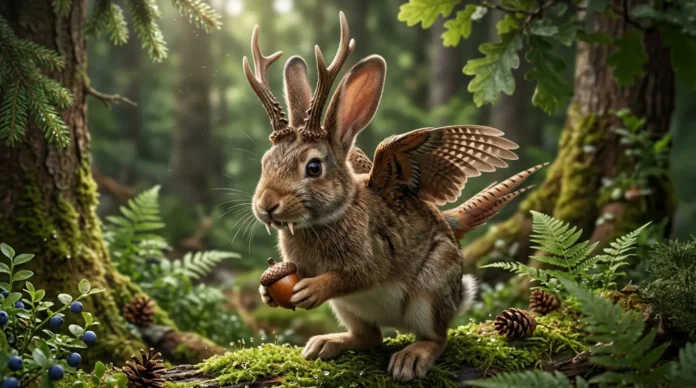
Wolpertinger - a mythical creature from Bavarian folklore, known for its hybrid animal appearance and cultural Mythology.
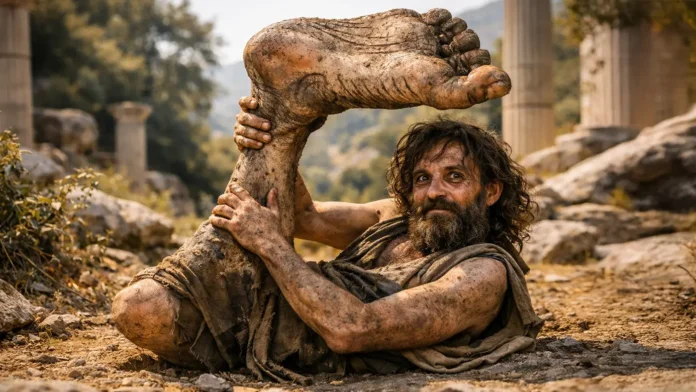
The Monopod (Sciapod) is a legendary one-legged humanoid from Greek and Roman texts, known for using its giant foot...
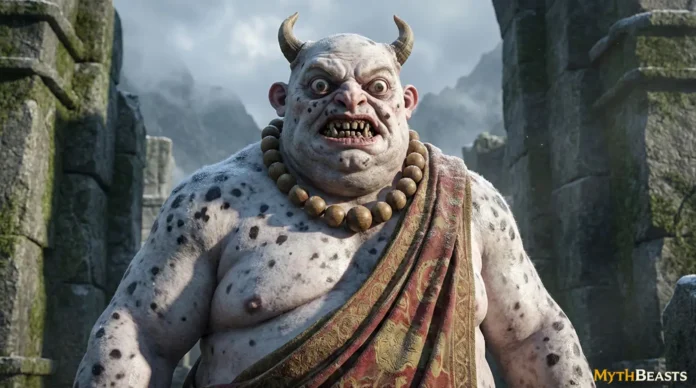
Div-e Sepid, the White Demon in Persian mythology, symbolizes chaos and evil. Known from the epic Shahnameh, it challenges...
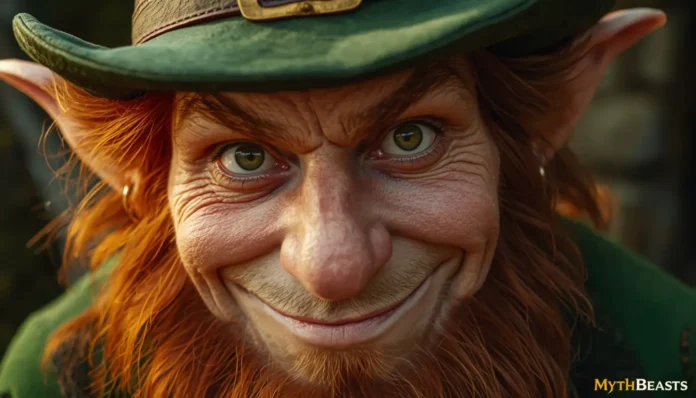
Leprechauns are small, mischievous fairies from Irish folklore known for their trickery and guarding pots of gold.
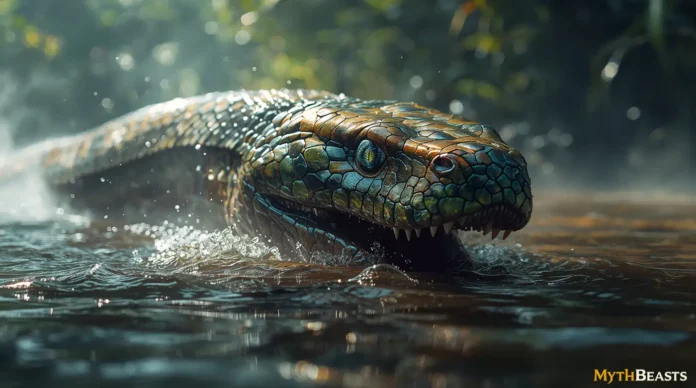
Yacumama is an Amazonian water serpent from Indigenous folklore, classified as a supernatural guardian of rivers.
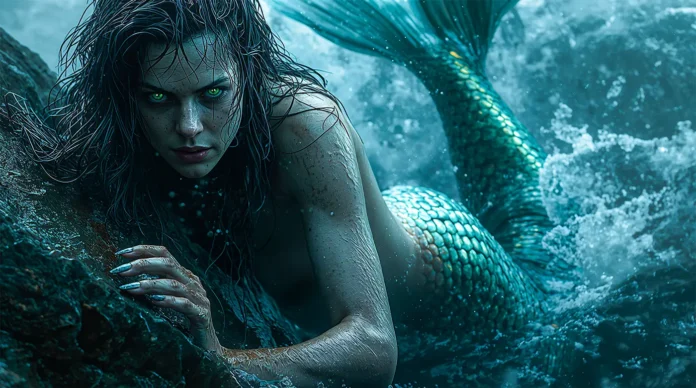
Half-human and half-fish, the Mermaid is a shape-shifting aquatic hybrid tied to sea myths across various cultures, especially known...